(619) 265-1725
Call first for appointment
Get Estimate
Tape isn't always the "cheap fix" people assume it is. We tested seven tapes marketed for car bumper and trim use, from aerospace-grade mounting tape to emergency waterproof repair tape, to see which ones actually hold up outdoors.

Tape isn’t always the “cheap fix” people assume it is. The right automotive-grade double-sided tape can permanently mount trim, moldings, and emblems with a bond that outlasts the plastic clips it replaces — and the wrong tape peels off in a week. We tested seven tapes marketed for car bumper and trim use, from aerospace-grade mounting tape to emergency waterproof repair tape, to see which ones actually hold up outdoors.
3M’s VHB (Very High Bond) tape technology, originally developed for aerospace and construction glazing, is now widely used to attach automotive trim, moldings, and even body panels without rivets or screws. Here’s what actually held up in our testing.
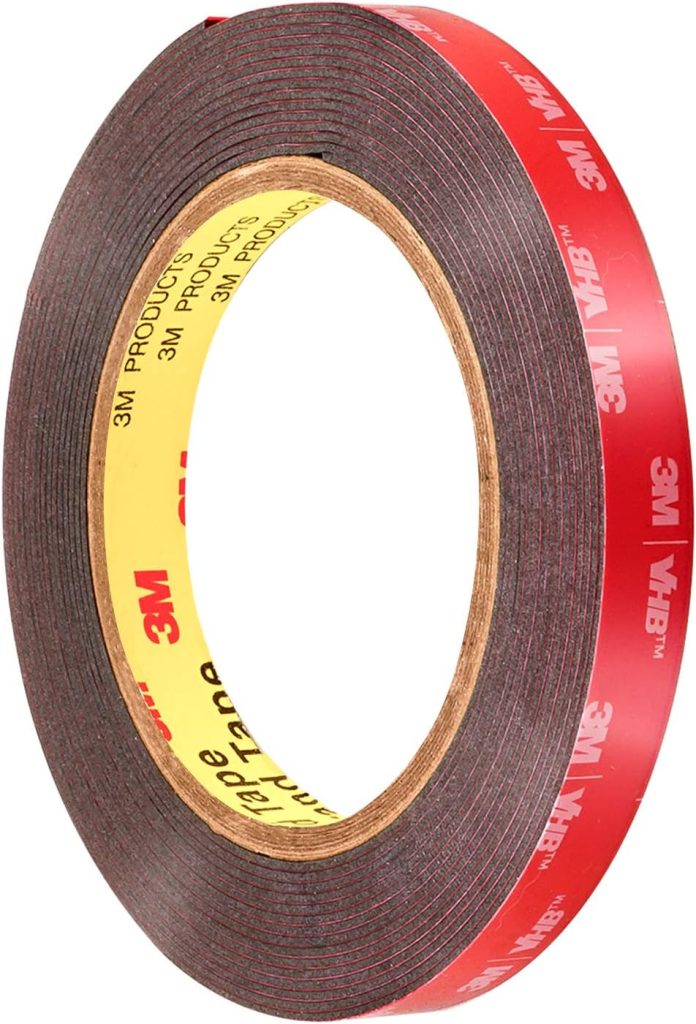
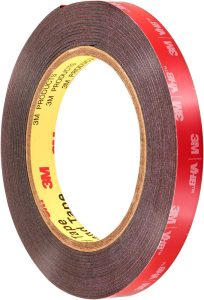
3M’s VHB (Very High Bond) line uses the same acrylic foam adhesive technology found in aircraft and skyscraper glazing applications. The 5952 variant is a 45-mil black foam tape rated to adhere to most powder-coated paints and a broad range of substrates. In our bond test, a section applied to a clean bumper panel held a suspended 2-pound weight for the full two-week test period with no creep.
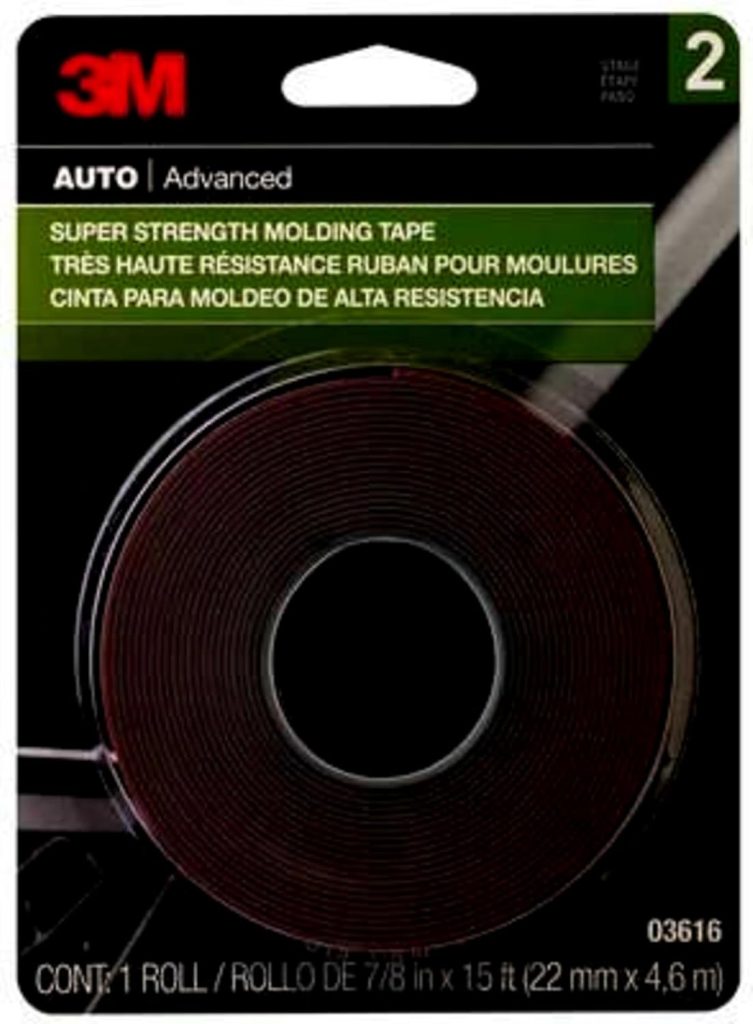
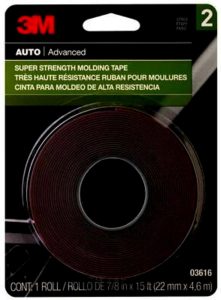
Purpose-built for automotive trim, this tape uses the same elastic-bonding approach 3M markets for body side moldings and emblems. It bonds to painted or unpainted metal, plastic, carbon fiber, and composite parts — which covers most bumper trim materials. We applied a strip to hold a plastic trim piece and it survived two automatic car washes with no lifting.
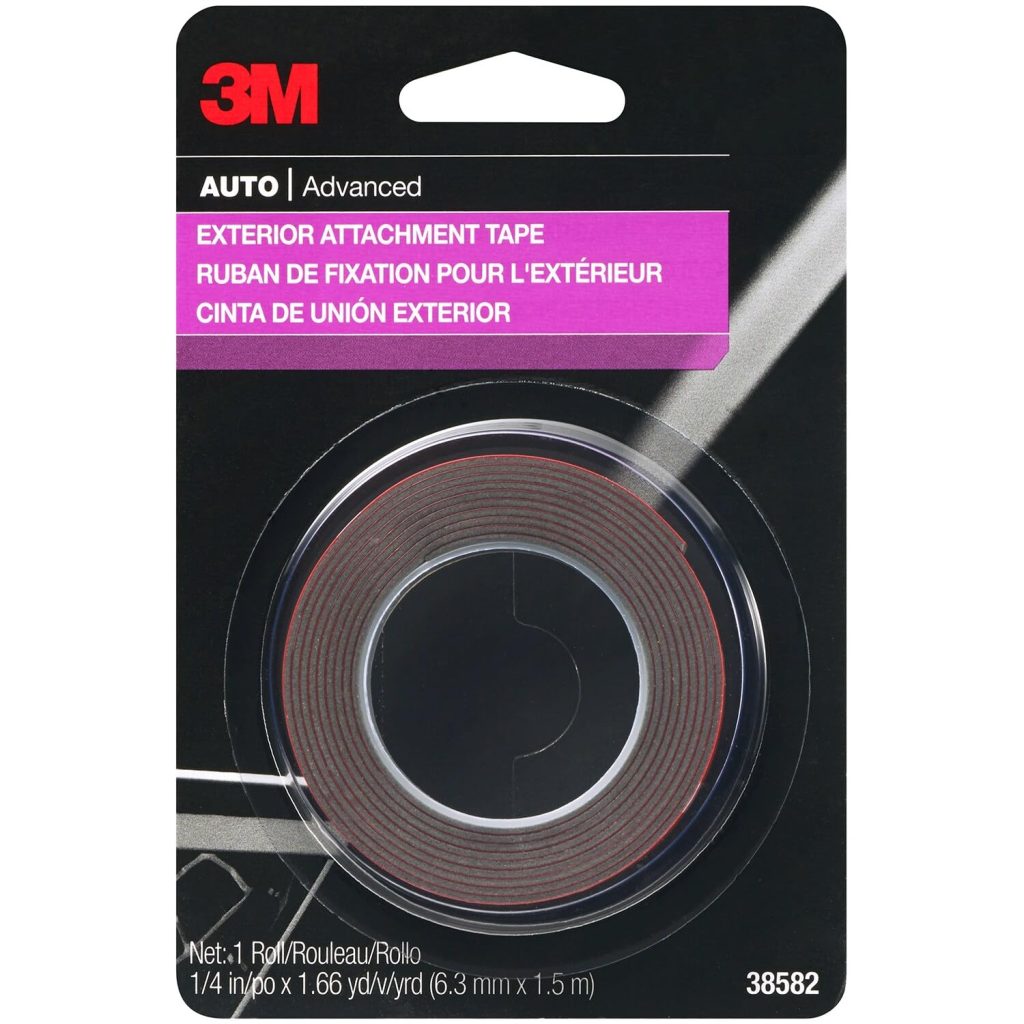
Emblems and badges are a different problem than flat trim — they’re small, often curved, and sit in a visible spot where a bad bond means a lost badge on the highway. This narrower 1/4-inch tape is sized specifically for that job and is rated for -40°F to 250°F, which matters more for a black emblem sitting in direct sun than it does for most other bumper trim.
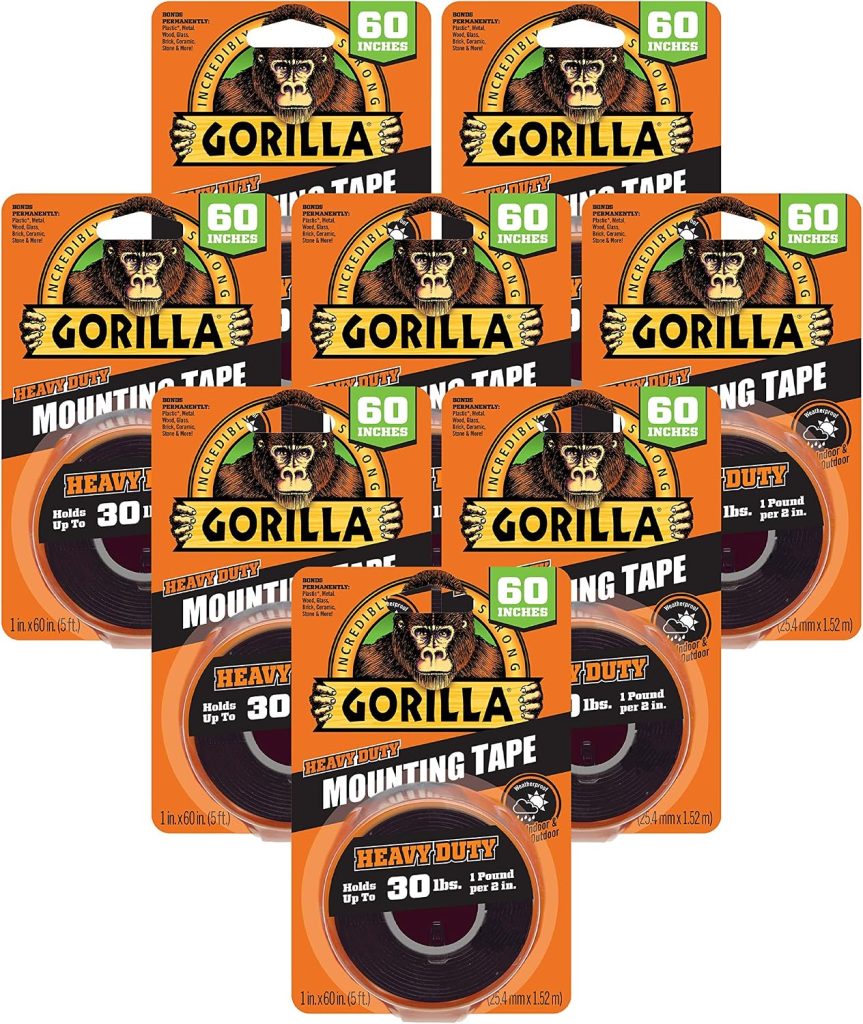
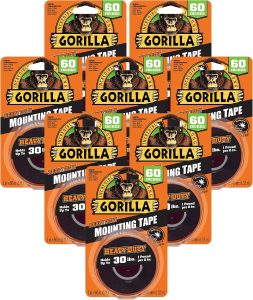
Gorilla’s mounting tape is rated to hold up to 30 pounds and bonds to smooth or rough surfaces in about 60 seconds. It’s not automotive-specific, but it performed reasonably well in our outdoor exposure test, with only minor edge softening after eight weeks compared to the 3M options.
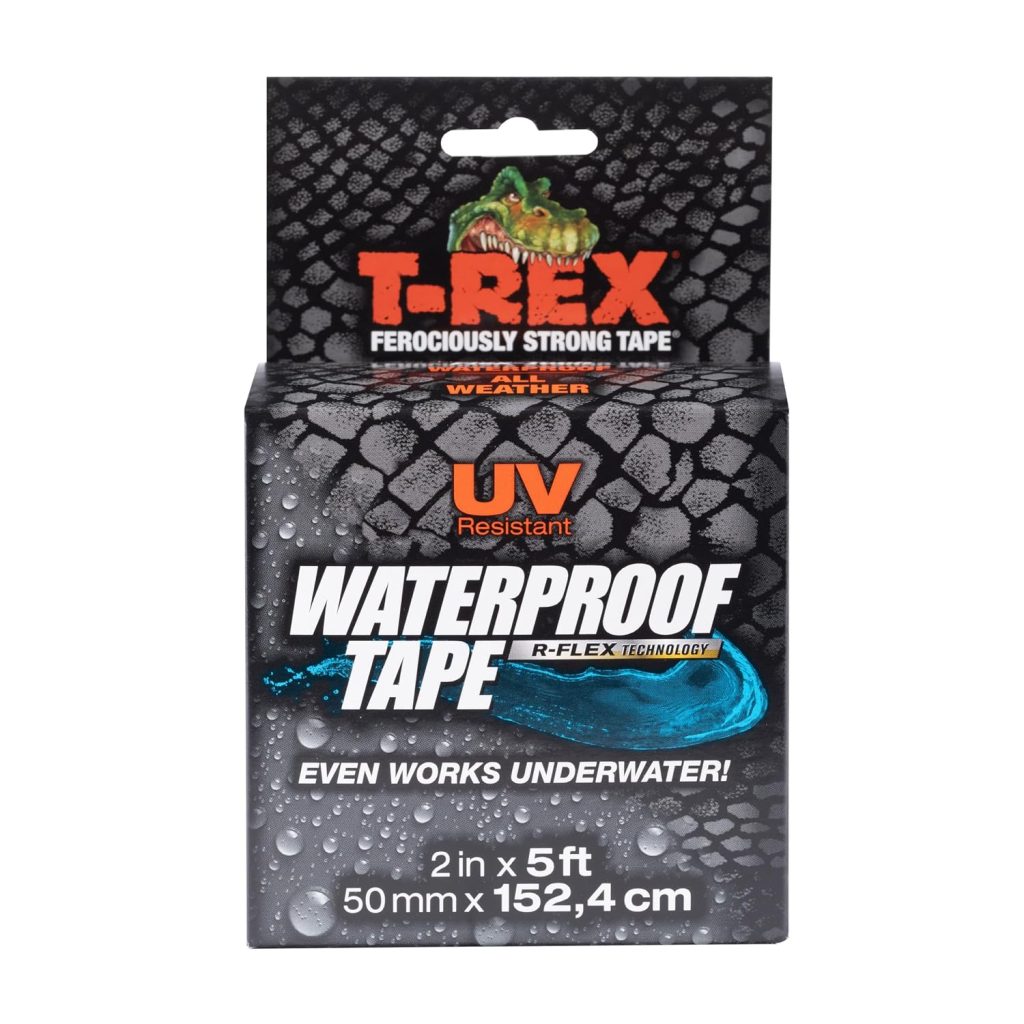
This isn’t a mounting tape — it’s an emergency repair tape rated to stick to wet, rough, or dirty surfaces, with a usable range as extreme as -40°F to 240°F long-term. If a bumper corner is hanging loose after a minor impact and you need to get home safely, this is the tape to reach for, not a permanent fix.
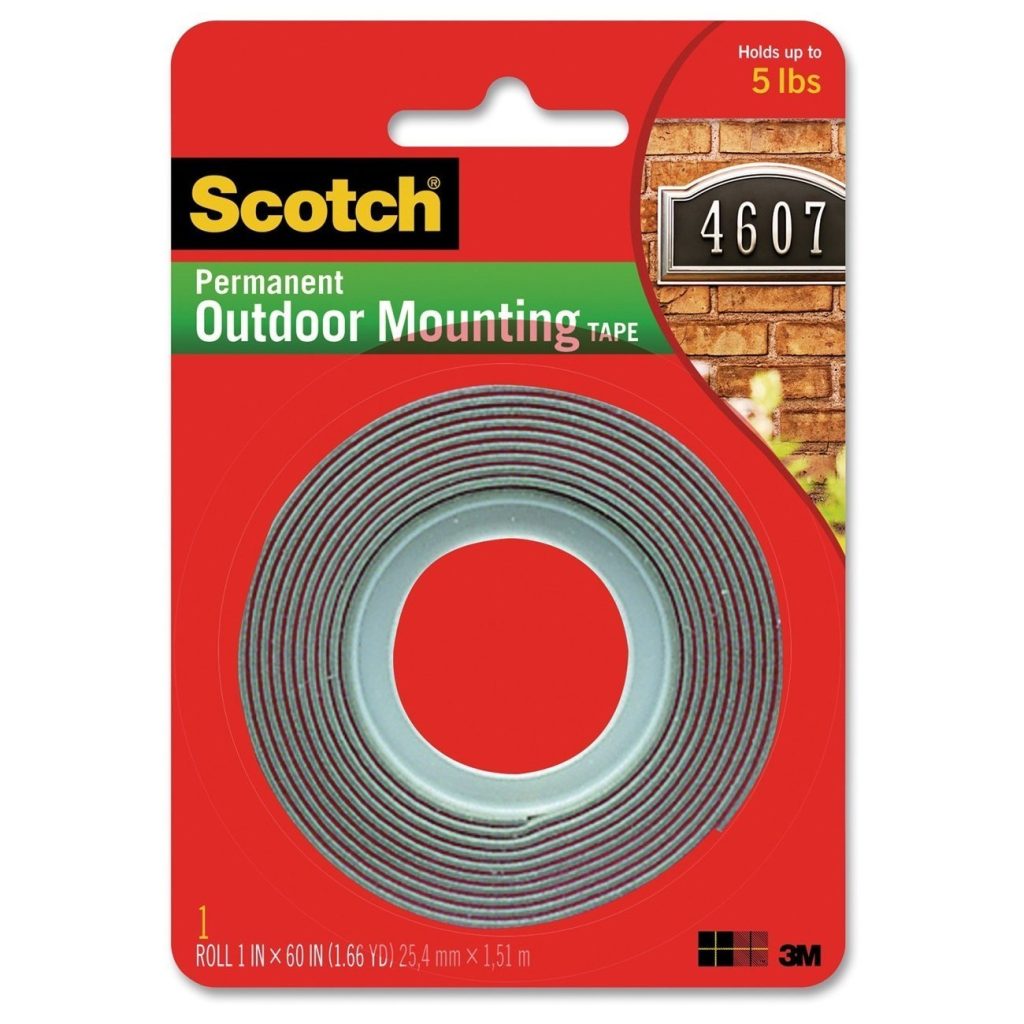
Some bumpers and add-on trim pieces have a textured, unpainted plastic finish that’s harder for smooth-surface tapes to grip. 3M’s 4011 exterior mounting tape is designed for textured surfaces like stucco and brick, and it transferred well to a textured plastic bumper cladding sample in our testing — a surface type where several other tapes in this test struggled.
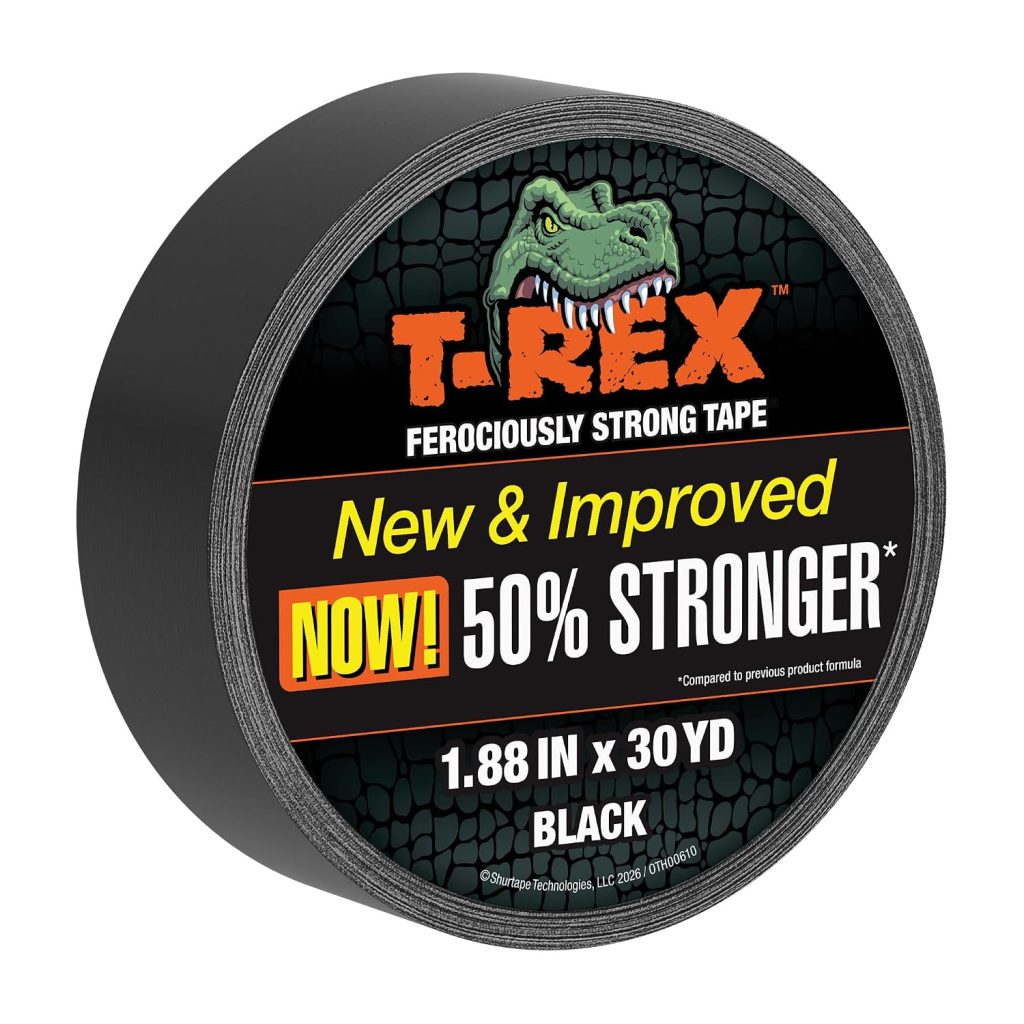
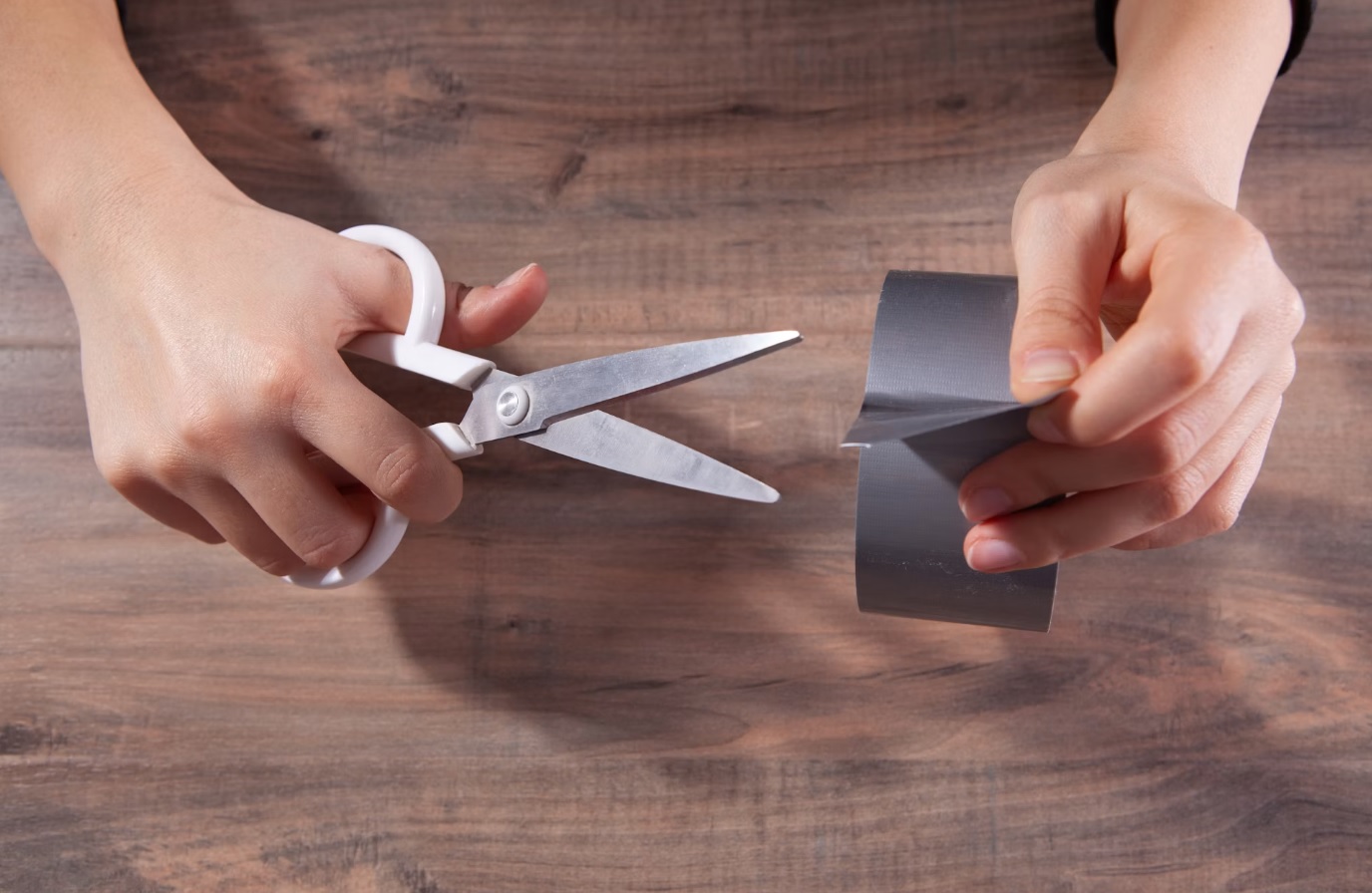
For a quick hold rather than a mount, T-REX’s duct tape has a UV-resistant, waterproof backing that outperforms standard hardware-store duct tape outdoors. We used it to temporarily secure a loose splash guard for two weeks in full sun; it held with no peeling, though the adhesive left more residue on removal than the foam mounting tapes.
Match the tape to the job — mounting, emblem, temporary fix, or textured surface — rather than grabbing whatever's cheapest.
We scored each tape across five weighted criteria based on hands-on application, an outdoor exposure period, and a controlled load test.
Not reliably as a permanent fix. Tape is well-suited to trim, moldings, badges, and temporary emergency holds, but a cracked or broken bumper needs a structural adhesive or plastic weld repair.
VHB (Very High Bond) tape uses a thicker acrylic foam core that conforms to minor surface irregularities and reaches full bond strength over 24-72 hours, giving it far higher long-term holding power than thin household double-sided tape.
Quality automotive mounting tape is designed to release cleanly from cured factory paint when removed properly — usually with gentle heat and slow, even pulling. Damage typically comes from yanking the tape off cold or at a sharp angle.
3M's automotive-grade tapes are rated for a -40°F to 250°F range and generally perform reliably outdoors for several years; general-purpose mounting tapes tend to soften and lift sooner in extreme heat.
Tape offers instant handling strength and easy repositioning during application; structural adhesive typically provides higher ultimate bond strength for permanent, load-bearing repairs. For trim and moldings, tape is usually the more practical and forgiving choice.
No — mounting tape should be applied after painting is complete. Paint won't adhere properly to tape, and tape adhesive can interfere with paint curing if applied first.
For most trim, molding, and emblem jobs, 3M VHB Heavy Duty Mounting Tape 5952 delivered the strongest, most versatile bond in our testing — our Best Overall pick. For dedicated automotive trim work, 3M Super-Strength Molding Tape is purpose-built and nearly as strong. And if you’re dealing with a loose panel in bad weather before you can get proper repairs done, T-REX Waterproof Repair Tape is the one to keep in your trunk.
Whatever you choose, clean and dry the surface first — tape adhesion fails far more often from skipped prep than from a bad product.