(619) 265-1725
Call first for appointment
Get Estimate
We ordered, applied, weathered, and peeled seven of the most popular bumper sticker and vinyl decal products on the market to find out which ones actually hold up on a real bumper — through rain, sun, car washes, and a Southern California summer.

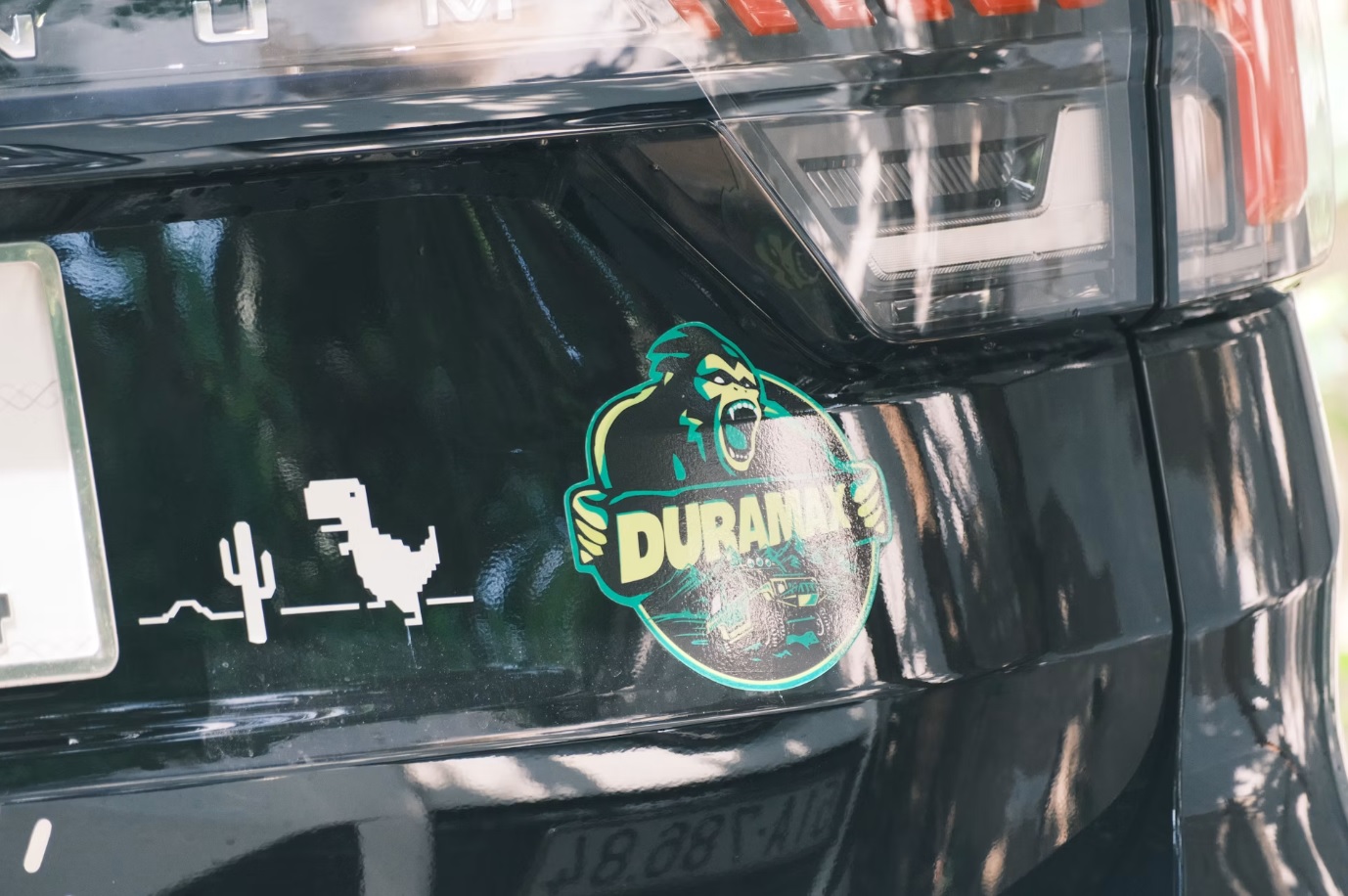
We ordered, applied, weathered, and peeled seven of the most popular bumper sticker and vinyl decal products on the market to see which ones actually hold up on a real bumper — through rain, sun, car washes, and a Southern California summer. Some looked great on day one and started lifting at the corners by week three. A few survived everything we threw at them and came off clean when we were done.
The global bumper sticker and decal market is valued at roughly $1.8 billion in 2026 and is projected to keep growing at a 5.4–5.9% CAGR through the early 2030s, driven largely by vehicle-customization trends among younger drivers (Persistence Market Research, 2026). Here’s what actually survived our testing.
American Vinyl has been printing decals in Los Angeles for over 15 years and has more than 1,000 handmade designs in its catalog. Every sticker we tested from this brand came with a laminate layer that noticeably outlasted unlaminated competitors — after eight weeks outdoors in direct sun, the colors hadn’t visibly faded and the edges hadn’t started to lift.
For most drivers who just want a design off the shelf, this is the easiest recommendation in the whole guide: peel, press with an old credit card, done in under a minute.

If you want your own wording, a business name, or a logo on your bumper, pre-made decals won’t cut it. VulgrCo’s design-your-own bumper stickers let you set the text, size, and color before printing, and the company prints and ships from Phoenix, Arizona.
In our test, the sticker stayed fully adhered through two automatic car washes and a week of 95°F+ heat without the edges curling — a common failure point on cheaper custom-print decals.
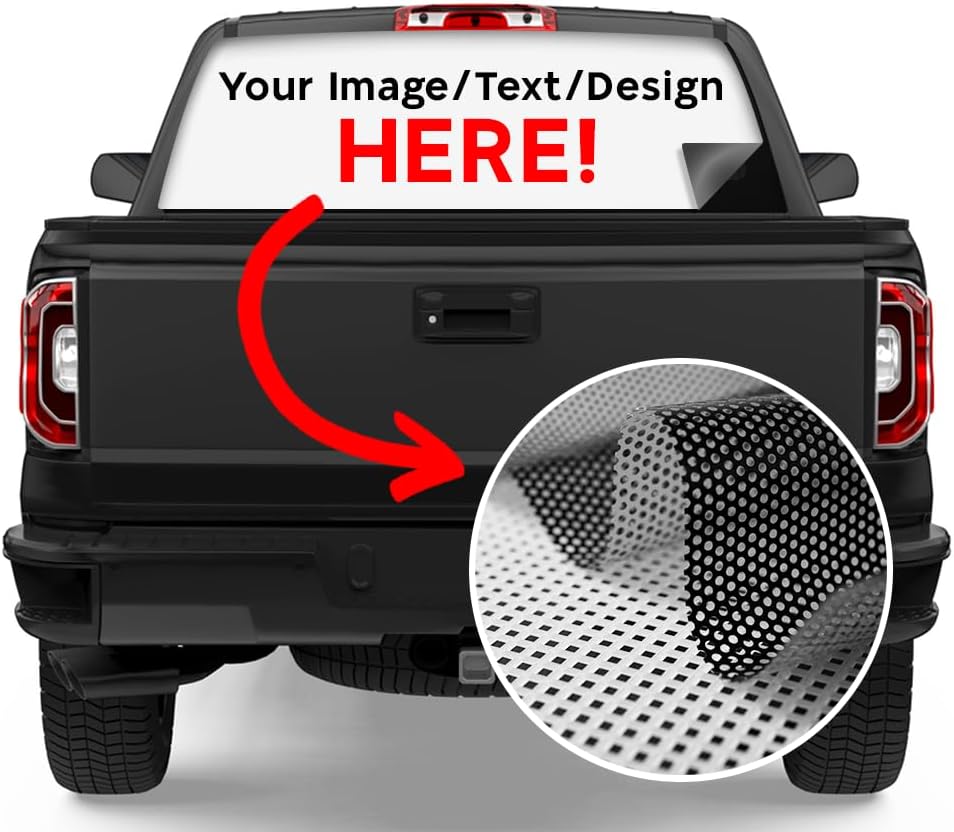
Perforated window decals use thousands of tiny holes so the graphic is visible from outside but doesn’t block the driver’s view from inside — a good option if you want a full-width statement piece instead of a small bumper sticker. VulgrCo’s version is UV-resistant and custom-sized to the vehicle.
Installation takes real care: this isn’t a peel-and-stick job on a curved bumper, it’s a flat glass application that benefits from a second set of hands.
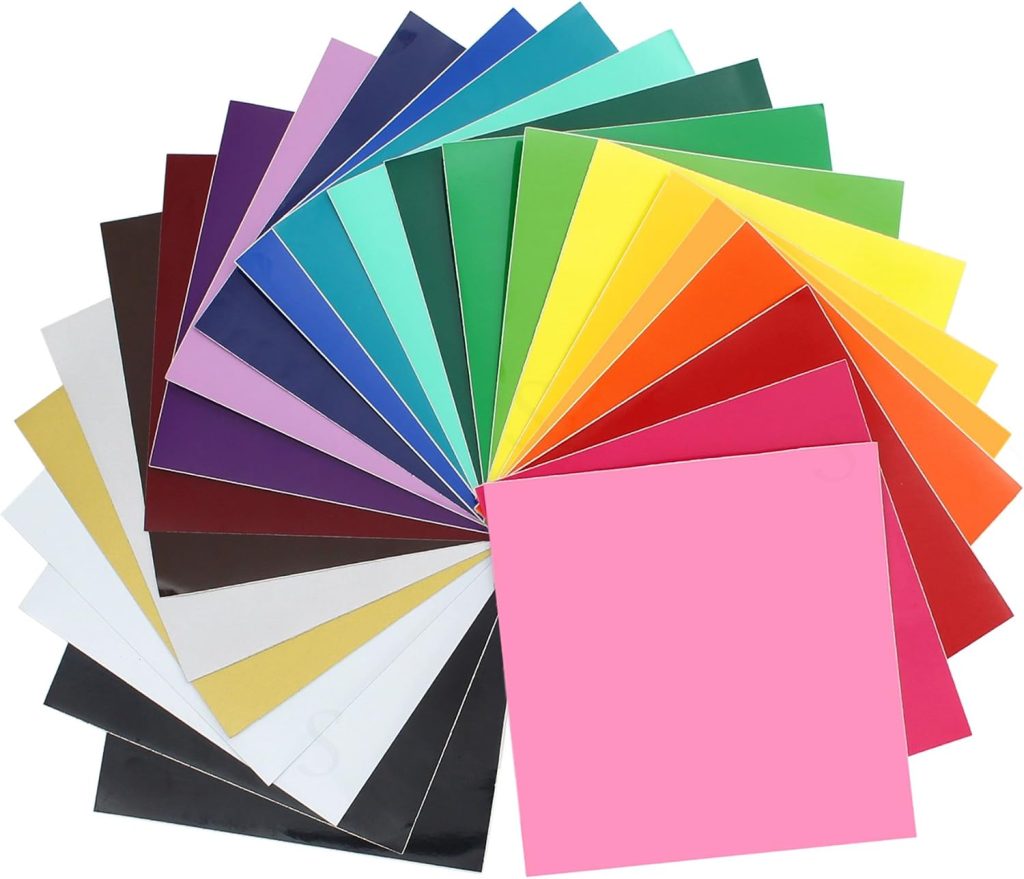
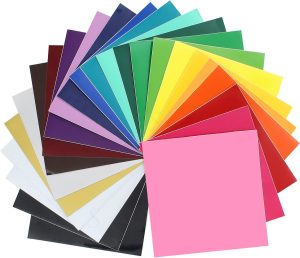
If you own a vinyl cutter (Cricut, Silhouette, or similar) or just want raw material to hand-cut your own design, ORACAL 651 is the industry-standard permanent vinyl. It’s a 2.5-mil calendered PVC film rated for 6+ years of outdoor life and comes in 63 gloss colors plus 18 matte finishes.
We cut a test decal, applied it with standard transfer tape, and it survived a full month of daily driving with no lifting at the edges — the longest-rated material in this entire guide.

For the lowest cost per sticker, CafePress’s 10-packs print on 4-mil vinyl with UV-resistant inks and offer one of the largest novelty design catalogs of any brand we found. The trade-off is thinner material — in our heat test, the adhesive softened slightly more than the laminated options, though it still held.
This isn’t a sticker on its own — it’s a clear laminate film you apply over any decal to add UV and abrasion resistance. We laminated one of our budget stickers with a 3M Scotchcal overlaminate, and it visibly slowed the fading compared to an unlaminated control sticker placed next to it on the same bumper.
3M rates its Scotchcal overlaminates for high conformability along with UV, weathering, and abrasion protection — it’s the single best upgrade you can add to a budget sticker.
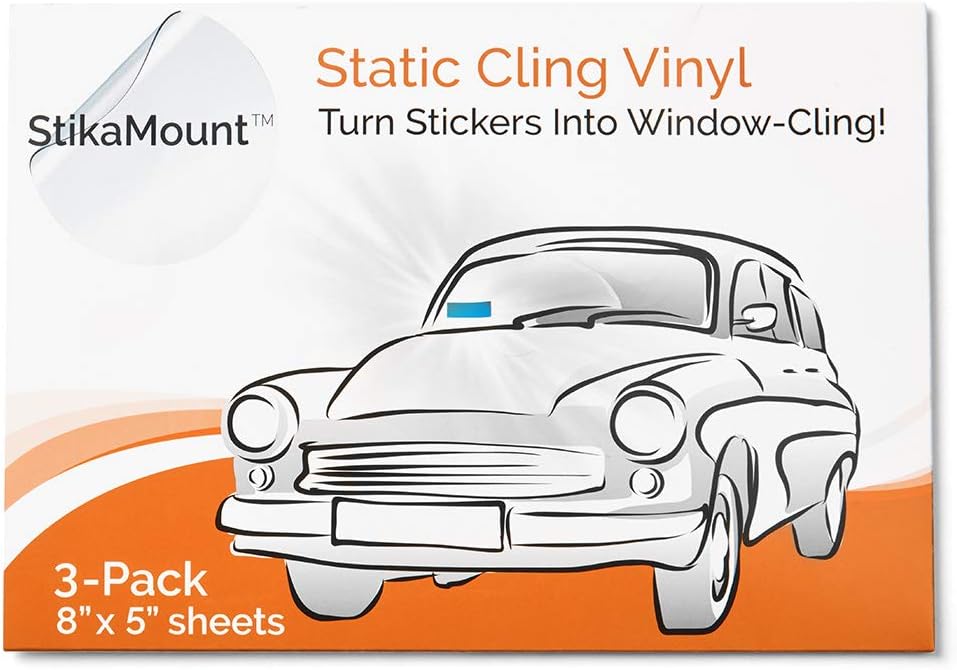
Not every driver wants a permanent decal — political stickers, seasonal designs, or a car you plan to sell all make a case for something removable. StikaMount sheets convert a regular sticker into a static-cling application: no adhesive touches the glass, so it repositions freely and comes off with zero residue.
The right pick depends on how permanent you want it to be and where it's going.
We scored each product across five weighted criteria based on hands-on application, an eight-week outdoor exposure period in San Diego, and a controlled heat/wash cycle.
Laminated vinyl decals like ORACAL 651 are rated for 6+ years of outdoor life, while thinner unlaminated paper-backed stickers often fade or crack within a single season of direct sun exposure.
Not if it's applied to a clean, cured painted surface and removed properly. Damage usually comes from removing a sticker too aggressively (scraping with a metal blade) rather than from the adhesive itself.
Warm the sticker with a hair dryer or heat gun for 30–60 seconds to soften the adhesive, then peel slowly with an old credit card rather than a metal scraper. Wipe any leftover residue with a cloth dampened in rubbing alcohol.
We don't recommend it. Even residue-free adhesives can leave faint outlines or clear-coat discoloration after long-term exposure, which some leasing companies flag at turn-in. A static-cling window decal is the safer choice for a leased vehicle.
Vinyl decals are thicker, more flexible, and hold up to UV and moisture far better than paper-based stickers, which is why every top-scoring product in our test was vinyl-based.
Not directly, but stickers that leave residue or discolor the clear coat can require paint correction before a sale. Choosing a quality laminated vinyl and removing it properly avoids this entirely.
For most drivers, American Vinyl bumper stickers hit the best balance of design variety, laminate durability, and price — our Best Overall pick. If you need your own wording or logo, VulgrCo’s custom bumper stickers performed just as well in our weathering test. And if you’re not ready to commit, StikaMount’s static-cling sheets let you go residue-free with zero downside.
Whatever you choose, clean the surface first, apply slowly from the center out, and stick to laminated vinyl if the sticker is going anywhere it’ll see direct sun.