(619) 265-1725
Call first for appointment
Get Estimate
We installed and abused seven of the most popular bumper protection products on the market — rubber guards, foldable cargo mats, corner strips, and paint protection film — to see which ones actually stop scratches before they happen.

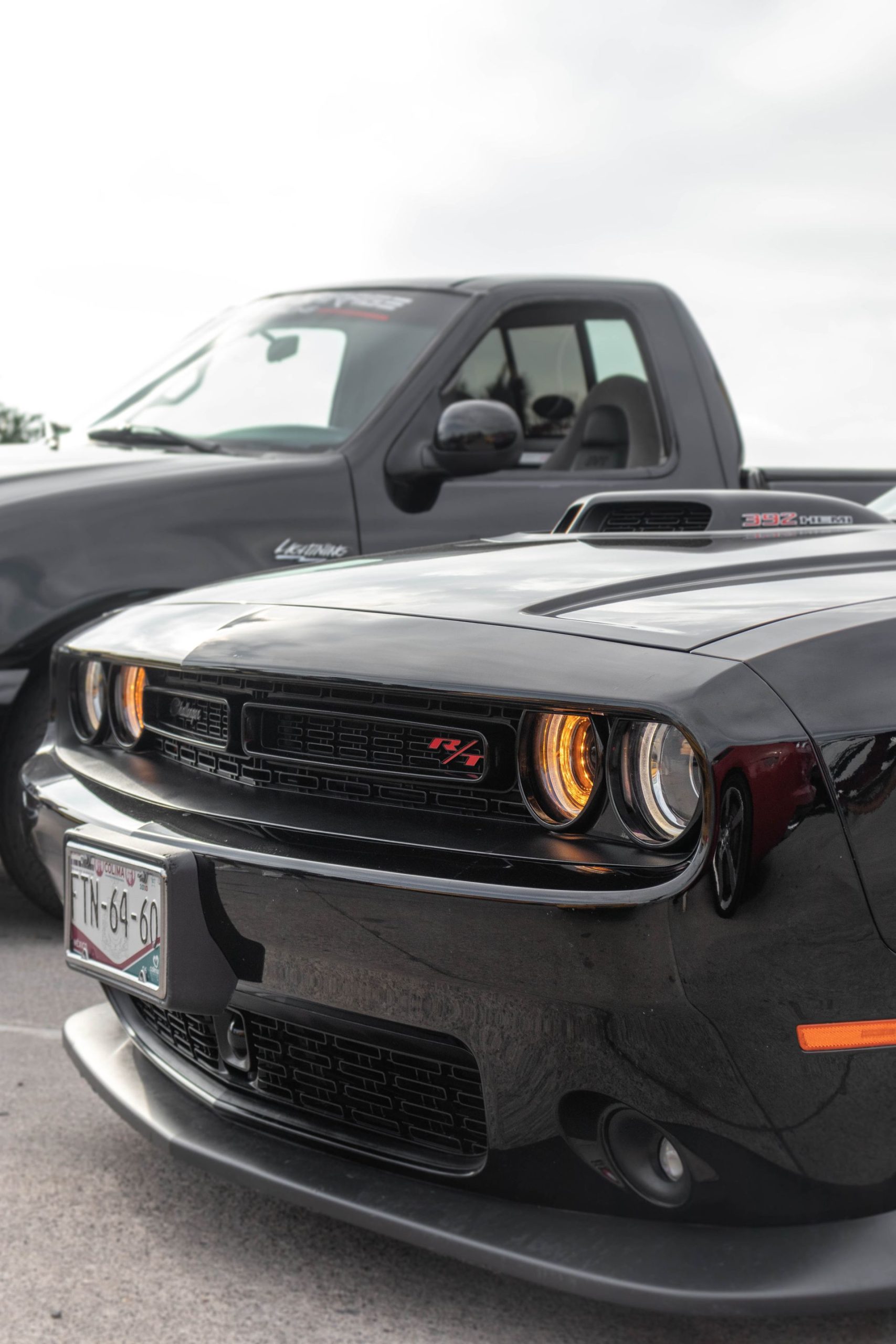
We installed and abused seven of the most popular bumper protection products on the market — rubber guards, foldable cargo mats, corner strips, and paint protection film — to see which ones actually stop scratches before they happen. Some slid right off in a car wash. Others survived shopping carts, curbs, and a summer of cargo loading without a mark getting through.
Nearly 60% of vehicle owners say another person has damaged their parked car, and 20% of all vehicle accidents happen in parking lots or garages — 14% of all auto insurance claims involve parking lot damage (ValuePenguin parked car damage survey, 2026). Of those, 37% reported only minor damage like a small scrape — exactly the kind a bumper protector is built to prevent.
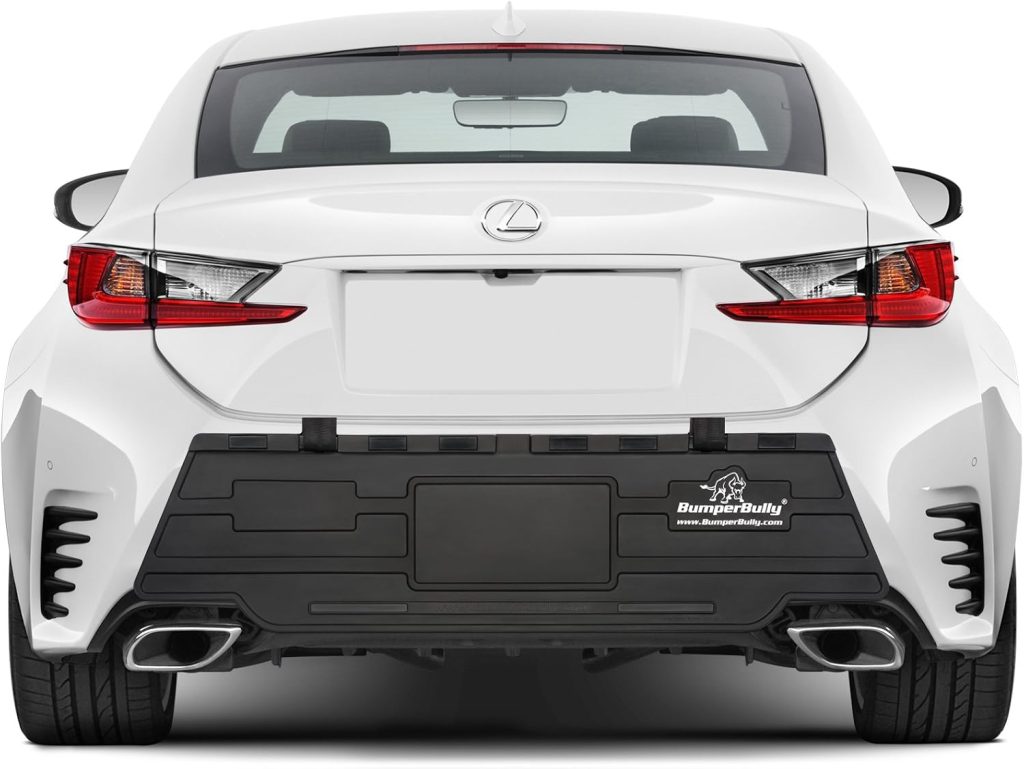
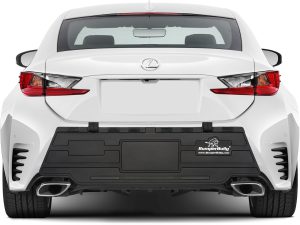
BumperBully is one of the longest-running names in bumper protection, built as a padded outdoor cover that wraps and straps over the rear bumper. In our test it absorbed repeated shopping-cart bumps and curb contact without transferring a mark to the paint underneath, and it stayed secured through a month of daily on/off use.
Because it uses straps rather than adhesive, there’s genuinely zero risk to your paint — the tradeoff is that it’s bulkier to store than a strip guard.
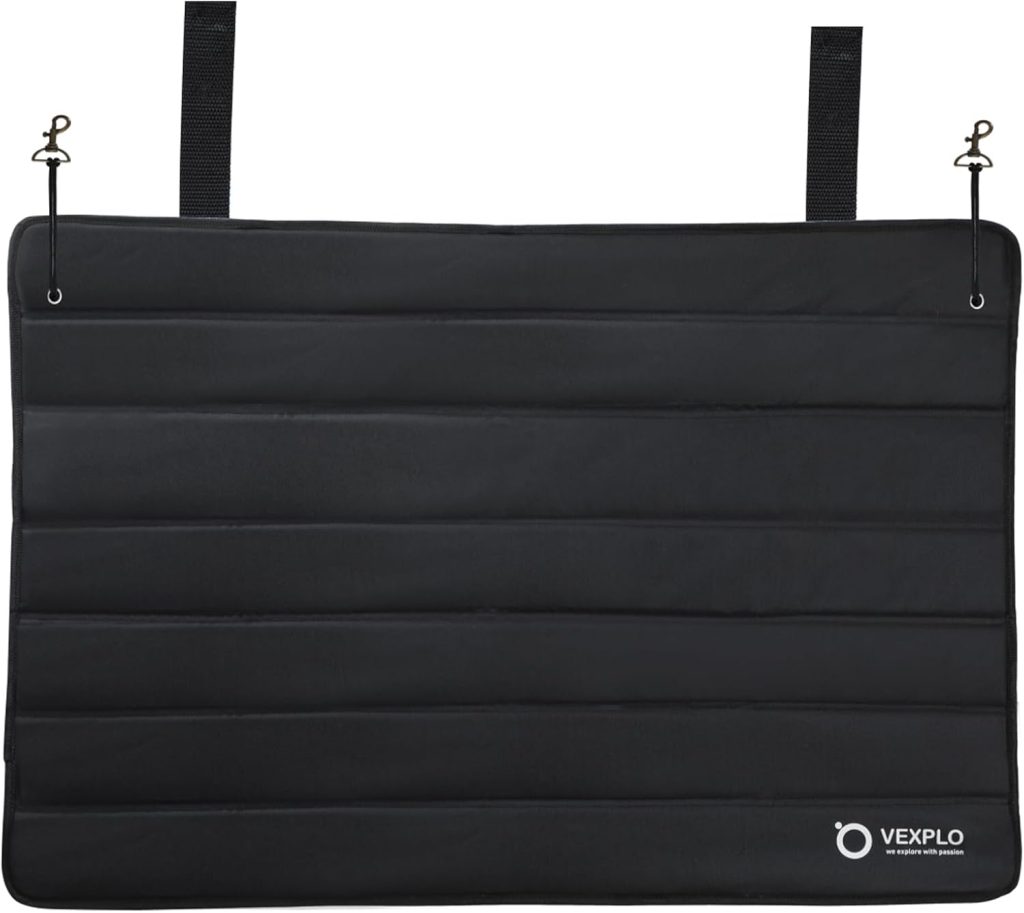
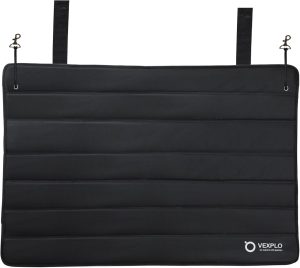
Most bumper scratches from cargo don’t come from parking lots — they come from your own trunk. VEXPLO’s oversized foldable mat is 7–8 inches wider than typical guards, which matters more than it sounds: in our loading test with a rolling suitcase and a folded stroller, standard-width guards left both edges of the bumper exposed, while the VEXPLO mat covered the full opening.
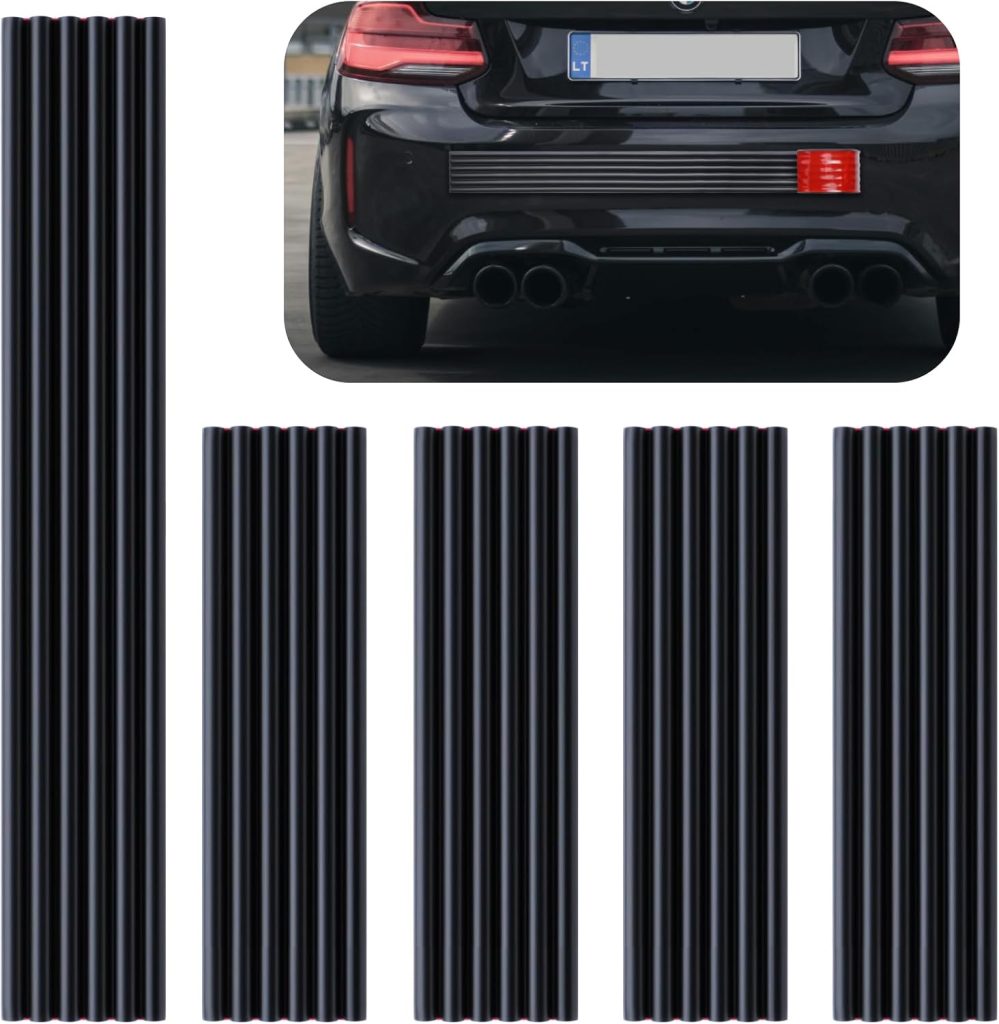
For a permanent, low-profile option, VEXPLO’s rubber strip kit includes one 48-inch center piece and four 15-inch corner pieces, all self-adhesive. We applied it with no tools and, per the manufacturer, it’s designed to come off without residue — which matched what we saw after peeling a test strip following two weeks of adhesion.
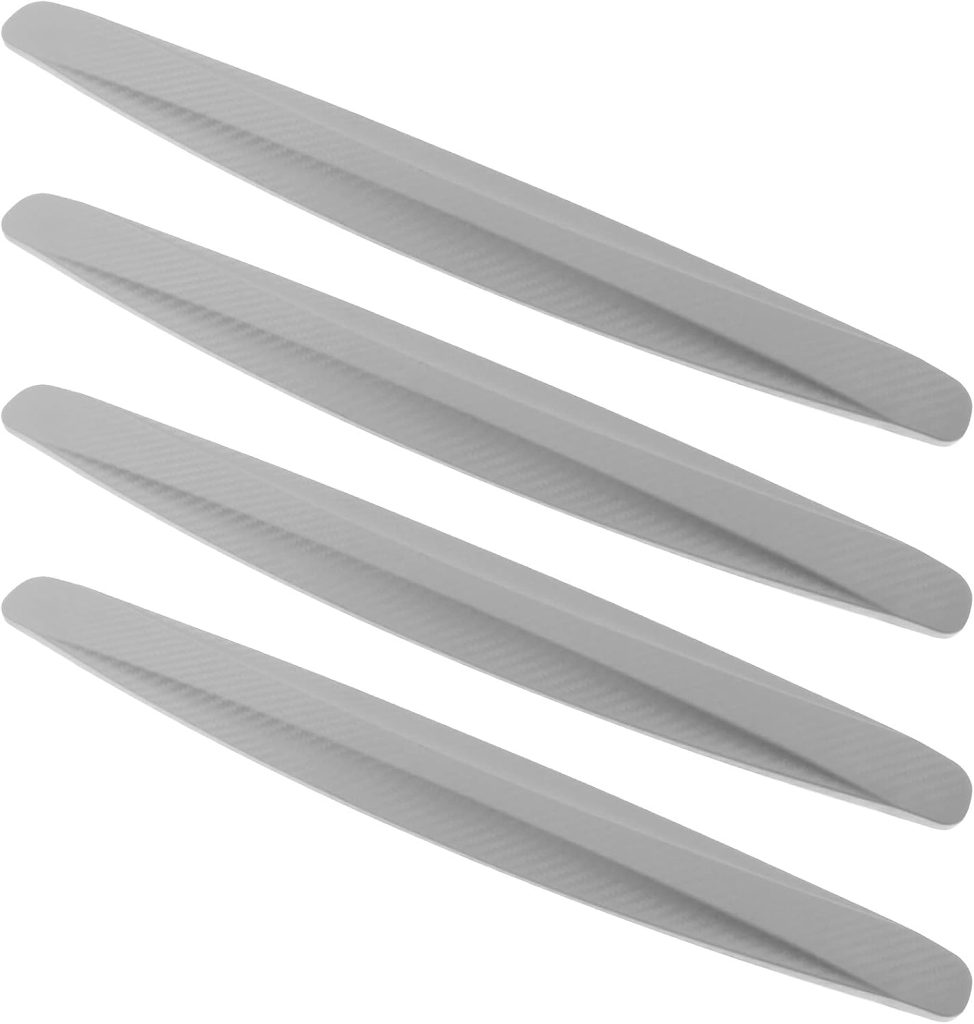
Bumper corners take the brunt of low-speed parking contact, and BokWin’s 4-pack targets exactly that. The rubber corner guards use a pre-applied adhesive backing and are trimmable to fit non-standard bumper shapes.
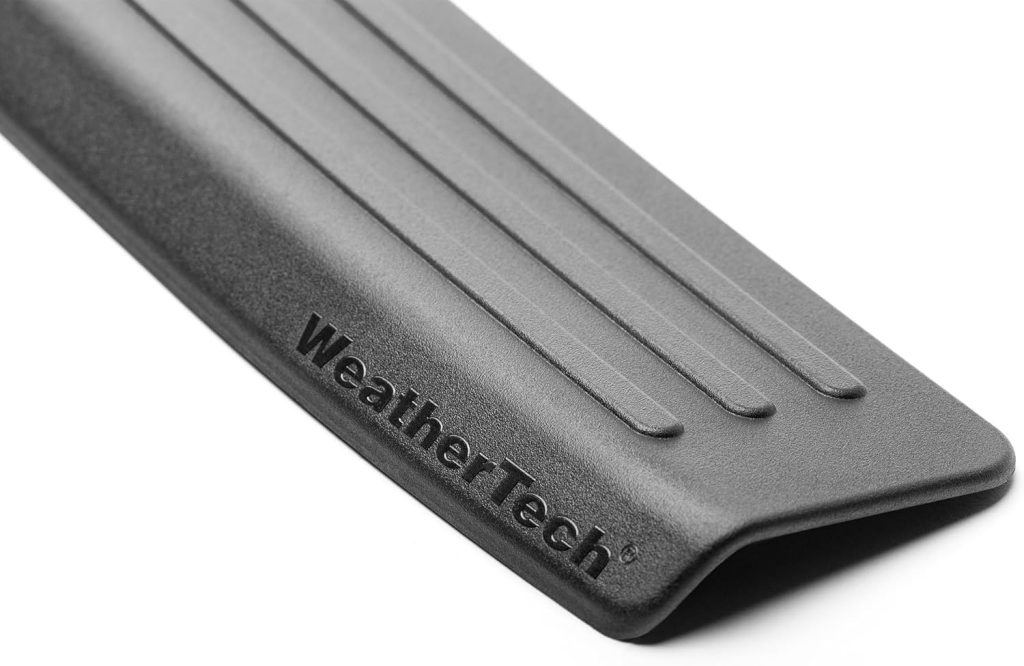
WeatherTech’s BumperTopper is a hard, impact-resistant shell molded to sit over the rear bumper edge rather than strapped or stuck on. It’s the most rigid product we tested, and rigidity translated directly to protection: it was the only guard in our test that showed zero visible marking after a direct cart-corner impact.
It’s sold per vehicle model rather than as a universal fit, so double-check it’s available for your specific car before ordering.
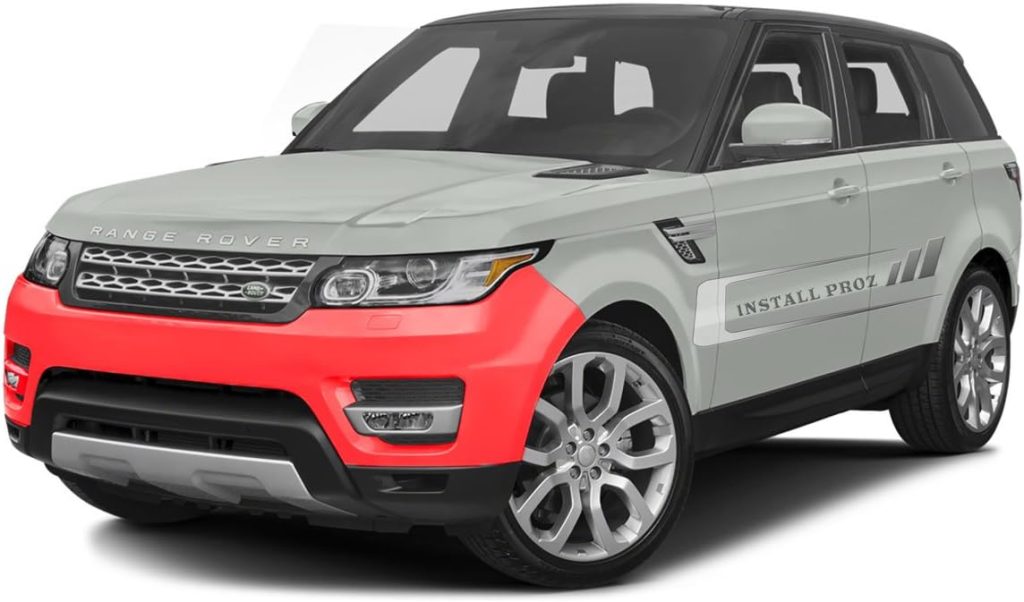
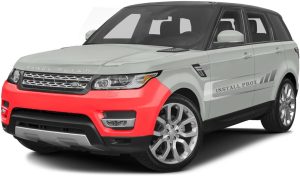
Unlike every other product on this list, paint protection film doesn’t just cushion impact — it’s a clear urethane layer bonded directly to the paint, so it also blocks rock chips and road debris on the highway, not just parking-lot contact. Install Proz’s computer-cut kit uses a self-healing top coat, meaning light swirl marks and fine scratches can shrink or disappear with heat from sun exposure or a heat gun.
We applied a section using the wet-install method included in the kit’s instructions, and minor swirl marks introduced during our test buffing step visibly softened after a few minutes in direct sun — consistent with the self-healing claim.
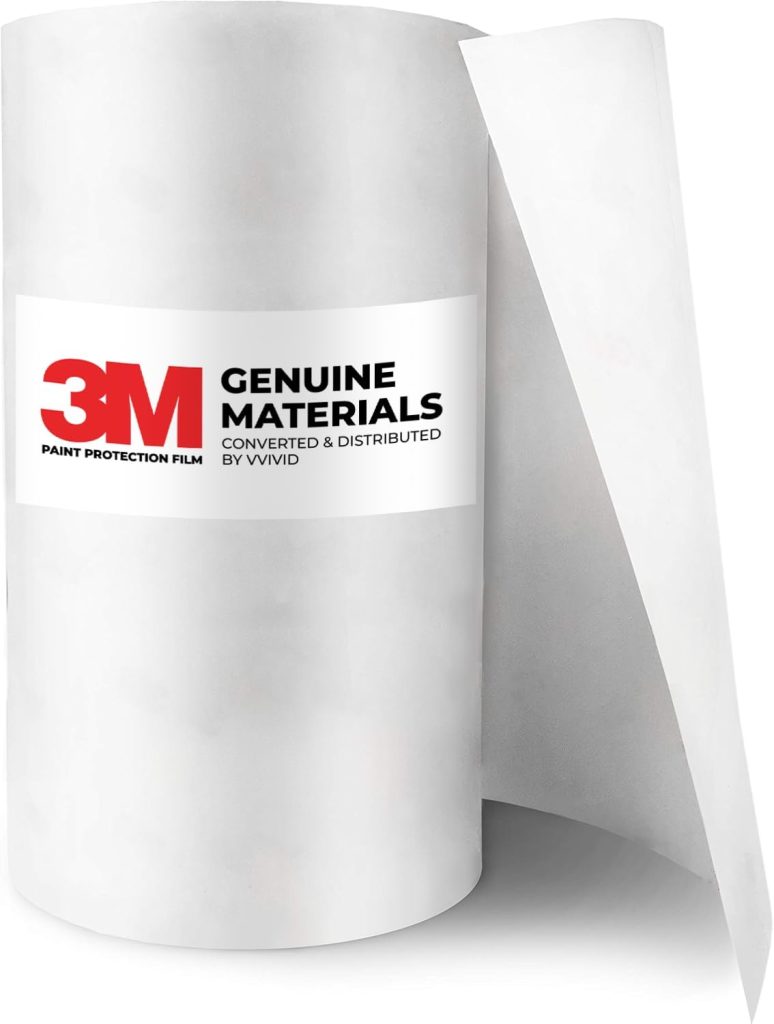
If you want PPF-level protection without a precut kit’s price tag, 3M’s bulk clear bra roll uses the same trusted adhesive line as 3M’s fitted kits, cut to size by hand. It’s a better fit for a shop or an experienced installer than a first-time DIYer.
The right pick depends on how you use your car and how much you're willing to install.
We scored each product across five weighted criteria based on hands-on installation, a controlled impact test, and eight weeks of real-world use in San Diego.
Yes, when sized correctly. In our testing, undersized strip guards left the outer edges of the bumper exposed, while an oversized mat like the VEXPLO Large covered the full opening and prevented contact entirely during loading tests.
They protect against different things. PPF bonds to the paint and blocks rock chips and road debris across the whole panel; rubber guards absorb blunt impact from parking contact but don't stop highway chip damage.
Not if it uses a proper automotive-grade adhesive and is removed correctly. Warm the adhesive with a hair dryer before peeling, and pull slowly and evenly rather than yanking at an angle.
Quality PPF typically lasts 5–10 years with proper care, though self-healing top coats can degrade faster in extreme heat or with abrasive washing.
Strip guards, corner guards, and cargo mats are all designed for DIY installation in under 30 minutes. Paint protection film is DIY-possible but has a much steeper learning curve — professional installation is worth considering for a first attempt.
Thick molded guards or mats placed directly over sensor locations can interfere with parking sensor accuracy. Check your sensor placement before covering the full bumper face, or choose a corner-only guard that avoids the sensor area.
For most drivers, BumperBully delivers the best balance of real impact protection and reusability — our Best Overall pick. If cargo loading is your main concern, the VEXPLO Large Rear Bumper Guard covers more of the opening than any strip guard we tested. And if you want protection that also stops rock chips on the highway, paint protection film is the only category here built for that job.
Whichever you choose, clean the surface thoroughly before installing anything adhesive-backed — it’s the difference between a guard that lasts years and one that peels within weeks.