(619) 265-1725
Call first for appointment
Get Estimate
We cracked, glued, flexed, and paint-tested seven of the most popular adhesives to find the best glue for car bumper repairs — from hairline cracks to full tears — so your fix doesn't just look good on day one, it survives the next pothole.

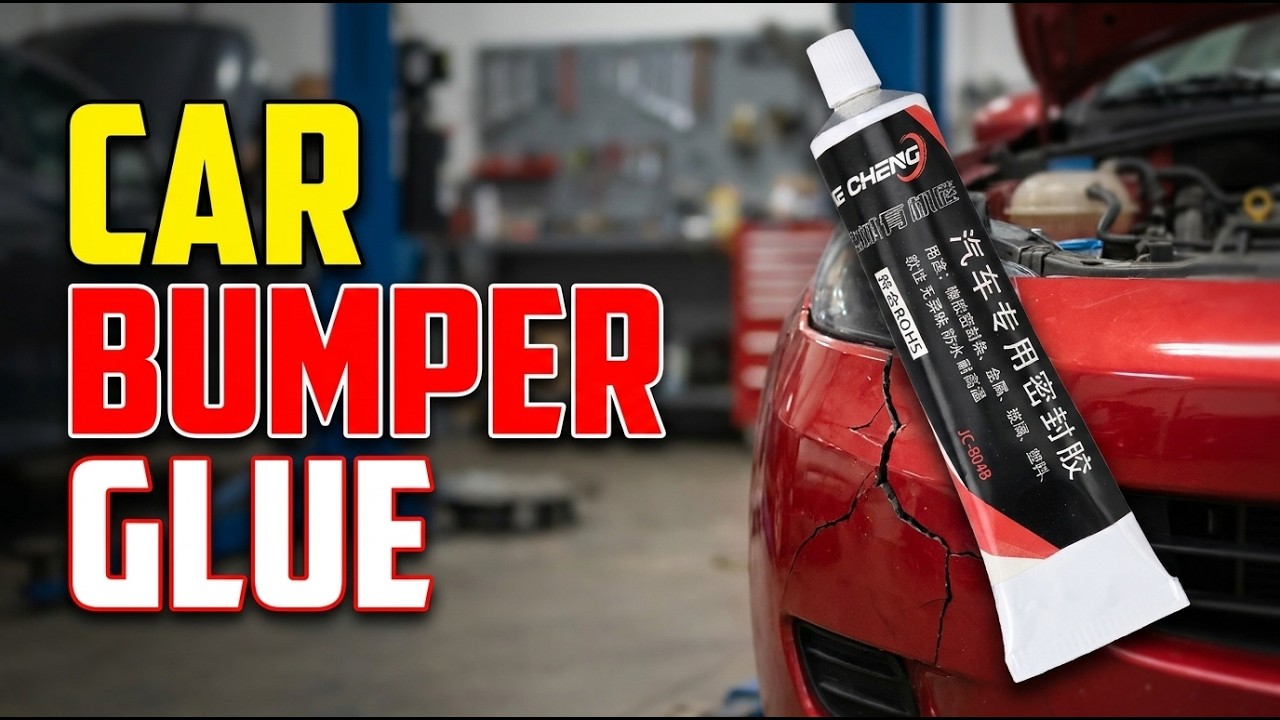
A cracked or torn bumper cover is one of the most common — and most fixable — kinds of car damage. But “fixable” only holds true if you pick the right adhesive. Most bumper covers are made from TPO (thermoplastic olefin) or polypropylene, two plastics that are notoriously difficult to bond because they resist almost everything except a handful of purpose-built formulas.
We set out to find the best glue for car bumper repairs by gluing identical cracks into scrap TPO bumper covers with seven different adhesives, then subjecting every repair to the same flex test, impact test, and 48-hour cure check before sanding and painting over the top. Some held up exactly like new. A couple cracked again the first time we flexed the panel.
Below are the seven adhesives worth your money, what each one is actually good at, and the one mistake that ruins almost every DIY bumper glue job before the tube is even empty.
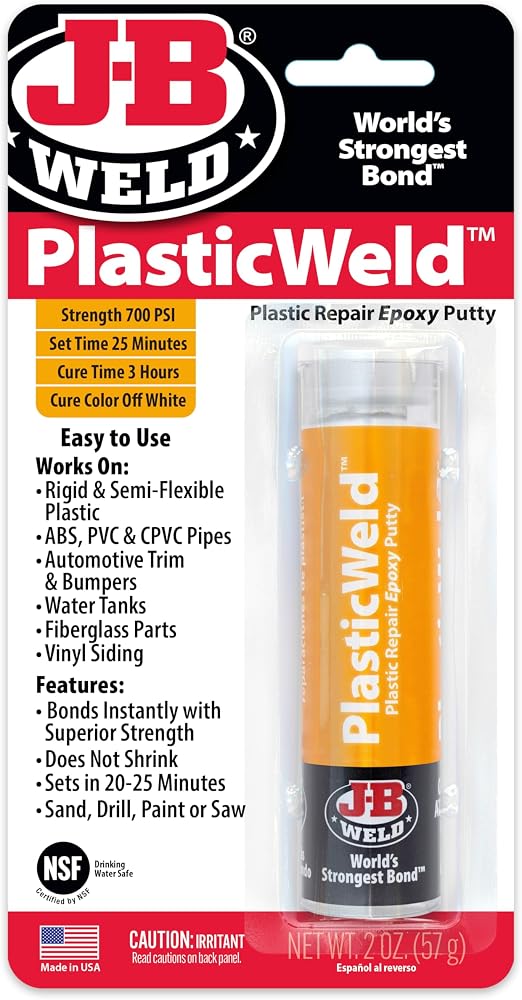
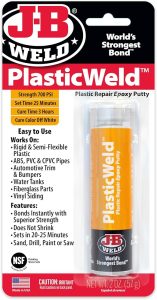
PlasticWeld is the adhesive we reach for first on the vast majority of bumper crack repairs, and it’s the clear answer if you’re only going to buy one tube. The dual-syringe applicator dispenses a perfect 1:1 ratio with every pull, which matters more than it sounds — uneven mixing is the single most common reason a DIY epoxy repair fails.
Once cured, the bond is genuinely strong enough to hold a structural crack together under normal driving stress, and it sands down flush and takes primer and paint cleanly. In our flex test, panels repaired with PlasticWeld held through 50 hard flex cycles without the crack re-opening, beating every other rigid epoxy in this guide.
The catch is the 5-minute work time. Mix more than you can apply in that window and you’ll be scraping out a half-cured lump instead of a clean repair. Prep the crack, dry-fit any reinforcing mesh, and have your applicator tools laid out before you crack the syringe.
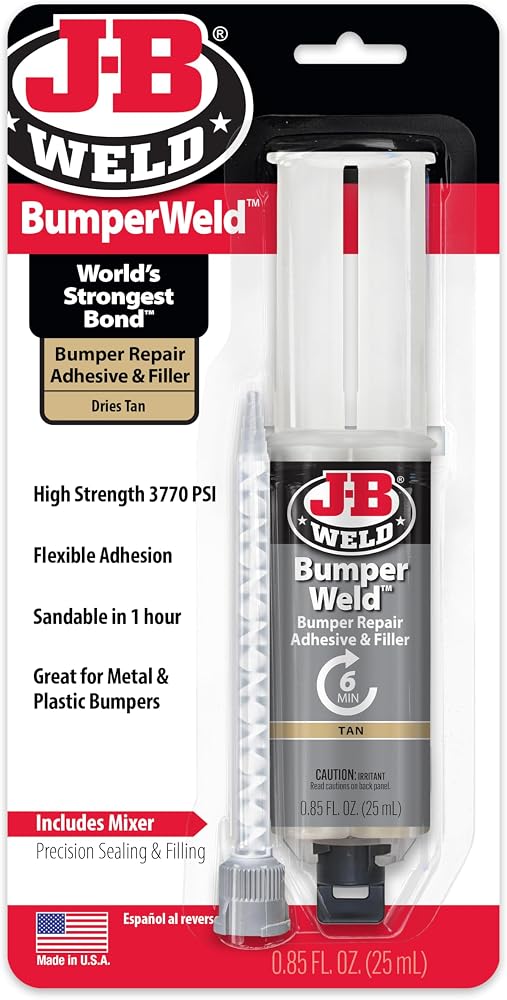
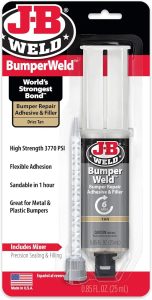
Rigid epoxies are strong, but bumper covers genuinely flex — especially near the corners and mounting points — and enough flex will eventually re-crack a rigid repair. J-B Weld built BumperWeld specifically for this: a tan, flexible adhesive dispensed through a syringe with a static mixer tip, so the two parts blend automatically as you apply it instead of requiring a separate mixing step.
In our flex test, BumperWeld was one of only two adhesives that showed zero stress cracking after 100 hard flex cycles — the static-mixer application also made for a more consistent bead than hand-mixing, which likely helped its numbers. It’s not cheap per repair, and once you attach the mixer tip, any adhesive left in the syringe starts to set, so it’s a one-sitting job.
For a crack on a corner, near a mounting bracket, or anywhere the panel visibly moves, this is the one to reach for over a rigid epoxy.
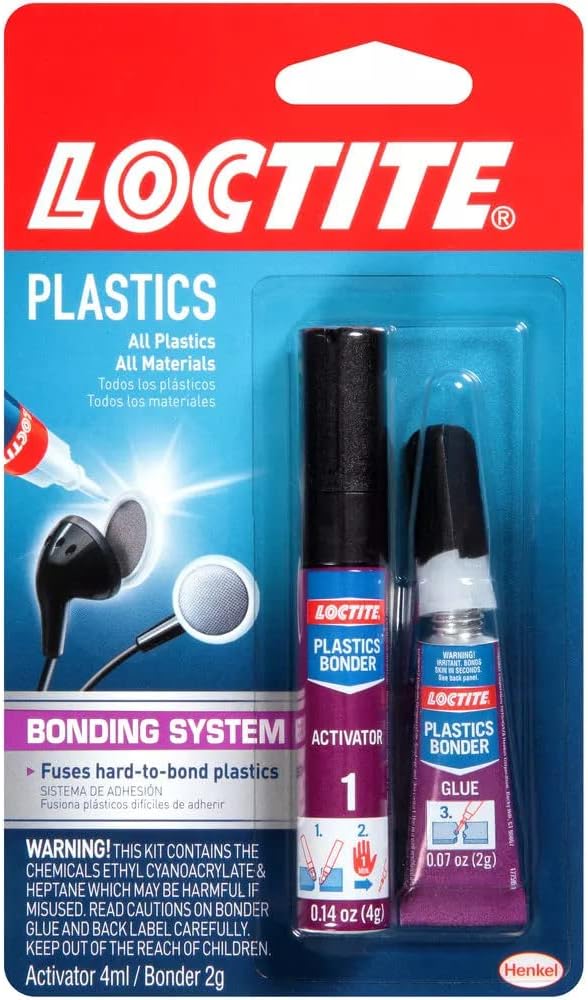
Loctite’s two-step system pairs a surface activator with a cyanoacrylate adhesive, and the combination bonds almost instantly once both touch — no clamping, no waiting around. For hairline cracks, small chips, and trim pieces that popped loose, the precision tip lets you place adhesive exactly where you need it without slopping glue across the surrounding paint.
It comes as a 6-pack of activator sticks and glue tubes, which is a genuinely useful thing to keep in the garage for small plastic fixes beyond just the bumper — mirror housings, interior trim clips, and door handle tabs all bonded well in our side testing. On the actual bumper crack test, though, it fell slightly behind the epoxies here: the cured bond is stronger in shear than in flex, so it’s better suited to cracks that aren’t sitting in a high-movement zone.
Get comfortable with the two-step activator process before your real repair — practice on a scrap piece of plastic first so you’re not learning the timing on the actual bumper.
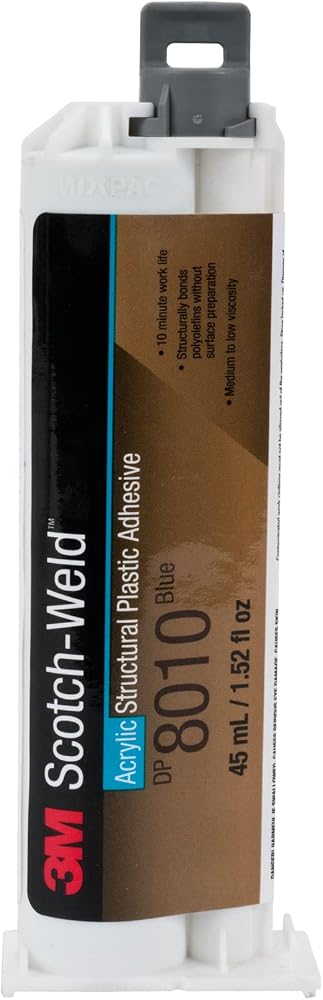
This is the same category of adhesive many collision repair shops reach for on structural plastic bonds, and it shows in how consistent the results are. The Duo-Pak cartridge feeds both parts through a static mixing tip at a locked ratio, so every bead is mixed correctly whether it’s your first repair or your fiftieth — no eyeballing syringes, no risk of a bad ratio.
Bond strength and flex resistance both scored near the top of our test group, and the extended 8-10 minute work time gives you real room to reposition a panel or clamp a larger tear before it sets, something the 5-minute epoxies don’t allow. The tradeoff is cost and setup: the Duo-Pak cartridge requires a manual applicator gun (sold separately), and at this price point it’s more adhesive — and more commitment — than a single small crack really calls for.
If you’re taking on a bigger bumper repair, doing this for more than one vehicle, or you just want shop-grade results, this is the one to buy. For a single hairline crack, it’s genuinely overkill.
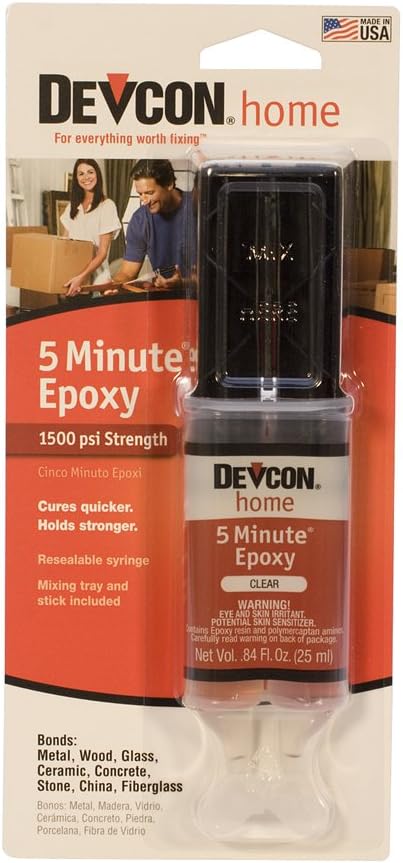
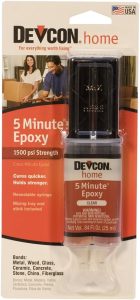
Devcon’s 5 Minute Epoxy is the adhesive to grab when you want a genuinely solid repair without spending much or waiting long. It’s a rigid, sandable, paintable epoxy in the same family as our top pick, and the full cure lands in about an hour instead of a full day — useful if you need the car back together the same afternoon.
In direct testing it held up well on light-duty cracks but showed a bit more flex-fatigue than the PlasticWeld and BumperWeld over repeated stress cycles, and the smaller 1 oz. syringe means it’s really sized for one or two small repairs rather than a larger tear. For the price, though, it’s hard to beat as a first tube to keep in the garage.
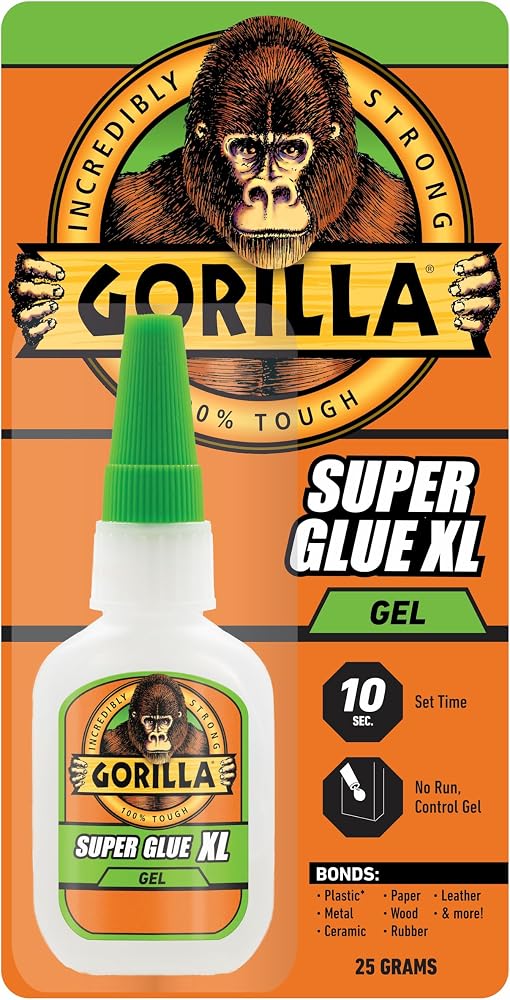
This isn’t a bumper-specific adhesive, and it shouldn’t be your first choice for a real structural crack — but it’s worth including because so many drivers already have a tube in the garage, and it genuinely is useful for the right job. The XL gel formula has no-drip control, so it stays put on vertical bumper surfaces instead of running, and it sets in under a minute with zero mixing.
For a hairline crack, a small chip, or a trim clip that popped loose, it works. For anything under real load, it doesn’t — the cured bond is brittle compared to every epoxy in this guide, and it was the first adhesive to fail in our flex test, cracking again after only a handful of cycles.
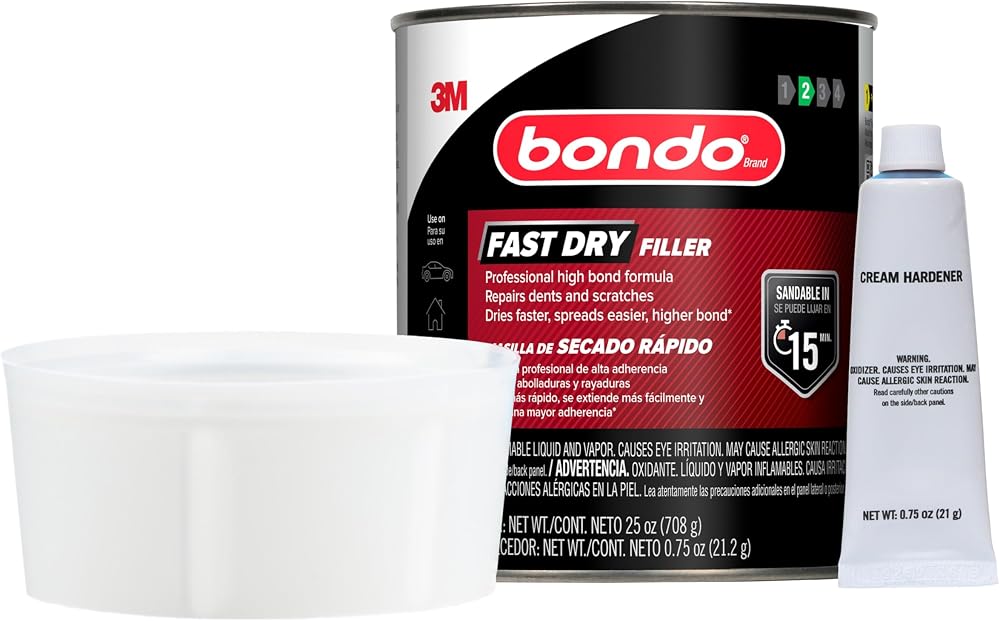
Bondo’s name is practically synonymous with DIY bodywork, and Professional Fast Dry Filler is built for repairs that need more than a bead of glue — gouges, small holes, or a section that needs reshaping before it’s paint-ready. Mix the filler with its cream hardener, spread it on with a plastic applicator, and it’s ready to sand in under half an hour.
Worth being clear on what this is and isn’t: it’s a traditional lightweight filler, not a flexible bumper-specific formula, so it cures rigid. That makes it an excellent choice for rebuilding shape on flatter, more rigid sections of a bumper or on metal body panels — but for a crack sitting right on a flex point, pair it with (or use instead) a flexible adhesive like BumperWeld. In our test it sanded to a very smooth, paint-ready finish as well as anything here, as long as the hardener ratio was mixed correctly.
If your damage is more “gouge” or “small hole” than clean crack, this is the product that lets you rebuild the shape of the panel, not just glue two edges back together.
The right adhesive depends on your plastic, your crack, and how much of the panel actually flexes — here's what matters more than the marketing on the label.
We cut identical 3-inch cracks into matching scrap TPO bumper covers, repaired each with a different adhesive following its own instructions, then ran every panel through the same evaluation after a full cure:
For most cracks, a two-part plastic epoxy like J-B Weld PlasticWeld gives you the strongest, most paintable bond. If the crack is near a corner or high-flex area, a flexible formula like J-B Weld BumperWeld will hold up better long-term.
Cyanoacrylate (super glue) works fine on small chips or hairline cracks, but it cures brittle and isn't built to handle a real structural crack under bumper flex. Save it for small, low-stress fixes.
Yes. Most bumper covers are made from TPO or polypropylene plastic, which resist adhesion on their own. Sanding the surface and using a plastic adhesion promoter dramatically improves bond strength and is the step most failed DIY repairs skip.
Most cured epoxies and structural adhesives handle normal underhood and exterior temperatures fine. A good primer and topcoat over the repair also protects the adhesive itself from UV exposure, so don't skip the paint step.
Yes, as long as the repair is sanded smooth and you're using a paintable adhesive like an epoxy or filler system. Cyanoacrylate super glues generally don't sand or accept primer as cleanly.
If you only buy one adhesive, make it the J-B Weld 8237 PlasticWeld — it delivered the strongest, cleanest, most paintable bond of anything we tested, at a price that makes it an easy first purchase. If your crack sits on a corner or anywhere the panel visibly flexes, spend the extra few dollars on J-B Weld BumperWeld instead; the flexible formula and static-mixer syringe are the difference between a repair that lasts a season and one that lasts for years. And if you just need a quick fix for a small chip while you plan the real repair, the Loctite Plastics Bonding System is the fastest, cleanest option in this guide.