
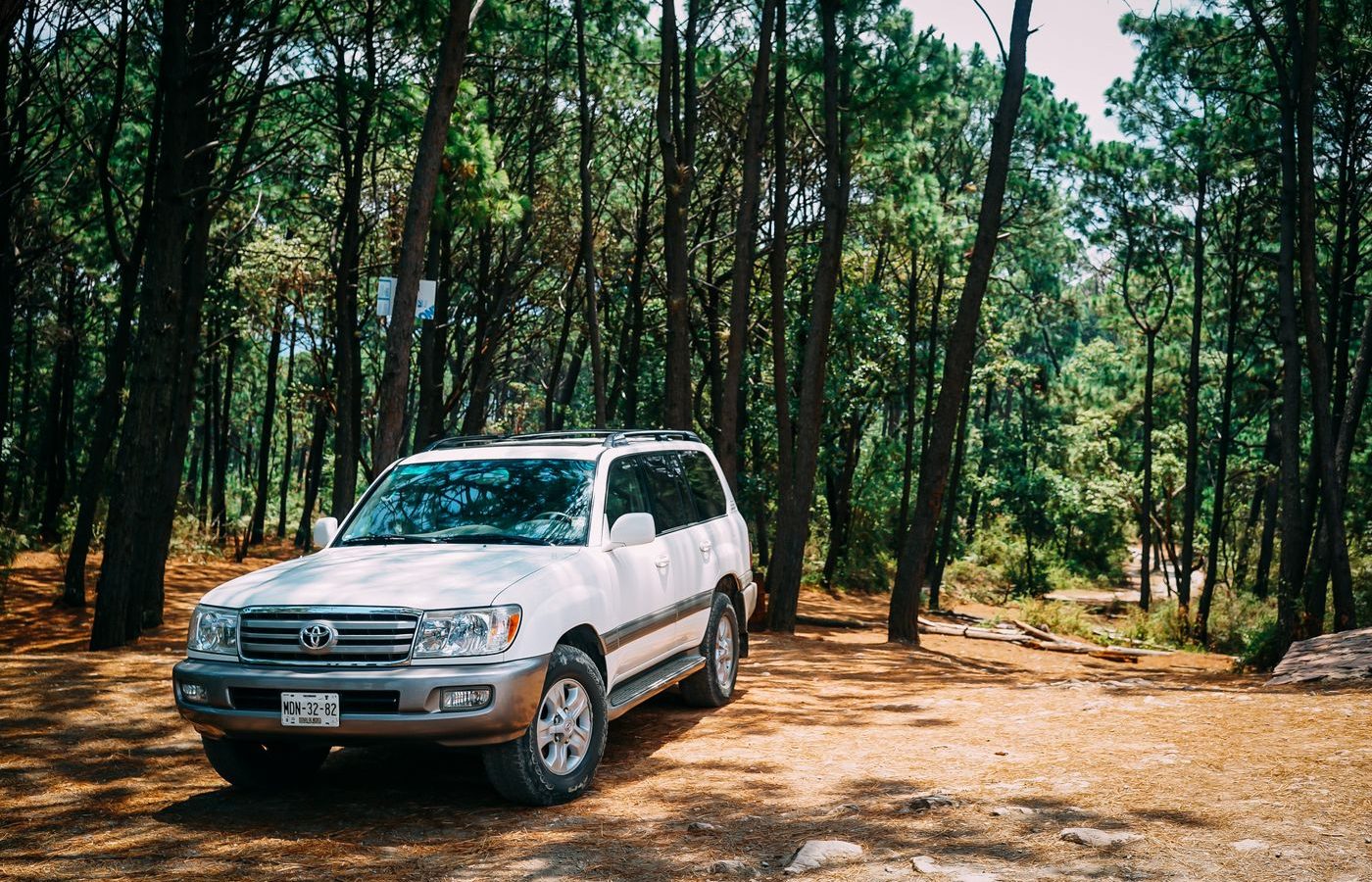
The Toyota Highlander and 4Runner both wear a Toyota badge and both seat a family, but they’re built on fundamentally different architectures. The Highlander is a unibody crossover built for pavement, three rows, and fuel economy. The 4Runner is a body-on-frame SUV built for trails, towing, and durability.
If your driving is school runs, freeway commutes, and the occasional road trip, the Highlander is the better tool. If it includes dirt roads, boat ramps, or a trailer, the 4Runner earns its trade-offs.
Key Takeaways
- Highlander: unibody crossover, seats up to 8, tows 5,000 lbs (gas) and 3,500 lbs (hybrid), 2.4L turbo making 265 hp.
- 4Runner: body-on-frame SUV, 278 hp turbo or 326 hp i-FORCE MAX hybrid, tows 6,000 lbs.
- The hybrid 4Runner is five-passenger only — the optional third row is available on gas SR5 and Limited trims.
- 2026 starting MSRPs: $42,070 for the 4Runner SR5 and $46,270 for the Highlander LE, both before a $1,495 destination charge.
Highlander vs. 4Runner: Specs at a Glance
| Toyota Highlander | Toyota 4Runner | |
|---|---|---|
| Construction | Unibody crossover | Body-on-frame SUV |
| Base engine | 2.4L turbo I4, 265 hp / 310 lb-ft | 2.4L turbo I4, 278 hp / 317 lb-ft |
| Hybrid option | 2.5L hybrid, 243 hp combined | i-FORCE MAX, 326 hp / 465 lb-ft |
| Max towing | 5,000 lbs (gas), 3,500 lbs (hybrid) | 6,000 lbs |
| Seating | Up to 8 | 5 standard, 7 available on gas SR5/Limited |
| Combined MPG | ~24 (gas), ~35 (hybrid) | ~22 (RWD 2.4L turbo) |
| Starting MSRP (2026) | $46,270 (LE) | $42,070 (SR5) |
Figures compiled from Toyota specifications (Toyota 4Runner, Toyota Highlander). MSRPs exclude the $1,495 destination charge. Fuel economy varies by drivetrain — 4Runner 4WD lands closer to 21 combined, and the i-FORCE MAX hybrid near 23. Trim and equipment change all of these numbers, so confirm against the specific configuration you’re shopping.
What Does Unibody vs. Body-on-Frame Actually Mean?
This is the single decision that drives everything else, and most buyers never have it explained.
A unibody vehicle — the Highlander — integrates the frame and body into one welded structure, the same way a sedan is built. It’s lighter, rides better, handles more predictably, and packages interior space more efficiently. It’s also more fuel-efficient because there’s less mass to move.
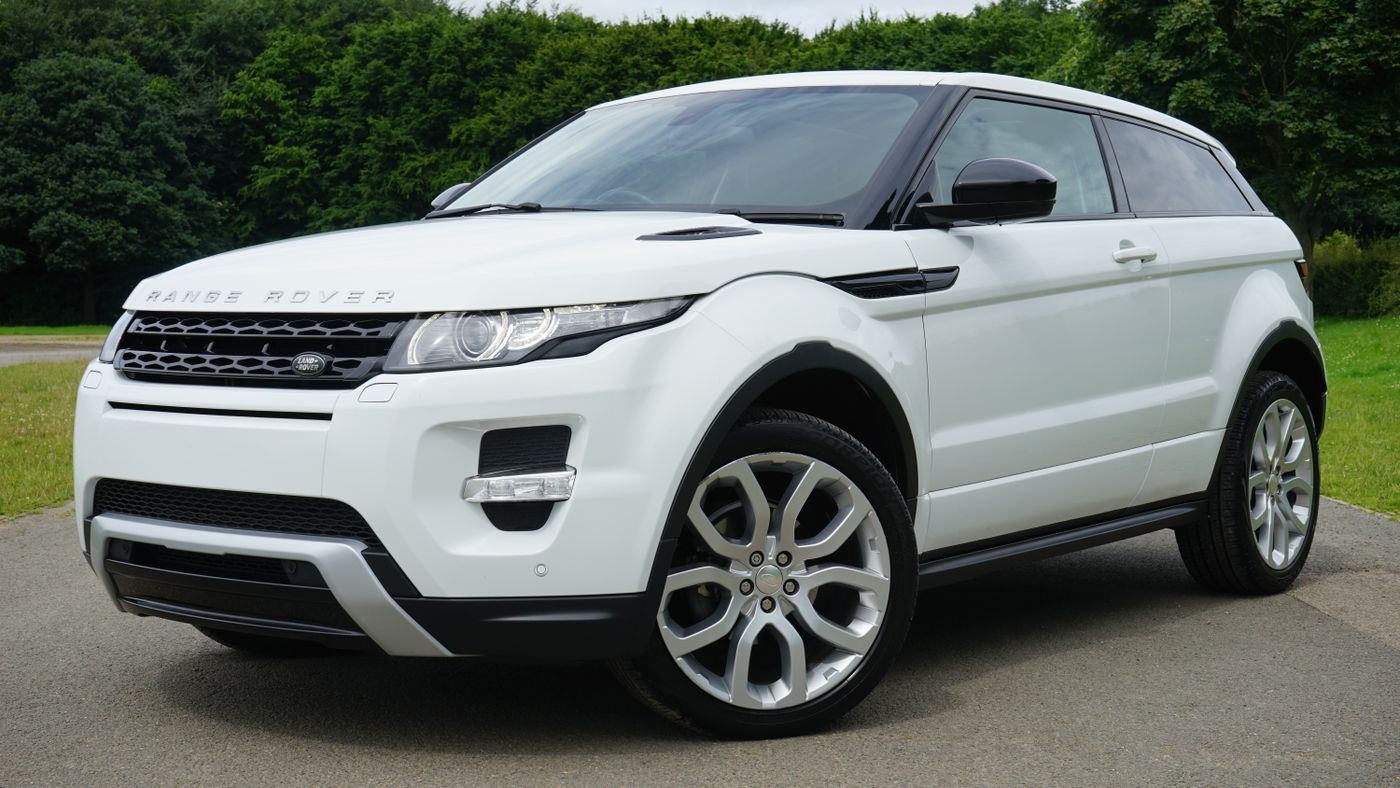
A body-on-frame vehicle — the 4Runner — bolts a separate body onto a ladder frame, the way a pickup is built. That frame handles twisting loads better, tolerates trail abuse, and carries higher tow ratings. The trade-off is weight, a higher center of gravity, and a ride that reminds you it’s a truck.
For a collision repair shop, this distinction matters in a way the brochures don’t mention: the two structures damage and repair differently. Unibody damage propagates through the structure, so a significant impact can pull dimensions out of spec in places well away from the visible dent, and repair means measuring and pulling the structure back to factory tolerances. Body-on-frame damage is often more localized — but a bent frame rail is a serious repair, and frames aren’t something you straighten by eye.
Which One Should You Buy?
Buy the Highlander if: you regularly carry six or more people, you want a third row that adults can tolerate, your annual mileage is high enough that fuel economy matters, or you value a quiet, car-like ride. The hybrid’s roughly 35 combined MPG is a genuine differentiator in a three-row vehicle.
Buy the 4Runner if: you tow anything approaching 6,000 lbs, you drive unpaved roads regularly, you want serious off-road hardware, or you plan to keep the vehicle for a very long time and value the simplicity of a truck-based platform.
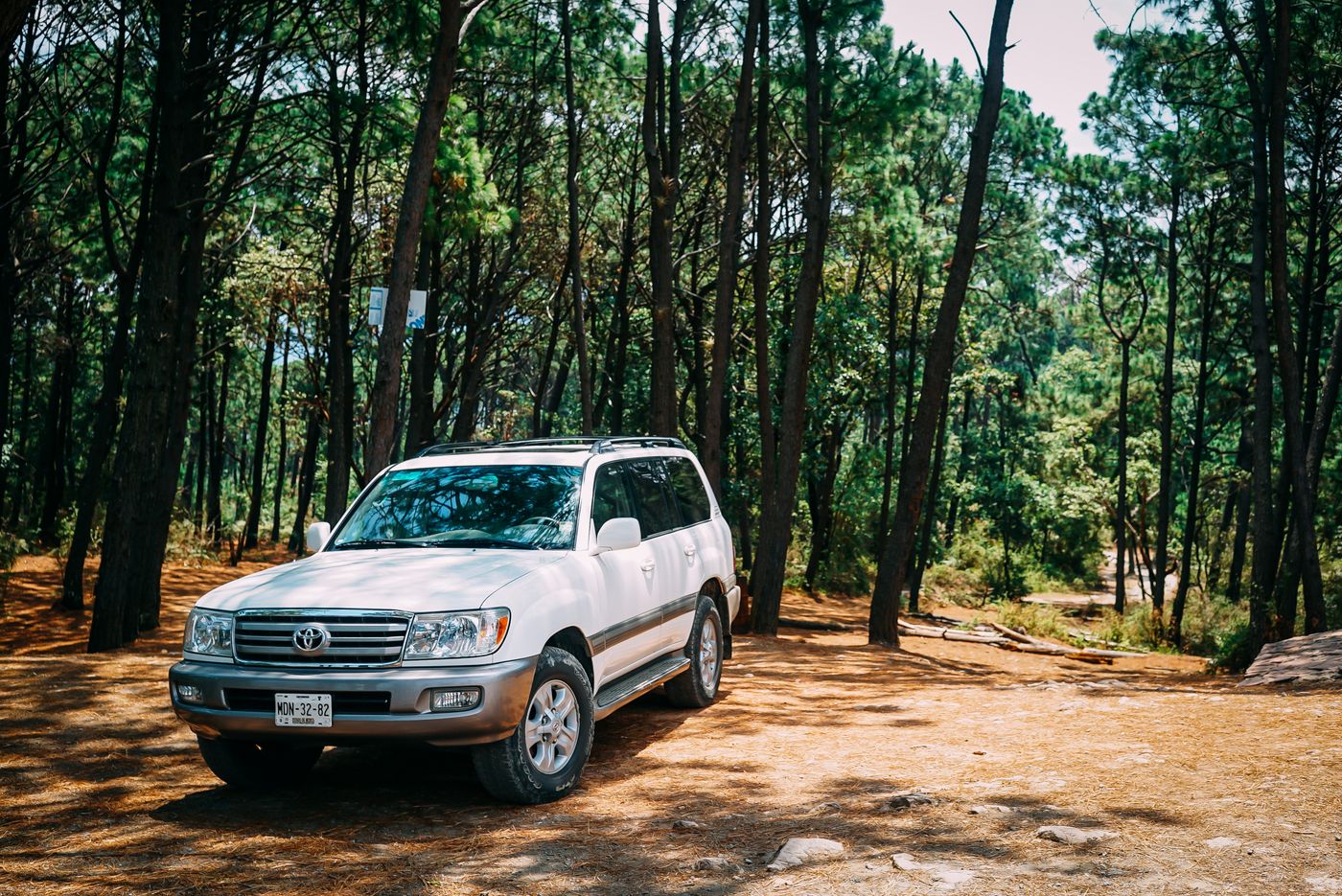
The overlap case — buyers who want three rows and trail capability — is where the 4Runner’s packaging gets awkward. The optional third row is only offered on the gas SR5 and Limited, and it’s tight. Meanwhile the i-FORCE MAX hybrid, which has the most compelling powertrain in the lineup, is five-passenger only. If you need seven seats and hybrid efficiency in the same vehicle, the Highlander Hybrid is the only one of the two that offers it.
Fuel Economy: The Gap Is Wider Than It Looks
The Highlander returns roughly 24 MPG combined on the gas engine versus about 22 for the 4Runner — a modest gap. But the Highlander Hybrid changes the math entirely at roughly 35 MPG combined.
Over 15,000 miles a year, 35 MPG versus 22 MPG is about 253 gallons of fuel. At $4.50 per gallon — realistic for California — that’s roughly $1,140 a year, or about $5,700 across five years of ownership. That’s enough to close most of the roughly $4,200 gap in starting price between the two, though it takes several years of high mileage to get there.
The 4Runner’s i-FORCE MAX hybrid is tuned differently. It exists to add torque (465 lb-ft) rather than to maximize economy, which is the right choice for a towing and off-road vehicle but means you shouldn’t expect Highlander Hybrid numbers from it.
Reliability and Long-Term Ownership
Both models have strong reputations, but they earn them differently. The 4Runner’s mechanical simplicity and long production cycles have made it a favorite for high-mileage ownership. The Highlander benefits from Toyota’s hybrid system, which is now several generations mature and has proven durable in the Prius and Camry lines.
One practical note from the repair side: the 4Runner’s separate frame and bolt-on body panels can make certain collision repairs more straightforward, since a damaged fender or bumper assembly is often a bolt-off, bolt-on operation. Unibody crossovers like the Highlander more frequently require structural work for the same apparent damage, because the panel is part of the structure.
That doesn’t make one safer than the other — modern crash structures are engineered to absorb energy in both designs. It affects repair method and, sometimes, repair cost. If you’ve been in a collision with either, our collision repair services include factory-spec structural measurement for both unibody and frame vehicles.
Frequently Asked Questions
Is the 4Runner bigger than the Highlander?
Not necessarily in interior space. The 4Runner is taller and rides higher, but the Highlander’s unibody packaging gives it more usable passenger and cargo room for its footprint — it seats up to eight versus the 4Runner’s five standard or seven optional.
Can the 4Runner tow more than the Highlander?
Yes. The 4Runner is rated up to 6,000 lbs versus the Highlander’s 5,000 lbs on the gas engine. The gap widens against the Highlander Hybrid, which drops to 3,500 lbs. If you’re towing near the limit regularly, the 4Runner is the correct choice.
Which is better for off-roading?
The 4Runner, without qualification. Body-on-frame construction, higher ground clearance, available locking differentials, and a two-speed transfer case on 4WD trims are hardware the Highlander simply doesn’t offer. The Highlander’s all-wheel drive is designed for wet pavement and light gravel, not rock crawling.
Which holds its value better?
The 4Runner has historically been exceptional at resale, helped by a devoted following and long production runs between redesigns. The Highlander performs well by mainstream crossover standards but doesn’t match the 4Runner’s reputation here. Resale depends on trim, mileage, condition, and regional demand, so treat this as a general pattern rather than a guarantee.
Is the Highlander Hybrid worth the extra cost?
For high-mileage drivers, usually yes. At roughly 35 combined MPG versus 24 for the gas Highlander, the fuel savings can recover the price difference within a few years. For low-mileage drivers who mostly take short trips, the payback period stretches out considerably.
The Bottom Line
These two vehicles answer different questions. The Highlander is the better family hauler — three usable rows, up to eight seats, a hybrid that returns roughly 35 MPG, and a ride that doesn’t punish you on a long freeway drive. The 4Runner is the better tool — 6,000 lbs of towing, real off-road hardware, and a frame built to take abuse.
Choose based on what you actually do, not what you occasionally imagine doing. If you’re weighing other cross-brand pairs, our comparison of GMC versus Chevrolet trucks covers a similar shared-platform question.
And if either SUV needs body or structural work after a collision, contact San Diego Bumper and Collision for a free estimate.