A solid car detailing equipment list covers three categories: washing gear (two buckets with grit guards, a foam cannon, a high-pressure washer, wash mitts, and microfiber towels), interior tools (a high-powered wet/dry vacuum, a carpet extractor, a steam cleaner, and detailing brushes for tight spots), and protection and finishing supplies (a dual-action polisher, buffing and polishing pads, quality shampoos, waxes, sealants, quick detailers, all-purpose cleaners, and glass cleaner). Microfiber towels deserve special mention across every category, since their absorbent, tough, yet soft texture makes them the single most-used tool in any detailing kit.
Here’s the full breakdown by category, what each tool actually does, and where to prioritize spending if you’re building a kit gradually rather than all at once.
Key Takeaways
- Two buckets with grit guards are foundational — this single piece of equipment reduces swirl marks more than almost any other purchase.
- Microfiber towels appear across every category — washing, drying, interior, and product application all rely on them.
- A carpet extractor and steam cleaner handle interior deep cleaning that a standard vacuum alone can’t fully address.
- A paint thickness gauge prevents over-polishing — a genuinely useful tool once you’re doing regular paint correction work.
Equipment by Category
Washing Gear
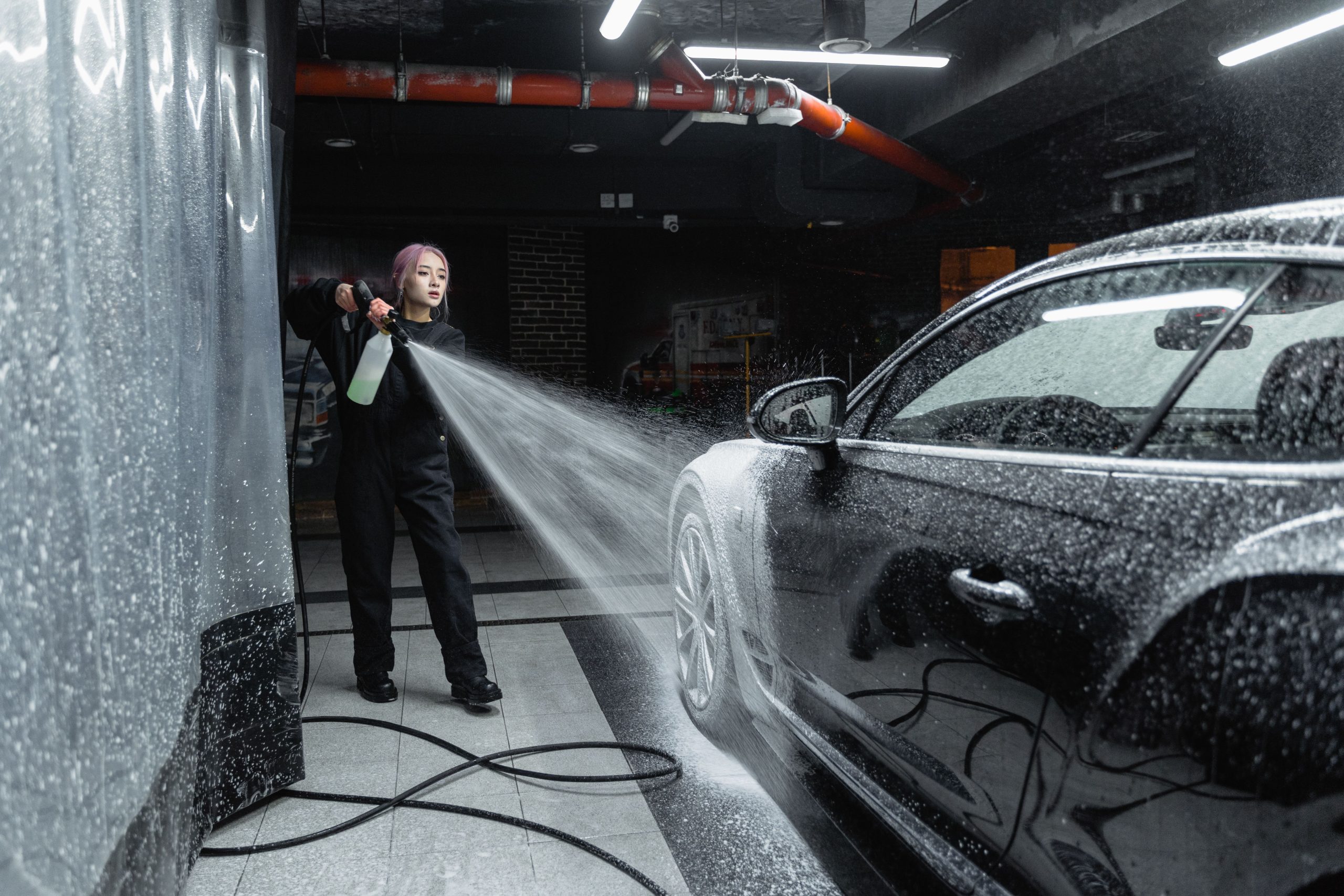
Two good-quality buckets — one with soapy water, one for rinsing — are essential for the two-bucket technique that reduces swirl marks and prevents dirt from being dragged back onto the paint (The Detailing Mafia). A foam cannon helps create a thick foaming layer of cleaning shampoo across the car’s surface, loosening dirt and grime before contact washing even begins — our guide on using a foam cannon to wash your car covers this pre-treatment technique. A high-pressure washer speeds up rinsing and undercarriage cleaning, and interior and exterior detailing brushes handle intricate areas like emblems, grilles, and engine bays that a mitt or towel can’t reach effectively.
Interior Tools
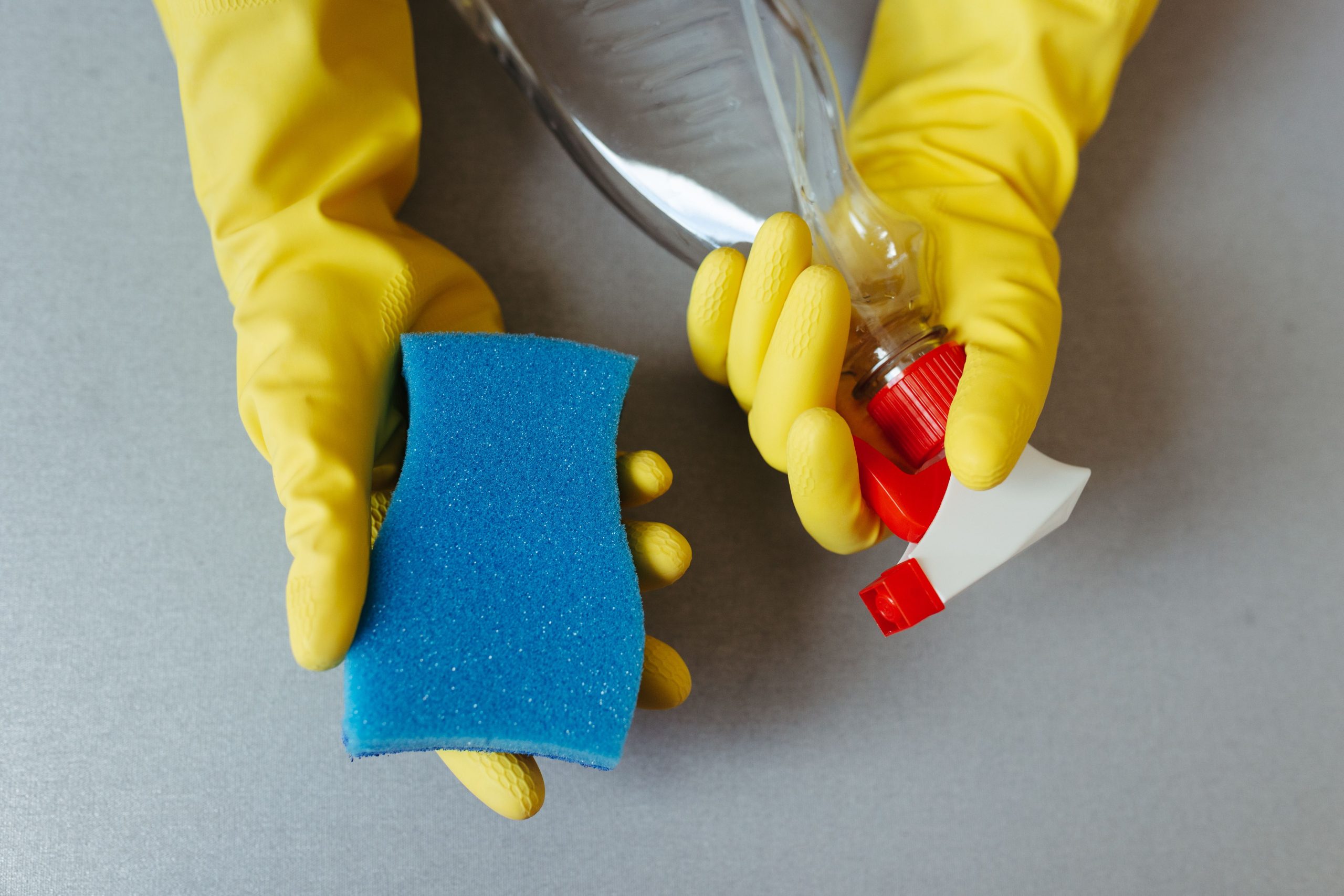
A high-powered wet/dry vacuum is vital for cleaning carpets, seats, and the hard-to-reach nooks and crannies throughout a vehicle’s interior. A carpet extractor removes embedded dirt and stains with a combination of water, powerful cleaning solutions, and suction, making it a must-have for anyone doing regular interior deep cleaning — our guide on cleaning car carpets and upholstery covers the technique this tool supports. A steam cleaner sanitizes surfaces, reaching into seams and crevices that liquid cleaners alone can miss.
Protection and Finishing Supplies
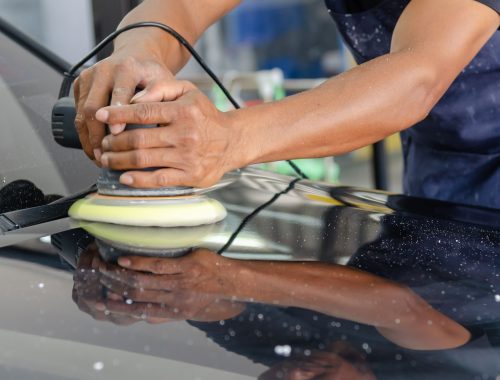
A dual-action polisher, along with buffing and polishing pads, handles paint correction work — our guide on choosing the right polisher covers matching machine type to your experience level. Your kit should also include quality shampoos, waxes, sealants, quick detailers, all-purpose cleaners, glass cleaners, and interior conditioners to round out routine maintenance between deeper details. A paint thickness gauge, while more specialized, ensures safe polishing by measuring the existing paint layer, preventing over-polishing or damage during correction work — a genuinely worthwhile addition once you’re doing this kind of work regularly rather than occasionally.
Frequently Asked Questions
What’s the single most important piece of equipment for a beginner to buy first?
A quality set of microfiber towels and a two-bucket wash setup deliver the biggest improvement in results relative to cost, making them the logical starting point before investing in more specialized equipment.
Is a foam cannon necessary, or just a nice-to-have?
It’s genuinely useful but not strictly necessary — a foam cannon reduces contact-based scratch risk during washing, but careful technique with a standard bucket wash can still produce good results without one.
How much should a reasonable starter detailing kit cost?
A functional starter kit covering the washing gear category can often be assembled for a modest budget, with interior tools and a polisher representing the next-tier investments worth adding as your detailing needs grow.
Do professional detailers use significantly different equipment than serious hobbyists?
Often the core tools overlap substantially — the main differences tend to be in equipment durability, commercial-grade capacity, and specialized tools like paint thickness gauges that professionals use more routinely.
The Bottom Line
A complete car detailing equipment list spans washing gear, interior tools, and protection and finishing supplies, with microfiber towels serving as the connective thread across every category. Building a kit gradually — starting with buckets and towels, then adding interior and polishing equipment as needed — is a reasonable way to invest without overspending on tools you may not use regularly.
Prefer to skip the equipment investment entirely? Contact San Diego Bumper and Collision for professional detailing.