Remove car wax by washing first with a gentle car shampoo, then wiping the surface with an isopropyl alcohol (IPA) solution to dissolve and lift the wax. For tough synthetic sealants that IPA alone doesn’t fully clear, a dedicated wax-stripping shampoo works more effectively. Follow with a clay bar treatment to remove hidden impurities that washing alone can’t catch, then finish with one final IPA wipe to clear any remaining lubricant or clay residue. Old, failing wax layers trap grime and prevent new products from bonding correctly, which is exactly why this full removal sequence matters before applying fresh wax, sealant, or ceramic coating.
Here’s the complete strip-down sequence, why leftover wax specifically ruins a new coating’s bond, and when this job is genuinely worth handing to a professional.
Key Takeaways
- Old wax acts as a barrier — any residue left behind prevents a new sealant or ceramic coating from bonding directly to the clear coat.
- IPA dissolves and lifts wax effectively for most standard removal jobs.
- Tough synthetic sealants need a dedicated wax-stripping shampoo — IPA alone may not fully clear them.
- A final IPA wipe after claying is what actually confirms the surface is ready for new protection.
The Complete Wax Removal Sequence
Why Removing Old Wax Actually Matters
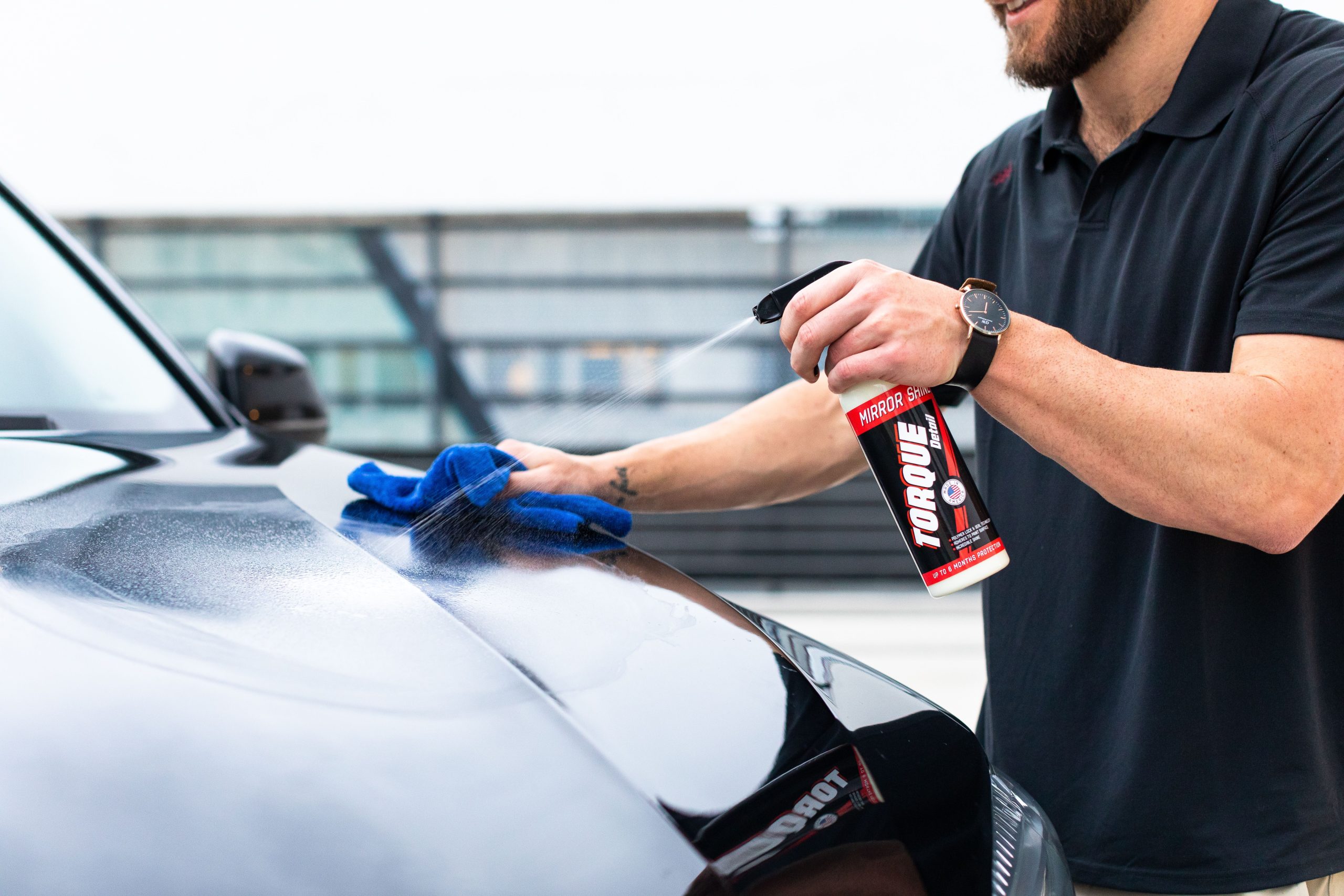
Old, failing wax layers trap grime and prevent new products from bonding correctly to your paint — a new sealant or ceramic coating needs to form a direct chemical bond with the clear coat, and any old wax left behind acts as a barrier, guaranteeing the new coating will fail prematurely (Car Care Total). This is exactly why wax removal isn’t just a cosmetic step before reapplying protection — it’s the foundation that determines whether the new product actually performs as intended or fails within weeks.
The Removal Process Step by Step
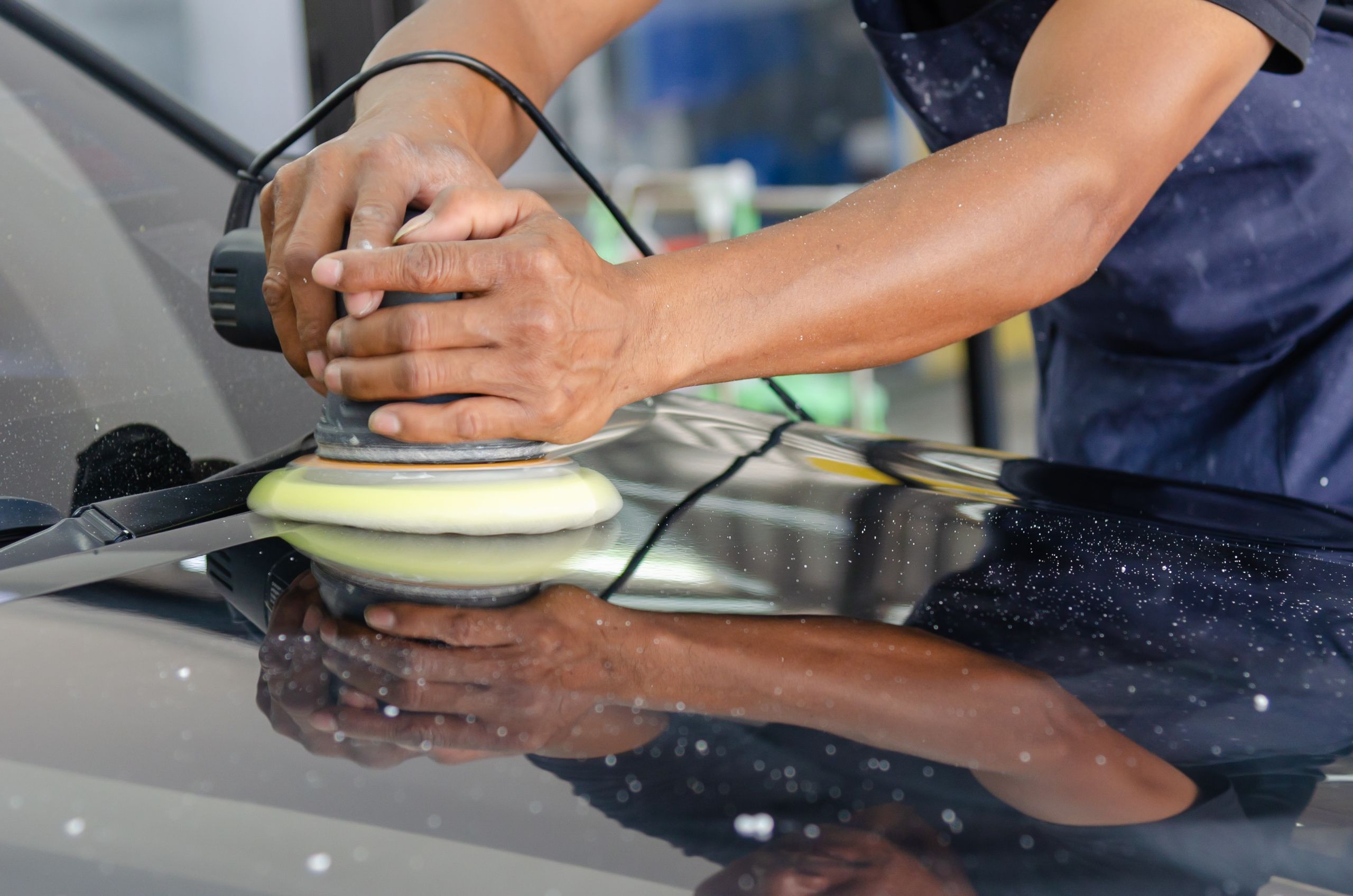
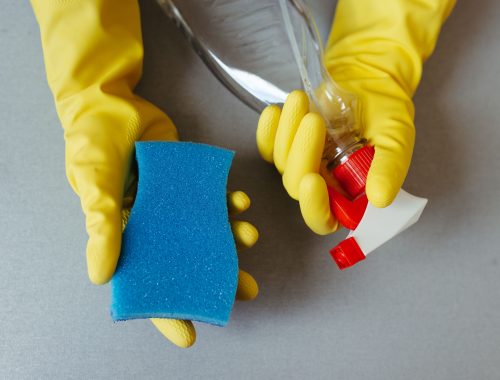
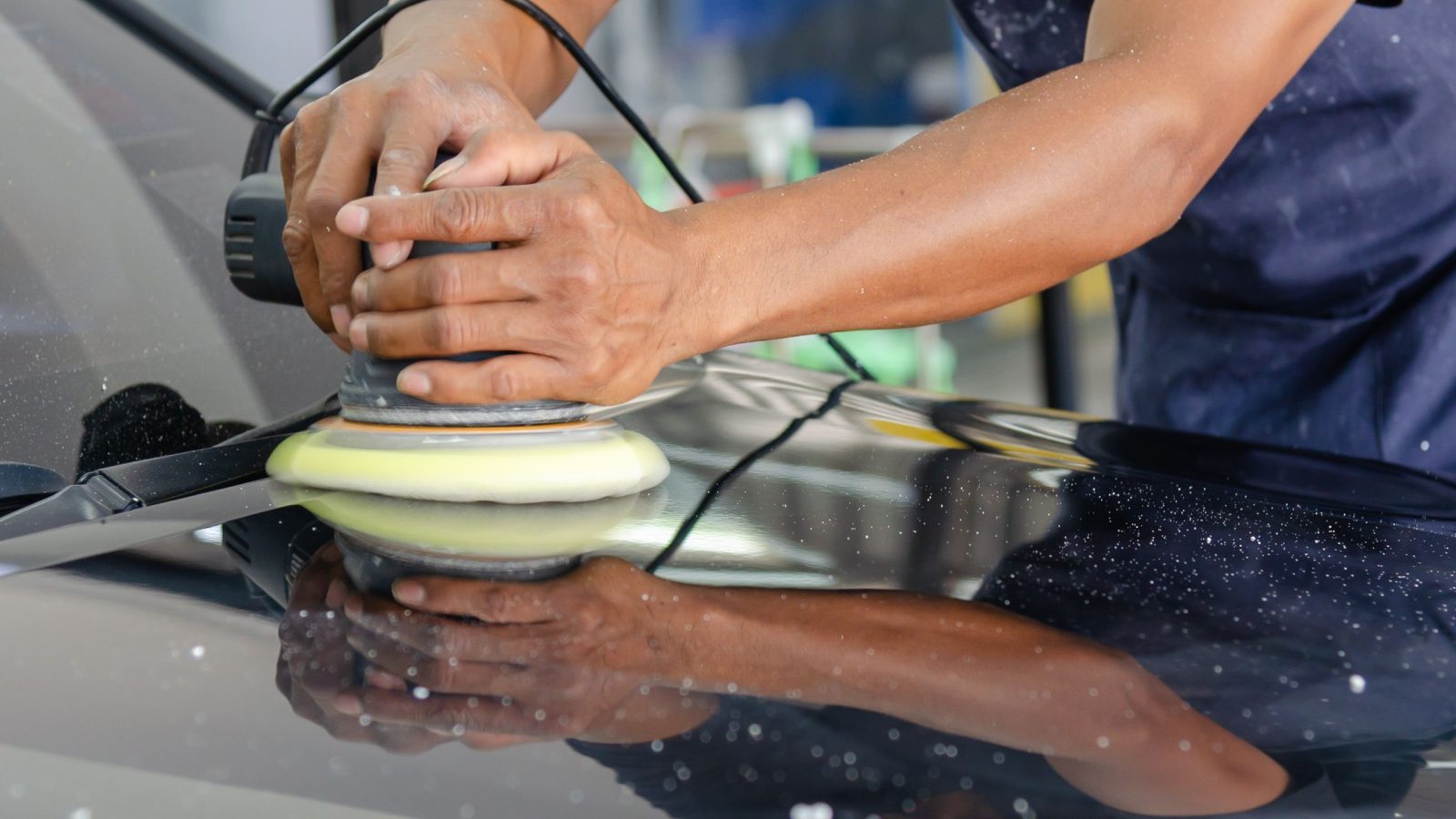
Start with a pre-wash using a regular gentle car shampoo to clear loose surface dirt (Chemical Guys). Wipe the surface with an isopropyl alcohol solution to dissolve and lift the wax — this handles most standard wax removal jobs effectively. For tough synthetic sealants that resist the IPA wipe, a dedicated wax-stripping shampoo is your best bet, formulated specifically to break down the more durable bond synthetic sealants form compared to traditional wax. Follow with a clay bar treatment, which removes hidden impurities that washing alone can’t catch — with just a few passes, the clay glides across the paint and lifts embedded debris, leaving a genuinely smooth finish behind. Our guide on how to clay your car covers this technique in more depth.
The Final Check Before New Protection
One last isopropyl alcohol wipe after claying removes any remaining lubricant or clay residue — this is your final step before applying new protection, confirming the surface is genuinely ready for wax, sealant, or ceramic coating. Skipping this final wipe risks leaving clay lubricant behind, which can interfere with a new coating’s bond just as much as leftover wax would. Once the surface passes this check, our guide on how to prep for ceramic coating covers the next steps if you’re moving toward a longer-lasting protective option rather than reapplying wax.
Frequently Asked Questions
How do I know if old wax has actually failed and needs removal?
Reduced water beading, a duller appearance, and visible streaking or hazing under direct light are all signs the existing wax layer has broken down and needs to be stripped before reapplication.
Can removing excessive wax buildup be done without professional help?
Yes, for most standard buildup with the sequence described here, though removing excessive wax buildup may require professional assistance if you’re not confident or experienced enough to do it yourself safely.
Is clay bar treatment always necessary, or can IPA alone be enough?
For light, recent wax layers, IPA alone can sometimes suffice, but claying catches embedded contaminants that IPA wipes miss, making it worth including whenever you’re prepping for a longer-term product like ceramic coating.
Does removing wax also strip away any existing paint correction work?
No — wax removal targets the protective layer sitting on top of the paint, not the clear coat itself, so any prior polishing or correction work underneath remains intact through this process.
The Bottom Line
Removing car wax comes down to a methodical sequence — pre-wash, IPA wipe, wax-stripping shampoo for stubborn sealants, clay bar, and a final IPA check — that leaves the surface genuinely ready for new protection. Skipping steps in this sequence is the most common reason a freshly applied wax, sealant, or ceramic coating underperforms or fails early.
Want your car professionally stripped and re-protected? Contact San Diego Bumper and Collision for a quote.