Replacing a car window costs roughly $100 to $500 for most side and rear glass, and $250 to $800 for a windshield — with a national windshield average around $450 for a standard sedan (J.D. Power). Vehicles with driver-assist cameras need recalibration afterward, which adds $150 to $600 on top.
Which glass broke matters more than what car you drive. A door window is the cheapest piece on the vehicle. A windshield on a car with lane-keep assist is the most expensive, and the gap between them is larger than most people expect.
Key Takeaways
- Side/door glass: roughly $100-$350. Rear glass: $200-$500. Windshield: $250-$800, averaging near $450 on a standard sedan.
- ADAS recalibration after a windshield replacement adds $150-$600 and is not optional on equipped vehicles.
- Side windows are tempered glass and shatter completely. Windshields are laminated and crack without falling apart.
- Comprehensive insurance usually covers glass, and some policies waive the deductible for windshield repair.
Car Window Replacement Cost by Glass Type
| Glass | Typical cost |
|---|---|
| Front or rear door glass (side window) | $100-$350 |
| Quarter glass / small fixed panes | $150-$400 |
| Rear windshield (back glass) | $200-$500 |
| Front windshield, standard sedan | $250-$800 (avg. ~$450) |
| Windshield + ADAS recalibration | Add $150-$600 |
Why Side Windows Are Cheaper Than Windshields
They’re made of different glass, and that determines both how they break and what replacement involves.
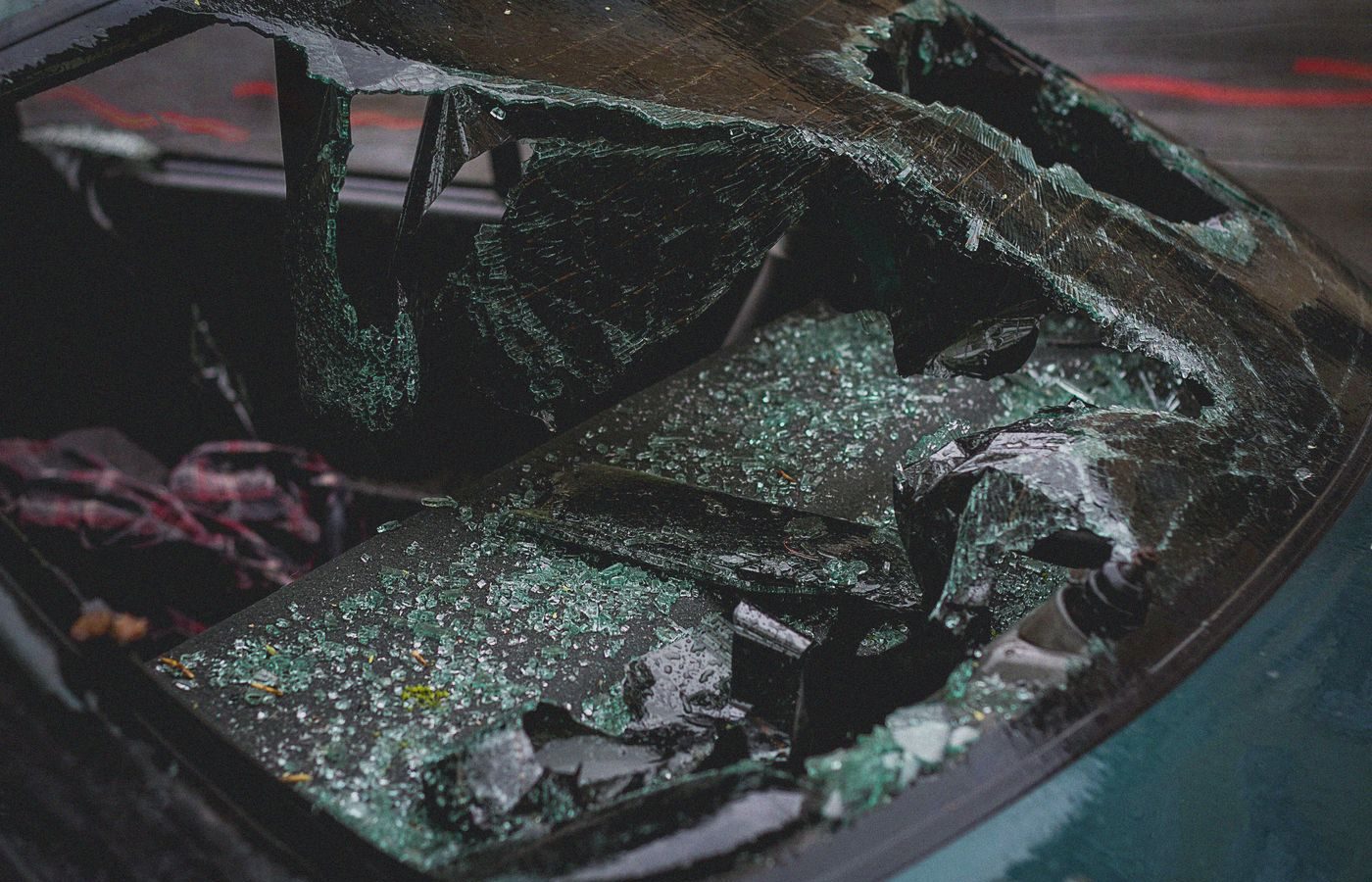
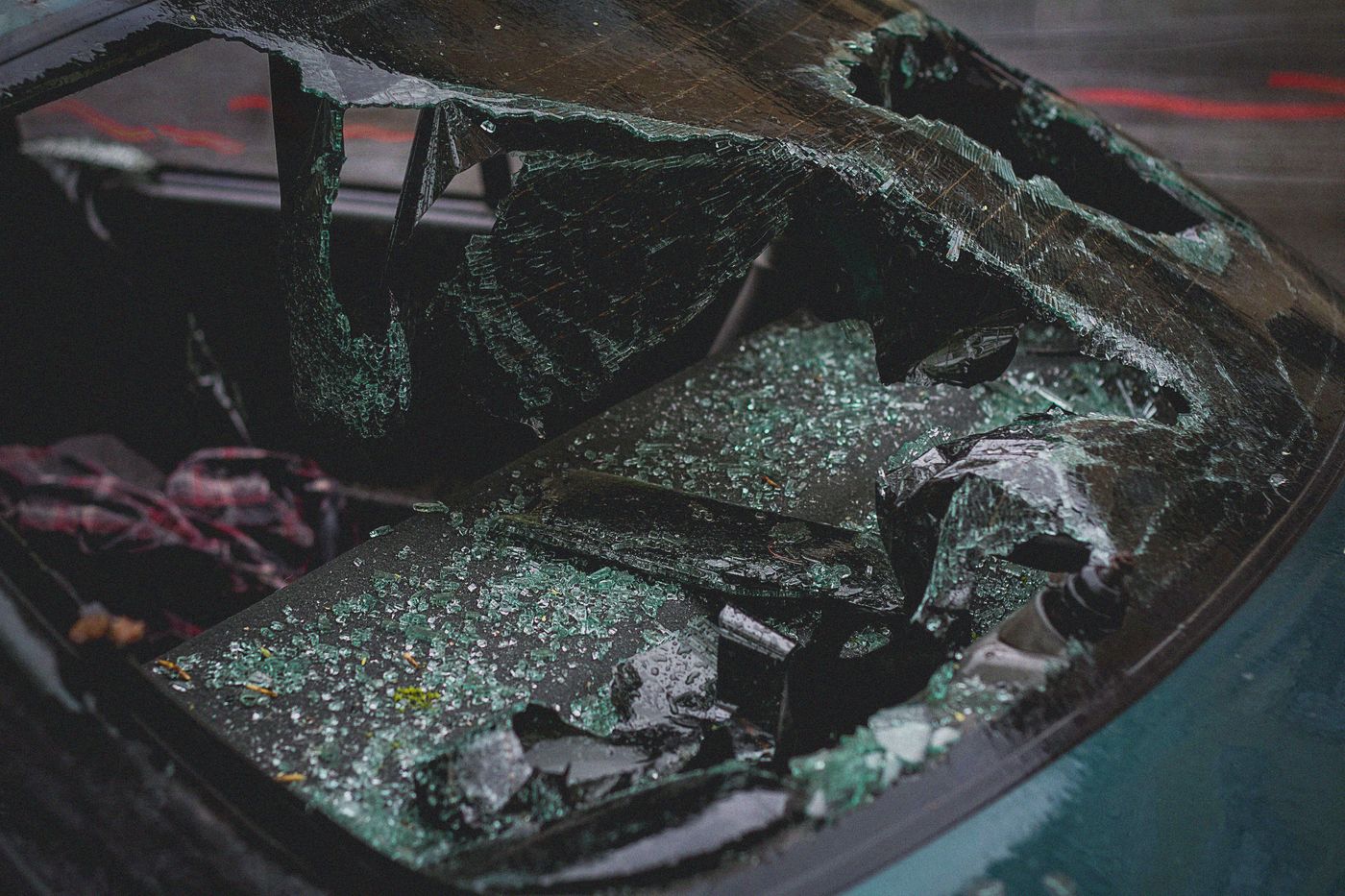
Side and rear windows are tempered glass. Heat-treated so that when it fails, it shatters into thousands of small, relatively blunt cubes rather than sharp shards. This is why a broken side window leaves a pile of pebbles on your seat and nothing left in the frame. Tempered glass can’t be repaired — once it goes, the whole pane is replaced. But it’s a simpler part with no bonding to the vehicle structure.
Windshields are laminated glass — two layers with a plastic interlayer bonded between them. That’s why a rock chip stays a chip instead of collapsing the whole pane, and why a cracked windshield holds together. The windshield is also structurally bonded to the body and contributes to roof-crush strength and correct airbag deployment. Replacing it means cutting out old urethane, prepping the pinch weld, and setting the new glass with proper adhesive and cure time.
Different job, different price.
What Makes a Windshield Expensive: ADAS
If your car has lane-keep assist, adaptive cruise control, automatic emergency braking, or a lane-departure warning, there’s a camera mounted behind the windshield looking through it.
Replace the glass and that camera’s position shifts by a fraction of a degree — enough that the system’s view of the road no longer matches what it was calibrated for. Recalibration is required, and it adds $150 to $600 depending on whether it’s static (done in a shop with targets), dynamic (done on a road drive), or both.
This isn’t an upsell. An uncalibrated forward camera can brake late, brake for nothing, or fail to hold a lane. Any shop replacing a windshield on an ADAS-equipped vehicle without recalibrating is leaving a safety system out of specification.
Repair or Replace?
For windshields, small damage can often be repaired instead:
- Repairable: chips smaller than about a quarter, cracks shorter than roughly six inches, damage outside the driver’s direct line of sight.
- Replace: cracks reaching an edge, anything in the driver’s primary view, multiple chips, or damage penetrating both layers.
A chip repair typically runs a fraction of a replacement, and many insurers waive the deductible entirely for repair because it’s so much cheaper than the alternative. Getting a chip filled the week it happens rather than the month after is the single biggest cost saver available on auto glass.
For side and rear windows, there is no repair option. Tempered glass shatters completely.
Does Insurance Cover It?
Usually, under comprehensive coverage rather than collision — glass damage from a rock, vandalism, or a break-in is a comprehensive claim.
Practical points:
- Compare your deductible to the repair cost. A $500 deductible on a $300 side window means you’re paying out of pocket regardless.
- Many policies waive the deductible for windshield chip repair. Check yours; it’s often free.
- Comprehensive glass claims typically don’t raise rates the way at-fault collision claims do, though this varies by insurer and state.
- Ask whether your policy specifies OEM or aftermarket glass. For ADAS-equipped vehicles, glass quality and correct camera bracket positioning genuinely matter.
If your window was broken in a collision or a break-in that also damaged the door, frame, or body panels, glass is only part of the repair. Our collision repair services cover the structural and cosmetic work that goes with it.
Frequently Asked Questions
How much does it cost to replace a side car window?
Typically $100 to $350 for standard door glass. Cost rises for laminated side glass (found on some luxury vehicles for sound insulation), heated or acoustic glass, and rare or older vehicles where the part is harder to source.
Can a car side window be repaired instead of replaced?
Almost never. Side windows are almost always tempered glass, which shatters completely rather than cracking — there’s nothing left to repair. (A few luxury vehicles use laminated side glass for sound insulation, but that’s still replaced rather than repaired in practice.) Windshields are laminated and can often be repaired if the damage is small enough.
How long does a car window replacement take?
Side glass typically takes about an hour, plus vacuuming shattered glass out of the door cavity and interior. Windshields take one to two hours plus urethane cure time before the vehicle is safe to drive — usually at least an hour, and your installer will specify. Add time for ADAS recalibration.
Why is my windshield replacement quote so high?
Almost always ADAS recalibration, which can add $150-$600. Other drivers of cost: rain sensors, heated wiper park areas, heads-up display, acoustic laminated glass, and heavily raked or oversized windshields on modern vehicles.
Should I use OEM or aftermarket glass?
Aftermarket glass from a reputable manufacturer is fine for most vehicles. On ADAS-equipped cars, the argument for OEM is stronger — optical clarity in the camera’s viewing area and exact bracket placement affect how well the system recalibrates. Ask your installer what they’re fitting and why.
The Bottom Line
Budget $100-$350 for a side window, $200-$500 for rear glass, and $250-$800 for a windshield — with an extra $150-$600 if your car has a forward-facing camera behind the glass.
Repair windshield chips immediately; that’s where the real savings are. And if the broken glass came with damage to the door, frame, or body, contact San Diego Bumper and Collision for a full estimate.