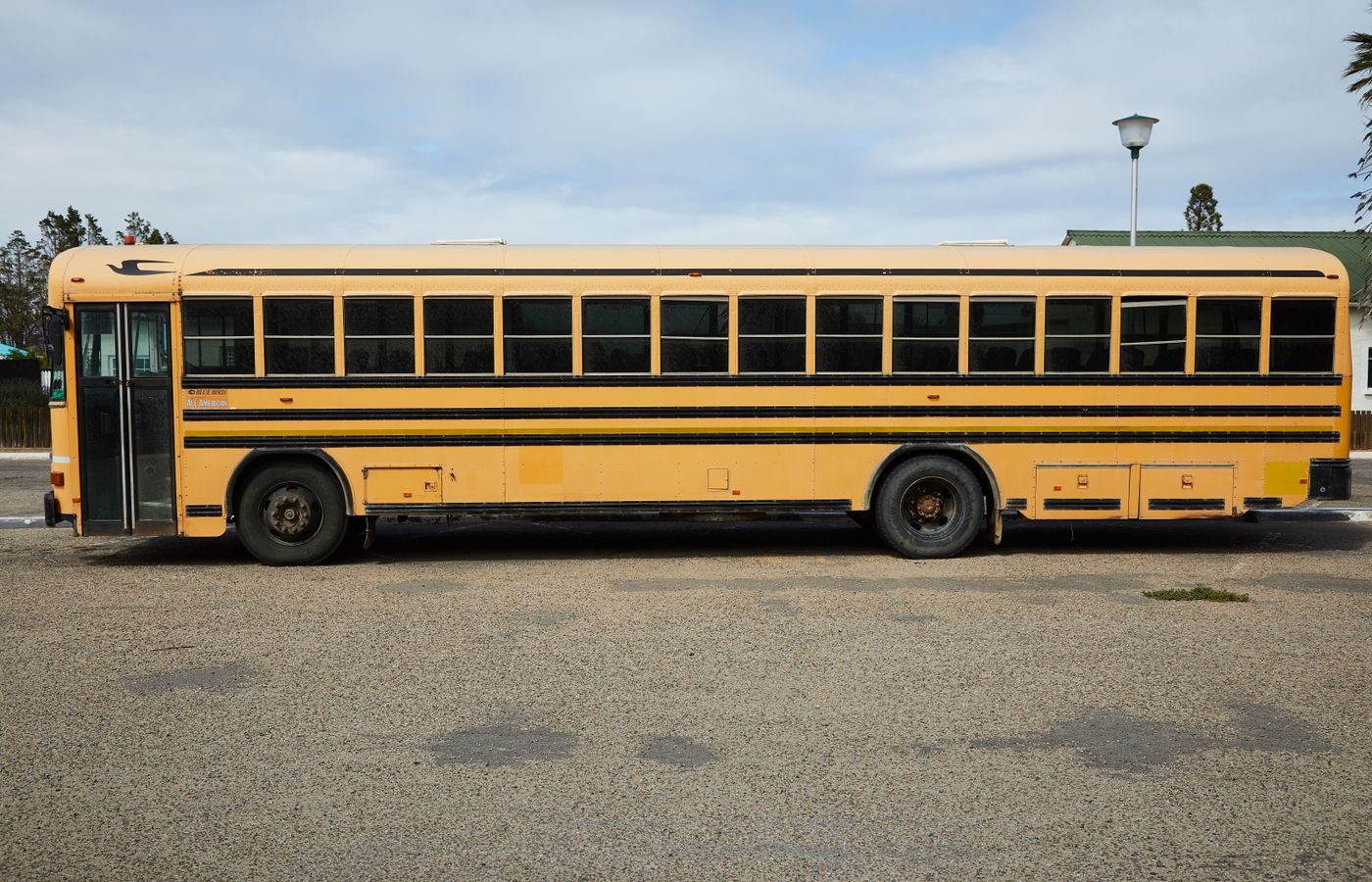
Buses carrying passengers, school buses, and commercial vehicles hauling placarded hazardous materials must stop at every railroad grade crossing — even when there’s no train in sight and no gate is down. This isn’t a state-by-state quirk. It’s a federal rule, codified at 49 CFR 392.10, and most states mirror it in their own vehicle codes.
Everyone else — regular passenger cars, most pickup trucks, non-placarded delivery vans — follows the ordinary rule: stop only if a signal, gate, or flagger tells you to.
Key Takeaways
- Buses transporting passengers (school buses, transit buses, charter buses) must stop at all grade crossings under federal law.
- Commercial vehicles placarded for hazardous materials — explosives, poison gas, certain flammables — must also stop, along with every cargo tank vehicle, loaded or empty.
- The required stop is 15 to 50 feet from the nearest rail, and drivers may not shift gears while crossing the tracks.
- Ordinary passenger vehicles are not required to stop unless a signal, gate, or flagger is actively telling them to.
The Federal Rule: 49 CFR 392.10
The core requirement comes from the Federal Motor Carrier Safety Administration. 49 CFR 392.10 requires the driver of certain vehicles to stop before crossing railroad tracks at grade, and lists exactly which vehicles are covered.
The vehicles required to stop fall into two groups:
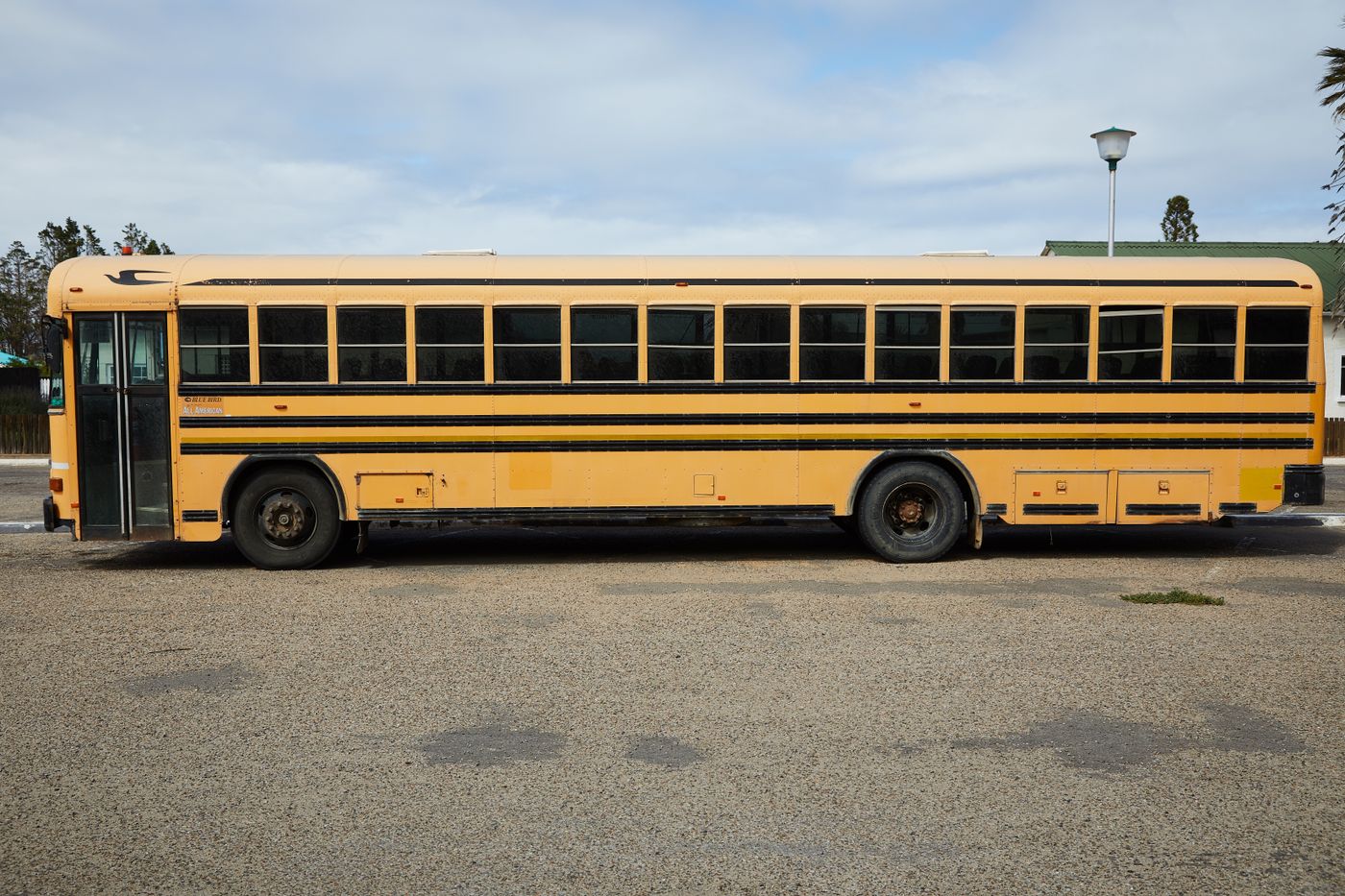
1. Buses transporting passengers. Any bus carrying passengers — school buses, transit buses, charter buses — must stop at every grade crossing, regardless of what it’s hauling or whether the crossing looks clear.
2. Commercial vehicles carrying certain hazardous materials. This covers vehicles required to be placarded under the Hazardous Materials Regulations for materials like explosives, poison gas, and specified flammable or corrosive substances, plus every cargo tank motor vehicle used to transport hazardous material — loaded or empty — and any vehicle carrying a Division 2.3 (poison gas) load, such as chlorine (49 CFR 392.10(a)).
An important nuance often missed: placarding for hazmat alone doesn’t automatically trigger the stop requirement for every commodity. The rule is written around specific hazard classes and cargo tank status, not “any placarded truck.” If you drive commercial hazmat routes, know exactly which of your loads fall under 392.10 rather than assuming all of them do.
How the Required Stop Works
For vehicles covered by the rule, the procedure is specific, not a suggestion:
- Stop between 15 and 50 feet from the nearest rail — close enough to see and hear, far enough to be clear of an oncoming train and to have room to see around obstructions.
- Listen and look both directions along the track for an approaching train, and watch for any active warning signals.
- Proceed only when it’s safe. If a gate, light, or signal indicates a train, do not cross under any circumstance.
- Do not shift gears while crossing the tracks. A vehicle that stalls or loses momentum on the tracks is exactly the scenario this rule exists to prevent.
School buses typically have additional steps layered on top of the federal rule. In California, the base stop requirement for buses, school buses, and hazmat-placarded vehicles comes from Vehicle Code §22452, while the specific school-bus procedure — stop parallel to and near the edge of the roadway, open the entrance door (or the window on smaller buses) to listen, confirm the tracks are clear, and only then proceed with the door closed — comes from 13 CCR §1238. Check your own state’s vehicle code for the exact procedure, since add-on requirements for school buses vary.
When the Stop Is NOT Required
Federal law lists specific exceptions where a covered vehicle does not have to stop:
- Streetcar grade crossings within a business district
- A crossing controlled by a functioning highway traffic signal showing green — the signal is doing the job the stop would otherwise do
- A crossing where a police officer or crossing guard directs traffic to proceed
- A crossing that’s been officially designated abandoned, marked with a sign confirming it
- An industrial or spur-track crossing marked “Exempt” by the appropriate regulatory authority
Outside those specific exceptions, the stop is required — the driver doesn’t get to judge that a crossing “looks safe” and skip it.
A regulatory change is in progress worth knowing about. In 2025, FMCSA proposed adding a further exception for grade crossings equipped with an active warning device — flashing lights or gates — that is confirmed not to be activated, similar to the existing green-signal exception (Federal Register, May 2025). As of this writing that proposal has not been finalized into a binding rule — treat it as pending, not current law, and follow the stop requirement as written until a final rule says otherwise.
Do Regular Passenger Vehicles Have to Stop?
No — not as a blanket rule. If you’re driving a personal car, SUV, or a pickup truck not hauling placarded hazmat, you’re not required to make a full stop at every crossing the way a school bus or a hazmat tanker is.
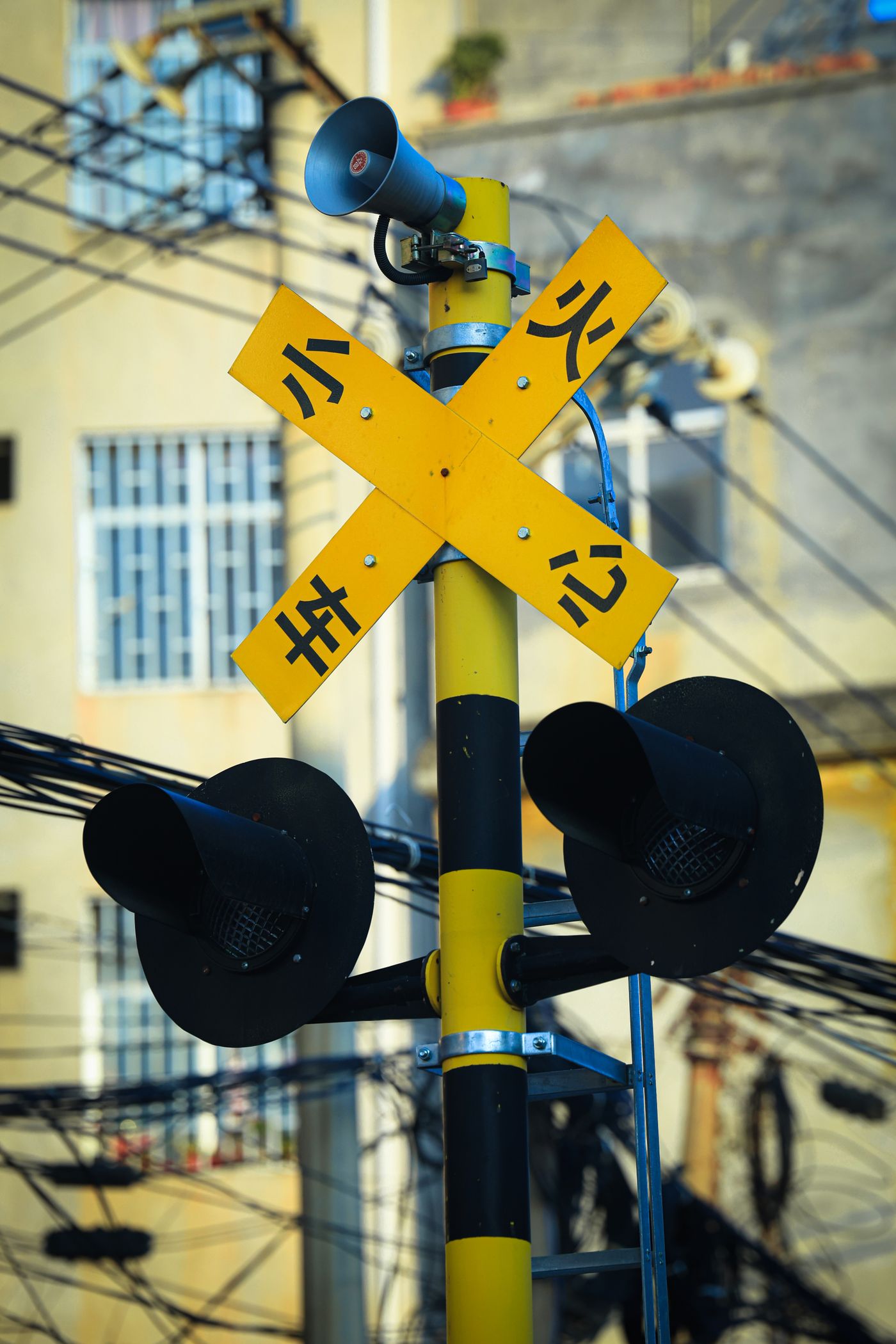
What you are required to do is obey whatever control is present: stop for a red flashing signal, a lowered gate, or a flagger, and never drive around a lowered gate. Railroad Grade Crossing signage (the yellow circular advance-warning sign, or the crossbuck at the track itself) means “be prepared to stop if a train is present” — not “stop unconditionally.”
Why This Rule Exists
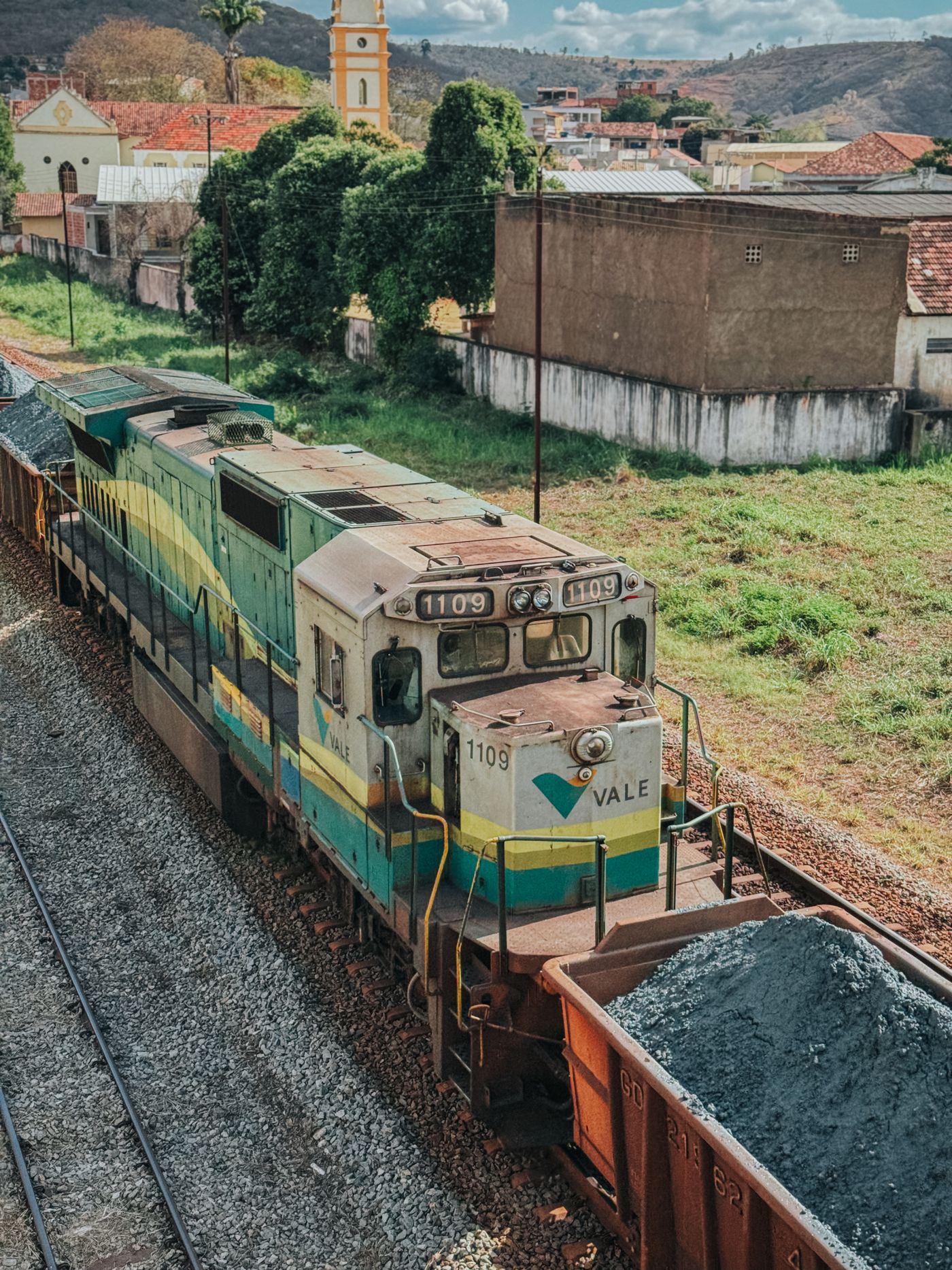
The vehicles covered by 392.10 share one thing in common: the consequences of a crossing accident involving them are disproportionately severe.
A school bus or transit bus carries dozens of people who can’t act independently to protect themselves. A stalled cargo tank vehicle carrying hazardous material on active tracks is a mass-casualty scenario waiting to happen if it’s struck. Neither situation tolerates the ordinary driver judgment call of “the crossing looks clear.”
The mandatory stop-look-listen sequence also compensates for a real hazard: grade crossings are where a straight, fast-moving train and an unpredictable roadway intersect, often with limited sightlines from vegetation, structures, or the crossing angle itself. The federal rule assumes visibility can be deceptive and builds in a deliberate pause rather than relying on a driver’s instant read of the situation.
If a collision at a crossing does happen — even a low-speed one that just clips a gate arm or a curb while maneuvering around a stopped queue — the impact forces and angles are often unusual. Our collision repair services include full structural measurement, which matters for exactly this kind of atypical impact.
Frequently Asked Questions
Does a regular car have to stop at every railroad crossing?
No. Personal vehicles only need to stop when a signal, gate, or flagger is actively indicating a train. Buses carrying passengers and commercial vehicles placarded for certain hazardous materials are the ones required to stop unconditionally at every crossing under federal law.
Do empty hazmat tanker trucks have to stop at railroad crossings?
Yes. Federal rule 392.10 explicitly covers cargo tank motor vehicles used to transport hazardous materials whether loaded or empty. An empty tanker that hasn’t been cleaned or purged still carries residual product and vapor, which is why the requirement doesn’t depend on the tank being full.
Do church buses or charter buses have to stop at railroad crossings?
Any bus transporting passengers falls under the federal stop requirement, which is written around the vehicle carrying passengers rather than the operator’s purpose. Charter buses, church buses, and other passenger-carrying buses are covered the same as school and transit buses.
What happens if a commercial driver fails to stop at a required crossing?
It’s a serious violation that can result in citations, CSA points against the carrier and driver, and — depending on the jurisdiction — significant fines. Because the rule exists specifically to prevent catastrophic outcomes, enforcement tends to be strict rather than discretionary.
Is the 15-to-50-foot stopping distance the same in every state?
The federal rule sets 15 to 50 feet from the nearest rail, and most states adopt this figure directly into their own vehicle codes for consistency with federal commercial vehicle regulations. Always confirm your specific state’s code, since add-on procedures (like the school bus door-opening requirement) can vary even when the core distance matches.
The Bottom Line
If you’re driving a bus carrying passengers or a commercial vehicle placarded for certain hazardous materials — including any hazmat cargo tank, loaded or empty — you’re required to stop 15 to 50 feet from every railroad crossing, look and listen both ways, and never shift gears while crossing.
Everyone else follows the ordinary rule: stop only when a signal, gate, or flagger says so, and never around a lowered gate. If a crossing incident has left your vehicle needing bodywork, contact San Diego Bumper and Collision for a full inspection and estimate.