Most cars need waxing every 2 to 4 months — roughly 3 to 4 times a year — though the honest answer depends more on your climate and where you park than on a fixed calendar. A car parked outside in San Diego’s sun and salt air needs it more often than one that spends most of its life in a garage.
The better method than counting months: check how water behaves on your paint. That single test tells you more than any generic schedule.
Key Takeaways
- General rule: wax every 2-4 months, or 3-4 times a year, for most daily-driven cars.
- The real test: if water beads up tight and rolls off, your wax is still working. If it sheets out flat, it’s gone.
- Wax type changes the math — traditional carnauba wax lasts weeks, synthetic sealant lasts months, ceramic coating lasts years.
- Coastal, sun-exposed, or street-parked cars need more frequent protection than garage-kept ones, regardless of what a generic schedule says.
The Water Test: A Better Answer Than a Calendar
Forget memorizing a number. The most reliable way to know if your car needs wax is to watch what water does when it hits the paint.
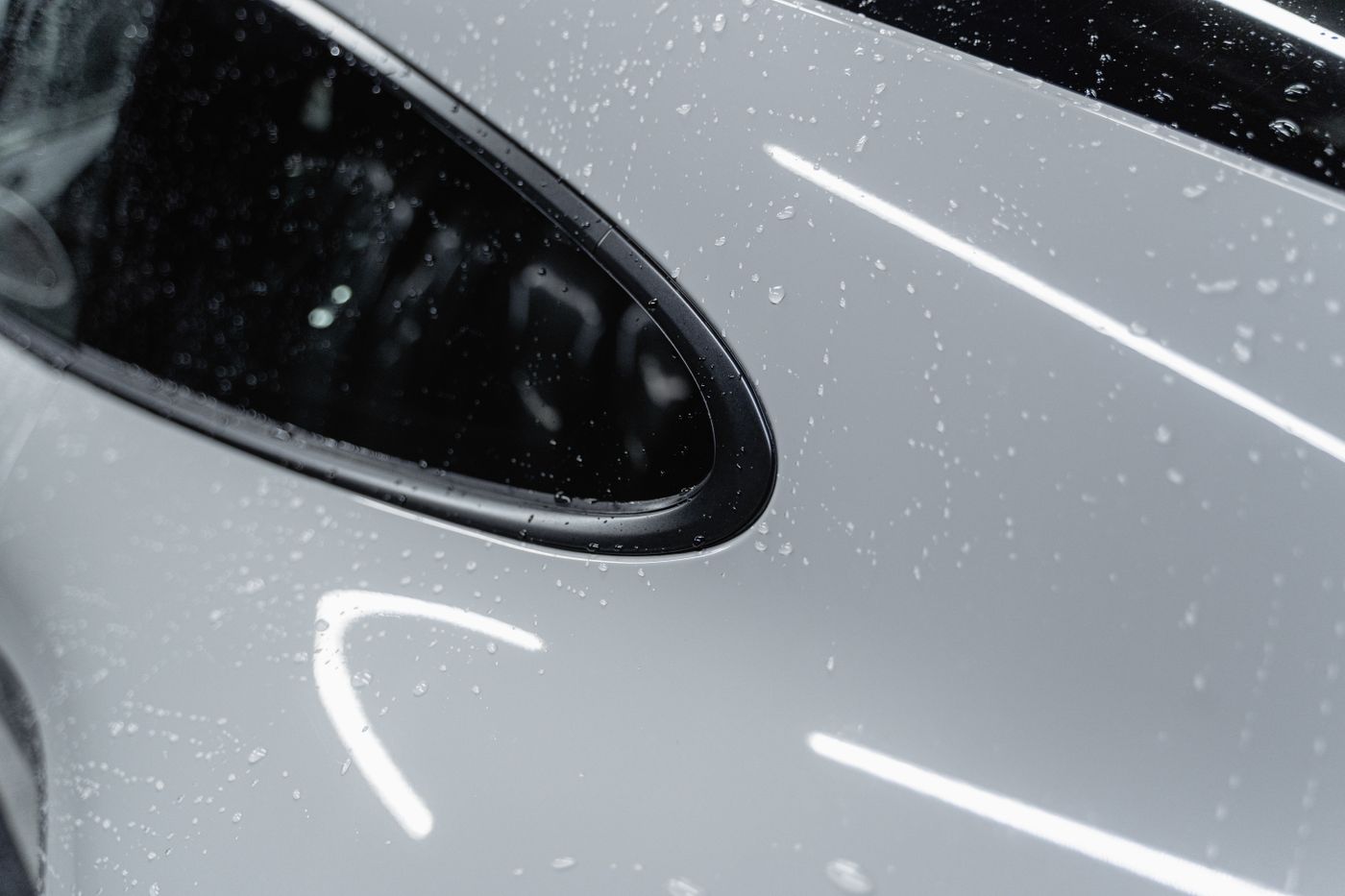
Tight, small beads that roll off easily mean the wax is still doing its job — the surface is hydrophobic and shedding water rather than letting it sit. Water that spreads into flat sheets and clings to the paint means the protective layer has broken down, regardless of how many weeks or months have passed since your last wax.
Run this test after a wash, on a dry, sunny day, with a hose or a cup of water. It takes thirty seconds and it’s more accurate than any generic “every X months” rule, because it accounts for your specific climate, parking situation, and how much driving you actually do.
Other Signs It’s Time to Rewax
Beyond the water test, a few other signals show up before protection fully fails:
- Dull, hazy paint that doesn’t respond to washing. Fresh wax adds visible depth and gloss; when that fades even after a proper wash, the wax layer is gone.
- A rough or gritty feel under your fingertips, especially on horizontal surfaces like the hood and roof. Smooth, waxed paint feels closer to glass; bare paint picks up contaminants that make it feel textured.
- Dirt and grime clinging stubbornly rather than rinsing off easily. Wax creates a slick barrier that makes routine washing easier — when washing suddenly gets harder, that’s often the wax wearing thin.
- Early oxidation — a chalky, faded look, most common on horizontal panels that take the most sun. This is a sign you waited too long, since active oxidation means the clear coat itself is starting to break down, not just the wax.
Why Wax Type Changes the Answer
“How often should you wax” doesn’t have one answer because “wax” covers products with wildly different lifespans.
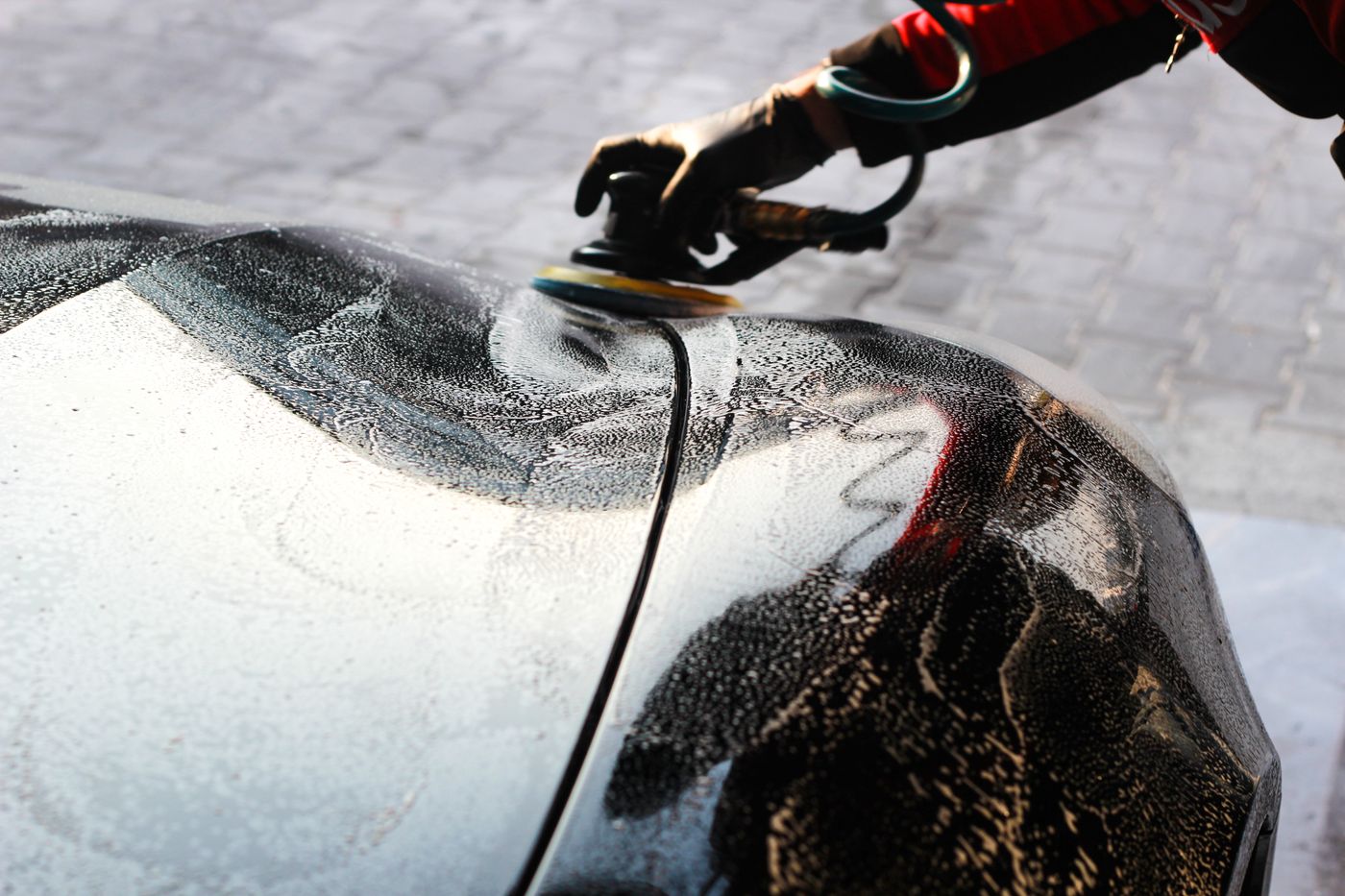
Traditional carnauba wax gives the deepest, warmest shine but is the shortest-lived option — commonly a few weeks to about two months depending on conditions and how it’s applied. It’s popular precisely because of the look, and enthusiasts who chase that specific shine often accept the more frequent reapplication as the tradeoff.
Synthetic paint sealants last considerably longer, typically 4 to 6 months, with some premium formulas stretching further under favorable conditions. They don’t have quite the same warm carnauba look, but for most daily drivers the extended protection window makes them the more practical everyday choice.
Ceramic coatings are in an entirely different category — professionally applied coatings commonly last 2 to 5 years. They cost significantly more upfront and require correct surface prep to work properly, but they’re not really a “how often” product in the same sense; they’re a multi-year commitment rather than a routine maintenance task.
Mixing these up is the most common source of bad advice. A schedule built around carnauba wax will have you reapplying synthetic sealant far more often than necessary, and vice versa.
Why San Diego Conditions Push You Toward More Frequent Waxing
Coastal Southern California is a genuinely tougher environment for paint protection than the “moderate climate” most generic guides assume.
UV exposure is intense and consistent for most of the year, and UV is one of the primary forces that breaks down both wax and the clear coat underneath it. Salt air near the coast accelerates the same chemical breakdown that causes rust and paint degradation elsewhere, even on cars that never see literal road salt.
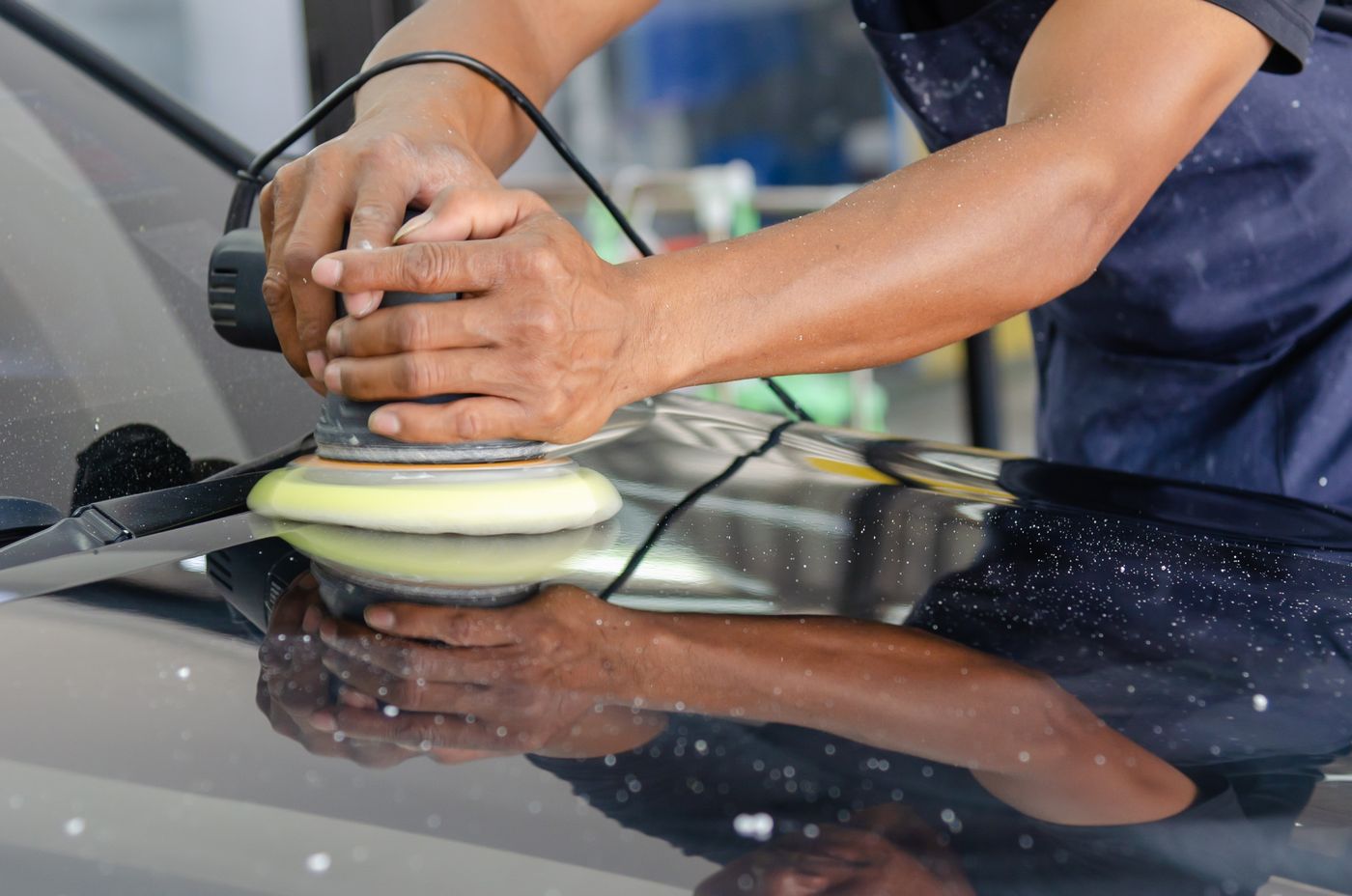
If your car is street-parked rather than garaged, and especially if you’re within a few miles of the coast, lean toward the more frequent end of any range you read — every 2 months rather than every 4, for example — or consider a longer-lasting synthetic sealant or ceramic coating instead of traditional wax specifically to reduce how often you need to think about it.
A Practical Waxing Schedule
If you want a starting point rather than relying purely on the water test:
- Garage-kept car, moderate driving: every 4-6 months with a quality synthetic sealant, or every 3-4 months with carnauba if you specifically want that finish.
- Street-parked car, coastal or high-sun climate: every 2-3 months, or consider stepping up to a longer-lasting sealant or ceramic coating.
- Daily driver in any climate: check with the water test monthly regardless of your product, and reapply as soon as beading starts to weaken rather than waiting for a fixed date.
Whatever schedule you land on, always wash and fully dry the car before waxing — applying wax over dirt or residue traps contaminants against the paint instead of protecting it.
Frequently Asked Questions
Can you wax your car too often?
Not really, in terms of paint damage — but it is possible to waste time and product reapplying wax that’s still working. If the water beading test still shows tight beads, you’re not gaining much by adding another coat yet. The exception is repeatedly applying wax over unwashed, contaminated paint, which can trap grit and cause fine scratching over time regardless of how often you do it.
Does ceramic coating mean I never need to wax again?
Effectively, yes, for the life of the coating — that’s the appeal. A quality ceramic coating lasting 2-5 years replaces the wax routine entirely during that window. Most ceramic coating systems still benefit from an occasional topper or maintenance spray, but that’s a lighter, less frequent task than a full wax cycle.
Is it bad to wax a car that already has oxidized paint?
Wax alone won’t fix existing oxidation — it can temporarily mask a mild case but won’t remove it, since oxidation is a breakdown of the clear coat itself, not just the wax layer. Paint that’s visibly chalky or faded usually needs polishing or compounding first to remove the oxidized layer before wax will bond and look right.
How do I know if I have wax or a sealant on my car already?
If you’re not sure what was last applied, the water test still works as a general protection check, but it won’t tell you the product type. When in doubt, a light clay bar treatment followed by a fresh application of whichever product you intend to use going forward is a reasonable reset, since layering an unknown product under a new one can cause inconsistent results.
Does washing my car wear off the wax faster?
Some, but proper washing (pH-neutral car soap, not dish soap) removes far less wax than skipping washes and letting contaminants sit on the paint. Automatic car washes with abrasive brushes are harder on wax than hand washing or a touchless wash. Regular gentle washing plus periodic rewaxing beats infrequent washing every time.
The Bottom Line
Aim for every 2-4 months as a starting baseline, but let the water beading test — not the calendar — actually tell you when it’s time. Coastal, sun-heavy, and street-parked conditions push you toward the more frequent end, and switching from carnauba wax to a synthetic sealant or ceramic coating is the real lever if you want to spend less time thinking about this.
If your paint needs more than routine protection — chips, scratches, or fading that wax won’t fix — contact San Diego Bumper and Collision for an estimate.