A serpentine belt replacement costs $90 to $250 at most independent shops, with the belt itself running $25-$150 and labor adding $50-$125 for a job that typically takes 30 minutes to an hour (RepairPal, retrieved July 2026). Dealerships often charge $200-$300 or more for the same job because of higher labor rates and OEM-only parts. If the belt tensioner or idler pulleys also need replacing, which is common once a belt has failed rather than just worn, the total commonly climbs to $250-$600+.
Key Takeaways
- Belt-only replacement: $90-$250 at an independent shop, $200-$300+ at a dealership.
- Add a tensioner or idler pulley to the job and the total typically lands between $250 and $600+.
- Most manufacturers call for replacement somewhere in the 60,000-100,000 mile range, but a handful only specify a shorter inspection interval.
- DIY replacement needs little more than a belt, a routing diagram, and a $15 tensioner tool, saving roughly $80-$200 in labor.
- Squealing on startup, a heavy steering wheel, or a warm AC vent are the three symptoms that send most drivers in for a belt check.
What Determines the Cost of a Serpentine Belt Replacement?
Three variables move the price more than anything else: where you get the work done, whether the belt is the only failed part, and how accessible it is on your specific engine. On most cars the belt sits at the front of the engine and takes 30-60 minutes to swap, which is why the labor charge stays modest compared to jobs that require disassembly. On some transverse-mounted V6 and V8 layouts, though, the belt runs behind an engine mount or splash shield, and shops bill extra time to work around it.
The belt itself costs $25-$150 depending on length, rib count, and whether it’s a generic aftermarket part or an OEM-specified one (RepairPal, retrieved July 2026). Labor runs $50-$125 at independent shops. Once you add a worn tensioner ($100-$250 for the part) or idler pulley, both of which commonly fail around the same mileage as the belt, the job’s total moves into the $250-$600+ range.
| Scenario | Typical Total Cost | What’s Included |
|---|---|---|
| DIY (belt only) | $25-$75 | Belt + tensioner tool, your own labor |
| Independent shop (belt only) | $90-$250 | Belt + 30-60 minutes of labor |
| Dealership (belt only) | $200-$300+ | OEM belt + higher shop labor rate |
| Belt + tensioner or idler pulley | $250-$600+ | Belt, plus one or more worn drive components |
Signs Your Serpentine Belt Needs Replacing
A high-pitched squeal or chirp on startup is the most common warning sign, and it usually points to wear or improper tension rather than a one-time slip (O’Reilly Auto Parts, retrieved July 2026). Beyond the noise, check for these signs before they leave you stranded:
Visual wear
Look for cracking, fraying, missing chunks, or shallow rib grooves. More than three cracks within any three-inch section of the belt means it’s time to replace it. A belt that looks shiny or glazed on its flat side has been slipping against a pulley, which accelerates failure.
Power steering and AC problems
If the steering wheel feels heavier than usual, you hear whining when turning, or the air conditioning stops blowing cold, the serpentine belt is the first thing to inspect. It drives both systems on most vehicles, so a slipping or failing belt affects them together, not one at a time.
Overheating
Because the serpentine belt also spins the water pump on most engines, a snapped belt can cause the engine to overheat within minutes. This is the failure mode that turns a $150 maintenance item into a tow bill, which is the main argument for replacing the belt on a schedule instead of waiting for it to fail.
How Often Should You Replace a Serpentine Belt?
Most manufacturers call for replacement somewhere between 60,000 and 100,000 miles, but the exact number depends on your make, model, and belt material (Motorist Care, retrieved July 2026). Not every automaker publishes a hard mileage number. Mercedes-Benz specifies inspection every two years or 20,000 miles rather than a fixed replacement point, while Volkswagen calls for inspection every 40,000 miles. Your owner’s manual is the most reliable source because it accounts for your specific engine and belt design.
Mileage alone isn’t the whole story, either. If you drive fewer than 10,000 miles a year, rubber degrades from age and heat cycling before it wears from friction, so most shops recommend replacing the belt every four to six years regardless of the odometer.
Can You Replace a Serpentine Belt Yourself?
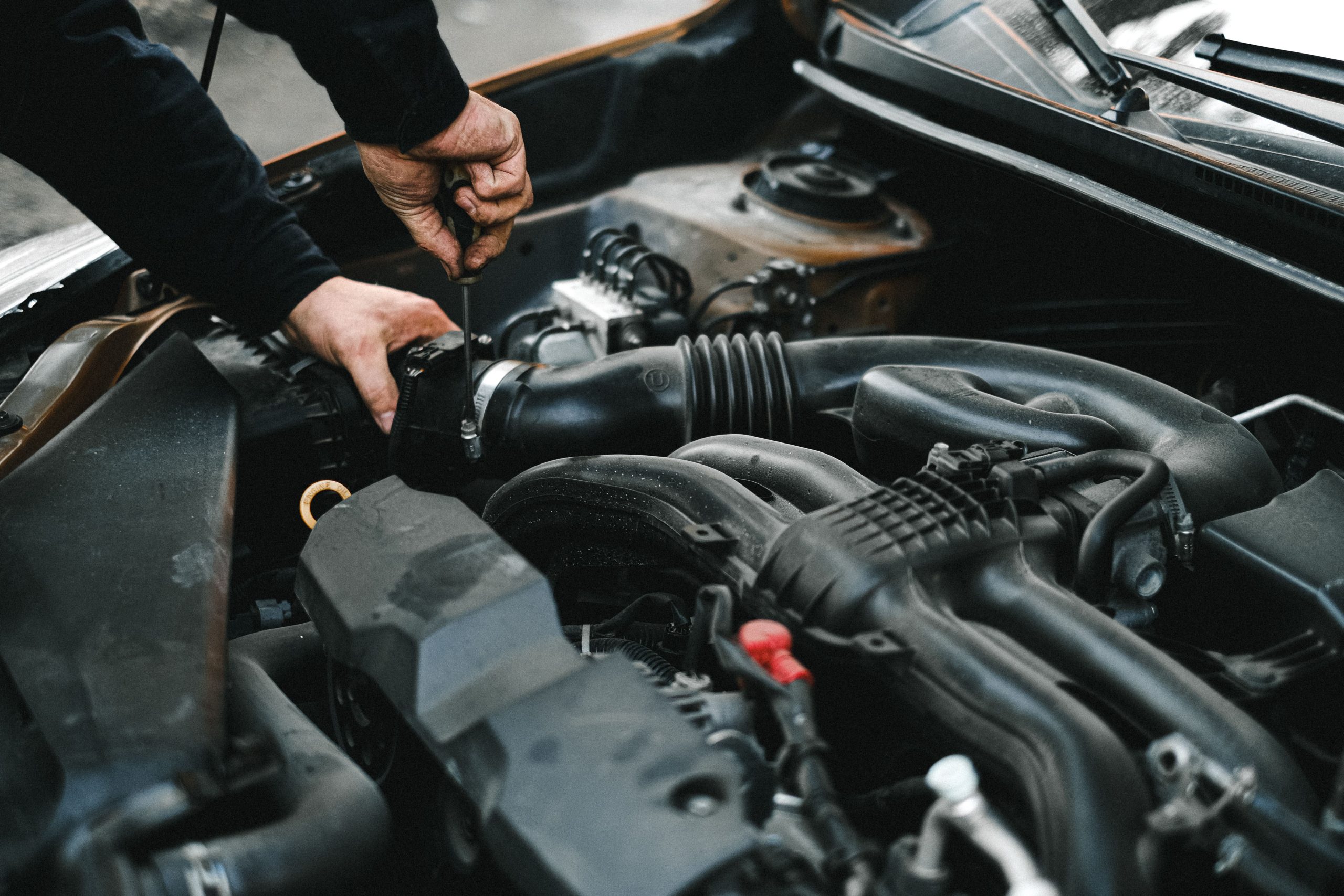
Yes, and it’s one of the more approachable DIY jobs on a modern car. Replacing a serpentine belt yourself typically costs $25-$90 for the belt and a tensioner tool, saving $80-$200 in labor compared to a shop visit (PartCatalog, retrieved July 2026). Difficulty-wise, it rates around a 4 out of 10, similar to a brake pad swap, but the specific steps vary enough by vehicle that you should pull up your factory routing diagram before starting.
What you’ll need:
- The replacement belt, matched to your vehicle’s exact rib count and length
- A serpentine belt tool or a 3/8-inch breaker bar to release tensioner pressure ($15 or less; some DIYers use a $0.70 hardware-store nut instead)
- A socket set, typically 13mm-15mm for the tensioner bolt
- A photo or printed copy of the routing diagram, usually on a sticker under the hood
The one place DIY replacement runs into trouble is diagnosing a bad tensioner or idler pulley. Both wear out on roughly the same schedule as the belt itself, and a failing one will chew through a brand-new belt in weeks. If your old belt shows uneven wear on one edge, or the tensioner arm feels loose or noisy when you move it by hand, that’s worth a second opinion from a shop before you close the hood.
Frequently Asked Questions
How long does a serpentine belt replacement take?
Most shops complete a straightforward belt-only replacement in 30 minutes to an hour. Vehicles where the belt runs behind an engine mount or splash shield can take longer, which shows up as a higher labor charge on the invoice.
What happens if a serpentine belt breaks while driving?
You’ll lose power steering assist immediately and, on most engines, the water pump stops turning too, which can lead to overheating within a few minutes. It’s safe to coast to a stop, but the car shouldn’t be driven further until the belt is replaced.
Is it worth replacing the tensioner at the same time as the belt?
If the tensioner has similar mileage to the belt or shows any looseness, noise, or wobble, replacing both at once is usually cheaper in the long run than paying for labor twice. Many independent shops will inspect the tensioner and idler pulleys as part of a belt quote at no extra charge.
The Bottom Line
Budget $90-$250 for a straightforward serpentine belt replacement at an independent shop, more at a dealership, and expect $250-$600+ if the tensioner or a pulley needs to come along for the ride. The belt is inexpensive insurance against a roadside overheat, so replacing it on your manufacturer’s schedule, or sooner if you hear squealing or feel heavy steering, is one of the cheaper ways to avoid a much larger repair bill later.
If you’re hearing a belt squeal or noticed a crack during your last oil change, contact our San Diego shop for a quick inspection and a same-day quote.