Fixing an oil leak costs anywhere from $10 for a bottle of stop-leak additive to $2,000+ for a rear main seal replacement, and which end of that range you land on depends less on your car and more on where the leak actually is. A DIY gasket swap can cut the repair bill by 50-70% compared to a shop — but only if you have the right leak, the right tools, and the time to do it twice if the first attempt doesn’t seal.
Here’s what each type of oil leak actually costs to fix, what’s realistic to do yourself, and where DIY stops making sense.
Key Takeaways
- Shop repair costs average $150-$1,500+ depending on leak location — valve cover gaskets are cheapest, rear main seals and timing covers are the most expensive.
- DIY stop-leak additives cost $10-$20 and can buy time on a minor seep, but they don’t fix worn gaskets and can clog oil passages in modern engines.
- DIY gasket replacement (valve cover, oil pan) typically costs $30-$150 in parts versus $150-$1,000+ at a shop — if the leak is accessible and you’re comfortable working under the hood.
- Rear main seal and timing cover leaks are not realistic DIY jobs for most owners — they often require pulling the transmission or engine, and a bad DIY attempt can turn a $1,200 repair into a $3,000+ one.
Oil Leak Repair Cost by Type
| Leak source | DIY parts cost | Shop cost (parts + labor) | DIY realistic? |
|---|---|---|---|
| Oil filter / drain plug | $5-$20 | $30-$150 | Yes |
| Valve cover gasket | $15-$60 | $150-$500 | Yes, most vehicles |
| Oil pan gasket | $30-$150 | $300-$1,000 | Depends on engine layout |
| Rear main seal | $5-$110 (part only) | $700-$2,000+ | Not for most DIYers |
| Timing cover / front seal | $40-$150 | $500-$2,000+ | Rarely |
Figures compiled from published 2026 repair-cost guides (J.D. Power; Synchrony; AutoNation Mobile Service; TheCostGuys). Shop totals average around $800 overall once labor is factored in, with independent-shop labor running roughly $100-$150 per hour nationally and higher in metro areas like San Diego.
Why Location Matters More Than the Car
Leaks toward the top or bottom of the engine — the valve cover, oil pan, filter housing, or drain plug — are the cheapest to fix because they’re the easiest to reach. A tech (or you) can get to the gasket or seal without removing much else.
Leaks at the front or back of the engine are a different story. The rear main seal sits between the engine and transmission, which usually means pulling the transmission — or in some layouts, separating the engine from it entirely — just to access a part that costs $5-$110 on its own. That’s why labor, not parts, drives 80-90% of the bill on these jobs. The same logic applies to the timing cover at the front of the engine, which often sits behind belts, pulleys, and sometimes the radiator.
DIY Option 1: Stop-Leak Additives
A bottle of stop-leak additive costs $10-$20 and pours straight into the oil fill port — no tools required. For a minor seep caused by a dried-out or slightly shrunken seal, these products can genuinely soften the rubber back to a usable size and stop or reduce the leak for months.
They’re not a fix for a real leak, though. If a gasket is torn, cracked, or badly worn, additive won’t rebuild it — you’ll just delay the inevitable repair. Some products also carry real risk: those with particulate matter designed to “plug” small gaps can settle in the oil pan or clog narrow passages in modern engines, and over-softening a seal can make it fail completely instead of sealing it (Torque News). Treat additives as a $15 stopgap for a minor, recently-noticed leak — not a substitute for replacing a visibly failed gasket.
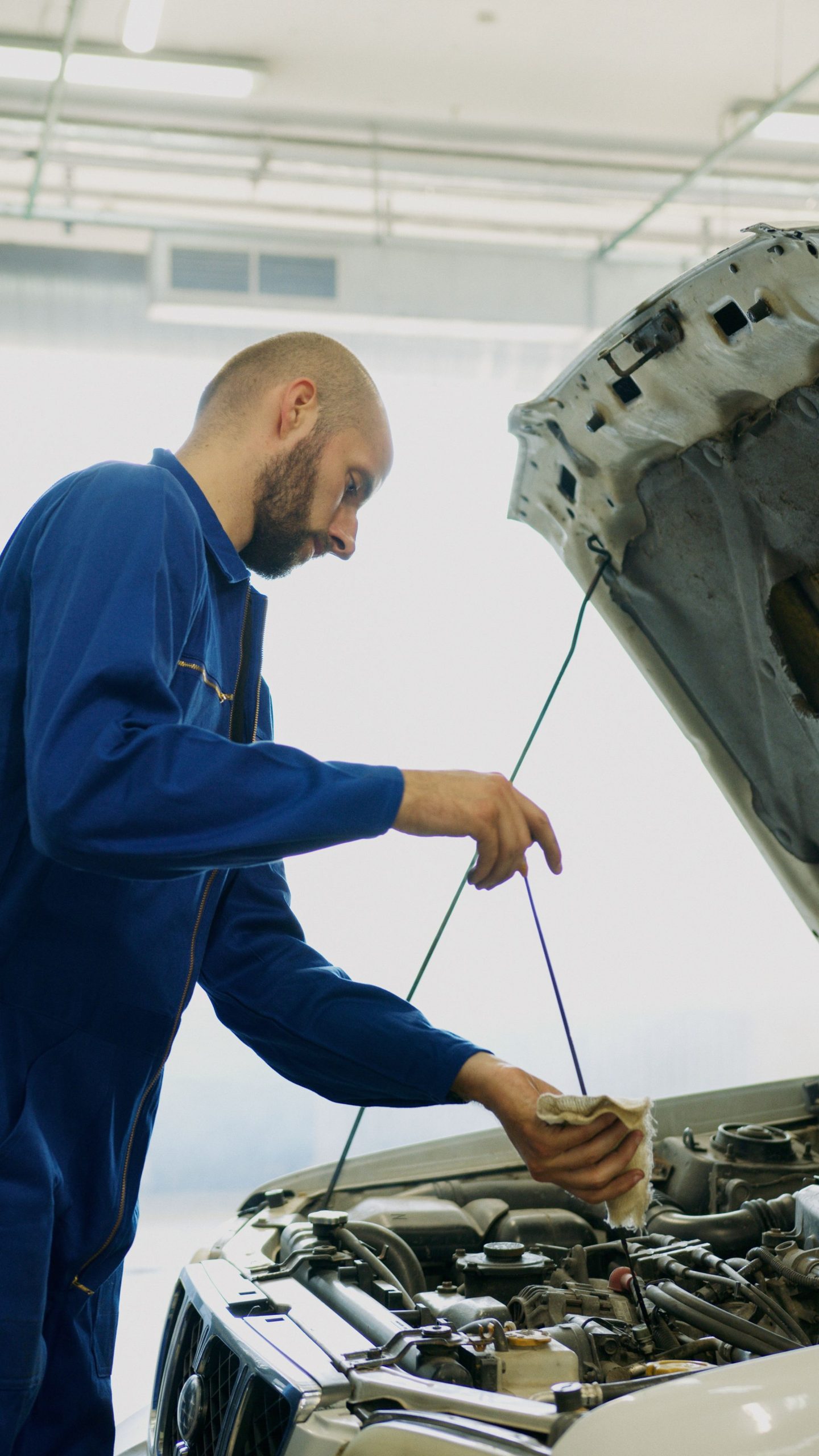
DIY Option 2: Replacing the Gasket or Seal Yourself
For accessible leaks — valve cover, oil pan, or a leaking drain plug/filter — doing the repair yourself is often realistic and cuts the cost dramatically:
- Valve cover gasket: $15-$60 in parts, 1-3 hours for most engines, basic hand tools. One of the more forgiving DIY jobs — if you’d rather have a shop handle it instead, our valve cover gasket replacement cost guide breaks down what that runs by engine layout.
- Oil pan gasket: $30-$150 in parts. Time and difficulty swing wildly by engine — some pans drop in under an hour, others require dropping a subframe or exhaust components first. Check your specific engine layout before committing.
- Drain plug or filter leak: Often just a new crush washer ($1-$5) or correctly torqued filter. The cheapest fix on this list, and a common cause of “mystery” leaks after a DIY oil change.
The catch isn’t the parts cost — it’s everything around it. You’ll need to safely support the vehicle, drain and dispose of old oil, torque bolts to spec (over-tightening a valve cover is a classic way to warp it and create a new leak), and in some cases replace crush washers or apply the correct sealant. AutoZone’s repair guide and your vehicle’s service manual are worth reading in full before starting, not skimming halfway through the job.
When DIY Stops Making Sense
Two jobs on this list are worth being honest about: rear main seal and timing cover repairs. Both typically require:
- Removing the transmission (rear main seal) or extensive front-end teardown (timing cover)
- Specialty tools — transmission jacks, engine support fixtures, seal drivers
- Precise torque sequences where a mistake can damage the block, crank, or timing components
Get these wrong and you’re not looking at redoing a $50 gasket — you’re looking at a damaged engine, a transmission that won’t reseat correctly, or a comeback that costs more than the original shop quote would have. This is where the labor rate that seemed expensive on paper is actually buying specialized equipment and the ability to do the job once. Independent shop labor in the San Diego area, like most major metros, tends to run toward the higher end of the national $100-$150/hour range once you factor in cost of living (WickedFile; AutoLeap).
A useful rule of thumb: if the leak is on top of or underneath the engine and you can see the source without removing major components, DIY is worth considering. If reaching it means removing the transmission, exhaust system, or timing components, get a shop quote first — and get a second opinion if the estimate feels high, since these repairs vary a lot by shop.
Signs Your Leak Needs Attention Now, Not Later
Not every oil spot under the car is urgent, but a few signs mean it’s time to stop waiting:
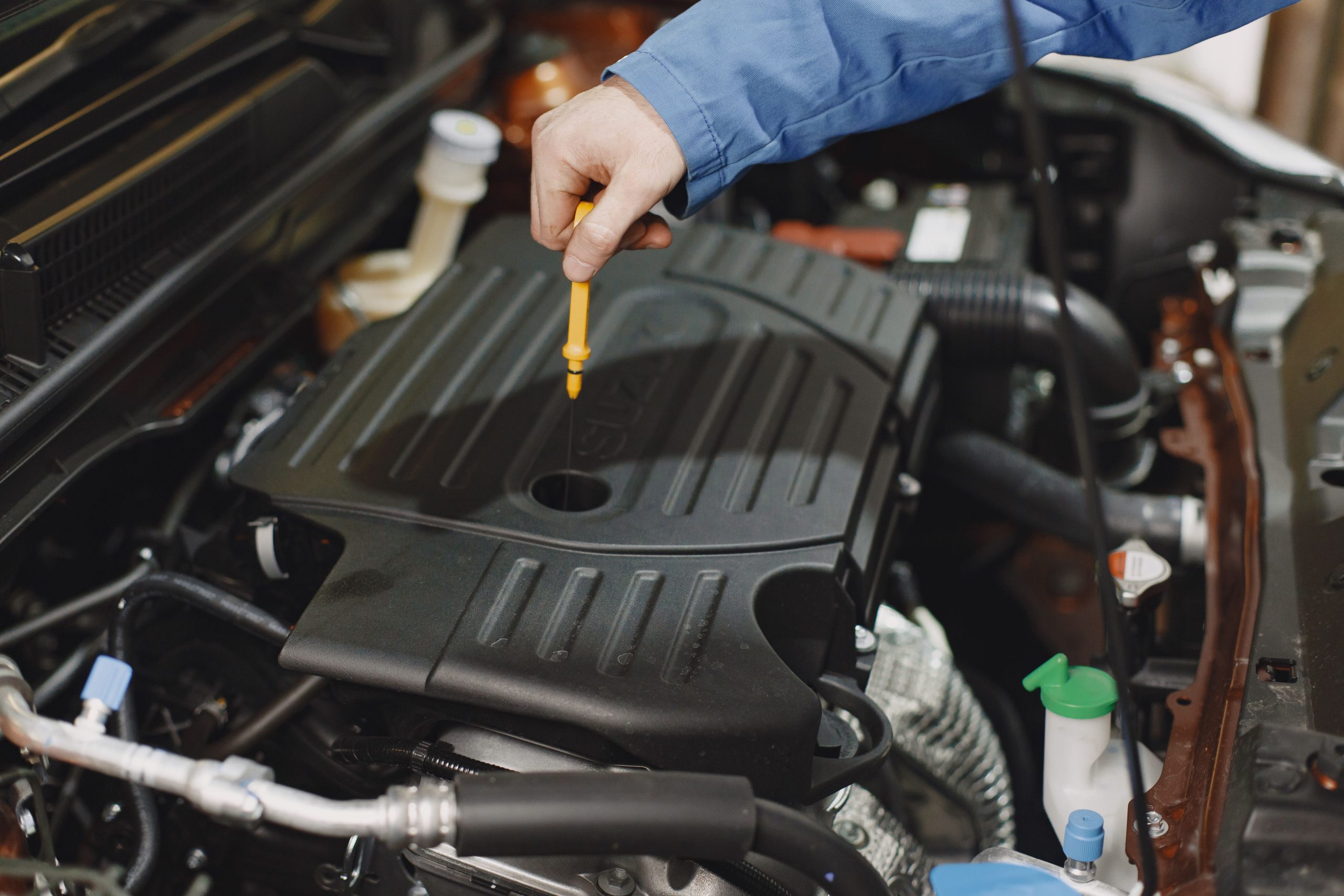
- The oil level drops noticeably between changes — a slow drip becomes an active leak faster than most owners expect.
- You smell burning oil while driving, which usually means oil is hitting the exhaust or engine block.
- The low oil pressure light comes on — stop driving and check the level immediately; running an engine low on oil risks permanent damage.
- The leak is dripping onto belts, the exhaust, or electrical components — beyond the mess, this is a fire and drivability risk.
Any of these move a leak from “monitor it” to “fix it this week,” regardless of whether you’re doing the work yourself or booking a shop.
Frequently Asked Questions
Is it worth fixing a minor oil leak myself?
For accessible leaks like a valve cover gasket or a loose drain plug, yes — the parts cost is low ($5-$60) and the job is forgiving for most DIYers with basic tools and a service manual. For leaks at the rear main seal or timing cover, the specialty tools and risk of expensive mistakes usually outweigh the savings.
Can I just keep adding oil instead of fixing the leak?
Only as a very short-term stopgap, and it’s a risky habit. Running low on oil between top-offs risks a low-pressure event that damages the engine, and a leak that’s dripping onto hot components is a safety issue independent of oil level.
How much does it cost to diagnose an oil leak at a shop?
Most shops charge $50-$150 for a dye test or visual inspection to pinpoint the exact source, which is often credited toward the repair if you proceed. It’s worth doing before assuming which gasket is at fault — leaks travel along the engine before dripping, so the visible drip point isn’t always the actual source.
Do stop-leak additives damage the engine?
Used correctly on a minor, recently developed leak, most reputable additives are low-risk. The concern is products with particulate fillers in modern engines with narrow oil passages, and over-softening seals that were already near failure. If the leak is significant or long-standing, replacing the actual gasket is the safer call.
The Bottom Line
Budget $10-$20 for a stop-leak additive on a minor seep, $30-$150 in parts for a DIY valve cover or oil pan gasket swap, and $700-$2,000+ for a shop to handle a rear main seal or timing cover leak. The deciding factor isn’t your comfort with tools in general — it’s whether the leak is at an accessible spot on the engine or buried behind the transmission.
If you’re not sure which one you’re dealing with, a proper diagnosis beats guessing. Contact San Diego Bumper and Collision for an inspection and an itemized quote before you decide whether it’s a weekend DIY job or a shop repair.