A constant velocity (CV) joint alone costs $1,195 to $1,323 to replace as a standalone part — which sounds high until you compare it to a complete CV axle at $300-$1,200, often cheaper than the joint by itself. A torn boot caught early is the exception: repacking it with fresh grease runs as little as $150-$520.
This guide covers what a CV joint actually does, why replacing just the joint is rarely the smart move once it’s already worn, and the boot-repack window that can save you hundreds if you catch it in time.
Key Takeaways
- Standalone joint replacement ($1,195-$1,323) usually costs more than a complete CV axle ($300-$1,200) — the labor to access it is most of the job either way.
- A torn boot caught before the joint is damaged can be repacked for $150-$520, a fraction of a full joint or axle replacement.
- Inner and outer CV joints are different designs — a tripod joint inboard, a ball-type Rzeppa joint outboard — built for different ranges of motion.
- Clicking when turning is the classic outer-joint symptom; a clunk on acceleration points more toward the inner joint.
What Does a CV Joint Actually Do?
A CV joint’s job is exactly what the name says: transmit power at a constant velocity even as the angle between the transmission and the wheel changes constantly with steering and suspension movement. Without it, power delivery would surge and dip every time the joint’s angle changed — noticeable, uncomfortable, and hard on the drivetrain.
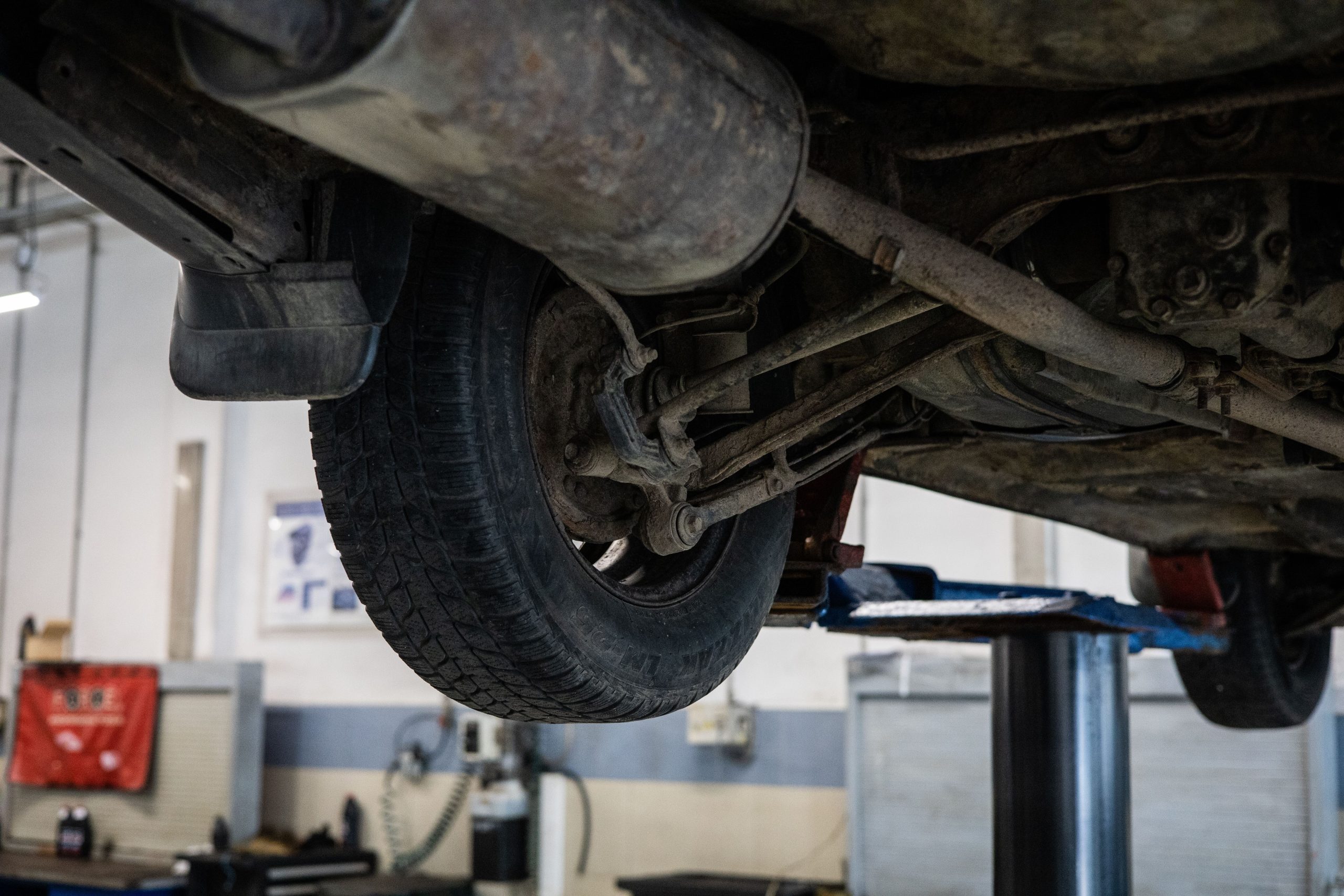
Each CV axle has two: an inner joint connecting to the transmission and an outer joint connecting to the wheel hub. They’re not interchangeable designs. The inner joint is almost always a tripod joint — needle-bearing rollers on a three-legged spider that can slide slightly in and out, accommodating the shaft’s changing effective length as the suspension moves. The outer joint is almost always a Rzeppa (ball-type) joint — six balls riding in curved grooves, built to handle steering angles up to roughly 47°, far more than the inner joint ever sees (Counterman).
CV Joint vs. CV Axle: Which Should You Actually Replace?
This is the real decision, and it’s a cost question as much as a mechanical one.
Boot repack: the right call if the boot has torn but you caught it immediately — before dirt and water got into the joint and before any clicking or vibration started. Clean the joint, repack it with fresh CV grease, and install a new boot for a fraction of the alternatives.
Standalone joint replacement: almost never the cheaper option in practice. By the time a joint has failed enough to need replacing on its own, most of the labor — pulling the axle, disconnecting it from the hub and transmission — is already required. Paying for a joint-only rebuild on top of that labor frequently costs more than simply installing a complete new or remanufactured axle (Car Talk).
Complete axle replacement: the default recommendation on most modern vehicles once a joint has actually failed. You get new inner and outer joints, fresh boots, and a straight shaft, all for less labor overhead than fixing just the failed piece. For the full cost breakdown by vehicle and DIY vs. shop math, see our CV axle replacement cost guide.
Signs a CV Joint Is Failing
- Clicking or popping when turning, especially at low speed in parking lots — the classic outer (Rzeppa) joint symptom.
- Clunking on acceleration or deceleration, which points more toward the inner (tripod) joint.
- Grease visible on the inside of the wheel or on the underside of the car — a torn boot losing lubricant.
- Vibration that increases with speed, as the joint’s internal wear creates imbalance under load.
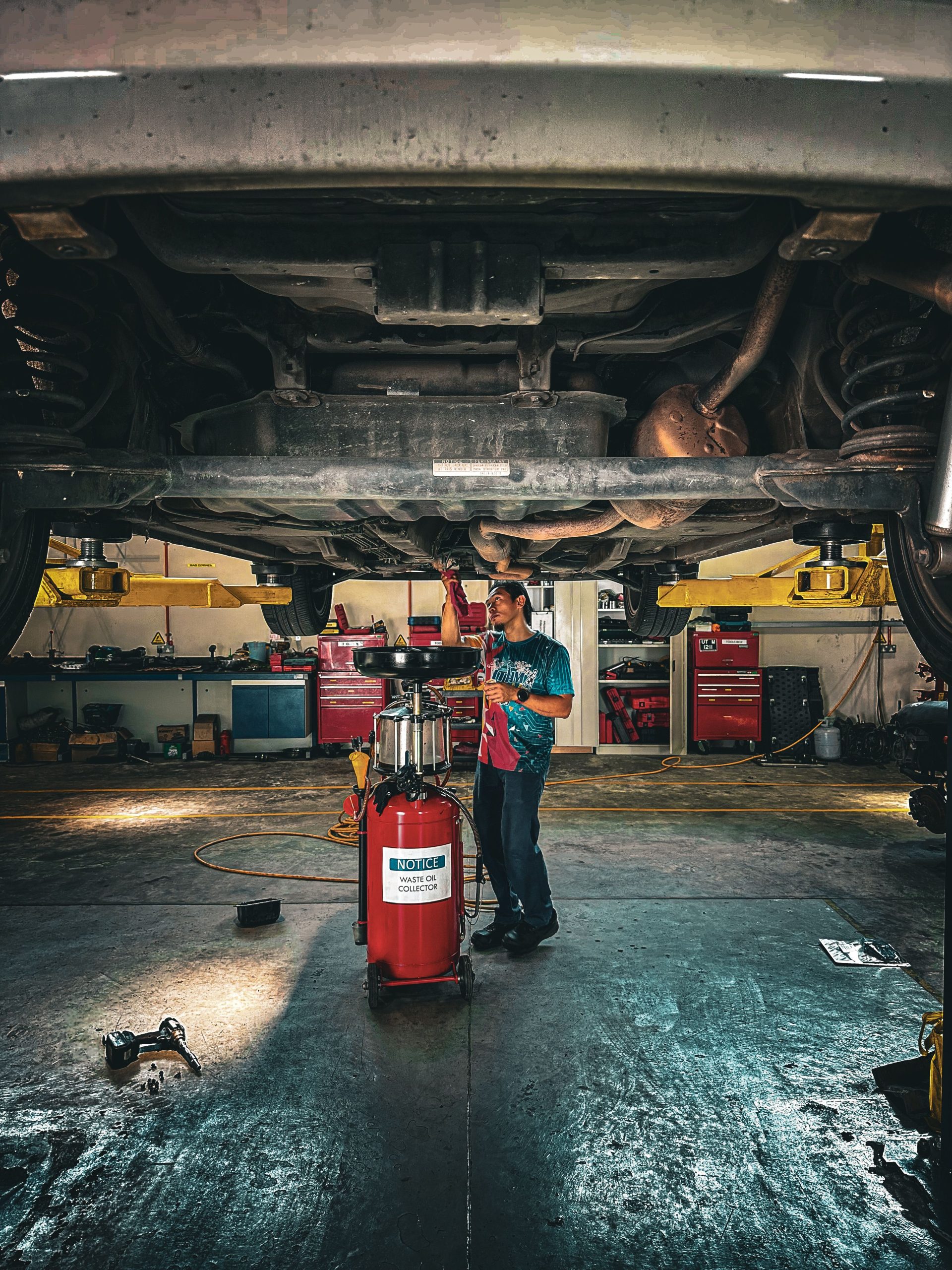
The outer joint’s clicking sound and the inner joint’s clunk are different enough that an experienced ear can often guess which one is failing before a shop even puts the car on a lift — though a lift inspection is still the way to confirm it.
Why the Boot Matters More Than People Think
The rubber boot isn’t a minor cosmetic part — it’s the only thing keeping grease in and contaminants out of a joint that’s constantly articulating under load. Once it tears, the joint is on borrowed time: dirt and water work their way in, the grease gets contaminated, and the internal bearings or ball tracks start wearing at an accelerated rate.
Checking CV boots during routine service — a quick visual look for cracks or splits — is one of the cheapest ways to avoid this entire decision tree. A $20-$60 boot caught early is a very different repair than a joint that’s already clicking.
Frequently Asked Questions
Is a CV joint the same thing as a CV axle?
No. The CV axle is the entire shaft assembly running from the transmission to the wheel hub, with a CV joint at each end. “CV joint” refers to just one of those two joints, not the whole assembly.
Can I just replace one CV joint instead of both on the same axle?
Technically yes if only one has failed, but in practice most shops replace the whole axle once any joint on it needs work, since the labor to access either joint is nearly identical and a complete axle includes both new joints and boots for not much more.
How is a clicking CV joint different from a bad wheel bearing?
The sound and trigger differ. A CV joint clicks specifically when turning, especially at low speed. A wheel bearing instead produces a continuous hum or growl that changes with vehicle speed and doesn’t require turning to appear. Both can be present on the same vehicle, so a shop inspection is worth it if you’re unsure.
How long can I drive on a clicking CV joint?
Longer than some suspension failures, but don’t push it. A clicking outer joint will keep wearing and can eventually separate, which causes a sudden loss of power to that wheel. Treat it as a near-term repair rather than something to monitor indefinitely.
The Bottom Line
Catch a torn boot early and a repack runs $150-$520. Wait until the joint is actually clicking or clunking, and a complete CV axle ($300-$1,200) is usually the better value than paying for the joint alone ($1,195-$1,323), since most of the labor is identical either way. Clicking when turning points to the outer joint; a clunk under acceleration points to the inner one.
Hearing a click or clunk and not sure which joint — or which part — is the problem? Contact San Diego Bumper and Collision for an inspection before you order parts.