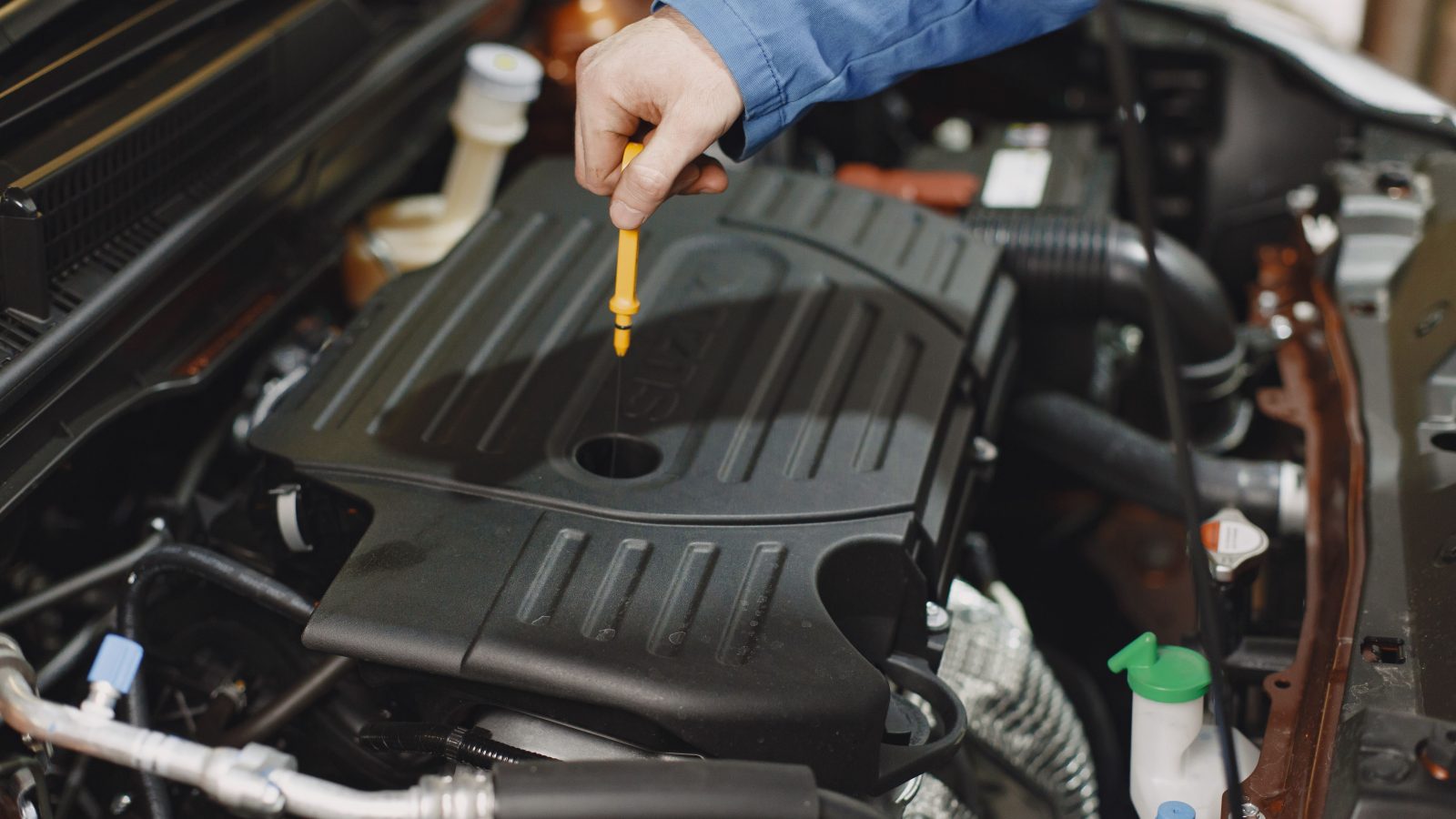
To check automatic transmission fluid, start the engine and let it reach normal operating temperature, keep it running, put the shifter in Park or Neutral with the parking brake on, then pull the transmission dipstick, wipe it clean, reinsert it fully, and pull it out again to read the level. Fresh fluid should look pinkish-red and almost clear — dark, cloudy, or burnt-smelling fluid means it’s overdue for service regardless of what the level shows.
Manual transmissions and many modern “sealed” automatics work differently — here’s how to tell what you’re dealing with and check it correctly either way.
Key Takeaways
- Check automatic fluid with the engine running and warm, shifter in Park or Neutral — checking cold or with the engine off gives a false reading on most vehicles.
- Fresh fluid is pinkish-red and nearly transparent. Dark brown, black, cloudy, or burnt-smelling fluid means a service is due even if the level is correct.
- Many manual transmissions have no dipstick at all — they’re checked via a fill plug, usually requiring the car on a lift.
- Slipping gears, delayed engagement, and a burning smell are the classic signs fluid is low or degraded — don’t wait for a warning light.
How to Check Automatic Transmission Fluid
- Park on level ground and let the engine warm up to normal operating temperature — a cold check gives an inaccurate reading on most vehicles.
- Leave the engine running, shift into Park or Neutral, and set the parking brake. Unlike engine oil, most automatic transmission fluid is checked hot and running, not with the engine off.
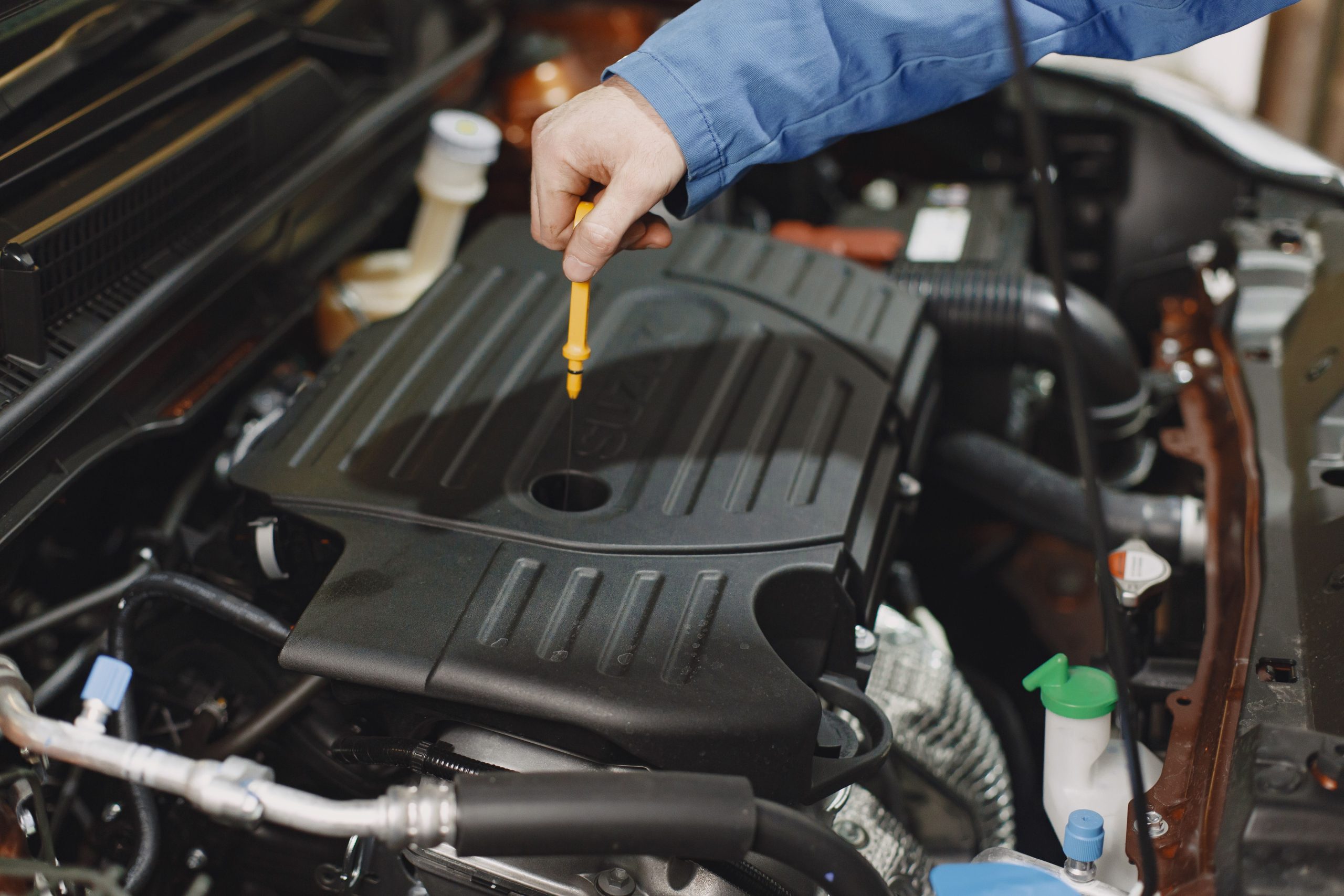
- Locate the transmission dipstick, usually toward the back of the engine bay — check your owner’s manual if you’re not sure which dipstick is which.
- Pull it out, wipe it clean with a rag or paper towel, then insert it all the way back in.
- Pull it out again and read the level against the markings — most dipsticks show a “hot” range separate from a “cold” range, so make sure you’re reading the correct one.
Check the fluid’s color and smell at the same time you check the level — a correct level with degraded fluid is still a problem worth addressing (The Drive; Dummies).
What If Your Car Doesn’t Have a Transmission Dipstick?
A growing number of newer vehicles use “sealed for life” automatic transmissions with no dipstick at all — the manufacturer’s position is that the fluid isn’t meant to be checked or changed by the owner under normal circumstances. If you can’t find a transmission dipstick, check your owner’s manual before assuming something’s missing; on these vehicles, checking the level (if needed at all) typically requires a shop with the vehicle on a lift and access to a fill plug.
Manual transmissions almost never have a dipstick either. They’re checked via a fill plug on the underside of the transmission case, which usually means the car needs to be on a hoist for a technician to reach it. Manual transmissions are also factory-filled and typically don’t need routine top-offs the way some automatics do (The Drive).
Reading Transmission Fluid Color and Condition
| Fluid appearance | What it means |
|---|---|
| Bright pinkish-red, nearly clear | Fresh, healthy fluid |
| Darker red or reddish-brown | Aging but still functional — keep an eye on it |
| Dark brown or black | Degraded — service is due |
| Cloudy or milky | Possible water contamination or air churning from low fluid |
| Burnt smell, gritty texture | Overheated or breaking down — don’t delay service |
A burnt smell specifically points to heat damage — when fluid runs low, operating temperatures climb sharply, and the fluid itself starts to break down under that heat, compounding the original problem (CarTreatments).

Signs Your Transmission Fluid Needs Attention
- Hesitation or delayed engagement when shifting into Drive or Reverse — a beat or two before the car actually moves.
- Slipping gears, where the engine revs without a corresponding increase in speed.
- A burning smell, especially noticeable after highway driving or towing.
- Whining or grinding noises that change with engine RPM.
- A reddish puddle under the car — distinct from the darker, thicker look of an engine oil leak, though both are worth tracking down quickly.
- The transmission running hot or a dashboard warning light.
Low fluid and dirty fluid are two different problems worth telling apart: a low level almost always means a leak somewhere, while degraded color and smell mean it’s simply time for a fluid service — even if the level itself checks out fine.
How Often Should You Change Transmission Fluid?
Intervals vary widely: modern automatics under normal driving can stretch to 100,000 miles, while the same transmission under severe service — heavy towing, stop-and-go traffic, extreme temperatures — often needs fluid every 30,000 miles. CVTs generally fall in the 30,000-60,000 mile range, and trucks or SUVs under severe use sometimes need service as often as every 20,000-25,000 miles (Advanced Transmission Center). Regardless of mileage, most shops recommend a change at least every five years, and sooner if any of the warning signs above show up.
Your owner’s manual has the manufacturer-specific number for your exact transmission — the ranges above are a starting point, not a substitute for checking it. If your maintenance light or service reminder is due, our maintenance light reset guide covers how that indicator relates to scheduled service intervals like this one.
Frequently Asked Questions
Can I check transmission fluid with the engine off?
On most traditional automatics, no — the fluid needs to be circulating and at operating temperature for an accurate reading, which means checking it with the engine running. Always confirm your specific vehicle’s procedure in the owner’s manual, since a few models do specify a different method.
What color should transmission fluid be?
Fresh fluid is bright pinkish-red and close to transparent. As it ages it darkens toward reddish-brown, and once it turns dark brown, black, or cloudy, it’s overdue for a change regardless of mileage.
Is it normal for a manual transmission to have no dipstick?
Yes, this is standard, not a defect. Manual transmissions are typically factory-filled and checked through a fill plug rather than a dipstick, and most don’t require routine fluid top-offs between scheduled services.
Can low transmission fluid damage the transmission?
Yes, and this is the real risk of ignoring it. Low fluid raises operating temperature, which accelerates fluid breakdown and increases wear on internal components — left unaddressed, this can turn a fluid top-off into a full transmission repair.
The Bottom Line
Check automatic transmission fluid hot, with the engine running and the shifter in Park or Neutral — pull the dipstick, wipe it, reinsert, and read it again. Fresh fluid is pinkish-red and nearly clear; anything dark, cloudy, or burnt-smelling means service is due. Manual and many newer “sealed” automatics skip the dipstick entirely, so check your owner’s manual before assuming your car is missing one.
Noticing slipping, delayed engagement, or a burning smell? Contact San Diego Bumper and Collision for an inspection before a fluid problem becomes a transmission problem.