

There’s no single “amp rating” for a car battery — it’s measured in Cold Cranking Amps (CCA), and most passenger cars use a battery rated between 350 and 600 CCA, while trucks and SUVs often need 600 to 1,000+ CCA. That number specifically measures how many amps the battery can deliver for 30 seconds at 0°F while still holding at least 7.2 volts — it’s a cold-weather starting-power spec, not a measure of overall battery capacity.
Here’s exactly what that number means, why it’s different from the other ratings printed on the same label, and how to pick the right one.
Key Takeaways
- Passenger cars typically need 350-600 CCA; trucks and SUVs often need 600-1,000+ CCA.
- CCA measures cold-weather starting power — amps delivered for 30 seconds at 0°F while holding 7.2 volts, per Battery Council International standards.
- Reserve Capacity (RC) measures something different — how long the battery can supply 25 amps before dropping below 10.5 volts, which matters more for running accessories than starting the engine.
- A higher CCA than your vehicle needs isn’t harmful — it’s just a buffer. A lower CCA than specified risks a no-start in cold weather.
What CCA Actually Measures
Cold Cranking Amps is a standardized test defined by the Battery Council International (BCI): a fully charged 12-volt battery is chilled to exactly 0°F (-18°C) for eight hours, then a load equal to its rated CCA is applied continuously. To pass at a given rating, the battery has to sustain at least 7.2 volts for a full 30 seconds (RELiON).
That specific test condition matters because cold temperatures slow the chemical reactions inside a battery, increase internal resistance, and thicken engine oil — all of which demand more current just to turn the engine over. A battery that starts your car easily in July can struggle in January purely because of temperature, which is exactly why CCA exists as a dedicated cold-weather spec rather than folding into a general capacity number.
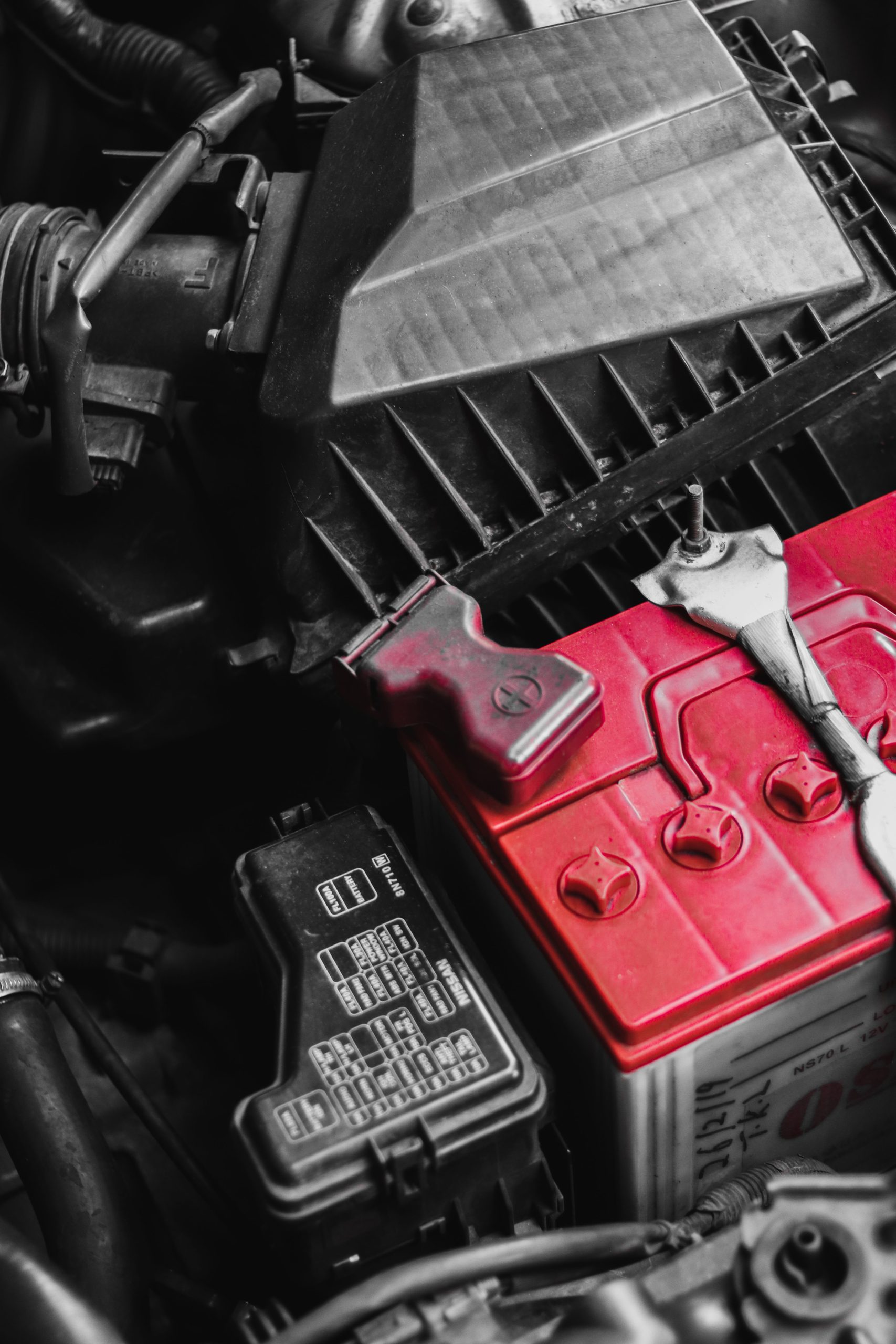
Typical CCA by Vehicle Type
Larger engines, diesel engines, and vehicles carrying more electrical accessories generally need higher CCA to start reliably, which is why the truck and SUV range runs meaningfully higher than typical sedans and compact cars.
CCA vs. Reserve Capacity — Different Jobs
CCA and Reserve Capacity (RC) often get confused because they’re both printed on the same battery label, but they measure completely different things. CCA is about power — a short, intense burst needed to crank the engine in cold weather. RC is about energy over time — specifically, how many minutes the battery can supply a steady 25 amps before dropping below 10.5 volts (UFine Battery).
In practical terms: CCA determines whether your car starts on a cold morning. RC determines how long your headlights, radio, and other accessories keep running if your alternator fails or you leave something on with the engine off. If you take a lot of short trips or run heavy accessory loads, RC matters more than the CCA number alone suggests — the two ratings answer different questions, and neither one fully substitutes for the other.
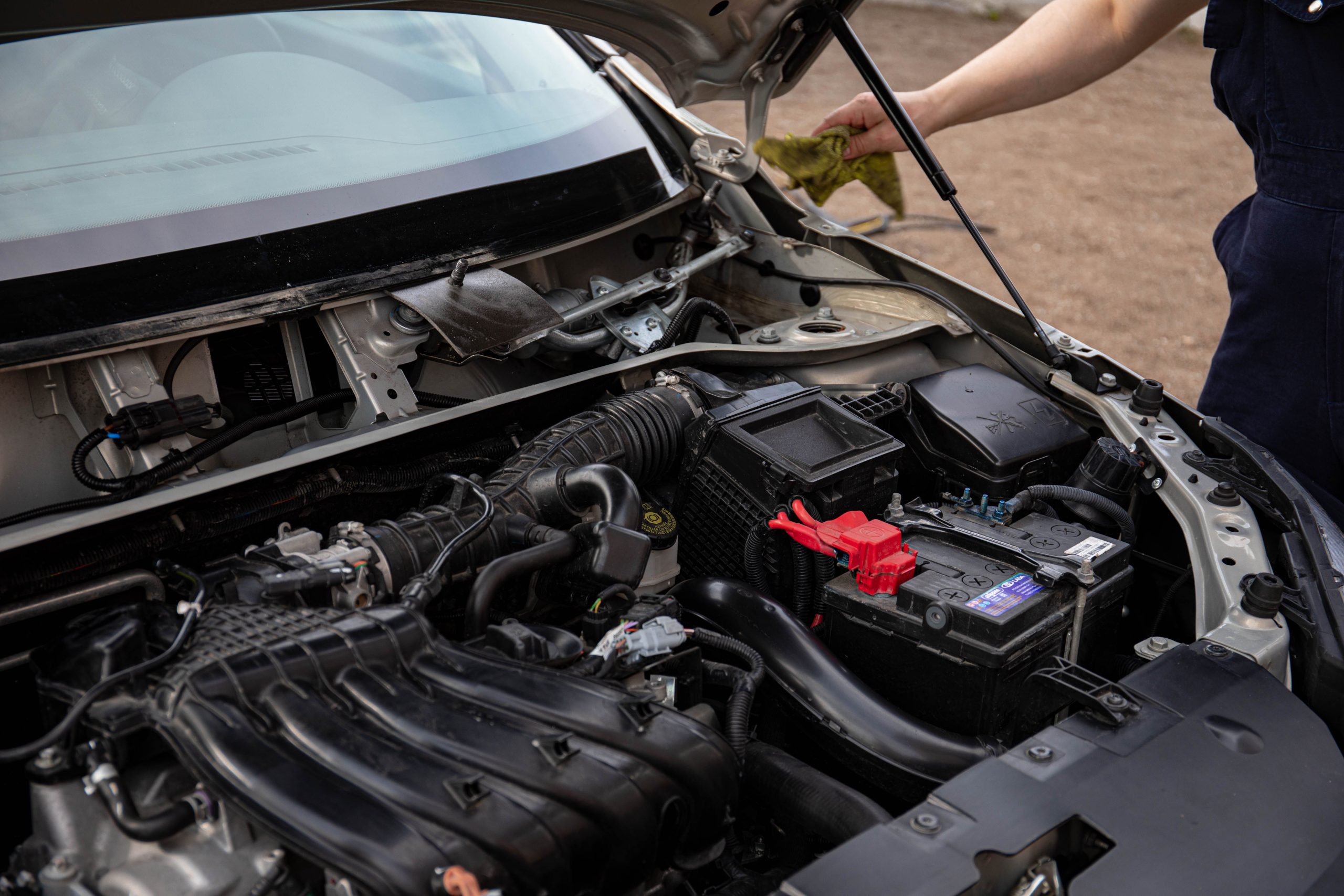
Where to Find Your Battery’s Actual Rating
Look for the label on the top or side of the battery case — it lists voltage, part number, and the CA, CCA, RC, and Ah ratings together. One catch worth knowing: some manufacturers print CA (Cranking Amps, a warmer-weather test at 32°F) in large text and tuck the actual CCA number into smaller print nearby. CA numbers are always higher than CCA for the same battery, so don’t mistake one for the other when comparing batteries or replacing yours (SlashGear).
Your vehicle’s owner’s manual or the battery currently installed is the most reliable source for the CCA your specific car needs — don’t just guess based on vehicle size, especially on vehicles with heavy factory electronics or engine start-stop systems that cycle the starter far more often than older vehicles.
Frequently Asked Questions
Can I use a battery with higher CCA than my car needs?
Yes, generally without issue. A higher CCA than the manufacturer’s minimum just gives you extra cold-weather starting margin — it doesn’t damage the vehicle’s electrical system as long as the physical size and terminal configuration still fit correctly.
What happens if my battery’s CCA is too low?
The most common symptom is a slow or failed crank in cold weather, since the battery can’t deliver enough current fast enough to turn the engine over. It may still start fine in warm weather while struggling or failing on cold mornings.
Does a car battery’s CCA decrease with age?
Yes. A battery’s effective CCA drops as it ages, even if the label rating hasn’t changed, since internal plates degrade and resistance increases over years of charge cycles. A battery that started your car reliably for years can suddenly fail a cold snap once its real-world CCA has dropped well below its rated number.
Does a bad alternator or serpentine belt affect starting power?
Indirectly, yes. The alternator recharges the battery while driving, and it’s driven by the serpentine belt — a slipping or broken belt means the battery isn’t being recharged properly, which can leave it too depleted to deliver its rated CCA by the time you need it.
The Bottom Line
There’s no single “amp” number for a car battery — CCA is the spec that matters for starting power, typically 350-600 for passenger cars and 600-1,000+ for trucks and SUVs, measured specifically at 0°F. Reserve Capacity is a separate number that matters more for running accessories than cranking the engine. Check the actual label rather than guessing, and don’t confuse CA (a warmer-weather test) with CCA when comparing batteries.
Not sure what CCA your vehicle needs, or dealing with a slow crank? Contact San Diego Bumper and Collision for a battery test and the right replacement.