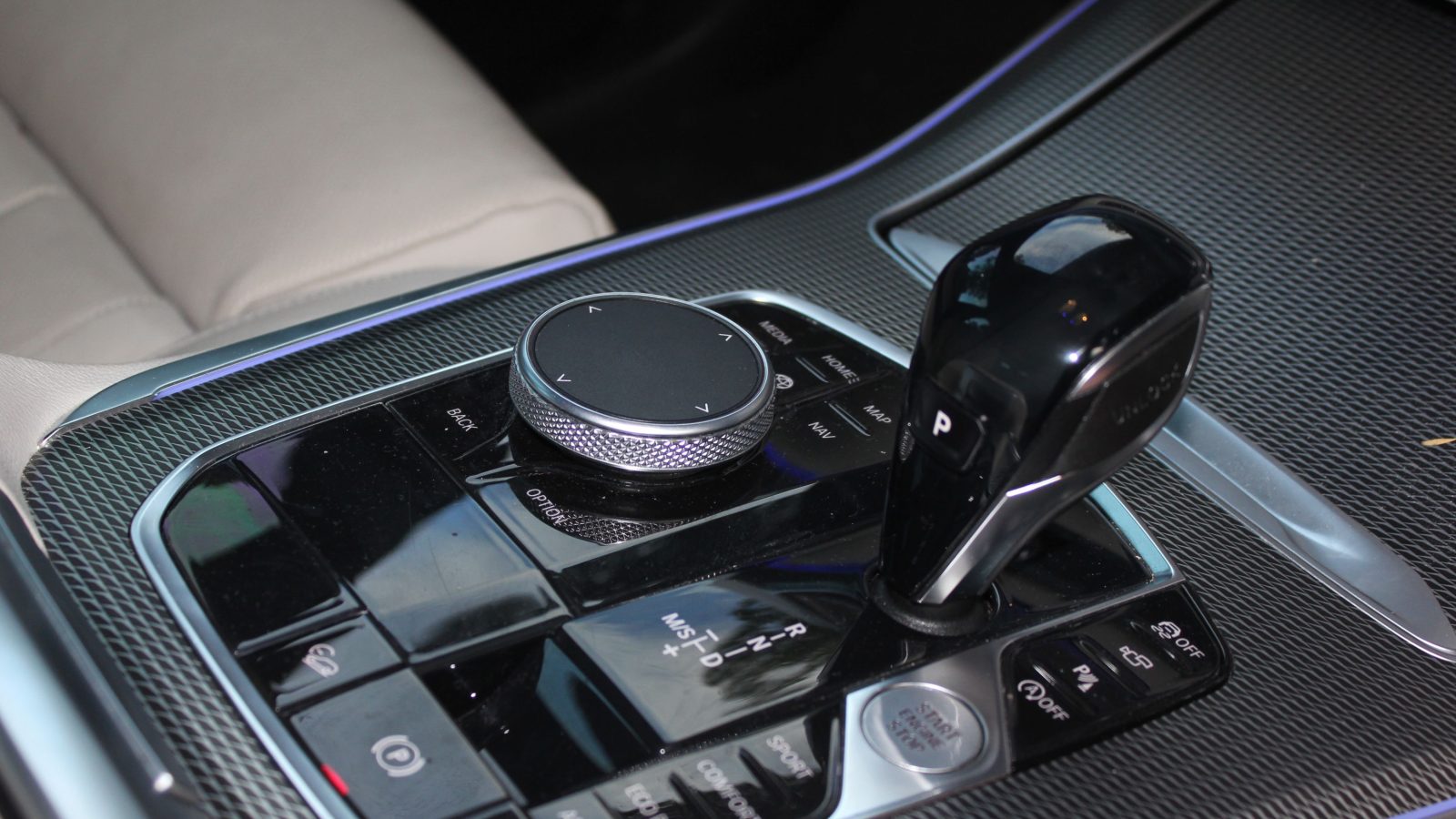
D3 stands for “Drive 3,” and it locks an automatic transmission to only its first three gears instead of letting it shift all the way up through overdrive. That means more engine RPM at a given speed, more available power, stronger engine braking on descents — and noticeably worse fuel economy than regular D, since the transmission never reaches its most efficient highway gear.
Here’s exactly when D3 is the right call, when it isn’t, and how it compares to D2 and D1 on the same shifter.
Key Takeaways
- D3 restricts the transmission to gears 1-3, blocking access to 4th, 5th, or any overdrive gear even at highway speed.
- D3 uses more fuel than D because the engine runs at higher RPM instead of settling into an efficient top gear.
- It’s most useful towing, climbing or descending steep grades, or in slippery conditions where you want more engine braking and less gear-hunting.
- D2 and D1 restrict further still — D2 to the first two gears, D1 locked in first — for progressively steeper or slower situations than D3 handles.
What D3 Actually Does
In regular D (Drive), the transmission has access to every gear it has, including overdrive, and shifts automatically to whichever one is most efficient for your speed and throttle input — that’s why D delivers the best fuel economy for normal driving. D3 instructs the transmission to use only the first three gear ratios, refusing to shift into fourth, fifth, or any higher overdrive gear no matter how fast you accelerate (The Daily Automotive).
The practical effect: the engine spins at higher RPM to maintain the same road speed, since it’s working through a lower gear ratio than D would select on its own. That higher RPM is exactly what delivers more usable power and torque — useful in specific situations, wasteful in normal ones.
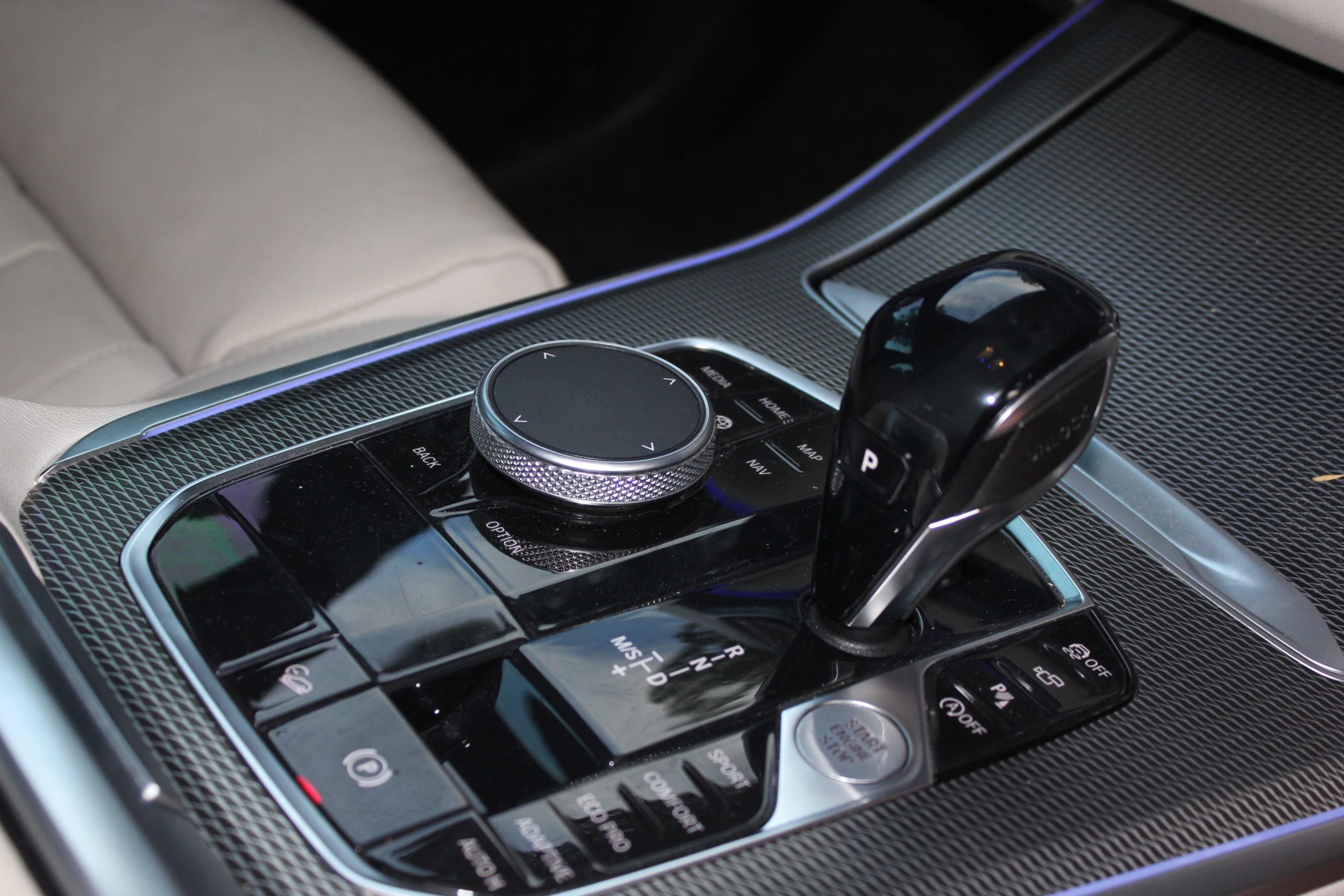
How D3 Compares to D, D2, and D1
D2 restricts the transmission to just its first two gears — used for steeper hills than D3 handles, very slippery low-speed conditions like mud or snow, or towing a heavier load up an incline. D1 (sometimes just labeled “1” or “L”) locks the transmission in first gear only, reserved for the steepest grades or situations demanding maximum engine braking and minimal speed (The Daily Automotive).
When to Actually Use D3
- Towing or hauling on hilly terrain. D3 prevents the transmission from constantly hunting between overdrive and a lower gear, which reduces “gear hunting” and keeps the engine in a more usable power band for the climb.
- Descending steep grades. Keeping the transmission in a lower gear increases engine braking, which reduces how hard your regular brakes have to work on a long downhill and helps prevent brake fade.
- Slippery conditions. Restricting the transmission to lower gears can reduce the wheel slip that happens when the transmission shifts into a higher gear at the wrong moment on ice, snow, or mud.
- Stop-and-go city traffic, where D3’s tendency to hold lower gears can occasionally help responsiveness, though the fuel economy tradeoff usually isn’t worth it for routine commuting.
Why D3 Costs You at the Pump
D3 uses more fuel than regular D, and the mechanism is straightforward: keeping the transmission out of its higher, more efficient gears means the engine spins at higher RPM to cover the same distance. On the highway specifically, where D would normally settle into overdrive and let the engine loaf at low RPM, D3 keeps revs elevated the entire time (CarParts.com).
That’s exactly why D3 is a situational tool, not a default. Leaving the car in D3 for daily commuting or highway driving burns noticeably more fuel for no real benefit — save it for the towing, hill, and traction situations where the tradeoff is actually worth it.
Frequently Asked Questions
Is it bad to drive in D3 all the time?
It won’t damage the transmission, but it’s an inefficient habit. The engine runs at higher RPM than necessary for normal driving, which wastes fuel and adds unnecessary wear over time compared to letting the transmission use its full gear range in D.
Can I shift directly from D to D3 while driving?
Yes, on virtually all automatic transmissions — you don’t need to stop or lift off the throttle first. The transmission will drop to an appropriate gear within the D3 range and hold there.
Does D3 replace manually downshifting?
It approximates the effect — restricting the gear range gives you more control over engine braking and power delivery without a manual clutch — but it’s less precise than true manual gear selection on a vehicle with paddle shifters or a manual mode.
Why would I check my transmission fluid before towing in D3?
D3 keeps the engine and transmission working harder for longer stretches, which generates more heat. Confirming your transmission fluid is at the correct level and in good condition before a demanding tow or grade is worth the five minutes it takes.
The Bottom Line
D3 locks your automatic transmission to its first three gears, trading fuel economy for more available power, stronger engine braking, and steadier behavior when towing, climbing, descending, or driving in slippery conditions. Use D for normal daily driving where efficiency matters most, and reach for D3 — or D2 and D1 for progressively steeper situations — when the driving conditions actually call for it.
Not sure your transmission is shifting the way it should? Contact San Diego Bumper and Collision for a diagnostic.