

A BMW oil change costs $150-$300 at a dealership for standard models, $90-$180 at an independent BMW specialist, and $380-$450 for M cars and V8-equipped models at the dealer. The gap between dealer and independent pricing is consistent enough that most owners who aren’t chasing warranty coverage can save real money without sacrificing OEM-quality parts.
Here’s the full cost breakdown, why BMW’s service interval isn’t a fixed number, and where the price difference actually comes from.
Key Takeaways
- Dealership oil changes run $150-$300 for standard models, climbing to $380-$450 for M cars and V8s.
- Independent BMW specialists typically charge $90-$180 — often 25-40% less for comparable OEM-quality parts.
- BMW uses Condition Based Service (CBS), not a fixed mileage number, so your actual interval depends on driving data and oil condition.
- Every BMW requires full synthetic oil, typically BMW-spec 5W-30, which costs more per quart than conventional oil.
What a BMW Oil Change Actually Costs
At BMW dealerships, oil changes typically run $150-$300 for standard models — covering oil, labor, and a new filter — while M cars and V8-equipped models push the ceiling to $380-$450 given their larger oil capacity and pricier specified oil (J.D. Power). Independent shops that specialize in BMW service typically charge $90-$180 for the same synthetic oil change with filter, using the same OEM-quality parts but with lower shop overhead and labor rates (BimmerTalk).

Where the Price Difference Actually Comes From
Dealerships typically charge $120-$180 per hour for labor, while independent BMW specialists charge $80-$120 per hour — and since an oil change only takes 0.5-0.75 hours of labor, that hourly gap doesn’t fully explain the total difference on its own (Foreign Affairs Auto).
The bigger factor is overhead and markup on parts. BMW-approved synthetic oil costs roughly $8-$12 per quart, and most models need 6-8 quarts — meaning the oil itself runs $50-$95 before markup. Dealers typically apply higher parts markup than independent specialists, which is where a large share of the price gap actually comes from rather than the labor rate alone. Location matters too: metro-area dealers in cities like San Francisco, New York, or Seattle run 40-80% higher than mid-tier metro pricing for the identical service.
Why Your Interval Isn’t a Fixed Number
Most modern BMWs use a Condition Based Service (CBS) system that calculates your specific oil change interval from actual driving data, oil condition, and temperature history — not a flat mileage figure. Two identical BMWs driven differently can genuinely need service at different mileage points, since CBS tracks real oil quality rather than assuming a fixed degradation rate (ASG Automotive Service Group).
As a general reference, BMW’s traditional guidance lands around 10,000 miles or 12 months, whichever comes first, with most owners under normal driving falling in the 10,000-15,000 mile range. If you regularly drive in extreme conditions — high heat, dusty environments, heavy stop-and-go traffic — BMW recommends more frequent changes, often closer to every 7,500 miles or 6 months.
Why the Oil Itself Matters
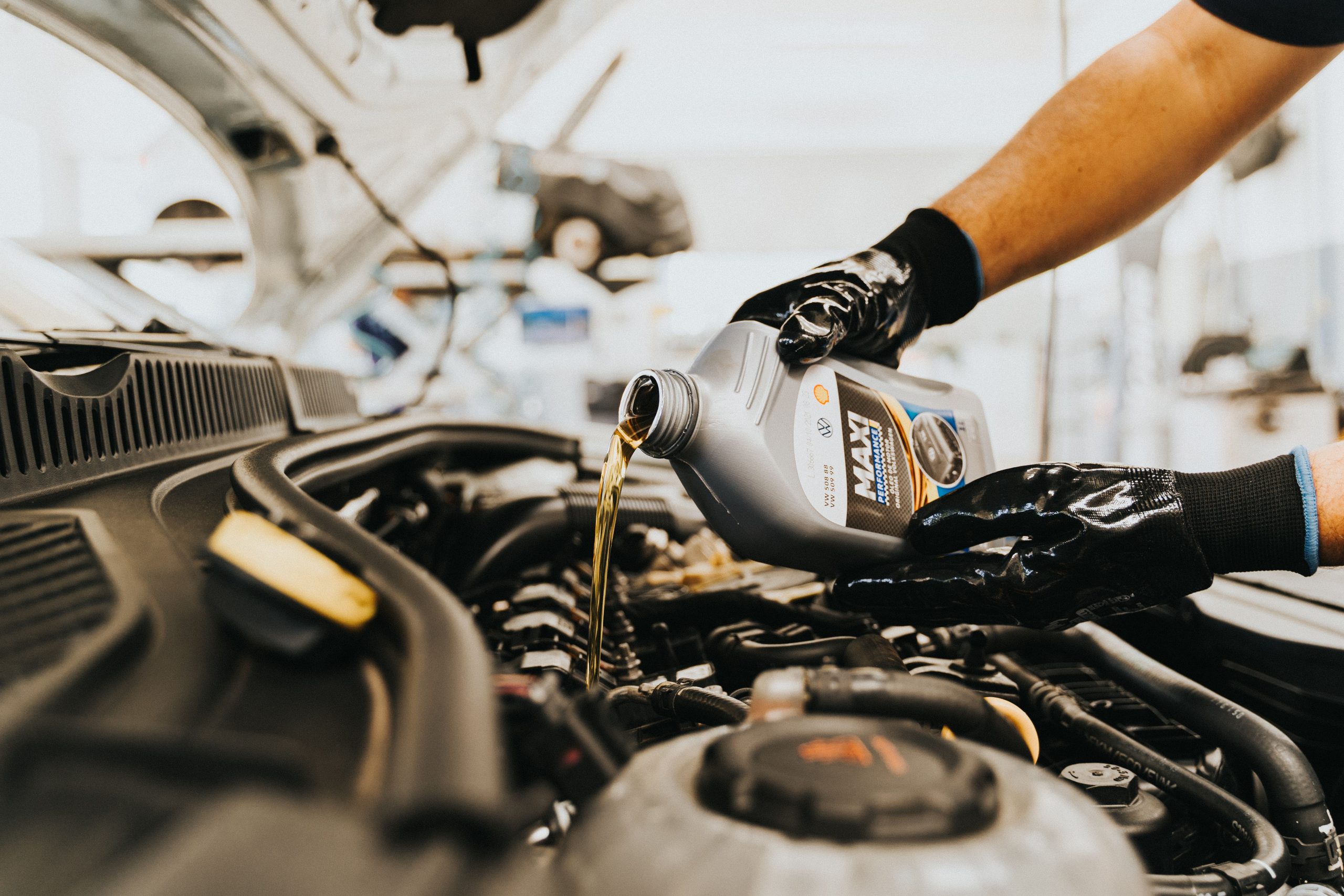
Every current BMW requires full synthetic oil — almost every model specifically calls for BMW SAE 5W-30 Full Synthetic. That requirement is part of why BMW oil changes cost more than a typical conventional-oil change: the oil itself is formulated to meet BMW’s Longlife specification, which affects engine protection and how the CBS system’s interval calculations behave.
Using a non-approved oil, even if it’s technically synthetic, risks throwing off the CBS monitoring accuracy and, in some cases, affects warranty coverage — one more reason the parts cost difference between dealer and independent service usually isn’t about oil quality, but about markup and labor rates.
If you’re already at the shop for an oil change, it’s worth having them check for anything unrelated that might be due, like a fading key fob battery or, on higher-mileage models, signs pointing toward a drivetrain malfunction warning before either turns into a bigger inconvenience.
Frequently Asked Questions
Does skipping the dealer void my BMW warranty?
No — federal law (the Magnuson-Moss Warranty Act) protects your right to use an independent shop for maintenance without voiding your warranty, as long as the shop uses proper BMW-spec parts and fluids and you keep documentation of the service.
Can I do a BMW oil change myself?
Yes, mechanically it’s a straightforward job for anyone comfortable with basic DIY maintenance. The main challenge is resetting the CBS oil service indicator afterward, which on some models requires a specific procedure through the iDrive menu or a diagnostic tool.
Why does my BMW need more oil than a typical car?
Larger engines, particularly inline-six and V8 configurations, simply hold more oil by design — 6-8 quarts is typical versus 4-5 quarts for many smaller four-cylinder vehicles, which is part of why total cost runs higher even at the same per-quart price.
Is synthetic oil really necessary, or can I use conventional?
For a modern BMW, synthetic isn’t optional — it’s specified by the manufacturer and required to meet BMW’s Longlife oil standard. Using conventional oil isn’t recommended and can affect both engine protection and the accuracy of the CBS system.
Does a warning light mean something more serious than an oil change is due?
Not always, but it’s worth knowing the difference. A low oil or service reminder is routine; a fault code stored in the system is a different kind of alert entirely — see our guide on what a BMW DTC code means if you’re seeing something beyond a standard service reminder.
The Bottom Line
A BMW oil change runs $150-$300 at a dealer for standard models, up to $450 for M cars and V8s, or $90-$180 at a qualified independent specialist — with warranty protection intact either way as long as the shop uses proper BMW-spec oil. Your actual interval depends on BMW’s Condition Based Service calculation rather than a fixed mileage number, so let the CBS monitor (not just the calendar) guide when it’s due.
Due for service or not sure what your BMW’s CBS system is telling you? Contact San Diego Bumper and Collision to get it sorted out.