DTC stands for Diagnostic Trouble Code — a standardized identifier your BMW’s onboard computers (the DME, DDE, EGS, CAS, SRS, and others) store when they detect a fault, whether that’s a sensor reading out of range, a communication failure between modules, or a component malfunction. It’s the actual data behind a warning light, not the light itself.
Here’s how the code format works, the difference between generic and BMW-specific codes, and how to read them yourself.
Key Takeaways
- A DTC is a 5-character code — a letter prefix (P, B, C, or U) followed by 4 digits — stored by an ECU when it detects a fault.
- Codes starting with P0 are generic, standardized across all manufacturers; codes with a “1” in the second position are manufacturer-specific.
- BMW relies heavily on manufacturer-specific and hexadecimal codes that a basic OBD-II scanner often can’t fully interpret.
- Reading the code takes minutes with the right scanner, plugged into the OBD port under the driver’s side dash.
What a DTC Actually Is
A BMW DTC is a standardized identifier produced by the car’s onboard computers when they detect a fault. When an ECU detects an anomaly — an out-of-range sensor reading, a lost communication link, or a malfunctioning component — it stores the corresponding DTC fault code in its memory (Ultimate Systems Blog).
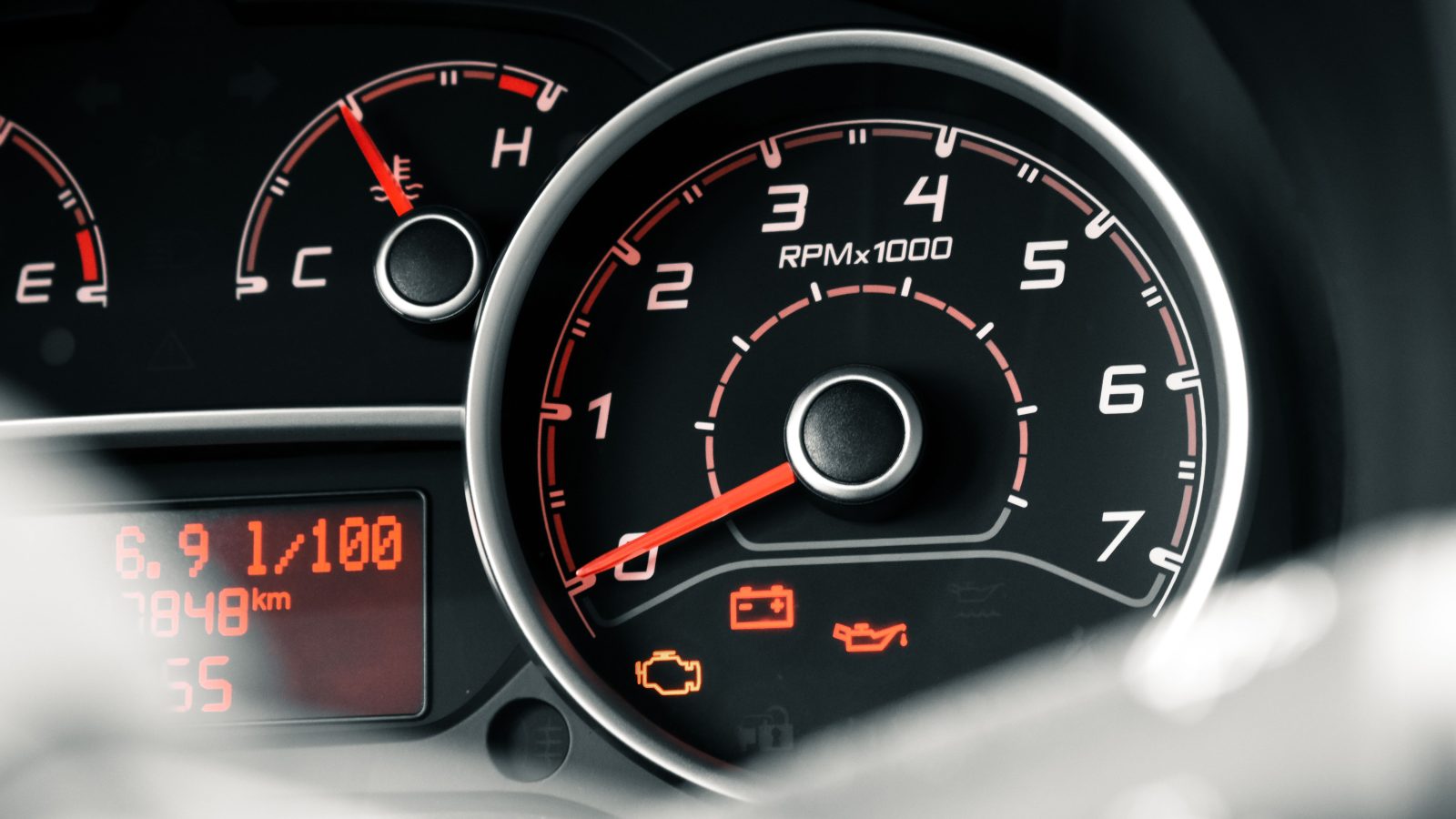
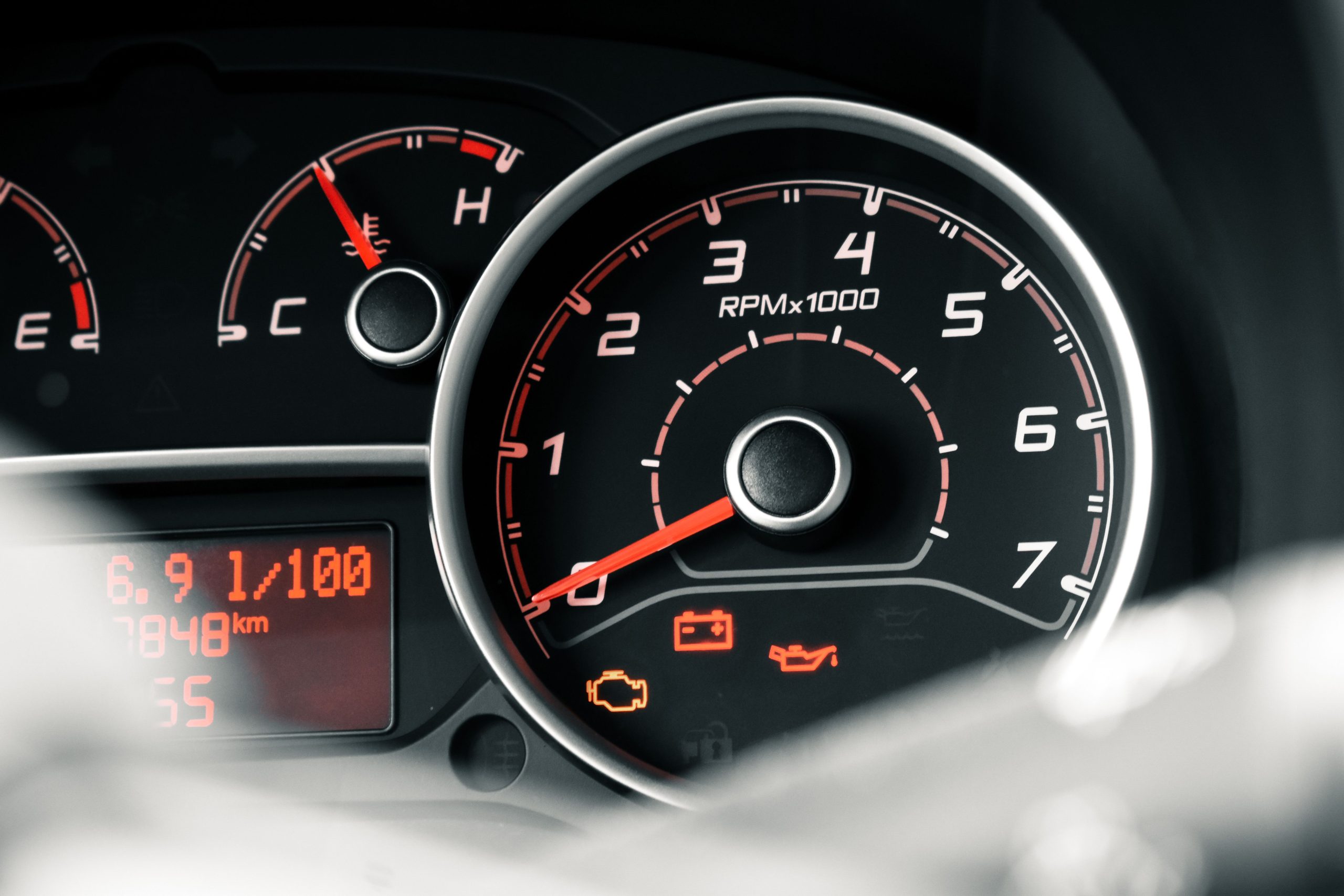
A warning light on your dashboard is really just a visual signal that a DTC has been stored somewhere in the system. The light alone doesn’t tell you what’s wrong — the actual code does, which is why reading it is the necessary first step before any repair.
How the Code Format Works
| Letter Prefix | System |
|---|---|
| P | Powertrain (engine, transmission, drivetrain) |
| B | Body (airbags, climate control, lighting) |
| C | Chassis (brakes, steering, suspension) |
| U | Network/communication (module-to-module data issues) |
Every DTC follows a standardized five-character format: a letter prefix followed by four digits. The letter identifies which system logged the fault, and the digits that follow narrow it down to the specific issue (Heavy Vehicle Inspection).
Generic vs. BMW-Specific Codes
Codes beginning with P0 are generic — standardized across every manufacturer, meaning P0301 (a misfire in cylinder 1) means the exact same thing on a BMW, a Ford, or a Toyota. These codes can be looked up in any universal OBD-II database and interpreted by a basic scanner (WrenchLane).
Codes with a “1” in the second position — P1, B1, C1, or U1 — are manufacturer-specific, meaning the exact meaning varies by automaker even though the format looks similar. BMW extends the standard further with thousands of proprietary codes, and often uses hexadecimal codes like 2A82 or 2F44 that don’t follow the standard P/B/C/U format at all and require BMW-specific software to fully interpret (Bimmer Studio).
This is exactly why a generic OBD-II scanner sometimes tells only part of the story on a BMW — it can read standard P-codes from the engine ECU just fine, but misses the manufacturer-specific and hex codes that other modules generate. Getting full access across all of a BMW’s ECUs typically requires BMW-specific diagnostic software like INPA, ISTA, Carly, or Bimmercode, rather than a basic universal scanner.

How to Read a BMW DTC Yourself
- Locate the OBD port, typically found under the dashboard on the driver’s side — a trapezoid-shaped connector that lets a scanner interface with the car’s computer.
- Turn the ignition to “ON” without starting the engine, which powers up the car’s computer systems so the scanner can communicate with them.
- Plug in the scanner and follow its menu to select the option for retrieving stored DTCs.
- Record the exact code and look it up — a generic P0-code can be checked in any universal database, while a BMW-specific or hex code typically needs a BMW-focused lookup tool or software.
A basic scanner is enough for a quick check of engine-related codes, but if the warning is tied to something like a drivetrain malfunction message, getting the full picture across all the relevant modules often takes BMW-specific software rather than a generic tool.
Why It Matters Before You Pay for a Repair
A stored DTC narrows down the problem enormously compared to guessing from symptoms alone. Rather than paying to replace parts based on a hunch, the code points a technician toward the actual system and, often, the specific component involved — which is exactly the same logic covered in our guide on testing an O2 sensor, where knowing the precise code (like P0130 vs. P0135) determines which part actually needs replacing.
Skipping this step and replacing parts on a guess is one of the more common ways owners end up paying twice for the same repair — once for the wrong part, and again for the right one.
Frequently Asked Questions
Will a DTC clear itself over time?
Some do, if the underlying condition doesn’t recur over a number of drive cycles. Most persistent faults, though, will keep the code stored and often keep the warning light on until the actual issue is repaired.
Can I clear a DTC without fixing the problem?
Yes, a scanner can clear a stored code, but if the underlying fault hasn’t been repaired, it will typically log again once the same condition is detected. Clearing the code without fixing the cause just delays the warning, not the problem.
Do I need a BMW dealer to read codes, or can any shop do it?
Any shop with BMW-capable diagnostic software can read both generic and BMW-specific codes — it doesn’t have to be the dealer. The key question is whether the shop’s tool can access BMW-specific and hex codes, not just generic P0 codes.
Is a manufacturer-specific code more serious than a generic one?
Not inherently — severity depends on what the code actually indicates, not which category it falls into. A generic code can point to something serious, and a manufacturer-specific code can be relatively minor.
The Bottom Line
A DTC is the actual diagnostic data behind any warning light on your BMW’s dashboard — a standardized code that identifies which system and component triggered the alert. Generic P0 codes work the same across every manufacturer, but BMW relies heavily on manufacturer-specific and hexadecimal codes that need BMW-capable software to fully interpret. Reading the code, not guessing from symptoms, is what keeps a repair bill accurate.
Seeing a warning light and want to know exactly what code triggered it? Contact San Diego Bumper and Collision for a proper diagnostic scan.