A full car paint job costs $500-$1,500 for a basic single-stage job, $2,000-$5,000 for a solid mid-range finish, and $5,000-$10,000 or more for a premium multi-coat paint with extensive prep — with the difference coming down to prep work, paint quality, and how many coats actually go on. Most drivers land in that mid-range tier for a genuinely durable, good-looking result.
Here’s what each pricing tier actually gets you, what drives the cost up, and how DIY compares if you’re considering doing it yourself.
Key Takeaways
- Basic single-stage paint jobs run $500-$1,500, using minimal prep and lower-quality materials that won’t last as long.
- Mid-range paint jobs run $2,000-$5,000, adding proper sanding, rust removal, and multiple higher-quality coats.
- Premium paint jobs run $5,000-$10,000+, with extensive prep and premium finishes like metallic or pearlescent paint.
- DIY costs $200-$500 in materials alone, but that excludes tools, and mistakes are genuinely difficult to fix without professional equipment.
The Three Pricing Tiers
A basic paint job typically costs $500-$1,500, covering minimal prep work and a single-stage enamel paint application — functional but not built for longevity, since lower-quality materials and light prep don’t hold up as well over time (Panda Hub). A mid-range job at $2,000-$5,000 adds proper preparation like sanding and rust removal, plus higher-quality paint applied in multiple coats — this is where most drivers land for a genuinely durable, good-looking result. A premium job runs $5,000-$10,000 or more, with extensive prep work, premium multi-coat finishes, and customization options like metallic or pearlescent paint.
Single-Stage vs. Clear Coat: A Real Quality Difference
Single-stage enamel paint — one color coat, no separate clear coat — is common in budget paint jobs and typically backed by only about a one-year warranty. Urethane paint systems with a proper separate clear coat provide meaningfully longer protection, typically a three-to-five-year warranty, and hold gloss and color depth noticeably better over time (Auto Paint HQ).
This distinction is a large part of why “basic” and “mid-range” pricing tiers differ so much beyond just labor hours — the actual paint system used changes both the cost and the realistic lifespan of the finish.
What Drives the Price Within Each Tier
- Vehicle size — SUVs and trucks need more paint and more labor hours than a compact sedan, pushing cost up within any given tier.
- Existing body condition — rust, dents, or peeling paint have to be addressed before painting begins, adding $300-$1,000 for minor repairs before the paint budget even starts.
- Trim complexity — vehicles with intricate designs, multiple panel gaps, or extensive trim require more masking and prep time.
- Shop labor rates and expertise — a more experienced shop with better equipment often costs more per hour but delivers a more consistent, longer-lasting finish.
Is DIY Actually Worth Considering?
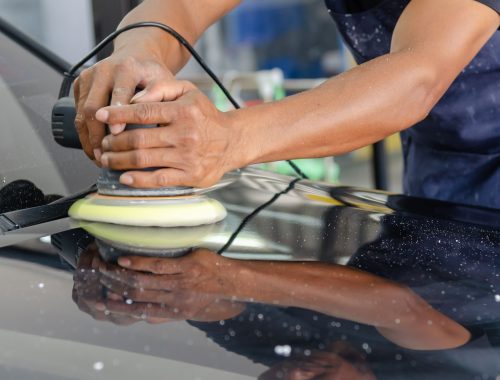
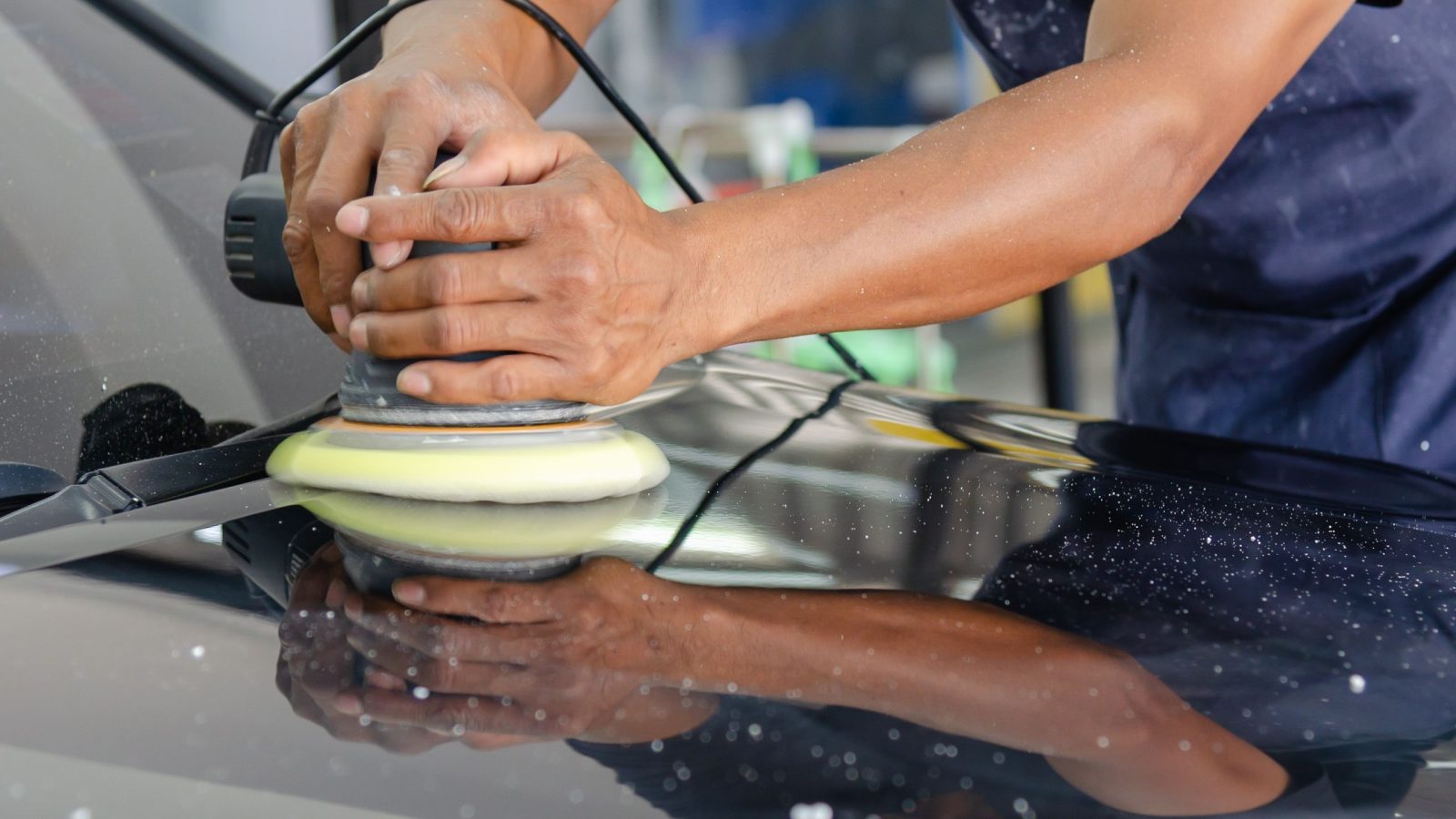
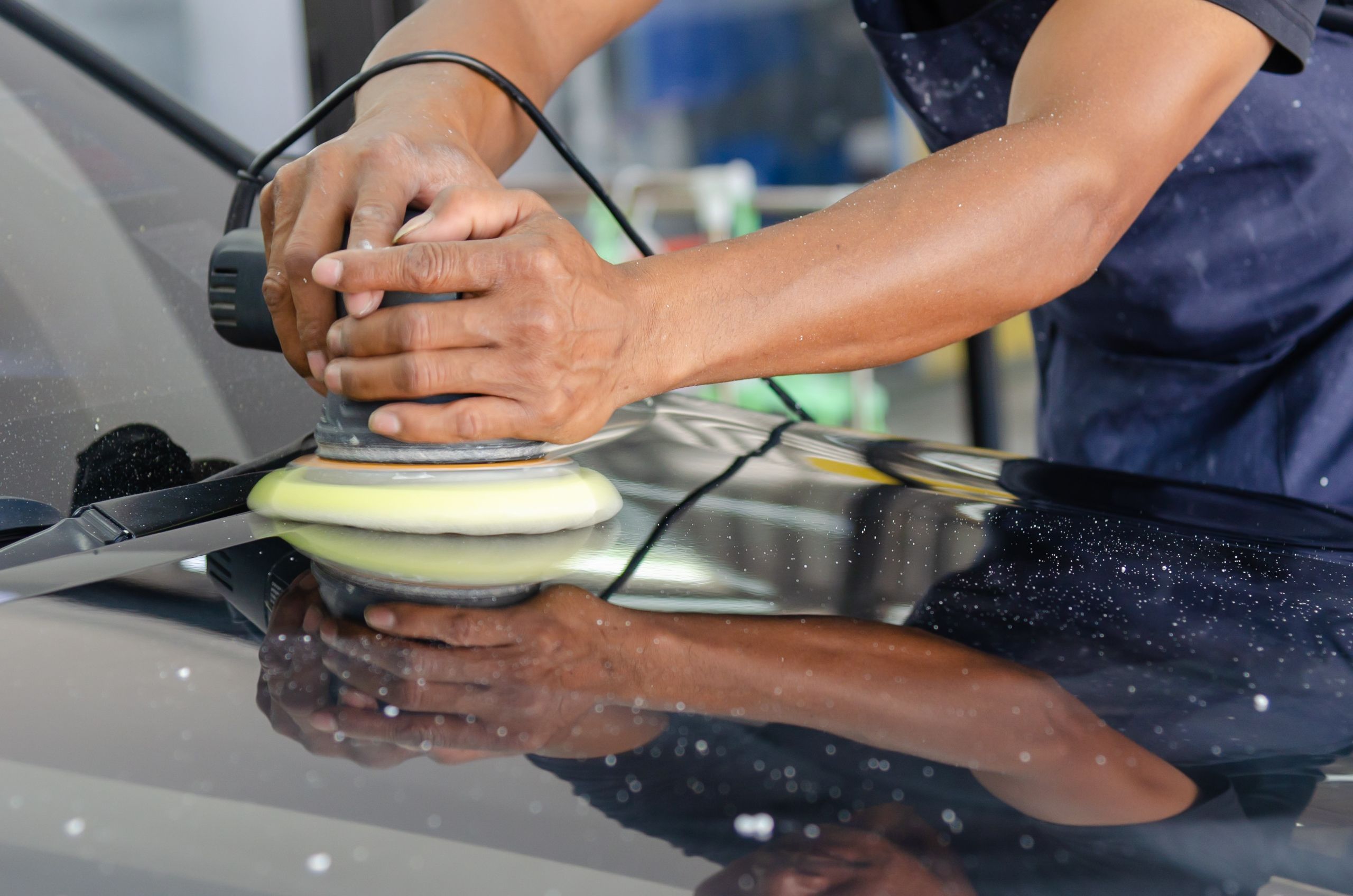
Material costs for a DIY paint job run roughly $200-$500 for paint, primer, and clear coat — but that figure doesn’t include the tools: a spray gun ($80-$400), an air compressor ($150-$600), a sander or orbital polisher ($60-$200), plus sandpaper and masking supplies ($50-$100). Once you factor in equipment, the gap to a basic professional job narrows considerably.
Beyond cost, doing the job right on a full car takes 40-100+ hours spread across multiple days, since paint needs dry time between coats and primer needs cure time before sanding. Mistakes — uneven coats, dust contamination, improper clear coat application — are genuinely difficult and expensive to fix without a proper spray booth, which is exactly the equipment most DIY setups lack.
Paint Job vs. Vinyl Wrap: A Different Decision Entirely
If you’re weighing paint against a vinyl wrap instead, the cost and durability tradeoffs are meaningfully different — see our car wrap cost guide for a direct comparison, since a wrap is reversible and often cheaper upfront but doesn’t offer the same long-term durability as a proper paint job.
Frequently Asked Questions
How long does a professional paint job actually last?
A quality mid-range or premium paint job with proper clear coat typically holds up well for 10+ years with reasonable care, while a basic single-stage job may show fading or wear noticeably sooner, often within a few years.
Does color choice affect the cost?
Yes — standard solid colors are the cheapest option, while metallic, pearlescent, or custom color-matched finishes require additional material cost and application steps, pushing the price toward the higher end of whatever tier you’re in.
Should I wax or polish a fresh paint job right away?
Give fresh paint time to fully cure first — typically several weeks — before applying wax or doing a full polish. Once cured, regular waxing is exactly what protects that investment and extends how long the finish looks fresh.
Does insurance ever cover a paint job?
If the damage is from an accident, weather event, or vandalism, comprehensive or collision coverage may apply depending on your policy. A paint job purely for cosmetic upgrading or color change generally isn’t something insurance covers.
The Bottom Line
Expect $500-$1,500 for a basic single-stage paint job, $2,000-$5,000 for a durable mid-range finish most drivers should target, or $5,000-$10,000+ for a premium multi-coat result. DIY can cut material costs to $200-$500, but tool costs and the real risk of a flawed finish narrow that gap fast — and a full, correct DIY job takes 40-100+ hours most people don’t have to spare.
Ready for an estimate on your specific vehicle and paint condition? Contact San Diego Bumper and Collision for a quote.