Start a car with a bad starter using a push start (bump start) if you have a manual transmission: get the car rolling to 5-10 mph with the key in the “on” position and the clutch held in, shift into second gear, then release the clutch while turning the key. Automatic transmission cars can’t be push started — the only reliable option there is tapping the starter motor with a blunt tool to briefly free a stuck internal component, or calling for a tow.
Here’s both methods in detail, how to confirm it’s actually the starter causing the problem, and what a proper replacement costs.
Key Takeaways
- Push starting only works on manual transmission vehicles — automatics cannot be bump started under any circumstances.
- Tapping the starter with a blunt tool can briefly free a stuck internal component, buying time to get to a shop.
- A rapid clicking sound when turning the key is the classic bad starter symptom — the solenoid trying and failing to engage.
- Replacement typically costs $300-$600, with labor-intensive access on some vehicles pushing costs toward the higher end.
Method 1: Push Starting (Manual Transmission Only)
This method only works on manual transmission cars, since it relies on the transmission itself turning the engine over rather than the starter motor doing that job.
- Sit in the driver’s seat with the key turned to the “on” or “start position” and the clutch pedal held all the way in.
- Shift into second gear rather than first — second gear has a lower chance of stalling the engine during the process (Family Handyman).
- Get the car moving, either with two or three people pushing from behind, or by using a gentle downhill slope if one’s available and safe.
- Once the car reaches roughly 5-10 mph, release the clutch while continuing to hold the key in the start position — the forward momentum turns the engine over, allowing it to fire.
- Do this away from traffic and steep inclines, and confirm everyone pushing is clear of the vehicle before releasing the clutch.
Method 2: Tapping the Starter (Temporary Fix)
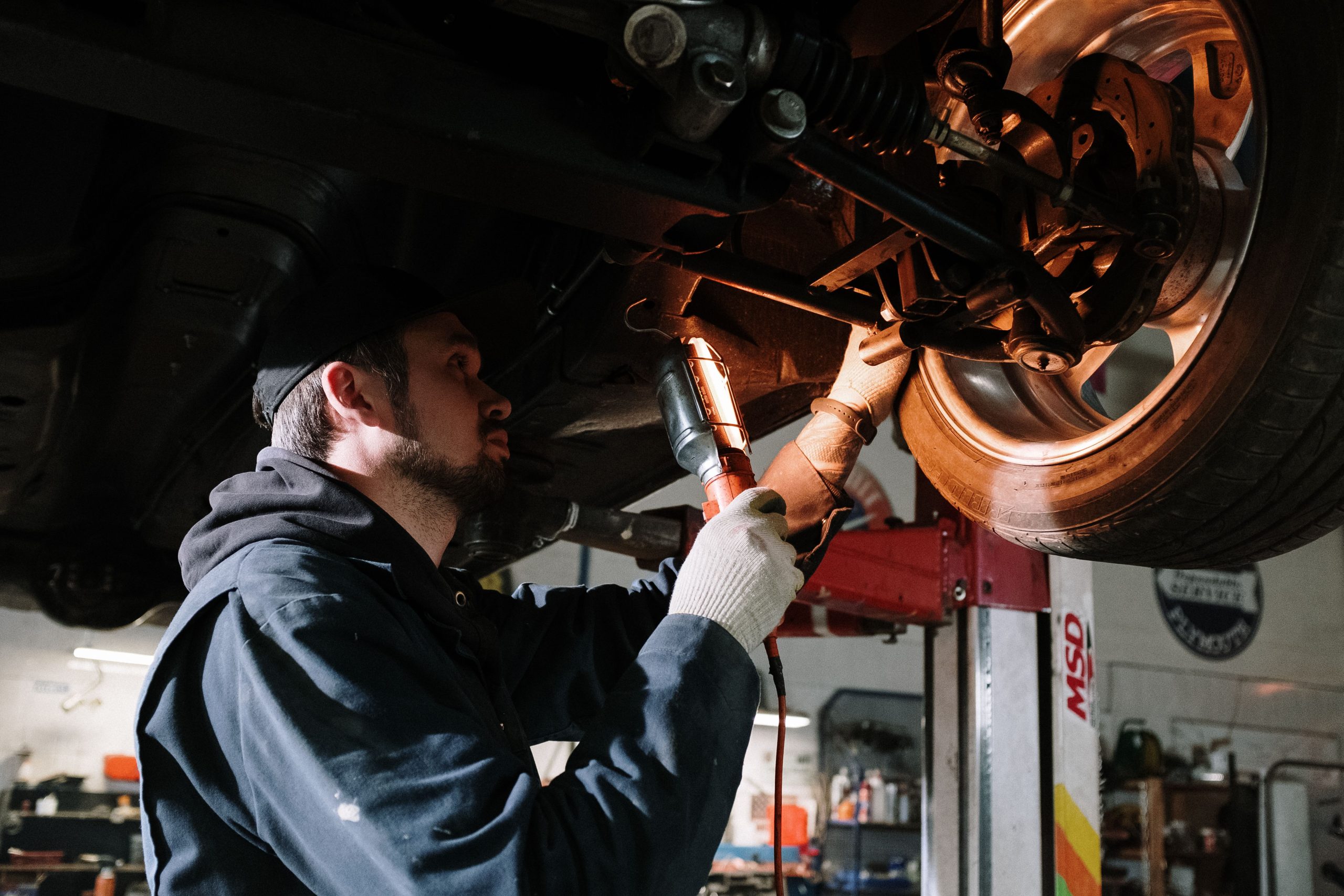
Sometimes tapping a worn starter motor with a blunt tool — a wrench or a hammer — briefly frees it enough to engage one more time. Locate the starter motor, generally mounted low near where the engine meets the transmission, and give it a few firm taps. This can dislodge stuck internal components enough to get one more start out of it (Unitech Motor).
This is a genuinely temporary fix, not a repair — treat a successful tap-start as a signal to get to a shop promptly, not evidence the problem resolved itself.
Why Automatics Can’t Be Push Started
Bump-starting requires a clutch with manually selectable gears to mechanically “wake up” the engine using the car’s own momentum. Automatic transmissions use a torque converter instead of a mechanical clutch connection, which doesn’t provide the same direct mechanical link needed to turn the engine over this way — attempting to push start an automatic simply won’t work, regardless of speed or technique.
Confirming It’s Actually the Starter
| Symptom | What It Suggests |
|---|---|
| Rapid clicking, no crank | Starter solenoid trying to engage but failing — classic starter symptom |
| Dashboard lights and radio work fine, engine won’t crank | Battery has power; starter itself is likely the problem |
| Slow, struggling crank | Starter dragging — often a sign it’s on its way out |
| Intermittent starting problems | Worn internal starter components acting inconsistently |
The clicking sound is the classic tell — a rapid clicking when you turn the key, with the engine not cranking, usually means the starter solenoid is attempting to engage but failing. That said, rapid clicking doesn’t always mean the starter itself has failed; it often means the starter isn’t receiving enough power to engage, which can point back to the battery or a bad connection instead (SlashGear).
If your dashboard lights, headlights, and radio all work normally but the engine won’t start, that’s a strong signal the battery has adequate charge and the starter itself is the actual culprit. Testing your battery separately with a multimeter helps rule that variable out before you commit to a starter replacement.
What Starter Replacement Costs
Replacing a starter typically costs $300-$600, depending on the vehicle and labor required (The Motor Guy). The range comes down to two factors: part cost and access difficulty. On many common vehicles, the starter is relatively easy to reach, keeping the job quick and affordable. On some trucks and luxury vehicles, the starter is buried deep in the engine bay, requiring a technician to remove other components just to reach it — which meaningfully increases labor time and pushes the total toward the higher end of the range.
Frequently Asked Questions
Can a weak battery cause the same symptoms as a bad starter?
Yes, and it’s one of the most common misdiagnoses in this situation — a weak battery can produce clicking or slow cranking that looks identical to a starter problem. Confirming battery health first, via a jump start test or multimeter check, saves you from replacing a perfectly good starter.
Is it safe to keep driving on a starter that only works when tapped?
Not for long — a starter that requires tapping to engage is actively failing, and it can leave you stranded with no workaround at all once it fails completely. Treat a tap-start as a warning to get it replaced soon, not a stable long-term solution.
Does a bad starter drain the battery?
Repeated failed start attempts can drain the battery faster than normal, since each cranking attempt draws significant current even if the engine doesn’t catch. If you’ve been repeatedly trying to start a car with a failing starter, check the battery afterward, since it may need a jump or charge on top of the starter issue.
Can I jump start a car with a bad starter?
Only if the actual problem is the battery, not the starter — jump starting adds voltage but does nothing to fix a mechanically failed starter motor. See our guide on attaching jumper cables if you’re unsure which component is actually at fault and want to rule out the battery first.
The Bottom Line
A bad starter can sometimes be worked around temporarily — push starting for manual transmissions, or tapping the starter motor for a brief reprieve on either transmission type — but neither is a real fix. Confirm the symptoms actually point to the starter rather than the battery, and budget $300-$600 for proper replacement once you’ve ruled out simpler causes.
Stuck with a car that won’t start and not sure why? Contact San Diego Bumper and Collision for a proper diagnostic.