According to J.D. Power’s 2026 U.S. Vehicle Dependability Study, Volkswagen ranked as the least dependable mainstream brand, logging 301 problems per 100 vehicles — well above the industry average of 204. Volvo, Land Rover, Jeep, and Audi rounded out the bottom of the ranking, while Consumer Reports separately identified Rivian as producing the least reliable new vehicles in its own study.
Here’s what these rankings actually measure, which brands landed where, and what’s driving the industry-wide reliability numbers this year.
Key Takeaways
- Volkswagen ranked least dependable in J.D. Power’s 2026 study, with 301 problems per 100 vehicles against an industry average of 204.
- Volvo (296), Land Rover (274), and Jeep (267) also landed well above average in the same study.
- Consumer Reports separately found Rivian least reliable among new vehicles in its own independent survey.
- Infotainment and software issues drove much of the industry-wide increase in reported problems this year, not traditional mechanical failures.
What These Rankings Actually Measure
J.D. Power’s Vehicle Dependability Study surveys owners of 3-year-old vehicles about problems experienced across the vehicle in the past 12 months, covering categories like driving experience, infotainment, interior, powertrain, and driving assistance systems. The result is expressed as problems per 100 vehicles (PP100) — a lower number means fewer reported issues (SlashGear).
Consumer Reports runs a separate, independently conducted survey asking its own members about problems with their vehicles, which sometimes produces different rankings than J.D. Power’s study since the methodology, sample, and vehicle age windows differ between the two organizations.
The Bottom of the J.D. Power Rankings
Volkswagen’s 301 PP100 places it well above the industry average, with Volvo (296), Land Rover (274), and Jeep (267) close behind. Audi (244), Mercedes-Benz (235), Infiniti (233), Acura (233), GMC (229), and Ford (228) rounded out the rest of the bottom-ten brands in the study (Yahoo Autos).
Consumer Reports Tells a Slightly Different Story
Consumer Reports’ own reliability ranking placed Toyota at the top, followed by Subaru and Lexus, with Volkswagen landing at number 16 — notably not dead last in their methodology, unlike J.D. Power’s ranking. Consumer Reports separately identified Rivian as producing the least reliable new vehicles overall in its survey (The Car Guide).
This divergence between the two studies is a useful reminder that “least reliable” depends heavily on methodology — survey population, vehicle age window, and how problems are weighted all shape the final ranking. Neither study is wrong; they’re measuring somewhat different things.
What’s Actually Driving Problems Industry-Wide
Owners reported a record 204 problems per 100 vehicles industry-wide on average, driven largely by infotainment, smartphone connectivity, and software-related issues rather than traditional mechanical failures. Infotainment and exterior issues were the two most-complained-about categories overall, with infotainment problems significantly outpacing every other category (Visual Capitalist).
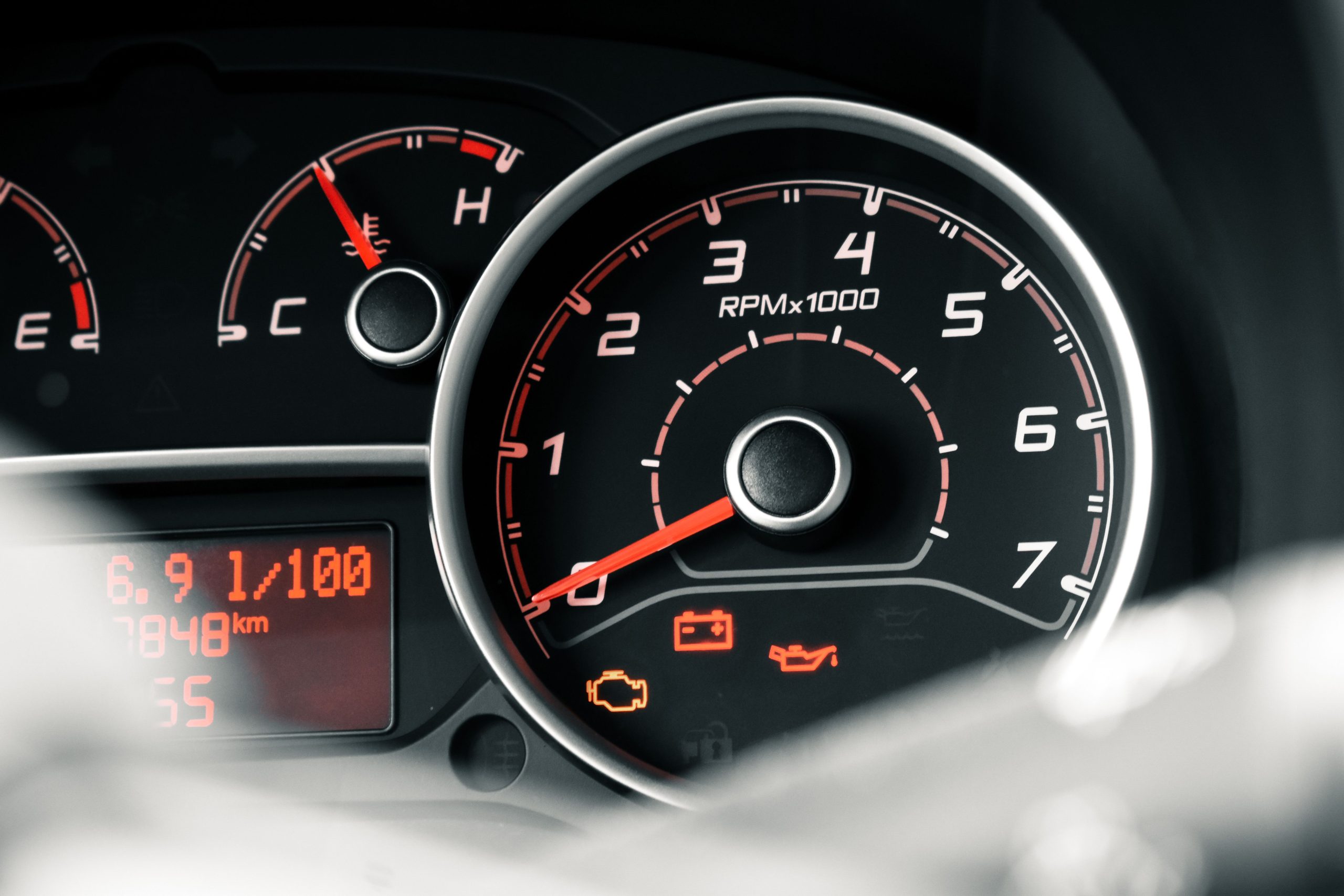
This shift matters for interpretation: a brand ranking poorly today is more likely dealing with software glitches, touchscreen lag, or connectivity bugs than the classic engine and transmission failures that used to dominate these studies. Plug-in hybrid vehicles were the least dependable powertrain category overall, at 281 PP100, while gasoline-powered vehicles were the only category to actually improve year over year, averaging 198 PP100.
Who Topped the List Instead
On the other end, Lexus ranked most dependable for the fourth consecutive year at 151 PP100, followed by Buick (160) and MINI (168). Chevrolet, Subaru, Porsche, Toyota, Kia, and Nissan rounded out the top ten, all landing meaningfully below the industry average.
If you’re comparing specific GM brands as part of a purchase decision, our GMC vs. Chevy comparison covers what actually differs between two brands that landed on opposite ends of this year’s rankings.
Frequently Asked Questions
Does a low dependability ranking mean a specific model is unreliable?
Not necessarily — brand-level rankings average across an entire lineup, and individual models within a “less reliable” brand can still perform well, just as individual models within a top-ranked brand can underperform. Check model-specific data if you’re evaluating one particular vehicle.
Are luxury brands generally less reliable than mainstream brands?
Not uniformly — Lexus, a luxury brand, topped the rankings, while other luxury brands like Land Rover and Audi landed near the bottom. Reliability doesn’t track cleanly with price tier; it varies by manufacturer and specific engineering choices.
Do these studies account for how a car is maintained?
Not directly — these surveys capture owner-reported problems regardless of maintenance history, so a poorly maintained vehicle from a generally reliable brand could still show up as a reported problem in the data.
Should reliability rankings be the only factor in a purchase decision?
No — they’re one useful data point among several, including safety ratings, total cost of ownership, and how well a specific model fits your actual needs. If you’re timing a purchase around these considerations, our guide on the best time to buy a car covers getting the best deal once you’ve settled on a model.
The Bottom Line
J.D. Power’s 2026 study ranked Volkswagen least dependable at 301 problems per 100 vehicles, with Volvo, Land Rover, and Jeep close behind — all well above the 204 industry average. Consumer Reports’ separate methodology told a somewhat different story, ranking Volkswagen 16th and identifying Rivian as least reliable instead. Much of this year’s problem increase traces back to infotainment and software issues rather than classic mechanical failures, worth keeping in mind when weighing what these rankings actually tell you.
Dealing with a reliability issue on your current vehicle? Contact San Diego Bumper and Collision for a diagnostic.