The average car lasts roughly 200,000 miles or 12-15 years, though that figure hides significant variation by brand and maintenance habits. Properly maintained vehicles from reliability-focused brands like Toyota, Honda, Mazda, and Lexus routinely reach 250,000-300,000+ miles, while some German luxury vehicles average closer to 120,000-180,000 miles before major component failures become common.
Here’s how lifespan varies by brand, what actually determines whether your specific car reaches the high end of that range, and the maintenance habits that make the biggest difference.
Key Takeaways
- The average car lasts about 200,000 miles or 12-15 years, with the average vehicle age on US roads now at 12.8 years.
- Toyota, Honda, Mazda, Lexus, and top Subaru models commonly reach 250,000-300,000+ miles with proper maintenance.
- Some German luxury vehicles average 120,000-180,000 miles before major component issues become common.
- Regular maintenance matters more than brand alone — oil changes, fluid checks, and prompt small repairs are the biggest lifespan factors within your control.
The National Average, and Why It’s Rising
The average age of vehicles on US roads climbed to 12.8 years in 2025, reflecting both improved build quality and owners holding onto cars longer. In terms of mileage, the average car lasts around 200,000 miles or 12-15 years — but that’s genuinely an average, not a ceiling, and many well-maintained vehicles now routinely exceed it (AutosToday).
Lifespan by Brand Tier
Car life expectancy by brand ranges from roughly 120,000-180,000 miles for many German luxury vehicles up to 250,000-300,000+ miles for Toyota, Honda, Mazda, Lexus, and the strongest Subaru models (Car Lifespan Check). Specific standouts include the Honda Pilot, with a 42.7% chance of reaching 250,000+ miles, and the Toyota 4Runner, at 41%. Toyota Land Cruisers frequently reach 400,000+ miles in real-world use, and Honda Odysseys regularly exceed 300,000 miles with regular maintenance.
What Actually Determines Your Car’s Lifespan
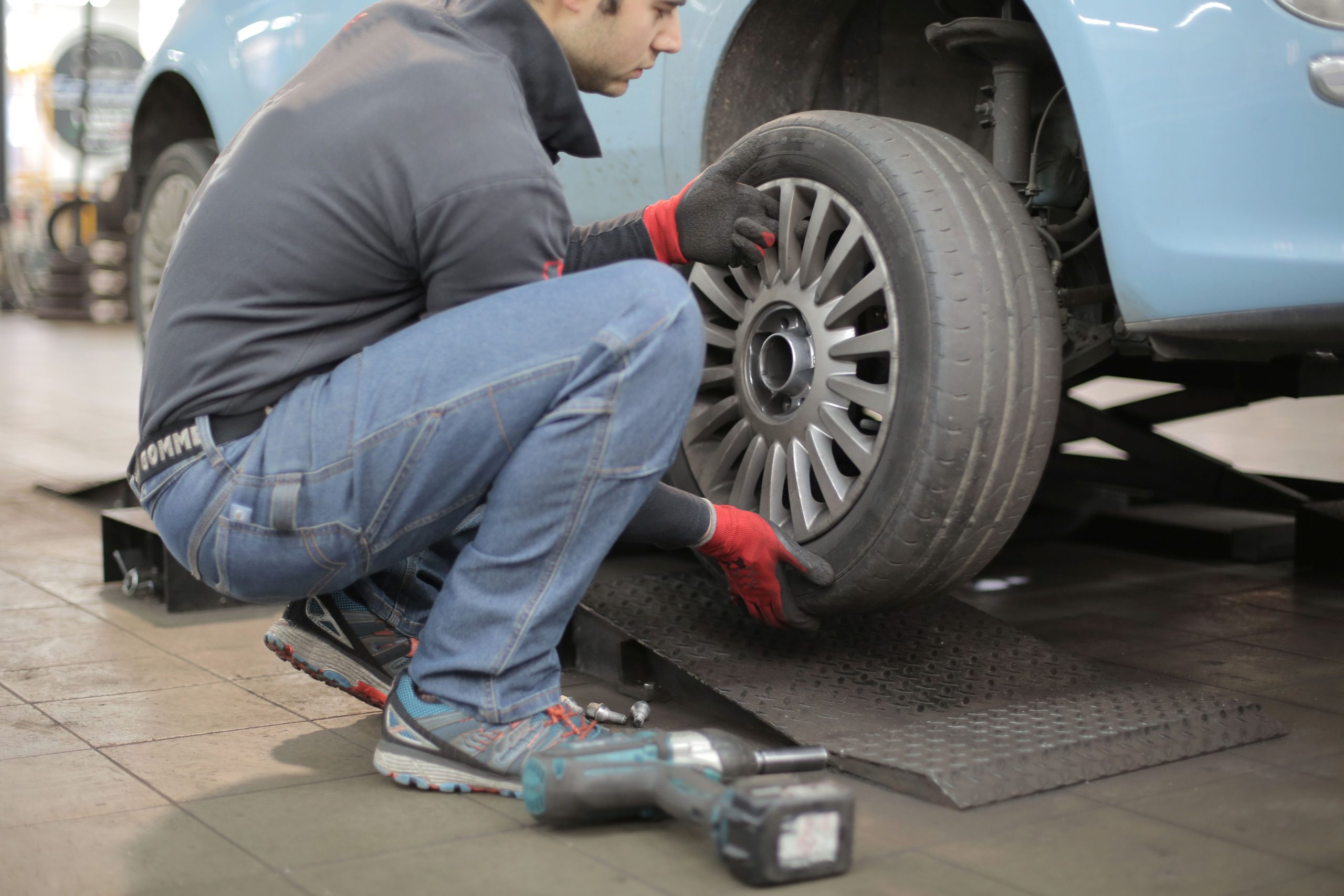
Regular maintenance is the single biggest factor within your control — oil changes, fluid checks, brake inspections, air filter replacements, and staying current on scheduled service all directly extend engine and drivetrain life. Regular oil changes, coolant flushes, transmission servicing, and timely timing belt replacements dramatically extend engine life specifically (The Daily Automotive).
Properly maintaining transmission and differential fluids matters especially for all-wheel or four-wheel drive vehicles, since those systems have more components that depend on clean, properly leveled fluid to avoid premature wear. If you’re not sure your maintenance schedule matches your actual driving, our guide on oil change intervals covers how mileage and driving conditions should adjust the standard schedule.
Driving Habits Matter Almost as Much as Maintenance
Aggressive driving — hard acceleration, hard braking, high-RPM shifting — leads to measurably faster wear across the engine, transmission, and brakes. Smooth acceleration and gentle, anticipatory braking help preserve mechanical components significantly longer than an aggressive driving style, even with identical maintenance schedules between two otherwise similar vehicles.
Given how much your own driving habits and maintenance discipline affect a car’s realistic lifespan, brand alone isn’t destiny — a well-maintained vehicle from an average-reliability brand can outlast a neglected vehicle from a top-tier reliability brand. If you’re shopping and want the brand-level context behind these lifespan numbers, our guide on least reliable car brands covers the current dependability rankings driving some of this variation.
Frequently Asked Questions
Is 300,000 miles on a car actually a bad sign?
Not necessarily — a well-maintained vehicle with documented service history at 300,000 miles can still have plenty of useful life left, especially from brands known for longevity. Maintenance history matters more than the raw mileage number alone.
Does mileage or age matter more for a car’s remaining lifespan?
Both matter, but in different ways — mileage reflects mechanical wear on moving parts, while age affects rubber components, seals, and fluids that degrade over time regardless of how much the car has actually been driven. A low-mileage older car can still need meaningful maintenance from age alone.
How does my own annual mileage affect when I’ll hit high mileage thresholds?
Directly — see our guide on average miles driven per year to estimate your own timeline toward 100,000, 200,000, or 300,000 miles based on typical driving patterns.
Can a car with a rebuilt or salvage title still reach high mileage?
Potentially, if the underlying mechanical repair was done properly — title status reflects past damage history, not necessarily current mechanical condition, though it’s worth extra scrutiny before assuming long-term reliability.
The Bottom Line
The average car lasts about 200,000 miles, but reliability-focused brands like Toyota, Honda, Mazda, and Lexus routinely stretch that to 250,000-300,000+ miles with proper care, while some German luxury vehicles average closer to 120,000-180,000. Regular maintenance and smoother driving habits matter as much as brand choice — a car’s realistic lifespan is largely a function of how it’s treated, not just what badge is on the hood.
Want a maintenance plan that actually maximizes your vehicle’s lifespan? Contact San Diego Bumper and Collision for guidance.