

The main disadvantages of a hybrid car are a higher upfront purchase price, hybrid battery replacement costs of $2,000-$8,000 (though most batteries last 150,000-200,000 miles), more complex maintenance due to the dual gas-electric system, and tires that wear 15-20% faster than a comparable gas car due to added powertrain weight.
Here’s each drawback in detail, how likely you actually are to hit them, and how they weigh against a hybrid’s fuel savings over time.
Key Takeaways
- Hybrid battery replacement costs $2,000-$8,000, but most batteries last 150,000-200,000 miles under an 8-10 year warranty.
- Maintenance complexity is real — more components mean more potential service points and fewer shops equipped to diagnose every part of the system.
- Hybrid tires wear 15-20% faster than gas car tires — a 45,000-mile gas car tire set might only last 30,000 miles on a hybrid.
- Battery degradation over time can cause a lasting MPG drop, driven by heat, repeated charge cycles, and long periods of inactivity.
Higher Upfront Purchase Price
Hybrids typically cost more upfront than a comparable gas-only model, reflecting the added cost of the electric motor, battery pack, and more complex powertrain engineering. This higher upfront cost, combined with potential battery replacement expenses and performance limitations in certain scenarios, means hybrids work best for specific use cases and driving patterns rather than being a universal upgrade (J.D. Power).
Battery Replacement Cost
Hybrid battery replacement runs $2,000-$8,000, a genuinely wide range depending on the vehicle model and battery type — replacing a damaged or worn hybrid battery can reach $6,000 outside of warranty coverage in some cases (Lemonade). The good news: most hybrid batteries last 150,000-200,000 miles, backed by an 8-10 year manufacturer warranty in most cases — meaning the majority of hybrid owners never actually pay this cost out of pocket during typical ownership.
More Complex Maintenance

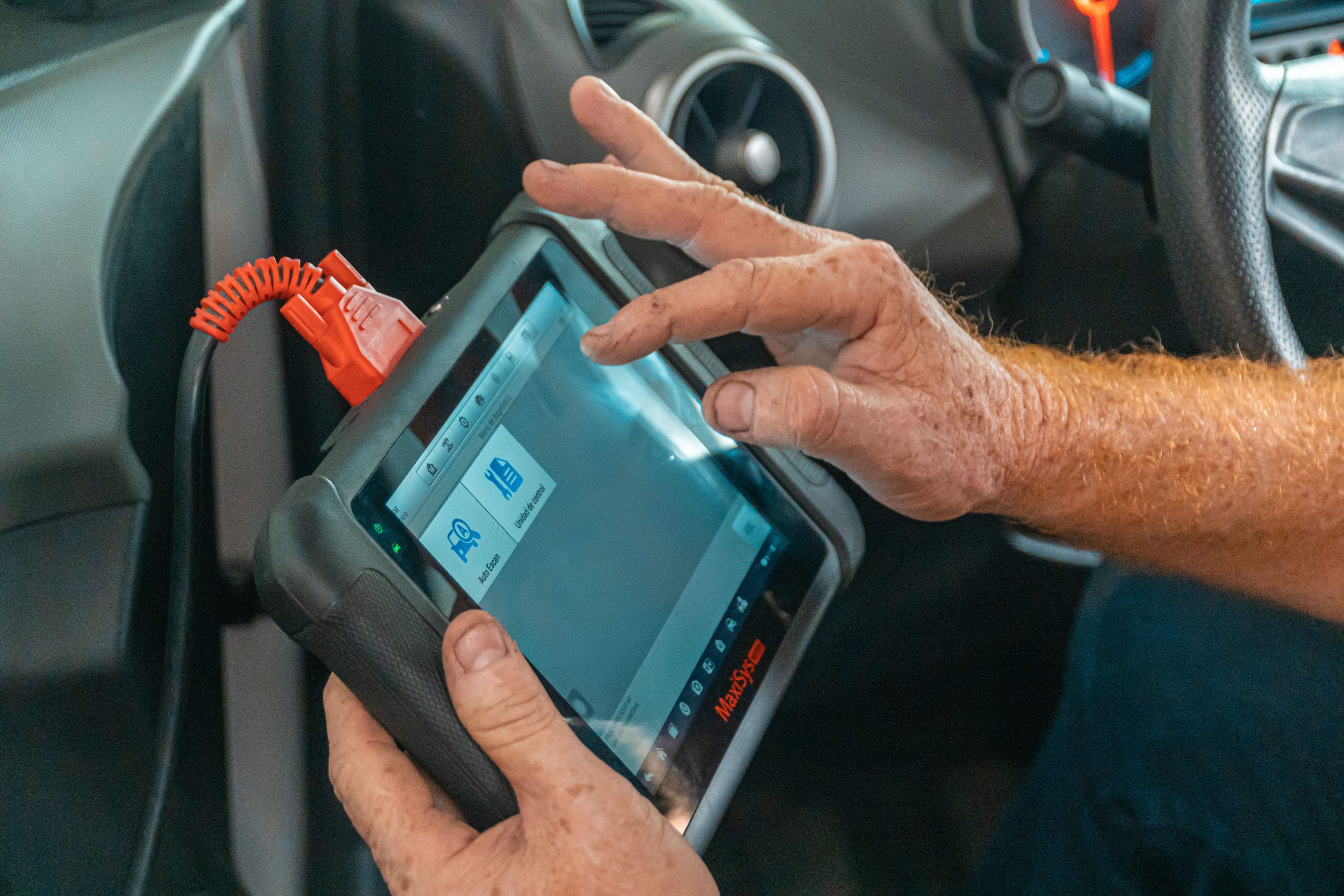
Hybrid systems are inherently more complicated than a standard gas powertrain, which can raise the cost of maintenance over the vehicle’s life. More parts mean more potential service points, and it also means fewer independent shops are fully equipped to diagnose and service every piece of the hybrid system, sometimes pushing owners toward dealership service for issues a standard mechanic could otherwise handle on a gas vehicle (GoCarLife).
Faster Tire Wear
The added weight of a hybrid powertrain — from the battery pack and electric motor — puts more pressure on tires, and hybrid tires can wear out 15-20% faster than tires on a comparable gas car. Where a gas sedan might get 45,000 miles from a set of tires, a hybrid owner might find themselves back at the tire shop by around 30,000 miles instead (Hybrid Piston). This added tire replacement frequency is a real, recurring cost that’s easy to overlook when comparing a hybrid’s fuel savings against a gas vehicle.
The same extra weight also adds pressure to the brakes, though regenerative braking in most hybrids actually offsets this by reducing wear on the friction brake pads themselves — our guide on how long brake pads last covers how regenerative braking specifically extends pad life in hybrids and EVs.
Battery Degradation Over Time
Heat, repeated charge cycles, and long periods of sitting unused can all shorten hybrid battery life over time. As the battery pack weakens, owners may notice a lasting MPG drop and more engine run time at lower speeds, since the electric motor can no longer carry as much of the load it originally handled when the battery was new. This degradation is generally gradual rather than sudden, but it’s a real factor in why fuel economy on an older hybrid sometimes underperforms its original EPA rating.
Frequently Asked Questions
Do these disadvantages outweigh the fuel savings for most drivers?
It depends heavily on driving patterns — high-mileage city drivers who benefit most from hybrid efficiency often still come out ahead despite these downsides, while low-mileage highway-only drivers may find a comparable gas or diesel vehicle more cost-effective overall.
Is hybrid battery replacement ever covered by insurance?
Typically not for normal wear or age-related degradation — insurance generally covers battery damage from a covered incident like a collision, not gradual capacity loss from normal use, which falls under the manufacturer’s warranty coverage instead.
Are plug-in hybrids affected by these same disadvantages?
Largely yes, often to a greater degree — plug-in hybrids carry larger, more expensive battery packs than standard hybrids, which can mean a higher replacement cost if that scenario ever arises, though the larger battery also typically offers more all-electric range benefit.
Does hybrid battery replacement cost vary a lot by brand?
Yes, significantly — battery type, capacity, and how integrated the battery is with other systems all affect cost, which is part of why the replacement cost range spans such a wide $2,000-$8,000 window across different makes and models.
The Bottom Line
Hybrid cars come with real trade-offs: a higher upfront price, a potential $2,000-$8,000 battery replacement cost (though most batteries outlast typical ownership), more complex maintenance, and tires that wear 15-20% faster than a gas car’s. None of these are dealbreakers for most owners, but they’re worth weighing honestly against fuel savings rather than assuming a hybrid is automatically the cheaper choice over the vehicle’s full lifespan.
Considering a hybrid or need maintenance guidance for one you already own? Contact San Diego Bumper and Collision for advice.