Clean fuel injectors with a fuel additive poured into the tank before a fill-up ($10-$20, the simplest option), a professional pressurized fuel-rail cleaning service ($50-$80, 30-60 minutes), or full injector removal for direct cleaning on severely clogged systems. Watch for rough idling, reduced fuel efficiency, engine misfires, increased emissions, and a check engine light as your signs it’s time — and if your engine uses gasoline direct injection (GDI), leave the cleaning to a shop rather than attempting DIY.
Here’s how each method works, the warning signs that mean you actually have a problem, and why GDI engines change the calculation.
Key Takeaways
- Fuel additives are the simplest method — $10-$20 per bottle, no mechanical skill required.
- Professional pressurized cleaning costs $50-$80 and directly flushes the fuel rail rather than relying on gradual additive action.
- Rough idling, reduced mileage, and misfires are the clearest signs of clogged injectors.
- GDI engines should be professionally cleaned — their injector design and higher pressure make DIY cleaning riskier and less effective.
Signs Your Fuel Injectors Need Cleaning
Rough idling or stalling — where the engine vibrates more than usual or struggles to maintain RPM — is one of the earliest signs of injector trouble, along with reduced fuel efficiency showing up as a noticeable drop in mileage (CarParts.com). Engine misfires, where the car jerks or hesitates to accelerate, and increased emissions from excess carbon deposits are further indicators, often accompanied by an illuminated check engine light as the onboard diagnostics system detects the underlying performance issue.
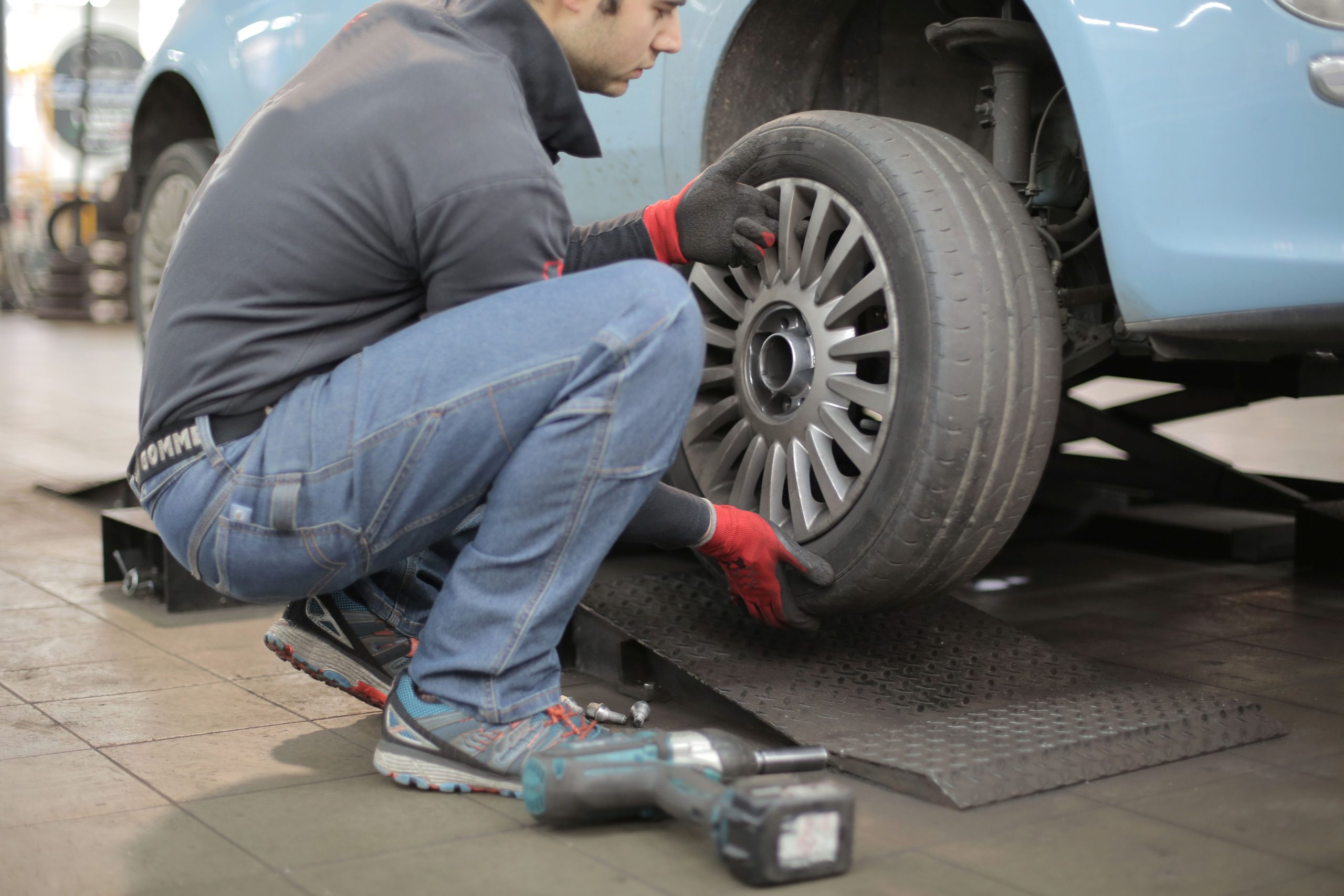
Cleaning Method Cost Comparison
Method 1: Fuel Additives
The simplest cleaning approach is pouring a can of fuel injector cleaner into your gas tank before a fill-up — these cleaners contain detergents that break down gunk and run through the injectors along with the fuel as you drive (The Drive). Costing $10-$20 per bottle and requiring zero mechanical skill, this is the reasonable first step for mild symptoms or as routine preventive maintenance, though it works gradually rather than delivering an immediate, dramatic clean.
Method 2: Professional Pressurized Cleaning
A more thorough method involves hooking up a pressurized fuel cleaner directly to the engine’s fuel rail and running cleaning solution through the system at the manufacturer-recommended PSI, taking 30-60 minutes or longer at a shop (AutoZone). Professional fuel injector cleaning typically costs $50-$80, offering a more immediate and thorough clean than a fuel additive alone, particularly for injectors with more established buildup.
Method 3: Direct Injector Removal
For severely clogged injectors that don’t respond to additive or pressurized cleaning, removing the injectors from the engine allows for direct, thorough cleaning of each unit individually — though this requires meaningfully more mechanical expertise and isn’t a reasonable first-attempt DIY project for most owners. If cleaning doesn’t resolve the issue at all, replacement becomes the next step, running $300-$900 depending on the vehicle and number of cylinders needing new injectors.
If you’re addressing broader engine performance alongside injector maintenance, our guide on oil change intervals covers a related routine maintenance schedule worth keeping in sync, and our guide on changing spark plugs covers another ignition-adjacent component that affects similar symptoms.
The GDI Exception
For gasoline direct injection (GDI) engines specifically, hiring a shop rather than attempting DIY cleaning is the recommended approach (Mech Forged). GDI systems operate at significantly higher fuel pressure and inject directly into the combustion chamber rather than the intake port, making the cleaning process more technically demanding and less forgiving of DIY error than a traditional port fuel injection system.
Frequently Asked Questions
How often should fuel injectors be cleaned preventively?
There’s no universal schedule, but many manufacturers and mechanics suggest a fuel additive treatment every 3,000-5,000 miles as reasonable preventive maintenance, with a professional pressurized cleaning considered if symptoms actually appear or roughly every 30,000 miles.
Does using top-tier gasoline reduce the need for injector cleaning?
Yes, meaningfully — top-tier gasoline brands include a higher concentration of detergent additives specifically designed to keep injectors and intake valves cleaner over time, which can reduce how often dedicated cleaning becomes necessary.
Can dirty injectors cause a check engine light on their own?
Yes — sufficiently clogged injectors can cause a lean or rich fuel mixture that trips diagnostic trouble codes, illuminating the check engine light even without any other obvious symptom present yet.
Is it worth cleaning injectors on a car with very high mileage?
Often yes, since accumulated deposits are more likely on a high-mileage vehicle that hasn’t had routine injector maintenance, and a reasonably priced additive or professional cleaning is a low-risk step to try before assuming more expensive component replacement is needed.
The Bottom Line
Clean fuel injectors with a fuel additive as your low-cost first step, a professional pressurized cleaning service for more established buildup, and full removal or replacement only when cleaning doesn’t resolve the underlying problem. Watch for rough idling, reduced mileage, and misfires as your signal something’s wrong, and leave GDI engine injector cleaning to a professional shop given the higher pressures and technical complexity involved.
Dealing with a performance issue you suspect is injector-related? Contact San Diego Bumper and Collision for a diagnostic.