Prepare your car for winter by having your battery professionally tested (capacity drops in cold weather, and most shops test for free), checking tire tread and pressure since you’ll lose 1-2 PSI for every 10°F temperature drop, replacing old engine oil which thickens and circulates poorly in the cold, and topping off all fluids including a proper 50/50 antifreeze mix and winter-rated washer fluid with de-icing agents.
Here’s the full pre-winter checklist, why each item genuinely matters once temperatures drop, and what to prioritize if you’re short on time.
Key Takeaways
- A battery older than 3 years or slow to crank should be replaced before winter, not during a cold-weather emergency.
- Tire pressure drops 1-2 PSI for every 10°F temperature decrease — check monthly through winter, not just once in fall.
- Cold weather thickens oil, reducing circulation — fresh oil before winter helps the engine run smoothly in low temperatures.
- Winter-rated washer fluid with de-icing agents prevents freezing on contact, unlike standard summer fluid.
Battery: The First Thing to Fail in Cold Weather
Your vehicle’s battery capacity lessens meaningfully in cold weather, making a professional inspection of both battery fluid and cables worthwhile before temperatures drop (Pellmans Auto). Most auto shops test batteries for free, and if yours is older than three years or already shows signs of slow cranking, replacing it proactively beats discovering the failure during an actual cold snap or snowstorm. For the technical details behind why cold weather stresses batteries specifically, our guide on how long a car battery lasts covers the climate-related lifespan differences in depth.
Tires: Pressure Drops as Temperature Falls
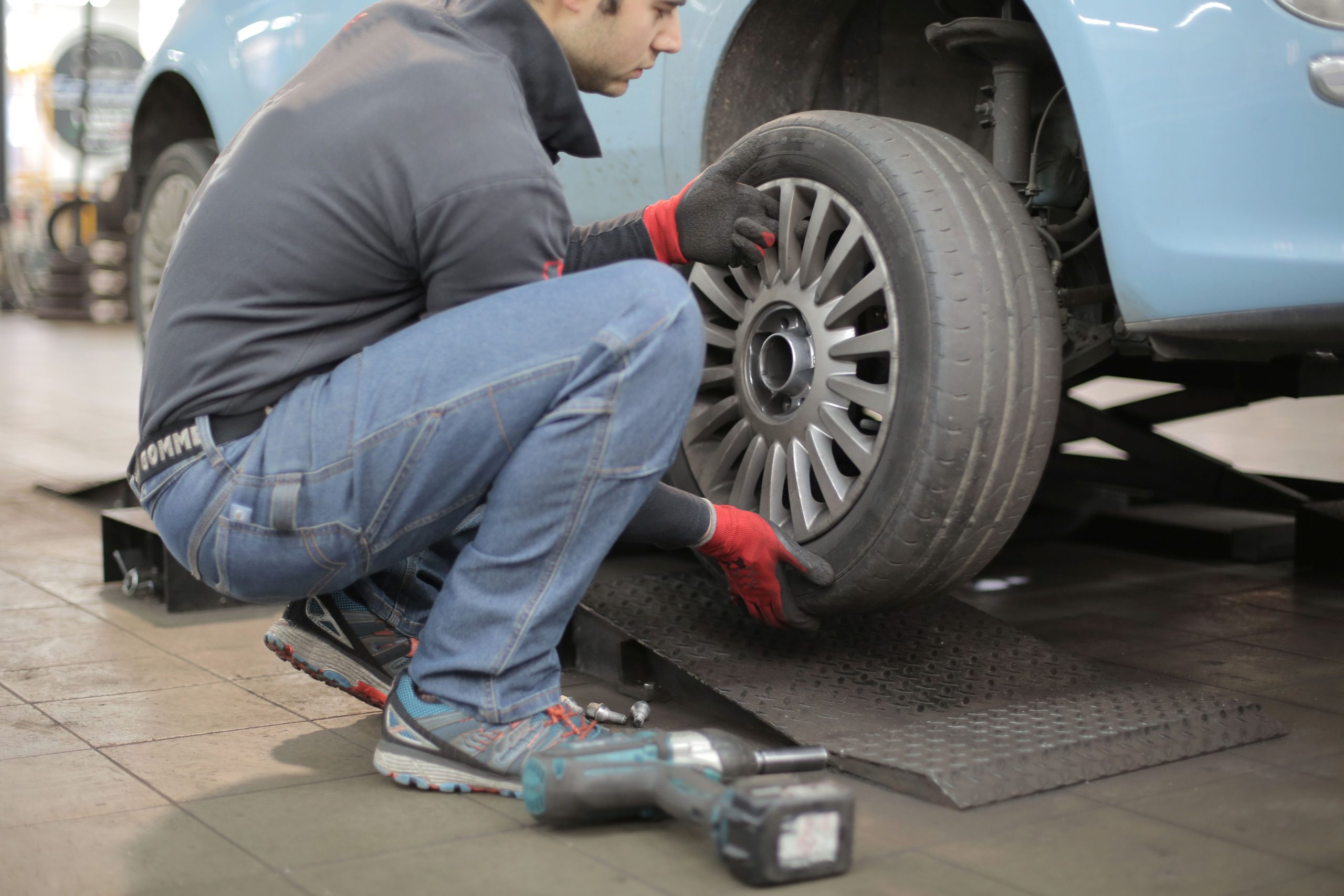
Check tire tread for wear and rotate tires at every oil change, but pressure specifically deserves ongoing attention through the whole season — expect to lose 1-2 PSI for every 10°F drop in temperature (AAA). Monitor pressure monthly rather than just once at the start of winter, and always let tires cool down before checking, since a warm reading from recent driving gives a falsely high number. In areas with heavy snowfall and ice, dedicated snow tires on all four wheels provide meaningfully better traction than all-season tires — installed around November and removed around April in regions where seasonal swapping makes sense.
Fluids: Fresh Oil and the Right Antifreeze Mix
Replace old oil and ensure coolant, brake fluid, power steering fluid, and washer fluid are all at proper levels before winter arrives. Cold weather thickens oil and reduces its ability to circulate efficiently through the engine, so fresh oil going into winter helps everything run smoothly right from a cold start (Sullivan Tire). Use the proper antifreeze mix — typically 50/50 coolant and distilled water — and switch to a winter-grade washer fluid rated for sub-zero conditions, since standard summer washer fluid can freeze on contact with a cold windshield instead of clearing it.
If you’re overdue on a full oil service anyway, our guide on how often to change synthetic oil covers the standard interval and how severe conditions like winter driving affect it.
Visibility and Braking
The heater and defroster need to be in good working condition for both passenger comfort and driver visibility — a defroster that struggles to clear the windshield quickly is a genuine safety issue in winter conditions, not just an inconvenience. Replace worn windshield wiper blades before the season starts, and fill the reservoir with winter-rated washer fluid containing de-icing agents specifically formulated to prevent freezing on contact with cold glass.
If your brake pedal feels soft, squeaky, or less responsive than usual, get it inspected before winter weather makes stopping distances and road conditions more demanding — a marginal brake system that’s tolerable in dry conditions becomes a genuine risk once ice or snow enters the equation.
Frequently Asked Questions
Do I really need snow tires if I only drive occasionally in snow?
For infrequent light snow, quality all-season tires often suffice, but for regular driving in areas with heavy snowfall or ice, dedicated snow tires provide meaningfully better traction and stopping distance than all-seasons, even good ones.
How often should I check tire pressure through winter?
Monthly at minimum, given how much temperature swings affect PSI — some drivers check more frequently during periods of especially volatile weather, since a significant temperature drop overnight can meaningfully underinflate tires by morning.
Is it necessary to switch to a winter-specific oil viscosity?
Many modern vehicles use an all-season oil viscosity that performs adequately year-round, but checking your owner’s manual for any winter-specific recommendation is worth doing, since some older or specific vehicle types do benefit from a different viscosity in extreme cold.
What’s the single most important item on this checklist if I can only do one thing?
Battery testing tends to be the highest-priority item, since a battery failure leaves you stranded immediately and unpredictably, while most other winter prep issues degrade gradually and give more warning before becoming a genuine emergency.
The Bottom Line
Winter car prep comes down to four core areas: battery testing and replacement if needed, tire tread and pressure monitoring through the season, fresh oil and correctly mixed antifreeze, and functioning defrosters with winter-rated washer fluid. Addressing these before cold weather arrives — rather than reactively during the first storm — keeps you from discovering a failure at the worst possible moment.
Want a professional pre-winter inspection covering all these systems? Contact San Diego Bumper and Collision for a checkup.