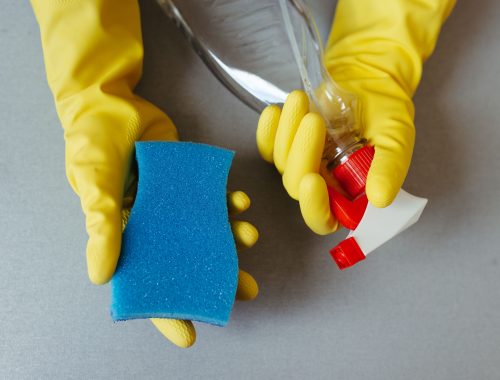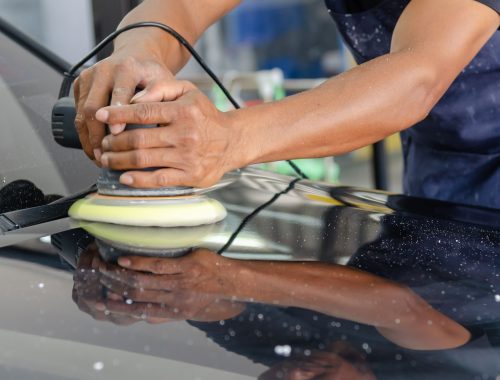

Apply trim and vinyl protectant by washing and drying the surface first, wiping away old grime and buildup with cleaner on a microfiber towel, then applying a small amount of protectant to a foam pad or applicator and massaging it into the surface for 45-60 seconds using straight, linear motions to avoid swirl marks. Let it sit 10-15 minutes, then buff off any excess with a clean towel — reapplying roughly once a month keeps trim and vinyl surfaces consistently protected between full detailing sessions.
Here’s the full application process, why linear motion matters more than people expect, and how often reapplication genuinely needs to happen.
Key Takeaways
- Clean before protecting, always — protectant applied over old grime traps buildup rather than sealing a clean surface.
- Massage in straight, linear motions, not circles, to avoid creating visible swirl marks in the finish.
- Buff off excess after 10-15 minutes — leftover unbuffed product can leave a greasy, uneven look.
- Reapply monthly for regular maintenance — protectant wears down faster than most people assume under normal sun and wash exposure.
The Application Process
Start by washing and drying the surfaces you want to treat, then spray cleaner onto a microfiber towel and wipe the trim gently to banish old grime and buildup before any protectant goes on (Chemical Guys). Shake the protectant bottle well, apply a small amount to a foam pad, microfiber applicator, or cloth, and spread the product evenly, massaging it into the surface for 45-60 seconds. Use straight, linear motions rather than circles when working the product in — this avoids the visible swirl marks that circular application can leave in some trim finishes, particularly under direct light.
Handling Tight Areas and Overspray

Use cotton swabs or small foam applicators for tight areas and seams where a standard applicator pad won’t reach cleanly, and remove any excess protectant that lands on painted surfaces with a quick detailing spray rather than letting it dry there. Buff off excess dressing with a clean towel after 10-15 minutes once the product has had time to set — skipping this buff step is what leaves trim looking greasy or overly wet rather than cleanly finished.
If your trim is faded and needs a shine-restoring treatment before you protect it, our guide on making car trim shine covers the restoration methods that address color and gloss loss specifically, before this protectant step comes in to maintain the result.
How Often to Reapply
Apply rubber and vinyl protectant roughly once a month for regular maintenance — sun exposure, washing, and general weathering all wear the protective layer down faster than most people expect, and letting too much time pass between applications lets trim fade and dry out again before you notice (GP Mobile Car Wash). Vehicles that spend more time in direct sun or go through frequent car washes may benefit from slightly more frequent touch-ups than the standard monthly baseline.
Frequently Asked Questions
Can trim protectant be applied to both interior and exterior trim?
Many products are formulated for dual use, though it’s worth checking the label — some exterior-specific formulas prioritize UV resistance in a way that isn’t necessary for interior-only applications.
Does protectant leave a glossy or matte finish?
It depends on the specific product — some are formulated for a deep, glossy “wet look,” while others maintain a more natural, factory-matte appearance, so choosing the right one comes down to personal preference for the final look.
Is it normal for protectant to feel slightly tacky right after application?
Yes, briefly — this is why the buff-off step after 10-15 minutes matters, since it removes the excess that would otherwise leave a tacky or greasy surface once fully set.
Can too-frequent reapplication cause buildup?
Yes — applying new protectant without first cleaning off the prior layer can create a hazy, uneven buildup over time, which is exactly why the clean-before-apply step in this process matters every single time, not just the first.
The Bottom Line
Applying trim and vinyl protectant comes down to cleaning the surface first, massaging the product in with linear motions, buffing off the excess after it sets, and reapplying roughly monthly to keep up with normal wear. Done consistently, this simple routine keeps trim looking finished rather than faded between full detailing sessions.
Want your trim and vinyl surfaces professionally cleaned and protected? Contact San Diego Bumper and Collision for a quote.