Properly dry your car after washing by working top to bottom — starting at the roof and moving gradually downward — so water from higher panels doesn’t run onto sections you’ve already dried. Gently blot rather than drag a waffle weave microfiber towel (350-450 GSM works well for glass) to avoid dragging dirt across the paint, and use a filtered air blower to purge water from mirrors, emblems, window seals, fuel doors, and grille openings that a towel can’t reach cleanly.
Here’s the correct drying order, why waffle weave towels work differently than standard microfiber, and when an air blower genuinely earns its place in the process.
Key Takeaways
- Dry top to bottom — this prevents water from already-dried upper panels from running down onto lower sections you’ve finished.
- Blot, don’t drag — dragging a towel risks pulling trapped grit across the paint and creating fresh scratches.
- Waffle weave towels excel at absorbency but their short nappe carries more drag risk than plush microfiber on painted panels.
- Only use a filtered, purpose-built blower — unfiltered leaf blowers can inhale and shoot dust directly at your paint.
The Correct Drying Order
Towel Technique: Blot, Don’t Drag
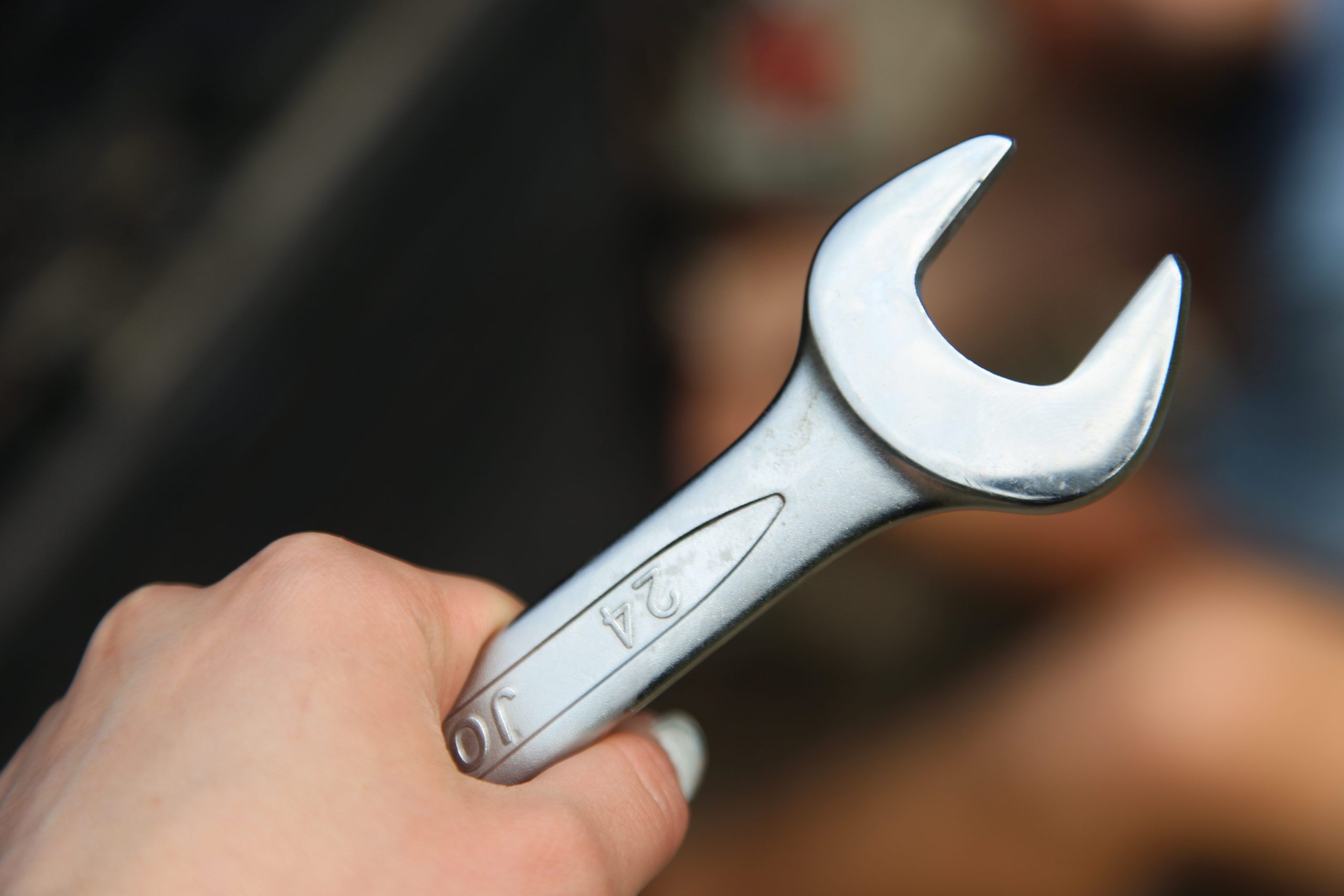
Start from the upper body parts — the roof — and gradually work downward, so water doesn’t run onto sections you’ve already dried and force you to redo them (Pro-Detailing). Gently blot rather than drag your towel across the paint to avoid friction that can scratch the surface. Waffle weave towels, typically 350-450 GSM, work especially well for glass thanks to their pocketed texture that traps water for strong absorbency — but because of their shorter nappe compared to plush microfiber, there’s a real chance of dragging trapped dirt across the hood rather than lifting it cleanly into the towel, which is exactly why the blotting motion matters more with this towel type specifically.
When to Use an Air Blower
A handheld car dryer or filtered shop blower helps purge water from spots a towel physically can’t reach cleanly — mirrors, emblems, window seals, fuel doors, license plate recesses, lug nuts, and grille openings (Chemical Guys). Use a filtered intake with a rubber or plastic nozzle, keeping the tip a few inches off the paint to avoid direct contact. Only use a leaf blower if it’s genuinely clean and filtered — many household leaf blowers inhale ambient dust and shoot it directly at your freshly washed paint, which defeats the entire purpose of the drying step. A purpose-built car dryer with filtered intake is the safer option specifically because it avoids this risk.
For the most effective results, a hybrid approach works best: apply a coating-safe drying aid, use air to remove the bulk of remaining water, then finish with a single blotting pass using a clean towel. If your paint tends to develop water spots even with careful drying, our guide on removing water spots from your car covers treatment options for spots that form despite a careful drying routine.
Frequently Asked Questions
Is air drying without any towel ever a good option?
Not generally — letting water evaporate on its own almost always leaves mineral deposits and water spots behind, since the minerals in the water don’t evaporate along with the moisture itself.
How many towels should I expect to use drying a full car?
Two to three waffle weave or plush microfiber towels is typical for a full vehicle, since a single towel becomes saturated partway through and loses much of its absorbency once fully wet.
Can I use a chamois instead of a microfiber towel?
Chamois can work, though most detailers now prefer microfiber for its superior absorbency and lower scratch risk compared to traditional chamois leather, which can also harden if not cared for properly between uses.
Does drying technique matter as much on a car with a ceramic coating?
Somewhat less, since ceramic-coated surfaces bead and release water more readily, but careful drying still matters for glass, trim, and any uncoated components that don’t benefit from the coating’s hydrophobic properties.
The Bottom Line
Properly drying your car comes down to working top to bottom, blotting rather than dragging your towel, and using a filtered air blower for the tight spots a towel can’t reach cleanly. Getting this final wash step right is what actually prevents the water spots and micro-scratches that undo the careful work of the wash itself.
Want your car professionally washed and dried without the risk of swirls or spotting? Contact San Diego Bumper and Collision for a quote.