Wash your car without water using a waterless wash spray packed with lubricating polymers — spray it onto a panel, the polymers wrap around each dirt particle so it floats in a slick layer instead of grinding into the paint, then wipe it away with a clean microfiber towel. Many formulas also leave behind a wax or sealant layer, cleaning and protecting the paint in a single step. Work from the least dirty panels (roof, windows) to the dirtiest (lower doors, bumpers), using a fresh microfiber towel for each panel rather than reusing a dirty side.
Here’s how waterless washing actually works, how it compares to traditional and rinseless methods on water use, and the technique that keeps it scratch-free.
Key Takeaways
- Lubricating polymers are what make waterless washing safe — dirt floats in a slick layer instead of grinding directly into paint.
- Many waterless formulas leave a protective layer behind, cleaning and waxing in a single pass.
- Work least-dirty to most-dirty panels — roof and windows first, lower doors and bumpers last.
- Use a fresh towel side for each panel — reusing a dirty section reintroduces the scratch risk the method is designed to avoid.
Water Usage Compared
How Waterless Washing Actually Works
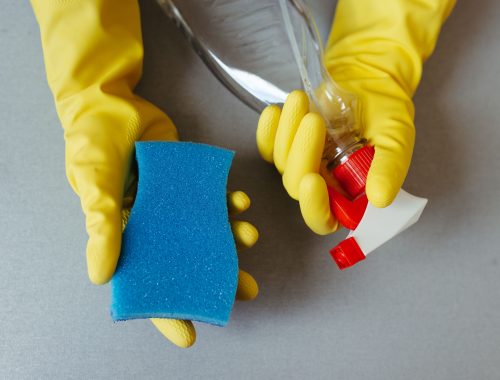
A waterless car wash is a spray-on cleaner packed with lubricating polymers — spray it onto a panel, the polymers wrap around each dirt particle, and you wipe it away with a clean microfiber towel (Ethos Car Care). The lubrication is the entire point — dirt floats inside a slick layer instead of grinding into your paint the way it would with a dry or under-lubricated wipe. These formulas let you lift dirt, add gloss, and apply a protective wax coating in a single step, with no buckets, no rinsing, and meaningfully less mess than a traditional wash.
Application Technique

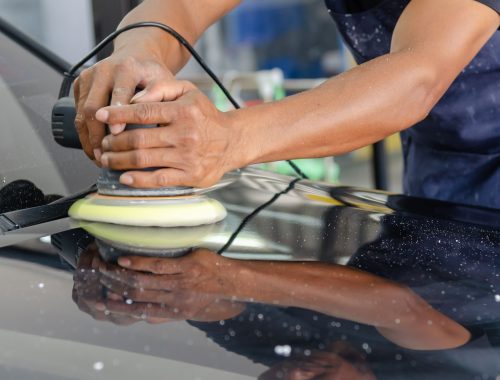
Start with the least dirty panels — roof and windows — and work down to the dirtiest, typically lower doors and bumpers, following the same top-to-bottom logic that applies to traditional washing and drying (DIY Car Wash Tips). Use a fresh microfiber towel for each panel, and never reuse a dirty side of a towel — this single habit is what keeps waterless washing scratch-free, since a contaminated towel section reintroduces the same grit-dragging risk the lubricating spray is designed to prevent. Our guide on properly drying your car after washing covers similar top-to-bottom, blot-don’t-drag principles that apply directly here.
Choosing a Product and When It Fits
Waterless products vary by finish and use case — some prioritize a carnauba-style shine, others are built for dirtier vehicles or paired with ceramic protection. Waterless and rinseless methods work best on moderately dirty cars rather than vehicles heavily caked in mud or road grime, where the reduced lubrication volume compared to a full bucket wash raises the scratch risk on genuinely heavy contamination. For those tougher cases, a traditional wash — covered in our guide on how to wash your car — remains the safer choice.
Frequently Asked Questions
Is waterless washing actually safe for regular use?
Yes, for moderately dirty vehicles — the lubricating polymer technology is specifically engineered to prevent the grinding contact that would otherwise cause swirls, making it safe as a regular maintenance wash method.
How is rinseless washing different from fully waterless?
Rinseless washing uses a small amount of water — typically under two gallons in a bucket — mixed with a rinseless concentrate, while fully waterless uses no water at all; both use far less than a traditional 50-100 gallon hose wash.
Can waterless wash products be used on wheels and tires?
Some are formulated for light use on wheels, but heavily soiled wheels with bonded brake dust generally still benefit more from a dedicated wheel cleaner and hose rinse than a waterless approach.
Is waterless washing better for the environment?
Yes, meaningfully — a traditional hose wash uses 50-100 gallons per vehicle, while a rinseless wash uses under two gallons and a fully waterless wash uses none, making both strong options where water conservation matters.
The Bottom Line
Washing your car without water works well for moderately dirty vehicles, using lubricating polymer sprays and fresh microfiber towels worked in a careful least-dirty-to-dirtiest order. It’s a genuinely water-conscious alternative to a traditional hose wash, though heavily soiled vehicles still benefit more from full water-based washing.
Prefer a professional wash without the water waste? Contact San Diego Bumper and Collision to ask about our services.