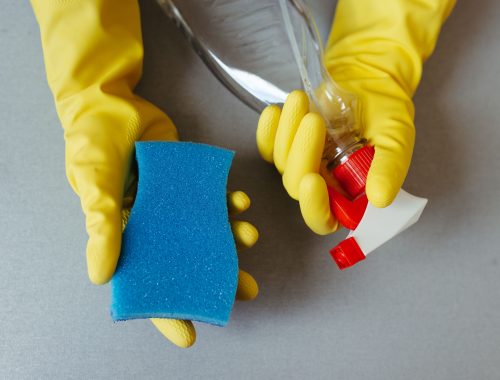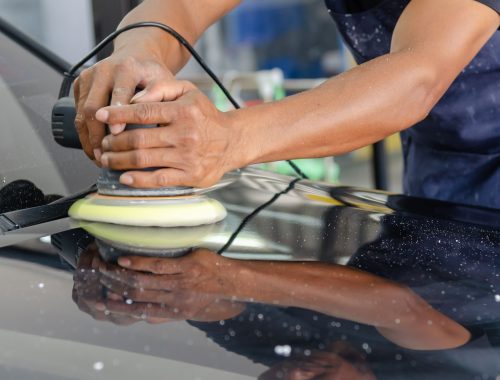

Remove bugs from your car safely by soaking the affected area with warm, soapy water for one to five minutes depending on how dried-on the splatter is, then gently scrubbing in circular motions with a microfiber cloth or sponge — never scrubbing hard enough to risk the clear coat. Rinse or wipe down once the bugs lift free, and finish with a full wash if needed. A dedicated bug remover spray works well on stubborn, baked-on splatter that soapy water alone doesn’t fully soften. Tar is a separate contaminant that needs its own dedicated remover rather than the bug-removal process, since tar bonds differently to paint than insect residue does.
Here’s the safe bug-removal process, the household “hacks” that actually damage paint, and where tar removal fits in as a related but distinct job.
Key Takeaways
- Soak before scrubbing — one to five minutes of warm soapy water softens bug splatter enough that aggressive scrubbing isn’t necessary.
- Circular motion with light pressure lifts residue without risking the clear coat underneath.
- Avoid dryer sheets, baking soda, and hydrogen peroxide — these popular “hacks” can strip coating or scratch paint.
- Tar needs a different dedicated remover than bugs, since it bonds to paint differently than insect residue.
Safe Methods vs. Damaging “Hacks”
| Safe | Avoid |
|---|---|
| Warm soapy water, soaked first | Dryer sheets used as an abrasive scrub |
| Dedicated bug remover spray | Baking soda paste |
| Microfiber cloth, circular motion | Hydrogen peroxide or chemical sprays |
| Light, patient pressure | Steel wool or “magic eraser” pads |
Apply a liberal amount of warm, soapy water to the bug-affected areas, letting it soak — the more dried-on the bugs are, the longer that soak should be, typically one to five minutes (GEICO). Gently scrub with a sponge or microfiber cloth in circular motions, avoiding heavy pressure, which is what risks scratching the clear coat rather than the bug removal itself. Once the splatter lifts free, rinse or wipe down the area, or give the car a full gentle wash to clear any lingering residue.
When Soap Alone Isn’t Enough

Special-purpose cleaners, like W8 Bug Remover, contain active ingredients specifically designed to break down bug residue without harming your clear coat, which makes them worth reaching for on splatter that’s been baking in the sun for days rather than hours (Gtechniq). Microfiber cloths remain the safest lifting tool regardless of which cleaner you use, since their soft, absorbent texture lifts contaminants without the scratching risk that rougher materials carry.
Why Homemade Hacks Are a Real Risk
Popular homemade “hacks” — dryer sheets, baking soda pastes, hydrogen peroxide, or other improvised chemical sprays — can strip your clear coat or scratch painted surfaces despite their reputation as gentle, at-home solutions. Steel wool, magic erasers, or anything labeled a “scrubbing pad” should be avoided entirely, since these are abrasive enough to cut through clear coat even with light pressure. If bug splatter has already left a genuinely bonded stain or has been sitting long enough to become sticky and tar-like, treat it with the same escalating caution used for actual tar removal rather than reaching for a stronger household abrasive.
Tar: A Related but Different Contaminant
Tar bonds to paint differently than bug residue and needs its own dedicated remover rather than the soapy-water process above — our guide on removing tar from a car covers the specific products and technique tar requires. If you’re dealing with both bugs and tar spots on the same drive home, it’s worth treating them as two separate jobs rather than trying to use one product across both, since a bug-specific remover generally won’t fully dissolve tar, and a tar remover can be more aggressive than bug splatter actually needs.
Prevention for Future Drives
Apply wax or a paint sealant to create a protective barrier that makes future bug removal meaningfully simpler — a well-protected surface releases bug residue more easily during a normal wash, reducing how often you need the soak-and-scrub process at all. Our guide on how to wax your car covers the application process for building that protective layer.
Frequently Asked Questions
Does bug splatter get more damaging the longer it sits?
Yes — bug residue is acidic and becomes more bonded to the paint the longer it bakes in the sun, which is why addressing it within a day or two of a long drive meaningfully reduces removal difficulty.
Is it safe to remove bugs at a self-serve car wash with a pressure wand?
Generally yes for lighter splatter, though genuinely stubborn, baked-on bugs may still need a pre-soak with soapy water or bug remover before the pressure wand can fully clear them.
Can bug splatter damage headlights or plastic trim, not just paint?
Yes — the same acidic residue that affects paint can also etch into plastic headlight lenses and trim if left too long, making prompt removal important across all affected exterior materials.
Is clay bar treatment useful for old, stubborn bug residue?
Yes, for spots that resist normal washing — a clay bar can lift bonded residue that soap and a microfiber cloth alone can’t fully remove, similar to how it handles other stuck-on contamination.
The Bottom Line
Removing bugs from your car safely comes down to soaking first, scrubbing gently with a microfiber cloth, and reaching for a dedicated bug remover on stubborn splatter — while steering clear of dryer sheets, baking soda, and other household hacks that risk the clear coat. Tar is a related but separate job requiring its own dedicated remover rather than the bug-removal process.
Dealing with bug damage or tar spots you can’t remove yourself? Contact San Diego Bumper and Collision for a professional assessment.