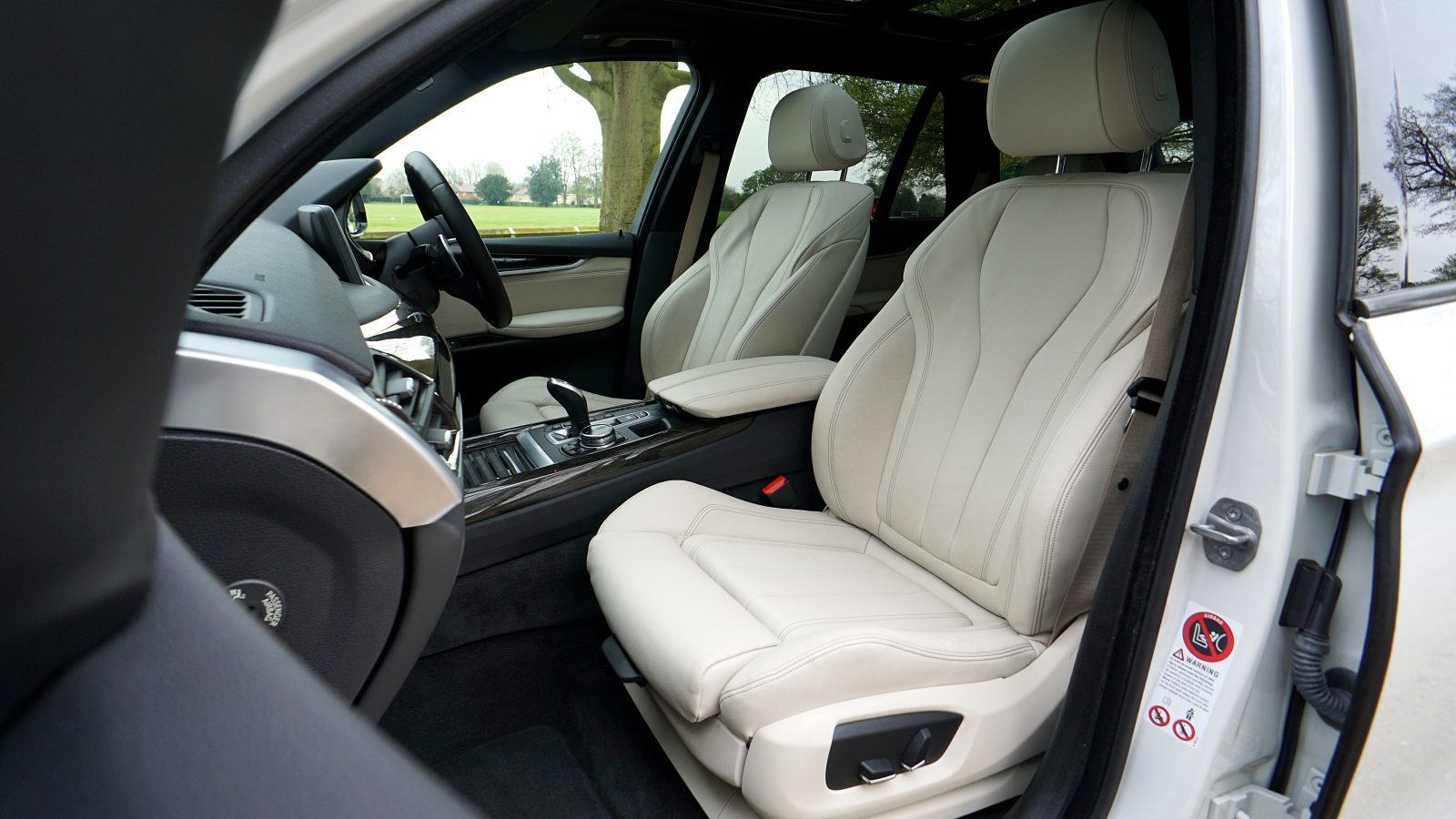
Clean white Tesla and other white leather seats by vacuuming first to remove loose dirt and sharp particles, then wiping with a non-detergent soap like Castile mixed with water, or a dedicated leather cleaner, using a slightly damp microfiber cloth wiped in the direction of the seat grain rather than in circles. Never use harsh chemicals containing alcohol — including Lysol wipes and sprays — since these dry out vegan and genuine leather alike, leading to cracking, bubbling, or discoloration over time.
Here’s the correct cleaning technique, the specific risks white leather faces that darker colors don’t, and the maintenance schedule that keeps it looking new.
Key Takeaways
- Vacuum before wet cleaning — loose dirt and sharp particles can scratch or tear leather during the wipe-down step.
- Wipe with the grain, not in circles — this reduces the chance of working stains deeper into the material.
- Avoid alcohol-based cleaners entirely — Tesla specifically warns against Lysol products and similar chemicals on vegan leather.
- Dark, damp denim is a real staining risk — dye transfer from wet jeans is one of the most common white-seat stains.
What Puts White Leather at Extra Risk
The Correct Cleaning Technique
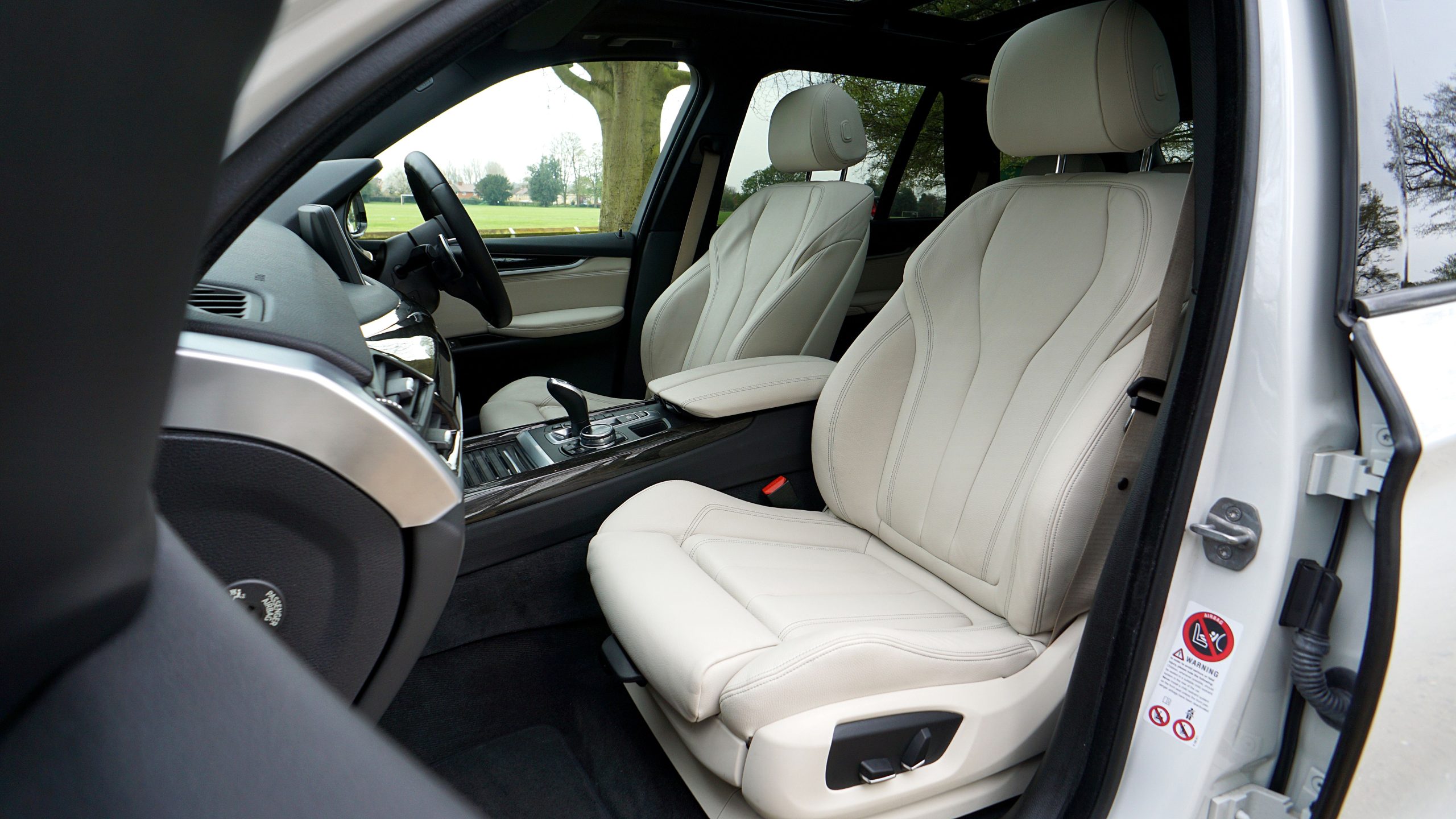
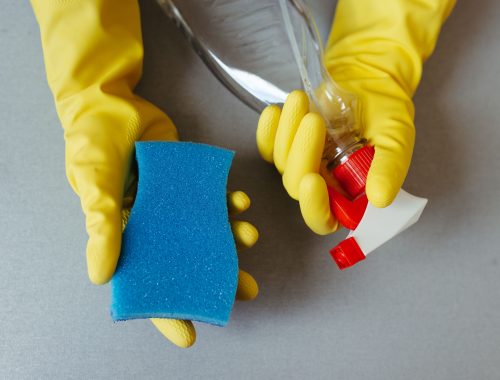
Tesla’s Ultra White vegan leather seats are easy to maintain by regularly brushing off debris and wiping with a non-detergent soap, like Castile, and water (Chemical Guys). For barely dirty seats, a damp cloth with warm water alone is often enough; for more thorough cleaning, use a dedicated leather cleaner with a microfiber cloth. Vacuum the interior first to remove loose dirt, crumbs, and any sharp particles that could scratch or tear the leather before you introduce any moisture. Use a slightly damp — not wet — microfiber cloth, and wipe in the direction of the seat grain rather than in circles, which helps avoid working residue or staining deeper into the material’s texture.
Products and Materials to Avoid
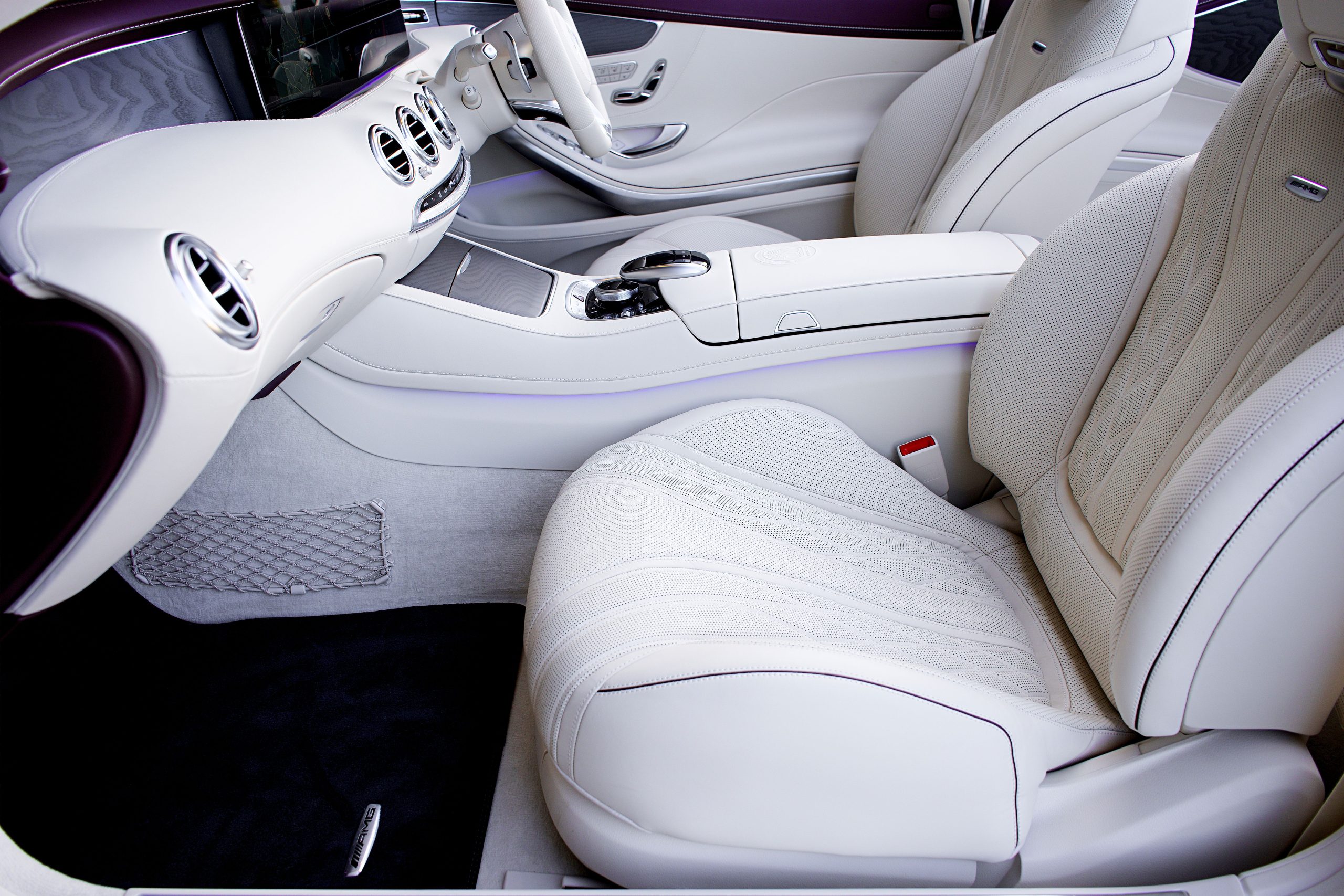
Tesla advises never using harsh chemicals containing alcohol on vegan leather seats — alcohol and similar harsh chemicals cause vegan leather to dry out, leading to cracking, bubbling, or discoloration. Specifically avoid Lysol wipes, liquids, and sprays, since these contain ammonium and ethanol that damage vegan leather in the same way. This caution generally extends to genuine white leather as well, where harsh solvents strip natural oils and accelerate cracking regardless of the exact leather type. Our guide on choosing the right leather cleaning products for your car covers matching cleaner formulation to leather type in more depth.
Preventing the Most Common Stains
Wash new dark-colored jeans before wearing them, and avoid sitting on white seats while wearing dark jeans that are damp from rain, snow, or humid conditions — dye transfer from wet denim is one of the most common and frustrating stains white-seat owners deal with. Prolonged sunlight exposure also causes fading and cracking over time, so parking in shaded areas or using sunshades meaningfully extends how long the leather stays looking new. If a stain does set in despite precautions, our guide on cleaning and protecting leather car seats covers the broader conditioning routine that helps leather resist future staining.
Maintenance Schedule
Clean and condition leather seats every three to six months to maintain softness and prevent cracking — white leather in particular benefits from this consistency, since visible staining and yellowing show up far more obviously than on darker leather, making prevention meaningfully more valuable than after-the-fact stain removal.
Frequently Asked Questions
Can baby wipes be used on white Tesla seats in a pinch?
It’s safer to avoid them unless specifically labeled alcohol-free, since many baby wipes contain the same alcohol-based ingredients Tesla warns against for vegan leather.
Does white leather yellow naturally over time even with careful care?
Some gradual yellowing from UV exposure and oxidation is normal over years of use, though consistent shade parking and proper cleaning products slow this process considerably compared to neglect.
Is a leather protectant spray worth using on white seats specifically?
Yes, generally — a UV-protective leather conditioner adds a layer of defense against fading and helps the surface resist staining more effectively between full cleanings.
What’s the fastest way to respond to a fresh spill on white leather?
Blot immediately with a clean, dry cloth rather than wiping, which can spread the spill, then follow with the standard damp-cloth cleaning method once the excess liquid is absorbed.
The Bottom Line
Cleaning white Tesla and other white leather seats comes down to gentle, alcohol-free products, wiping with the grain rather than in circles, and proactive prevention against denim dye transfer and sun exposure. White leather shows every mistake more visibly than darker colors, which makes consistent, careful maintenance genuinely worth the extra attention.
Want your white leather seats professionally cleaned and conditioned? Contact San Diego Bumper and Collision for a quote.