Apply a ceramic coating to your car’s interior by first cleaning each material with an interior-safe product — never the same aggressive chemicals used on exterior paint — then letting the surface dry completely before coating. For leather and vinyl, clean with a dedicated leather cleaner, apply the coating in thin, even layers with a foam applicator, work section by section, and allow 2-3 minutes of flash time before lightly buffing residue. For fabric seats and carpet, extract dirt with an upholstery cleaner or steamer first, then spray the coating on and work it into the fibers with a soft brush, letting it dry before an optional second layer for extra protection.
Here’s why surface prep matters even more indoors than out, the material-specific application steps, and why testing on a hidden area first genuinely matters on mixed interiors.
Key Takeaways
- Surface prep is the most important step — a dirty surface prevents the coating from bonding properly, regardless of material.
- Never use exterior cleaning products on interior leather or vinyl — those chemicals are too aggressive and can damage the finish.
- Fabric needs extraction cleaning first, then the coating is worked into fibers with a soft brush rather than wiped on like leather.
- Always test on a hidden area first, especially with mixed-material interiors that combine leather, fabric, and plastic trim.
Matching Prep and Application to Material
Leather and Vinyl Application
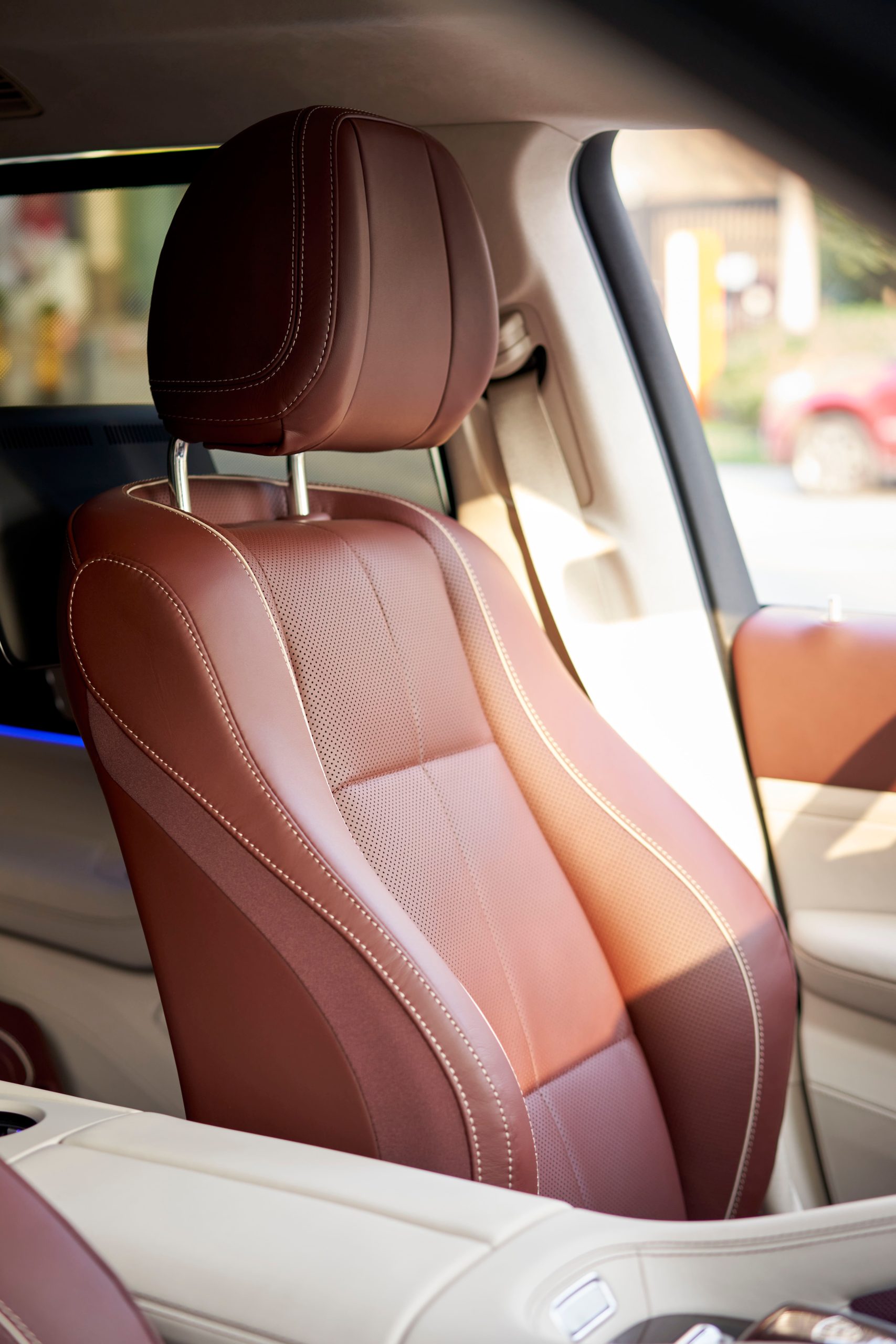
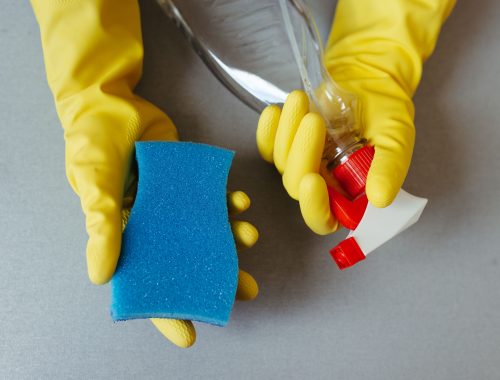
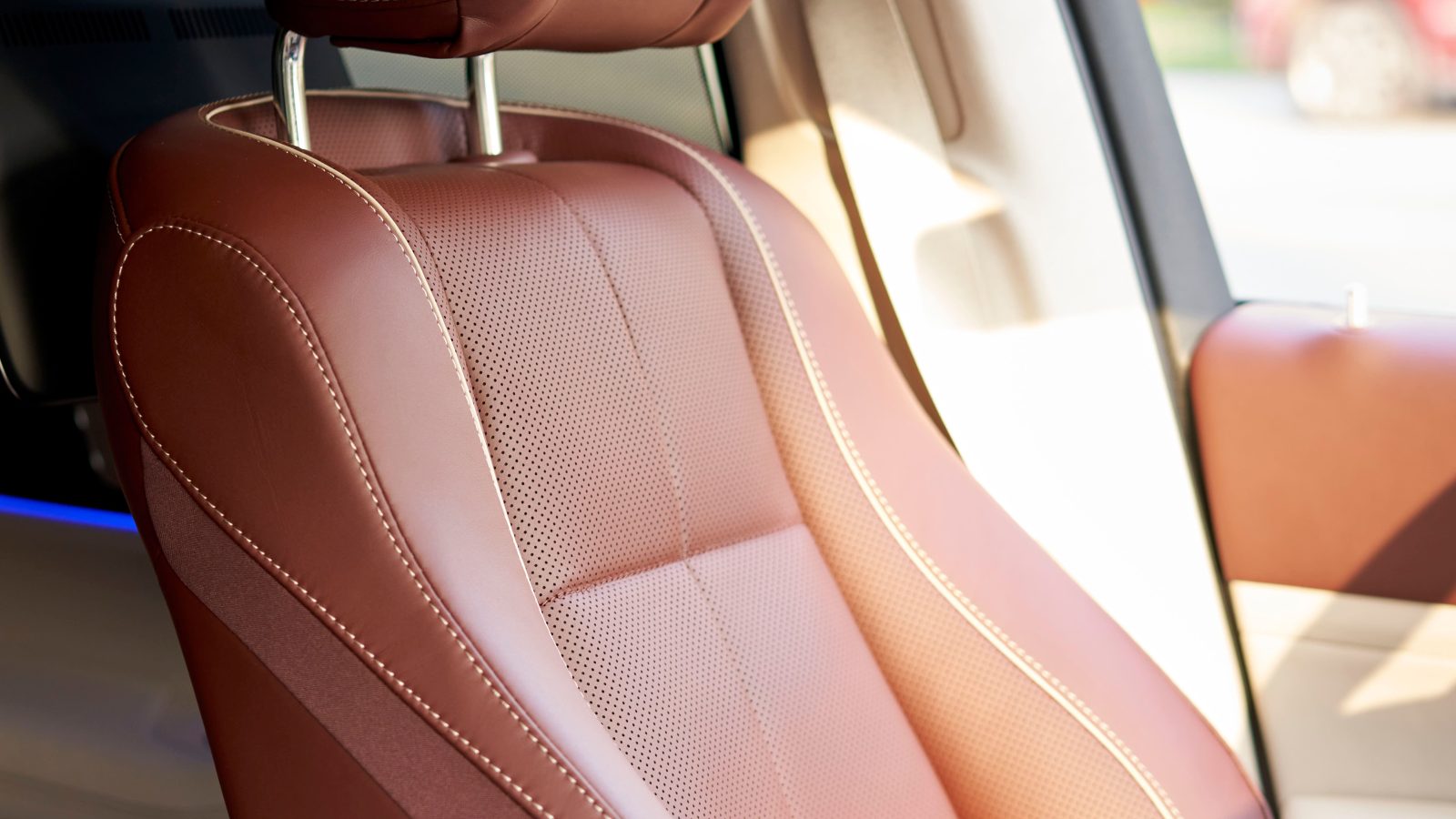
Surface preparation is the most important part of the process — a dirty surface prevents the coating from bonding properly, regardless of how good the product itself is (Chemical Guys). Use an interior-safe cleaner on leather, vinyl, or plastic, scrubbing gently with a microfiber towel or brush — do not use the same cleaning products you’d use on the car’s exterior, since those chemicals are too aggressive for interior leather and can damage the finish. For leather specifically, clean thoroughly with a dedicated leather cleaner, let it dry completely, then apply the coating in thin, even layers with a foam applicator, working section by section. Allow 2-3 minutes of flash time and lightly buff residue before moving to the next section. Our guide on cleaning and protecting leather car seats covers the routine maintenance that keeps a coated leather surface performing well between full reapplications.
Fabric and Carpet Application
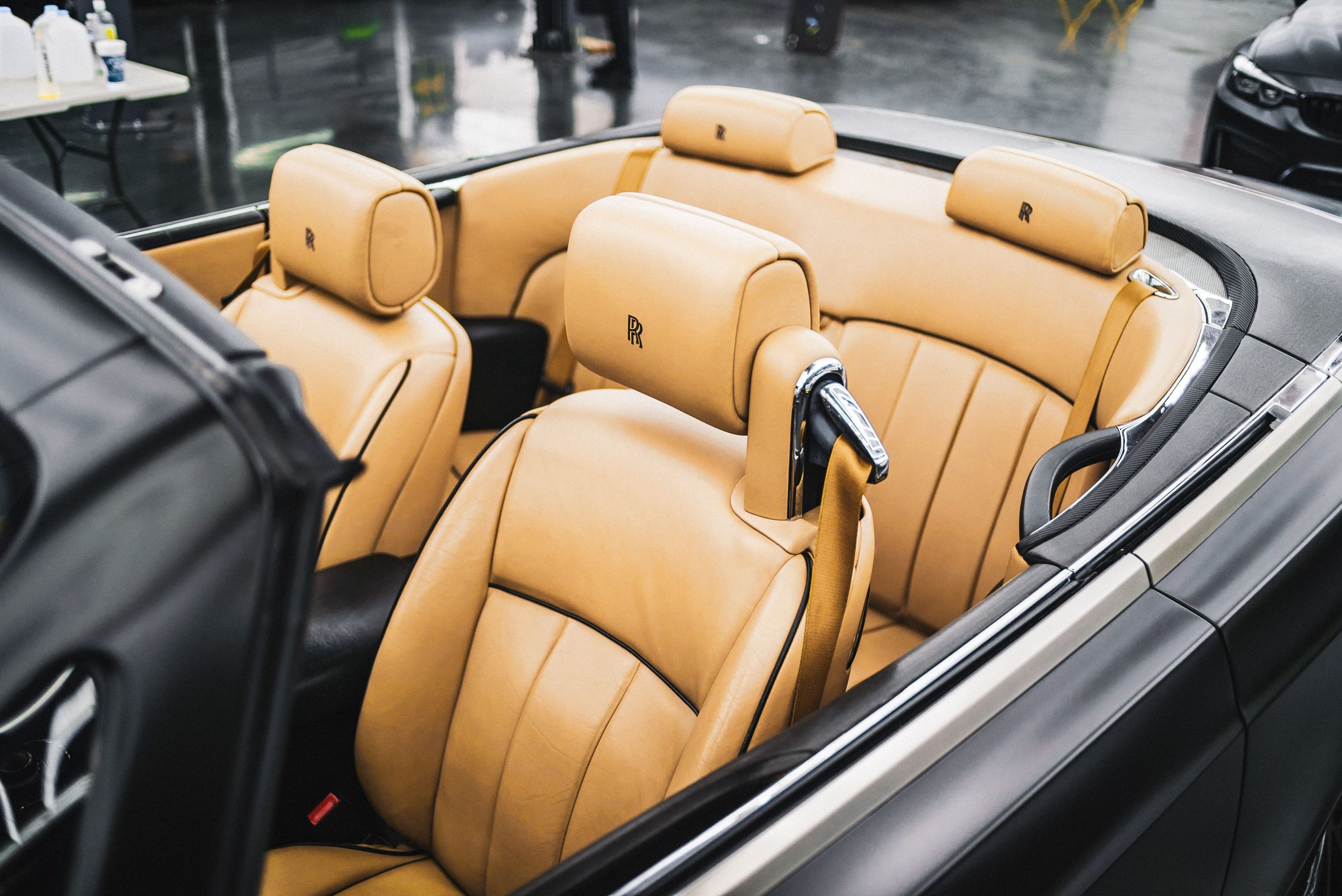
For fabric seats or carpets, use a steamer or extract dirt using an upholstery cleaner first — fabric holds embedded dirt differently than leather, so a wipe-down alone won’t sufficiently prep the surface. Once clean and dry, shake the ceramic coating bottle well and spray it onto the fabric, working it into the fibers with a soft brush rather than the wipe-on technique used for leather. Let it dry, then reapply for extra protection if desired. Our guide on cleaning car carpets and upholstery covers the extraction process this prep step draws from in more depth.
Why Testing Matters on Mixed Interiors
Clean the surface first and test any product on a small, hidden area before full application, especially on mixed interior materials that combine leather, fabric, and plastic trim in close proximity. A coating that works well on leather can react differently on adjacent fabric or vinyl trim, and catching that on a test patch avoids a visible mismatch across your interior’s most noticeable surfaces. If you’re already protecting your seats with HydroThread or a similar fabric protectant, our guide on using HydroThread to protect your car’s interior covers a related fabric-specific protection option worth comparing against a full ceramic system.
Frequently Asked Questions
Does interior ceramic coating provide the same durability as exterior paint coating?
Generally shorter — interior surfaces face different wear patterns like abrasion from clothing and repeated contact, so interior coatings are typically reapplied more often than a multi-year exterior system.
Can interior ceramic coating help with future stain removal?
Yes — these coatings provide stain resistance by creating a barrier that keeps spills and dirt from bonding directly to the material, making routine cleanup meaningfully easier afterward.
Is interior ceramic coating safe for suede or alcantara surfaces?
Not all products are formulated for these more delicate textiles — checking that a coating is specifically rated safe for suede or alcantara is worth doing before applying, since standard leather or fabric formulas may not be appropriate.
How long should the interior sit before use after coating?
Allowing several hours to a full day of undisturbed cure time is generally recommended, since sitting on or contacting freshly coated surfaces before the coating sets can compromise the bond.
The Bottom Line
Applying ceramic coating to your car’s interior comes down to matching prep and application technique to each material — a dedicated leather cleaner and thin layers for leather and vinyl, extraction cleaning and brush application for fabric and carpet. Testing on a hidden area first protects against surprises on interiors that mix multiple material types.
Want your interior professionally ceramic coated? Contact San Diego Bumper and Collision for a quote.