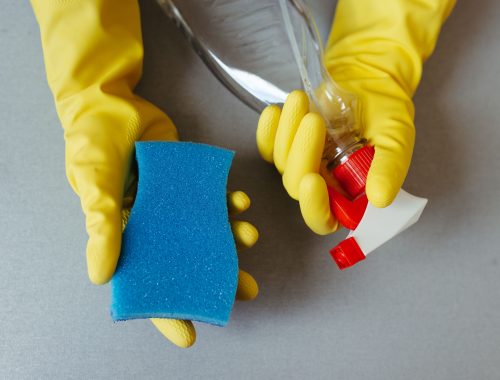
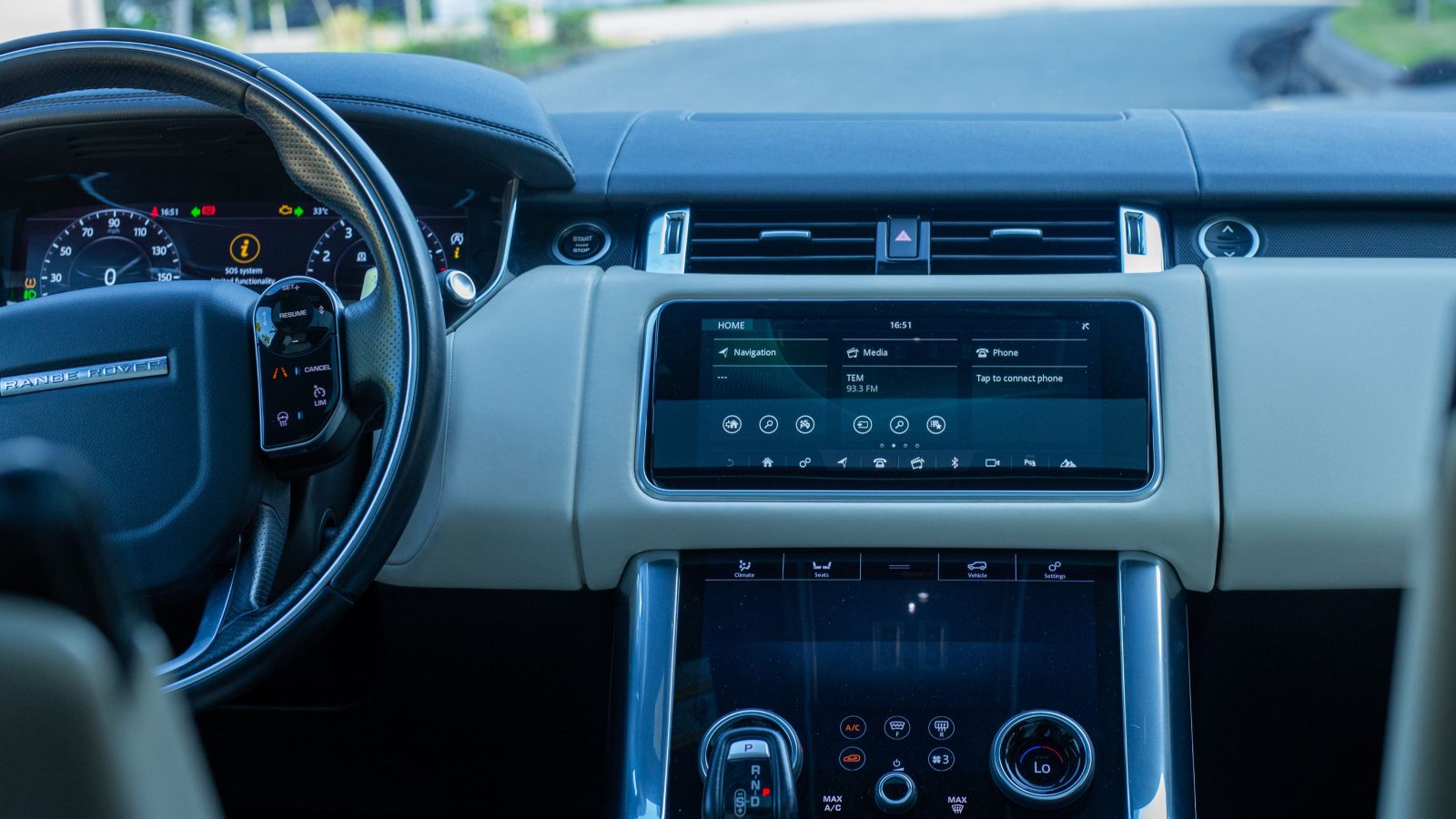
Clean inside windshield haze by treating it as film, not dirt — the haze usually comes from off-gassed plasticizers released by your dash and vinyl trim, which a regular glass cleaner just smears around instead of removing. Use a damp, clean microfiber towel with a 50/50 isopropyl alcohol solution to cut through the film, then immediately buff with a separate, dry waffle-weave towel using straight-line motions. Always spray cleaner onto the cloth, never directly onto the glass, where overspray can land on the dash.
Here’s why this haze is chemically different from outside dirt, the streak-free technique that actually works, and a simple trick for tracking down streaks if they still appear.
Key Takeaways
- Interior windshield haze is off-gassed film, not dirt — this is why standard glass cleaner often just smears it around.
- A 50/50 isopropyl alcohol solution cuts through film more effectively than a standard ammonia-based glass cleaner.
- Spray cleaner onto the cloth, not the glass — this prevents overspray from landing on the dash and other trim.
- Use vertical strokes inside, horizontal outside — this lets you instantly identify which side a streak is on.
Why Interior Haze Needs a Different Approach
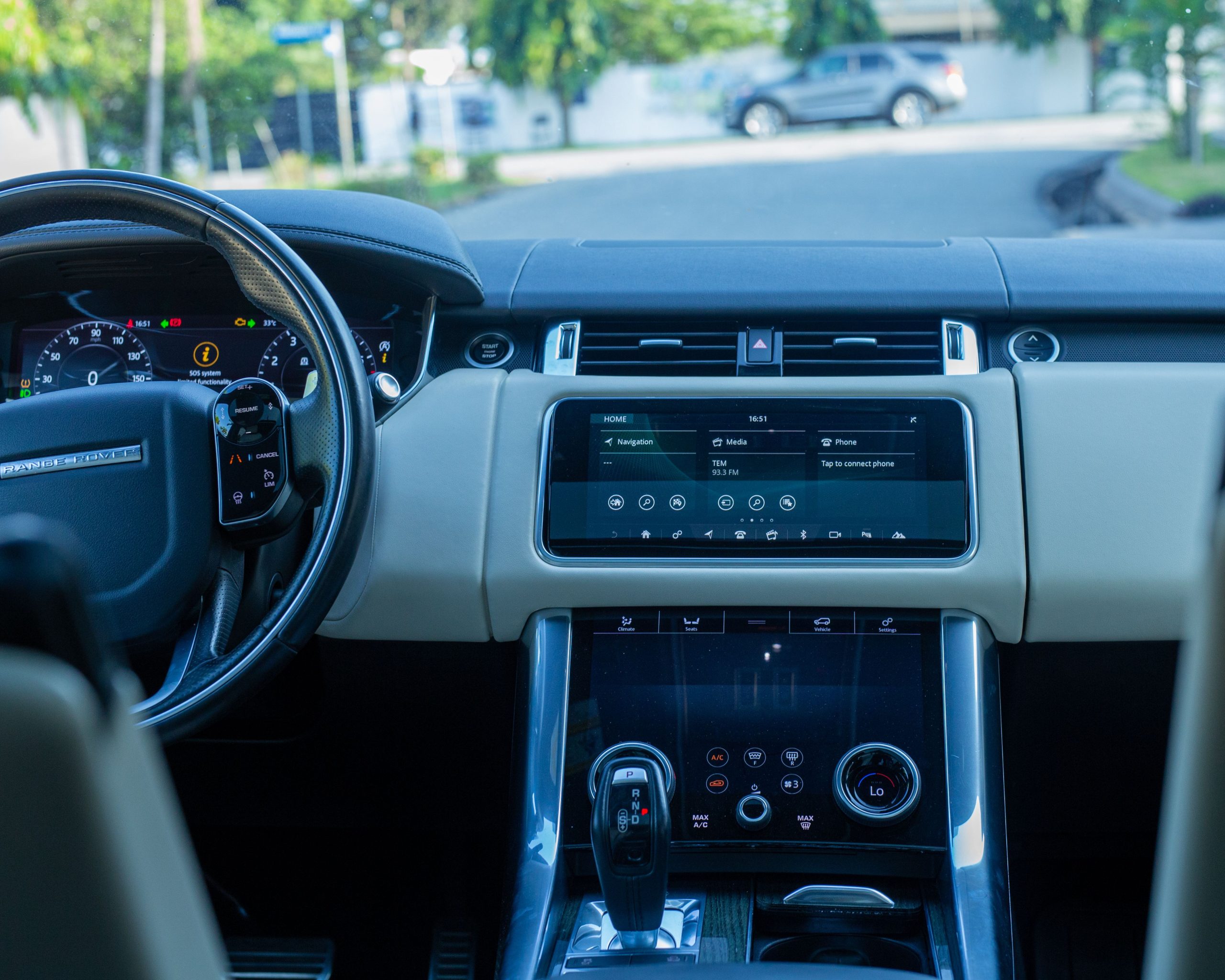
The haze on the inside of your windshield usually isn’t dirt at all — it’s a thin film of off-gassed plasticizers released by your dash and vinyl trim, especially in hot weather, that a regular glass cleaner just smears around rather than actually removing (The Rag Company). This is exactly why the same technique that works well on the outside of your windshield often leaves the inside looking streaky or hazy no matter how many times you wipe it.
The Streak-Free Cleaning Method
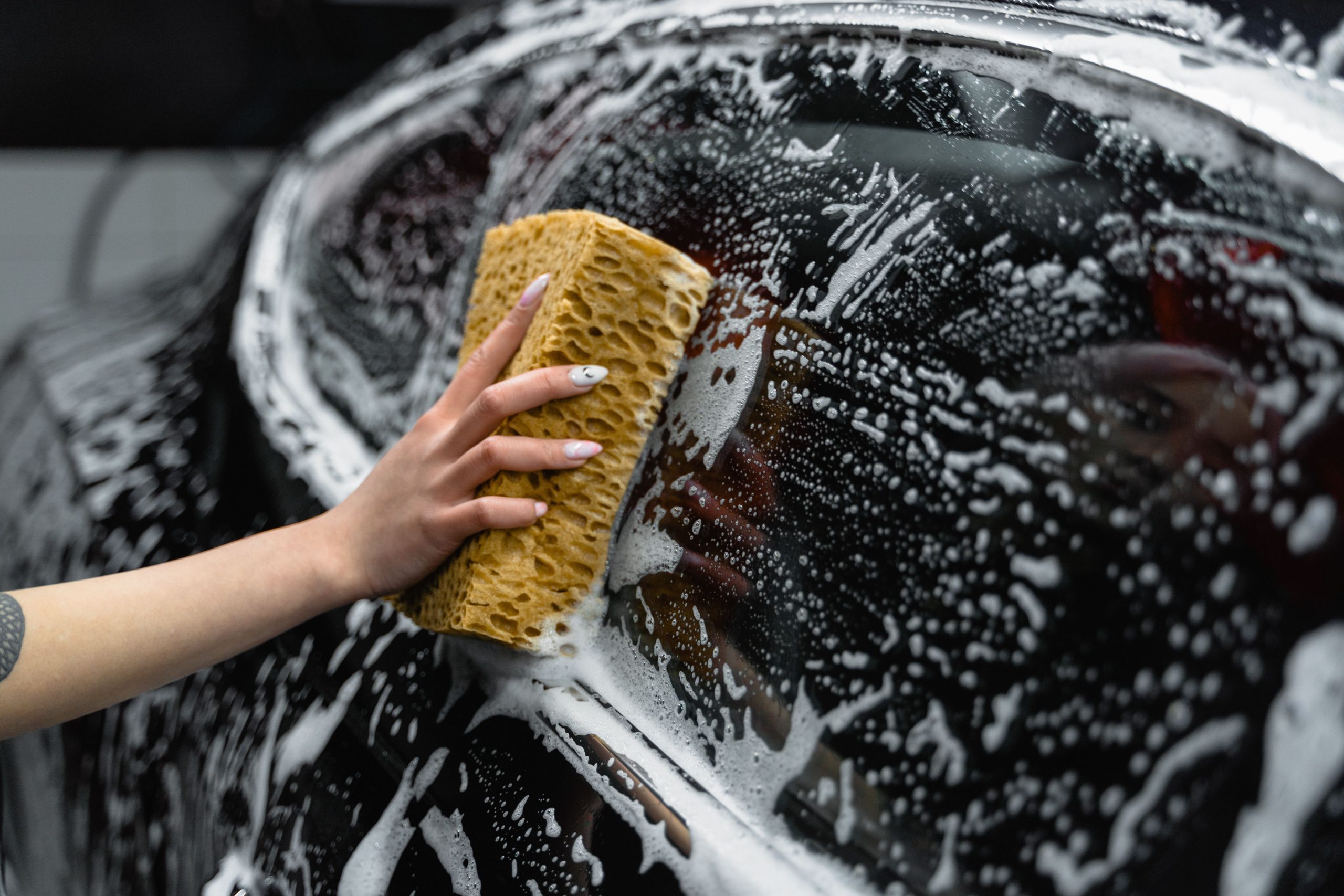
Use a damp, clean microfiber towel with a 50/50 isopropyl alcohol (IPA) solution to cut through the film, then buff immediately with a separate, dry waffle-weave towel using straight-line motions — the alcohol solution dissolves the plasticizer film more effectively than standard glass cleaner (GoMyReview). As an alternative, apply a dedicated automotive glass cleaner to a no-soak microfiber applicator rather than spraying it straight onto the glass, where overspray lands on the dash, then buff dry with a lint-free glass towel in a crosshatch pattern — side to side, then up and down — so you can visually catch any leftover streaks as you go. Park in shade before starting, since direct sunlight causes cleaner to dry too fast and streak regardless of technique. Our guide on cleaning car windows without streaks covers the general two-towel technique this haze-specific method builds on.
Tracking Down Streaks with Stroke Direction
Use vertical strokes on the inside of the windshield and horizontal strokes on the outside — if you later notice a streak, this simple habit lets you immediately know which side it’s on based on the stroke direction, saving you from redoing both sides when only one actually needs it (CarXplorer). This trick becomes especially useful during a full detail when you’re working quickly and want to avoid backtracking to figure out where a stubborn streak is actually coming from.
A Caution for Tinted Windows
Skip ammonia-based glass cleaners near tinted windows — ammonia breaks down window tint film over time, which is a real risk if any cleaner overspray reaches tinted glass during the inside-windshield cleaning process. Opt for an ammonia-free formula instead, particularly if your vehicle has tint on any adjacent windows.
Frequently Asked Questions
How often does interior windshield haze typically need cleaning?
It varies by climate and how much time the car spends in direct sun, but many owners find they need to address it every few months, more frequently in consistently hot conditions that accelerate off-gassing.
Can a UV-protective dash treatment reduce how quickly haze forms?
Yes, generally — a UV protectant on the dash and trim can slow off-gassing over time, meaning less frequent haze buildup on the windshield compared to an untreated interior.
Is it safe to use the isopropyl alcohol method on tinted rear or side windows?
It’s safer to avoid alcohol-based solutions on tinted windows specifically, sticking to a tint-safe, ammonia-free cleaner instead to prevent degrading the tint film.
Why does the inside of the windshield seem to get hazy faster than side windows?
The windshield’s angle and proximity to the dash expose it more directly to off-gassing plasticizers and concentrated sun exposure than the more vertically oriented side windows.
The Bottom Line
Cleaning inside windshield haze comes down to recognizing it as off-gassed film rather than ordinary dirt, using an isopropyl alcohol solution or dedicated glass cleaner applied to the cloth rather than the glass, and tracking stroke direction to quickly identify any remaining streaks. Getting this specific technique right solves a problem that standard window cleaning often leaves behind.
Still dealing with stubborn windshield haze? Contact San Diego Bumper and Collision for a professional interior detail.