Remove tree sap from your car by first washing the affected area with car soap and water to avoid grinding grit into the paint, then applying 70-90% isopropyl alcohol to a clean microfiber cloth, letting it dwell 2-3 minutes before gently wiping. For a faster, paint-safe option, use a dedicated sap remover like Stoner Tarminator — mist a microfiber towel, dab the spot for 20-30 seconds, wipe gently, wash the area, and re-wax. Olive oil offers a gentler household alternative that loosens sap for easier wiping. Act quickly, since the natural acids and sugars in sap begin bonding with your clear coat within hours of landing.
Here’s how each removal method compares, why acting fast genuinely matters, and the products that can make sap damage worse instead of better.
Key Takeaways
- Wash the area before treating the sap — this prevents grit from scratching the paint while you work.
- Isopropyl alcohol dwell time matters — 2-3 minutes gives the alcohol time to actually break down the sap before wiping.
- Sap bonds with clear coat within hours, so removing it promptly meaningfully improves your odds of a clean result.
- Never use acetone, lacquer thinner, or gasoline — these harsh solvents can strip clear coat along with the sap.
Safe Methods vs. Damaging Solvents
| Safe | Avoid |
|---|---|
| 70-90% isopropyl alcohol on microfiber | Acetone |
| Dedicated sap remover product | Lacquer thinner |
| Olive oil (gentle household option) | Gasoline |
| Plastic scraper or credit card, only after softening | Metal blades or sharp objects |
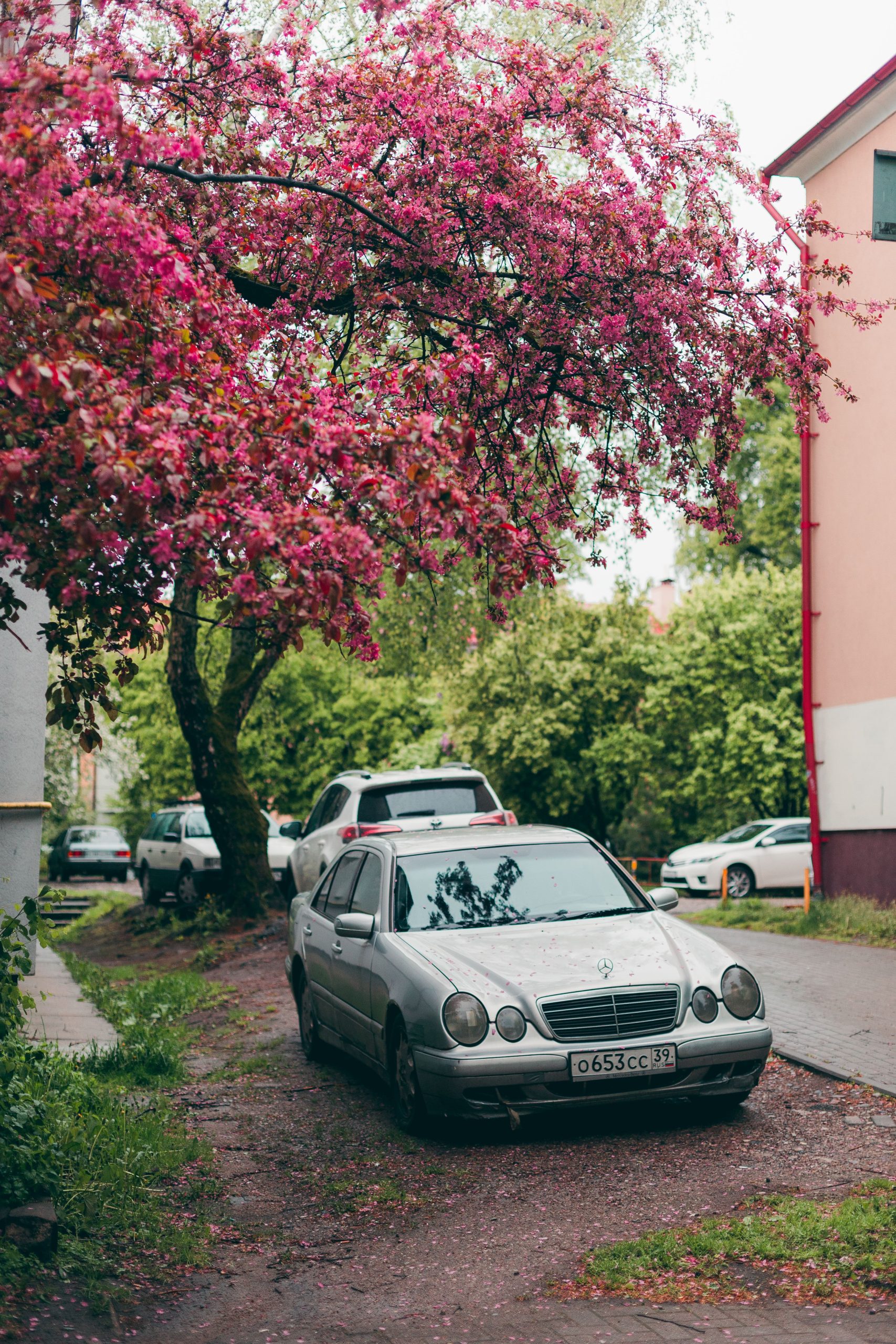
Give the affected area a quick wash with car soap and water before treating the sap itself — this prevents grinding grit into the paint while you work on the sticky residue, and dry with a clean microfiber towel afterward (Chemical Guys). Steer clear of sharp objects, harsh chemicals, or high heat throughout the process, all of which can further damage the car’s finish rather than just removing the sap sitting on top of it.
Isopropyl Alcohol: The Reliable Standard
The safest removal method for fresh sap is 70-90% isopropyl alcohol applied to a clean microfiber cloth, letting it dwell for 2-3 minutes before gently wiping (Cars.com). Microfiber is specifically recommended over rougher materials, since it reduces the risk of scratching the paint during the wiping process. This dwell time genuinely matters — wiping immediately without letting the alcohol work rarely lifts sap effectively, especially once it’s had time to partially harden.
Commercial Removers and Household Alternatives
For a faster, paint-safe option, a dedicated sap remover like Stoner Tarminator works well — mist a microfiber towel, dab the spot for 20-30 seconds, wipe gently, wash the treated area, and re-wax once finished (AutoZone). Olive oil offers a gentler household alternative: put a small amount on a cloth and rub it onto the sap, letting the oil loosen the residue and make it easier to wipe away. Once sap is fully removed, follow up with a layer of protective car wax to restore shine and rebuild the protective barrier the sap contact may have compromised. Our guide on how to wax your car covers that finishing step in more depth.
Frequently Asked Questions
Can tree sap permanently damage car paint if left too long?
Yes — sap’s natural acids and sugars can etch into the clear coat if left for weeks or months, sometimes requiring polishing or paint correction to fully resolve, which is why prompt removal matters more than it might initially seem.
Is it safe to remove sap from a car with a ceramic coating?
Isopropyl alcohol and dedicated sap removers are generally safe on ceramic-coated surfaces when used as directed, though avoiding harsh solvents matters even more here to protect the coating’s hydrophobic properties.
Does sap damage windshields and glass the same way it damages paint?
Glass is more resistant to etching than clear coat, but sap left on glass for extended periods can still become difficult to remove and may require similar alcohol-based treatment rather than plain glass cleaner alone.
Can I use a clay bar for tree sap that’s already hardened?
Yes — a clay bar can help lift hardened, bonded sap residue that alcohol alone doesn’t fully dissolve, working well as a follow-up step for stubborn spots.
The Bottom Line
Removing tree sap from your car comes down to washing the area first, then treating with isopropyl alcohol, a dedicated sap remover, or olive oil depending on what you have on hand — while avoiding harsh solvents like acetone that can damage the clear coat along with the sap. Acting quickly, before the sap has time to bond, is the single biggest factor in how easily it comes off.
Dealing with sap damage that won’t come out? Contact San Diego Bumper and Collision for a professional assessment.