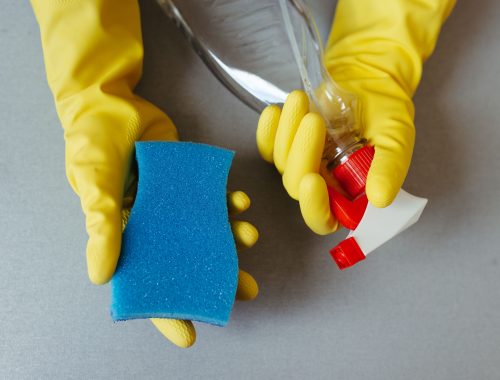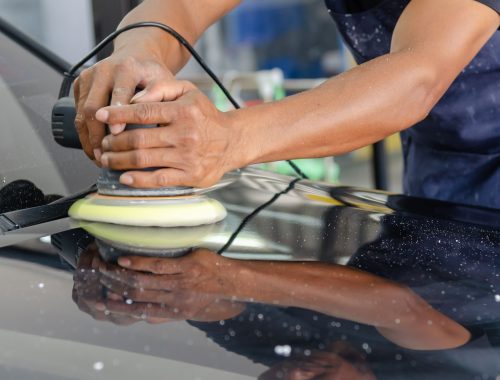
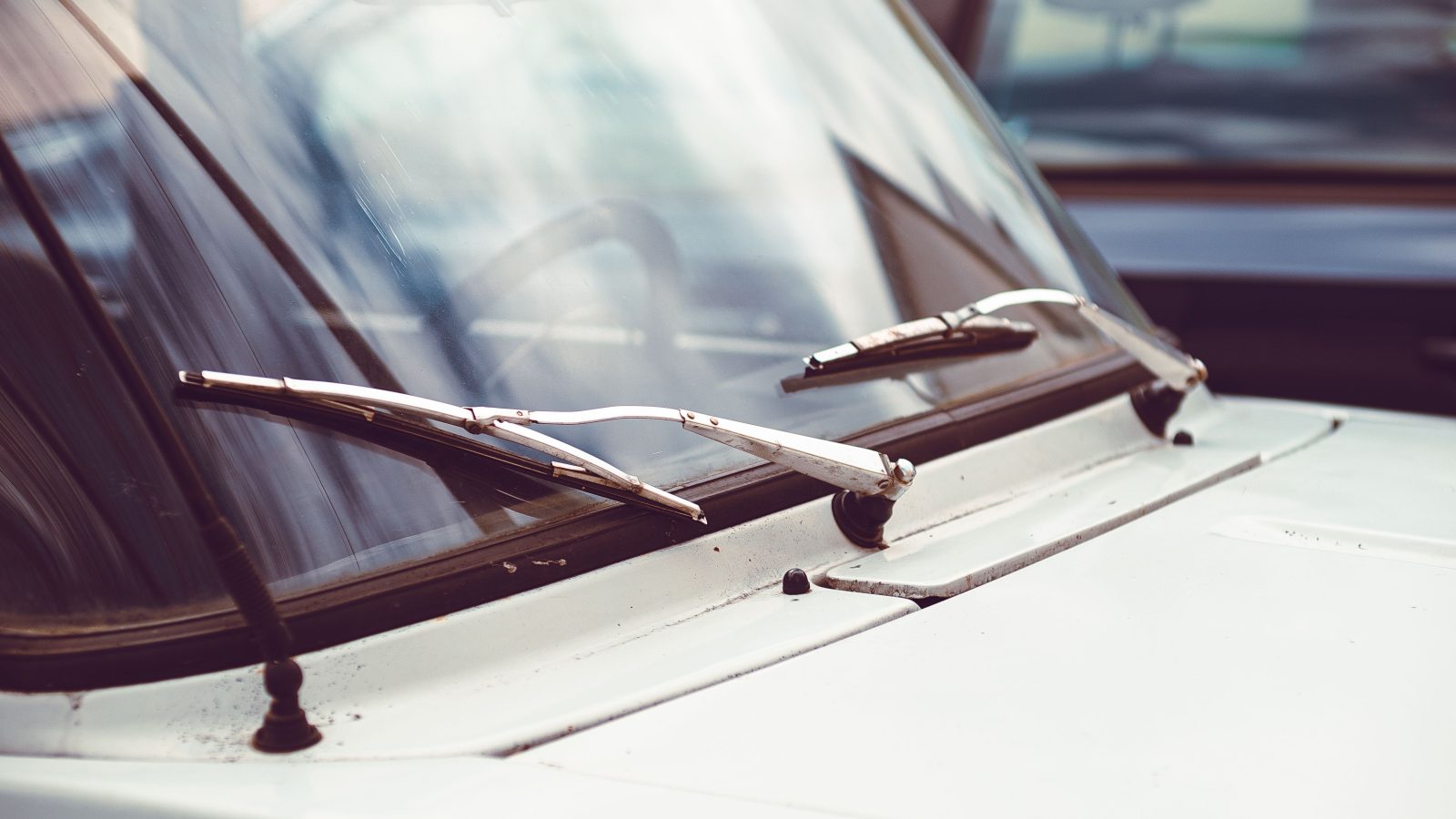
Get bugs off your windshield using a bug remover formulated specifically for glass — apply evenly on a shaded, cool surface, let it sit 30-60 seconds, then gently wipe with a microfiber cloth or soft sponge without harsh scrubbing that risks scratches. Alternatives include soaking bugs with warm water or vinegar until softened, then following with glass cleaner, or spraying WD-40 and letting the oils sit a few minutes before wiping with a soft microfiber cloth. Never run your wiper blades over live bugs — squishing them spreads splatter further, and dead bug residue can damage the blades and scratch the glass.
Here’s why windshield glass needs a different approach than painted body panels, the household alternatives that actually work, and the wiper blade mistake that makes bug removal worse rather than better.
Key Takeaways
- Never use your wipers on live bugs — squishing spreads splatter and dead residue can scratch glass or damage the blades.
- Work in shade on a cool surface — heat causes bug remover or cleaner to dry too fast, making removal harder, not easier.
- Avoid ammonia and bleach-based household cleaners — they can strip protective coatings and leave streaks on glass.
- WD-40 and vinegar both work as accessible alternatives when a dedicated bug remover isn’t on hand.
Safe Products vs. Household Cleaners to Avoid
| Safe | Avoid |
|---|---|
| Dedicated glass bug remover | Ammonia-based household cleaners |
| Warm water or vinegar soak | Bleach |
| WD-40 with microfiber wipe | Running wipers over live or fresh bugs |
| Soft sponge or microfiber cloth | Abrasive scrub pads |
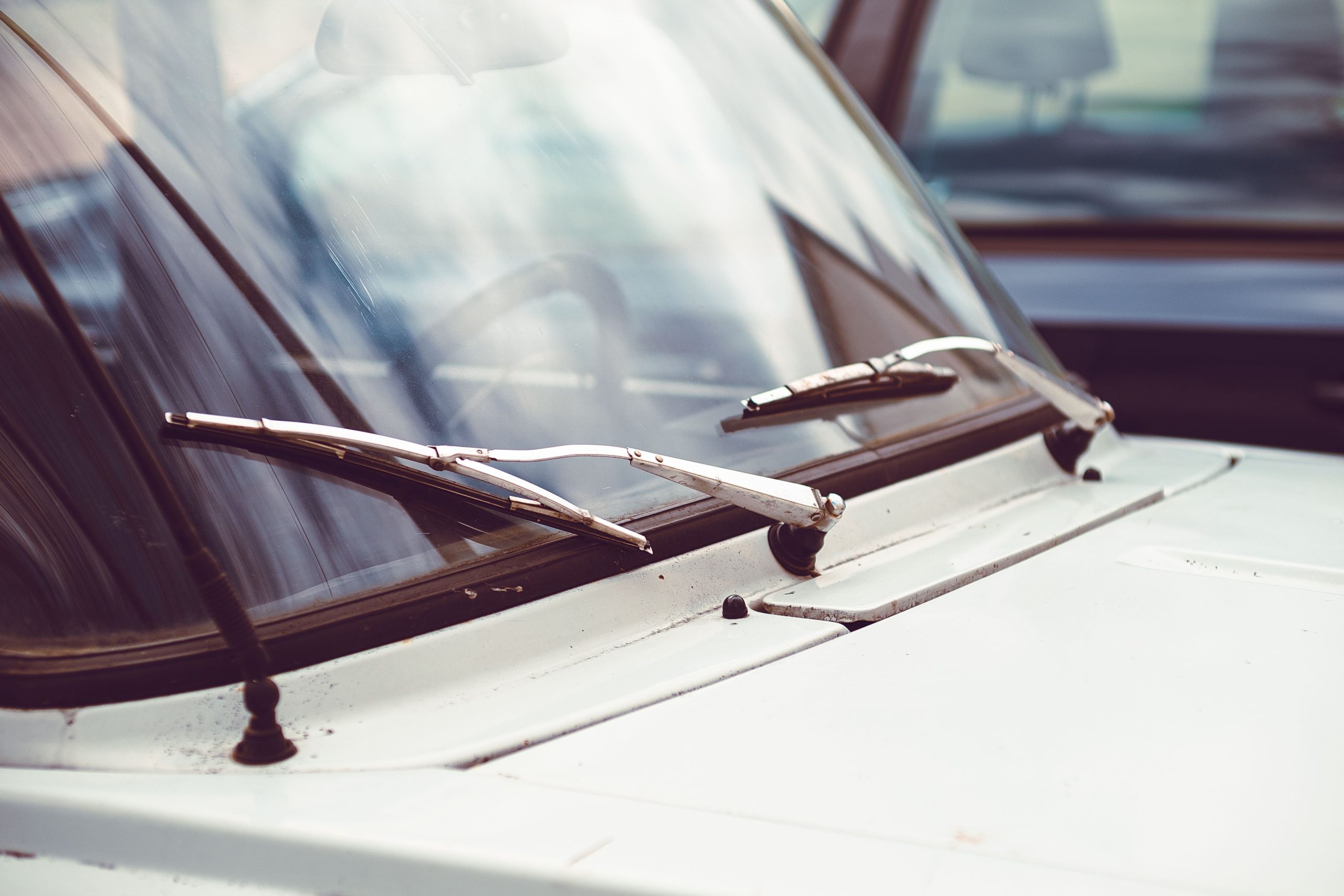
Use a bug remover formulated specifically for glass, applying it evenly while the surface is shaded and cool, letting it sit 30-60 seconds before gently wiping with a microfiber cloth or soft sponge (Chemical Guys). Avoid harsh scrubbing throughout, since aggressive pressure risks fine scratches on glass just as it does on painted surfaces. If you’re also removing bugs from your car’s exterior paint, our guide on removing bugs and tar from your vehicle covers the paint-specific technique, which differs slightly from the glass-focused approach here.
Household Alternatives That Work
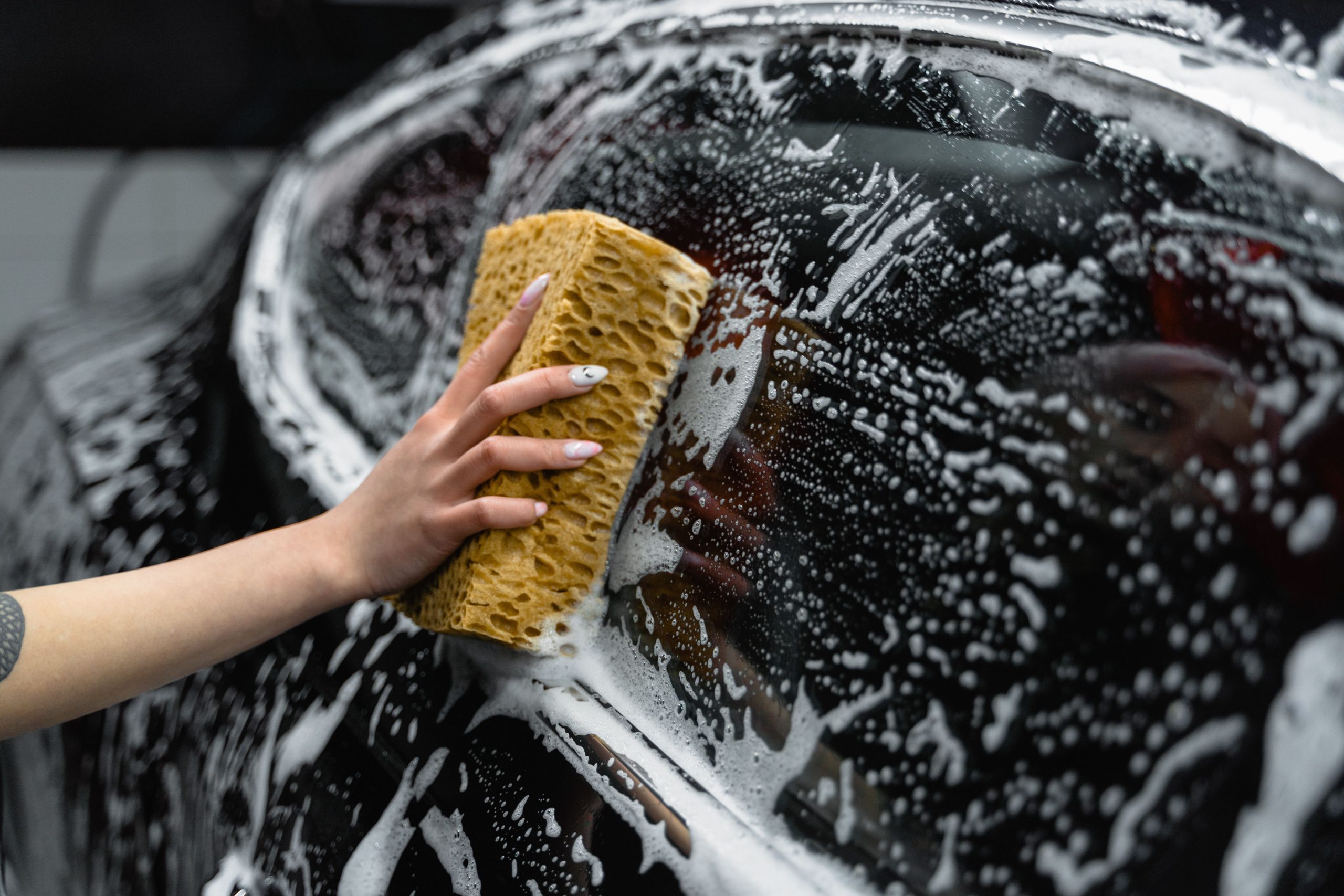
Soaking bugs with warm water or vinegar softens them before you apply glass cleaner and wipe gently with a microfiber cloth until clean (AutoZone). Alternatively, spray WD-40 onto the windshield, let the oils sit for a few minutes to loosen the residue, then wipe with a soft microfiber cloth to avoid scratching the glass surface. Both options work well as accessible substitutes when a dedicated bug remover isn’t available. Avoid household cleaners like ammonia and bleach specifically, since these can strip protective coatings on glass and leave streaks rather than a genuinely clean finish — stick to automotive-specific products designed to dissolve bug residue safely.
Why Your Wiper Blades Aren’t the Answer
Using your wiper blades on live bugs is a genuinely bad idea — the blades squish them, spreading more bug splatter across the glass rather than removing it, and dead bugs on the windshield can also damage the wiper blades themselves and end up scratching the glass as they’re dragged across (First Response Glass). Worn-out wipers compound this problem, since they’re less effective at clearing residue and can actively cause damage — check that your blades are debris-free and replace them on your manufacturer’s recommended schedule.
Frequently Asked Questions
Does bug residue on a windshield affect visibility and driving safety?
Yes — heavy bug splatter can scatter light at night and reduce visibility, particularly in rain when residue combines with water to create a hazy film across the glass.
How quickly should windshield bug splatter be cleaned after a long drive?
Within a day or two ideally, since bug residue becomes more bonded and harder to remove the longer it sits in the sun, similar to how it behaves on painted surfaces.
Can bug remover products be used on tinted windows near the windshield?
Check the product label first — some bug removers contain ingredients that can affect tint film over time, so a tint-safe formula is the safer choice near tinted glass.
Is it safe to use a clay bar on windshield glass for stubborn bug residue?
Yes, generally — a clay bar designed for glass can lift bonded residue that standard cleaning misses, working similarly to how it treats stubborn contamination on paint.
The Bottom Line
Getting bugs off your windshield comes down to using a dedicated glass bug remover or a household alternative like vinegar or WD-40, working in shade with a gentle microfiber wipe, and never relying on your wiper blades to do the job. Keeping glass genuinely clean and your wiper blades in good condition both matter for actual driving visibility, not just appearance.
Want your windshield and full exterior professionally detailed? Contact San Diego Bumper and Collision for a quote.