Ceramic coating and wax protect car paint through fundamentally different mechanisms: wax sits on top of the paint and wears away with washing, heat, and weather within weeks to a few months, while ceramic coating chemically bonds to the clear coat, forming a much harder, more durable barrier that lasts 2-5 years depending on product quality, prep, and maintenance. Ceramic coating delivers stronger UV resistance, better chemical resistance, and longer-lasting hydrophobic beading, while wax offers a warmer, glossy look at a lower upfront cost and appeals to owners who enjoy the ritual of regular reapplication.
Here’s how each product actually works at a mechanical level, how their durability and cost compare over time, and which one fits which type of owner.
Key Takeaways
- Wax sits on the surface, ceramic coating bonds to it — this mechanical difference is why their durability differs so dramatically.
- Wax lasts weeks to a few months; ceramic coating lasts 2-5 years, depending on product quality and maintenance.
- Ceramic coating provides meaningfully stronger UV and chemical resistance than wax’s relatively light, temporary protection.
- Ceramic coating costs more upfront ($500-$2,500) but often wins long-term value given its multi-year lifespan versus wax’s $20-$50 every 1-3 months.
Durability Compared
How Each Product Actually Works
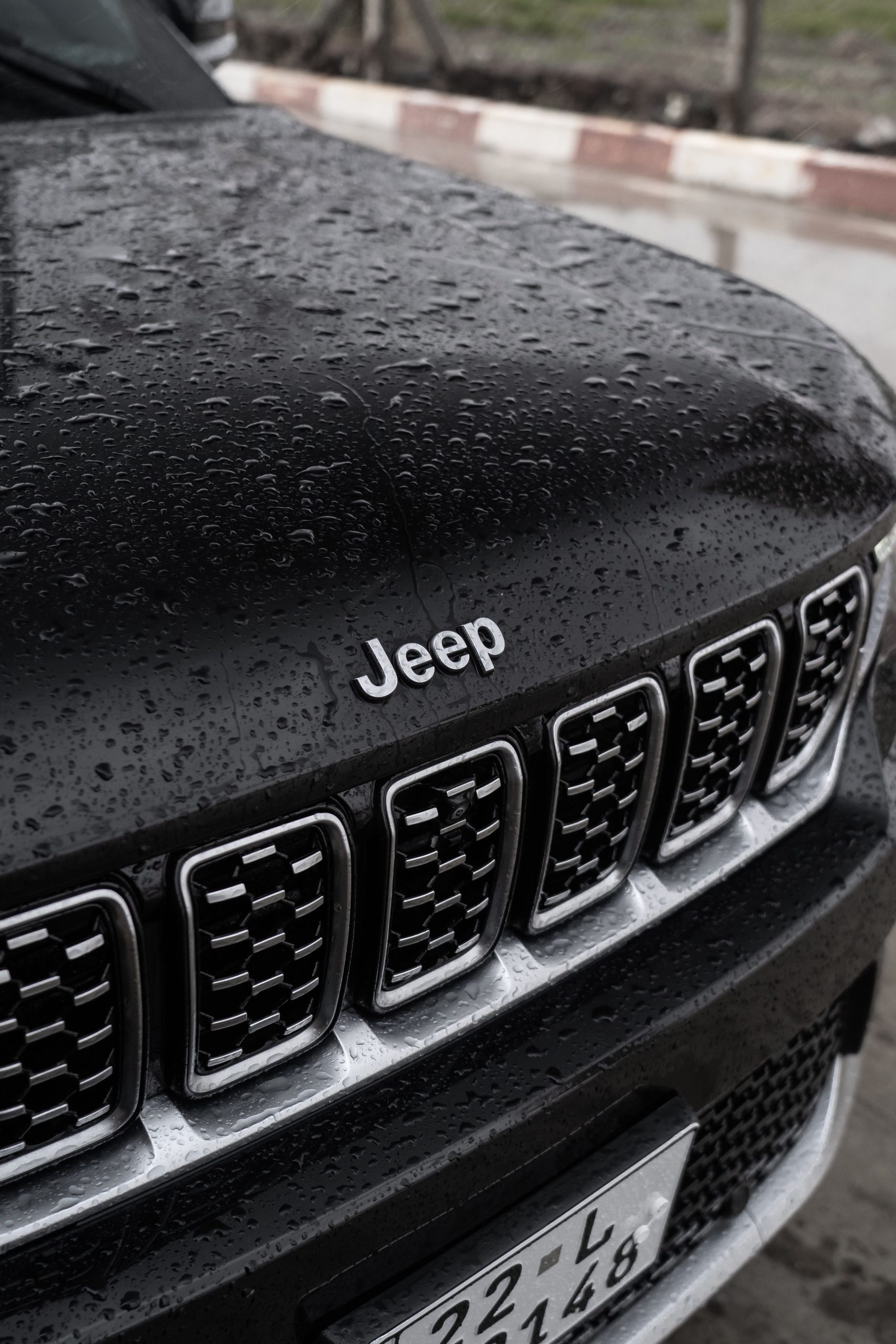
The key difference is fundamental: wax and sealants sit on top of the paint and wear away with washing, heat, and weather, while a ceramic coating chemically bonds to the clear coat, forming a much harder, more durable barrier that shrugs off contaminants, resists UV fade, and keeps beading strong for years (Undrdog). This bonding mechanism is exactly why the durability gap between the two is so large — wax has no chemical bond to the paint, so every wash and every bit of weather exposure gradually removes it, while a coating stays put until it’s deliberately removed or genuinely wears through its cured layer.
Protection Quality and UV Resistance
Ceramic coating provides longer-lasting protection, better chemical resistance, and superior hydrophobic properties compared to wax (Detailing Finder). Ceramic coating acts as a strong UV barrier, preventing fading and sun damage over its multi-year lifespan, whereas wax also offers some protection against UV rays and oxidation, but that protection is relatively light and temporary compared to a bonded coating. Our guide on protecting your car from sun damage covers UV protection strategies across the whole vehicle, not just the paint layer these two products address.
Which One Actually Fits Your Situation
If you want the longest, toughest protection and the strongest water beading, ceramic coating wins outright. Wax gives a warm, glossy look but wears off fast, appealing to owners who enjoy the hands-on ritual of frequent reapplication and don’t mind the lower upfront cost. Professional ceramic coating runs $500-$2,500 as a one-time application lasting 2-7 years, while quality wax runs $20-$50 per application needed every one to three months — despite the higher initial cost, ceramic coating often provides better long-term value given its extended lifespan. Our guide on how to wax your car covers the application process if wax’s lower commitment and classic look fits your preference better, while our guide on applying a ceramic coating covers the more involved but longer-lasting alternative.
Frequently Asked Questions
Can wax be applied over an existing ceramic coating?
Yes, generally, as a topper for added gloss, though it won’t meaningfully extend the ceramic coating’s own durability — the coating remains the primary protective layer underneath.
Is a paint sealant a good middle ground between wax and ceramic coating?
Yes — sealants generally last a few months, sitting between wax’s weeks and ceramic coating’s years, making them a reasonable middle option for owners who want more durability than wax without the full ceramic commitment.
Does ceramic coating eliminate the need for washing entirely?
No — it makes washing easier and less frequent since contaminants bond less tightly to the coated surface, but the vehicle still needs periodic washing to maintain both appearance and coating performance.
Is ceramic coating worth it for a car that will be sold within a year or two?
It can still be worthwhile — a well-maintained, glossy, protected finish often supports a stronger resale impression, even if the owner won’t personally benefit from the coating’s full multi-year lifespan.
The Bottom Line
Ceramic coating and wax solve the same basic problem — protecting paint — through very different mechanisms and durability profiles. Wax offers a lower-cost, ritual-friendly option with weeks-to-months of protection, while ceramic coating delivers years of stronger, chemically bonded protection at a higher upfront cost. The right choice comes down to how much upfront investment and prep effort you’re willing to trade for meaningfully longer-lasting results.
Not sure which protection option fits your car? Contact San Diego Bumper and Collision for a consultation.