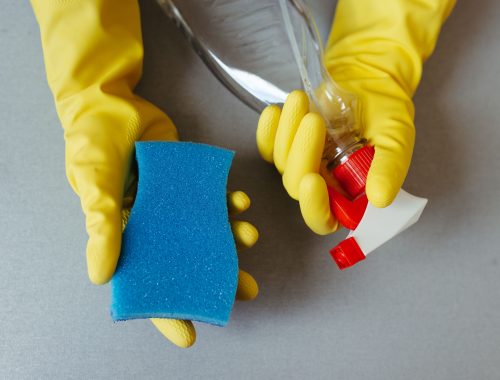
Clean tinted car windows without damaging the film by using an ammonia-free glass cleaner or a simple mix of distilled water and a few drops of mild dish soap, spraying the solution onto a microfiber cloth rather than directly onto the glass. Use the two-rag method — one damp cloth to lift contaminants, a second dry cloth to remove moisture before streaks or mineral residue can form. Work on cool glass in the shade, and avoid soaking the edges, since excess liquid can seep beneath the tint and damage the adhesive holding it in place.
Here’s why ammonia is such a real risk to tint film specifically, the two-rag technique that prevents streaking, and the small habits that protect the tint’s edges long-term.
Key Takeaways
- Ammonia-based cleaners are the single biggest risk to tint film — they can break down the film over repeated use.
- Spray cleaner onto the cloth, never directly onto the glass — this keeps overspray away from rubber seals and film edges.
- The two-rag method prevents streaking — a damp cloth to lift dirt, a dry cloth to finish before residue can set.
- Never use paper towels — they leave lint and can cause tiny scratches on the tint film’s surface.
Safe Products vs. Tint-Damaging Mistakes
| Safe | Avoid |
|---|---|
| Ammonia-free glass cleaner | Ammonia-based cleaners |
| Distilled water + mild dish soap | Harsh household glass cleaners |
| Microfiber cloth, two-rag method | Paper towels |
| Spraying cleaner onto the cloth | Spraying directly onto the glass, soaking edges |
Use a microfiber cloth and a solution of mildly soapy water, avoiding ammonia-based cleaners that can genuinely harm the tint film over time (Stoner Car Care). A simple, safe solution is distilled water mixed with a few drops of mild dish soap, or any ammonia-free glass cleaner specifically labeled safe for tinted film. If a cleaner isn’t clearly labeled tint-safe, treat that as a warning sign — it may contain ammonia or other harsh chemicals that aren’t immediately obvious from the label’s general marketing language.
The Two-Rag Technique
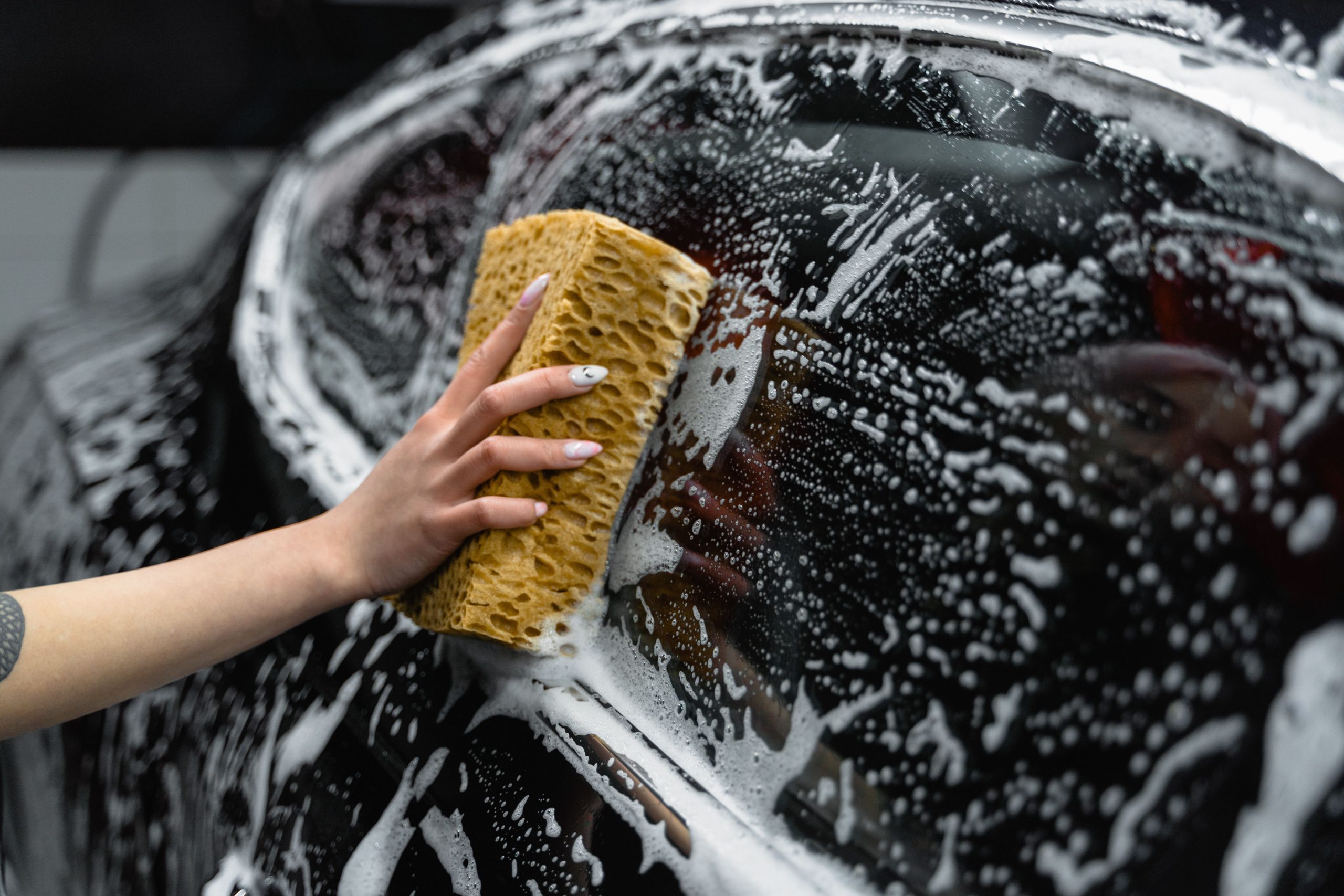
Spray the cleaner onto a microfiber cloth instead of the glass directly, which prevents overspray from running into rubber seals and film edges where excess liquid does the most damage (GarageSlick). Use one damp cloth to lift contaminants from the surface, then a second, dry cloth to remove remaining moisture before streaks or mineral residue can form — this two-rag approach mirrors the general glass-cleaning technique in our guide on cleaning car windows without streaks, adapted specifically for tint safety. Never use paper towels, since they leave lint behind and can cause tiny scratches on the tint film’s surface that a proper microfiber cloth avoids.
Protecting the Edges and Timing Your Cleaning
Avoid soaking the edges of tinted windows specifically, since excess liquid can seep beneath the tint and damage the adhesive holding the film in place — this is the single most common way well-intentioned cleaning actually causes long-term tint damage. Park your car out of direct sunlight before cleaning, since sunlight causes cleaning solutions to dry too quickly, leaving streaks or residue behind regardless of how careful your technique otherwise is. A shaded area or garage gives you the working time needed to properly execute the two-rag method without the cleaner drying mid-wipe.
Frequently Asked Questions
How soon after tint installation is it safe to clean the windows?
Most installers recommend waiting several days to a couple of weeks before cleaning newly tinted windows, since the film needs time to fully cure and bond before it can safely tolerate cleaning contact.
Can vinegar be used as an alternative to ammonia-free glass cleaner?
A very diluted vinegar solution can work in a pinch, though a dedicated ammonia-free automotive glass cleaner or the dish soap solution is generally the safer, more reliably tint-safe choice.
Does the two-rag method work the same on the inside and outside of tinted windows?
Yes, the technique applies to both sides, though interior tinted windows may also need attention to any haze from off-gassing, similar to what affects an untinted windshield’s interior surface.
Can improperly cleaned tint develop bubbles or peeling over time?
Yes — repeated exposure to ammonia-based cleaners or excess moisture at the edges can weaken the adhesive over time, eventually causing the bubbling or peeling that signals the tint needs replacement.
The Bottom Line
Cleaning tinted car windows safely comes down to using ammonia-free products, applying the two-rag technique with cleaner sprayed onto the cloth rather than the glass, and keeping excess liquid away from the film’s edges. These simple habits are what separate tint that lasts for years from tint that starts bubbling or peeling well before its time.
Dealing with tint that’s already showing damage? Contact San Diego Bumper and Collision for a professional assessment.