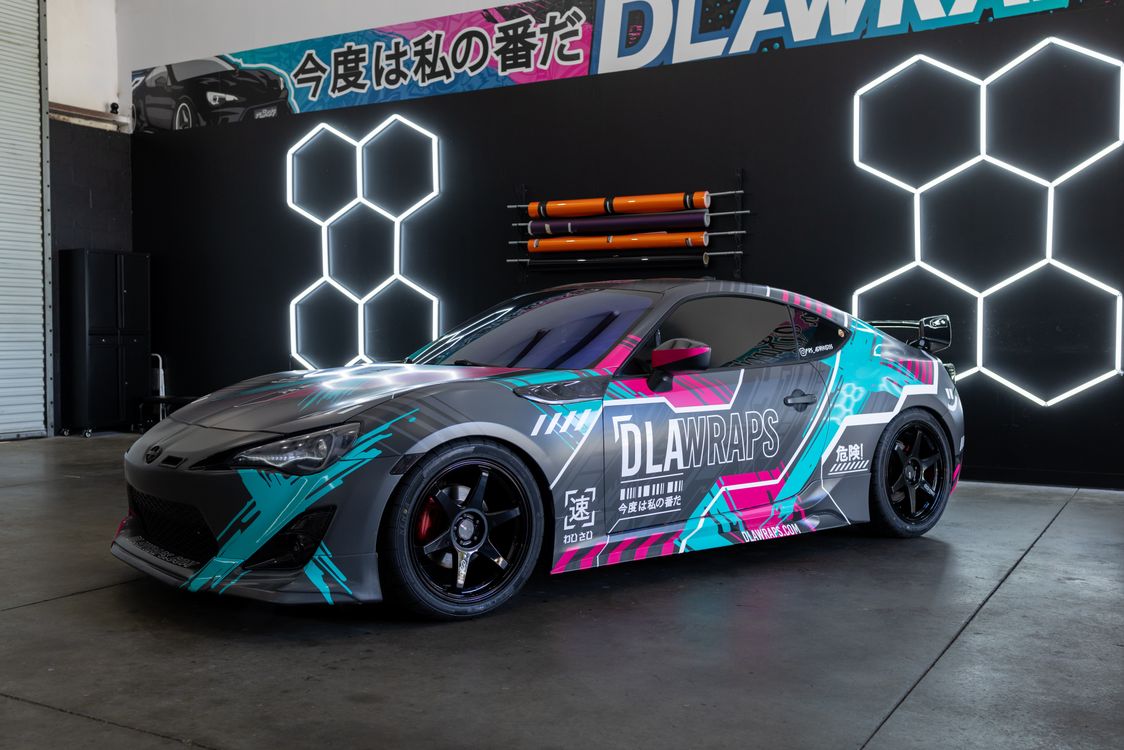
A full vinyl wrap typically runs $2,000 to $12,000 depending on your vehicle’s size, the film you choose, and the finish you want. Most sedan and coupe owners land between $2,000 and $4,500, while SUVs, trucks, and vans usually cost $3,500 to $7,000. If you’re just trying to change one panel or add an accent, partial wraps start much lower, often $300 to $2,500.
This guide breaks down exactly what drives that price range, so you know what you’re paying for before you request a quote.
Key Takeaways
- Full wraps: $2,000-$4,500 for a sedan/coupe, $3,500-$7,000 for an SUV, truck, or van.
- Finish matters: chrome wraps run $6,000-$8,000+, roughly double a matte finish.
- Cast vinyl costs 2-3x more than calendered vinyl but lasts 5-7 years instead of 3-5.
- A quality wrap ($2,000-$6,000) is a cheaper, reversible alternative to a full repaint ($2,000-$10,000+), though paint protection film and repaints last longer per dollar.
How Much Does a Full Car Wrap Cost?
Full wrap pricing scales mainly with the square footage of film your vehicle needs. A sedan or coupe typically runs $2,000 to $4,500. An SUV or truck runs $3,500 to $6,500. A van or minivan runs $3,000 to $7,000, since minivans need roughly 65-90 more square feet of film than a standard car (JD Power; Vinylfrog; industry consensus, 2025-2026). Luxury and exotic vehicles need more precise trimming around complex body lines and tend to land in the $8,000-$12,000 range.
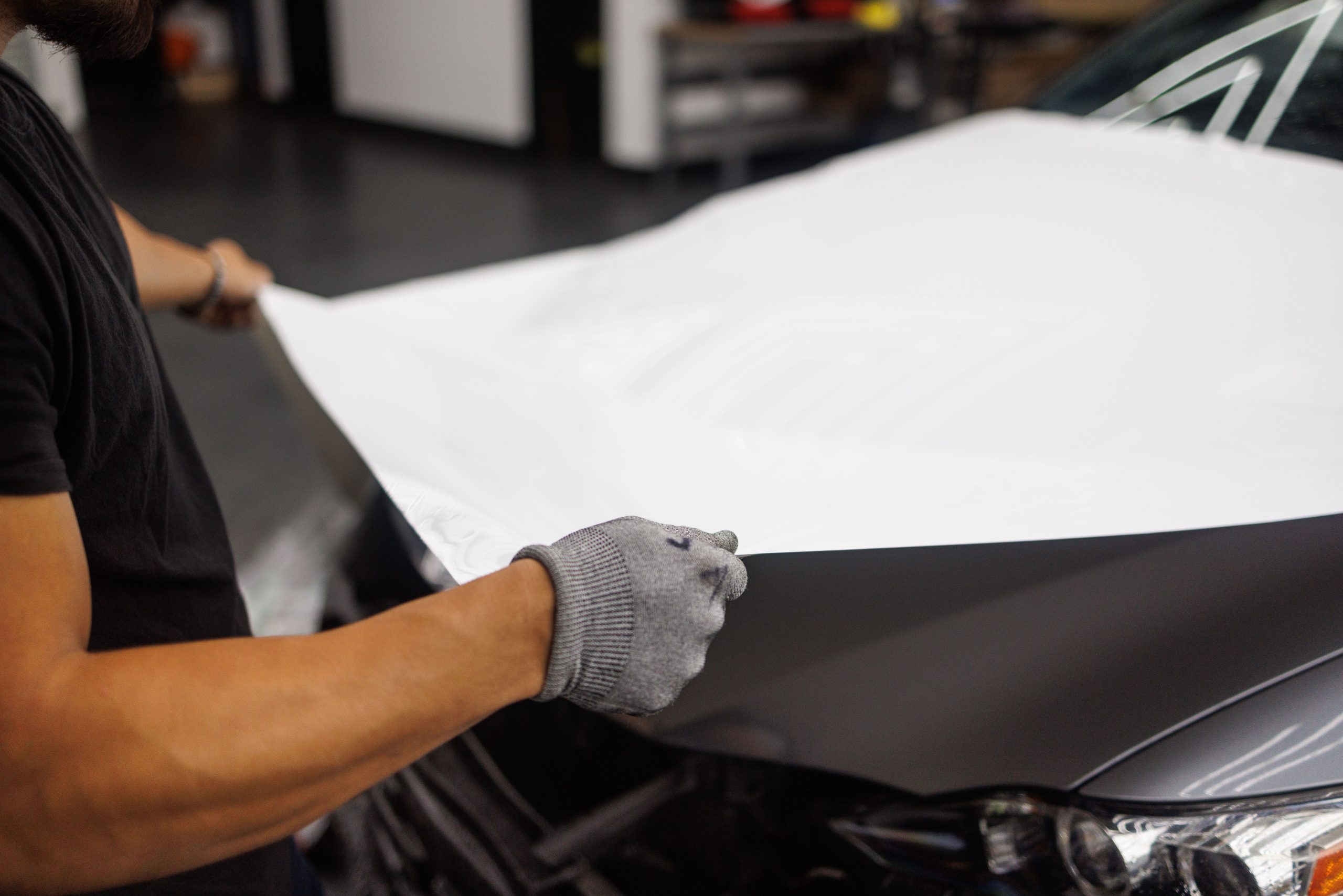
Shops typically price full wraps by the square foot rather than a flat rate. Installed cost runs about $12-$16 per square foot – roughly $1.50-$8/sq ft for materials plus $3-$5/sq ft for labor – and the average car needs about 250-300 square feet of film to fully cover it (Alukovinyl vehicle wrap cost guide, 2025). Specialty finishes like chrome or color-flip push that to $15-$18 per square foot, since the film costs more and takes longer to install correctly.
Note: because there’s no official government or trade-association database that tracks retail wrap pricing, these figures reflect a consistent range across more than eight independent installers and publishers, anchored by JD Power’s consumer guide – not a single authoritative source.
What Factors Affect Car Wrap Pricing?
The single biggest lever is vinyl type. Cast vinyl is a thinner, more conformable film made specifically for wrapping curves. It costs roughly 2-3x more than calendered vinyl, but lasts 5-7 years versus calendered vinyl’s 3-5 years (Metro Restyling: cast vs. calendered vinyl, 2025). Calendered vinyl works fine for flatter panels or shorter-term wraps. Cast vinyl is what most shops recommend for a full-body wrap you want to keep for several years.
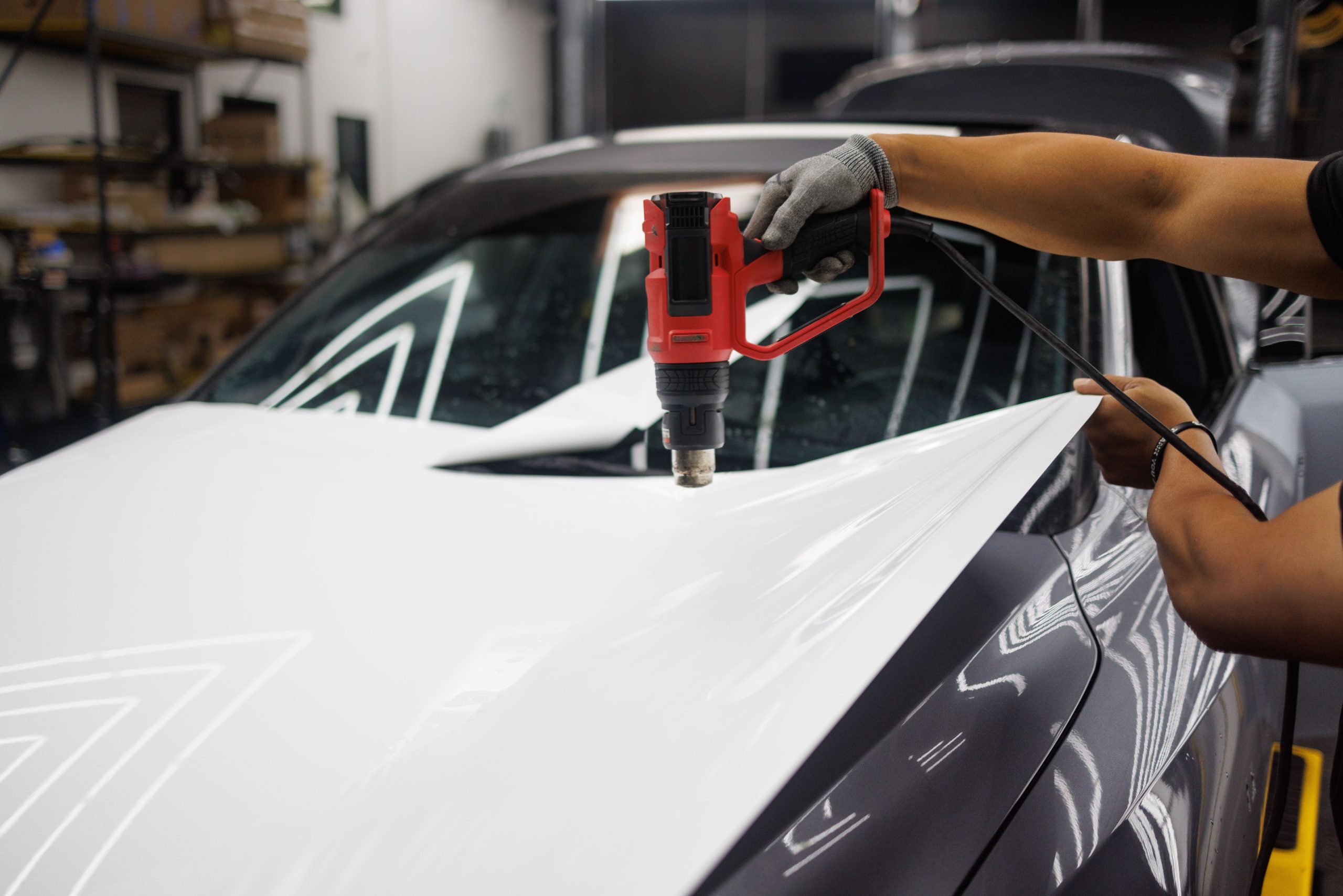
Finish type is the second-biggest factor. A matte finish typically costs $2,500-$4,500, gloss $3,500-$4,800, and satin $3,800-$5,200. Chrome finishes jump to $6,000-$8,000+, since chrome film costs 4-5x more per roll than standard vinyl and takes 2-3x longer to install (YesWrap chrome wrap pricing, 2025-2026).
Two smaller factors round out the price: install time and removal. A full wrap usually takes 6-20 hours of hands-on work spread across 3 days for a sedan, or 4-5 days for an SUV, truck, or complex design, including 24-48 hours of adhesive cure time (Wrapmate: how long does it take to wrap a car, 2025-2026). If your car already has an old wrap, removing it adds $500-$600 when it’s still intact, or more than $2,500 if it’s degraded and baked onto the paint (JD Power car wrap cost guide, 2025-2026).
Partial Wrap vs. Full Wrap Cost
If a full color change is more than you want to spend, a partial wrap covers just the panels you choose – typically $300 to $2,500 depending on scope. A hood or roof wrap alone runs $350-$700, and a single mirror cap can be done for around $100 (Bumper.com car wrap cost breakdown, 2025-2026).
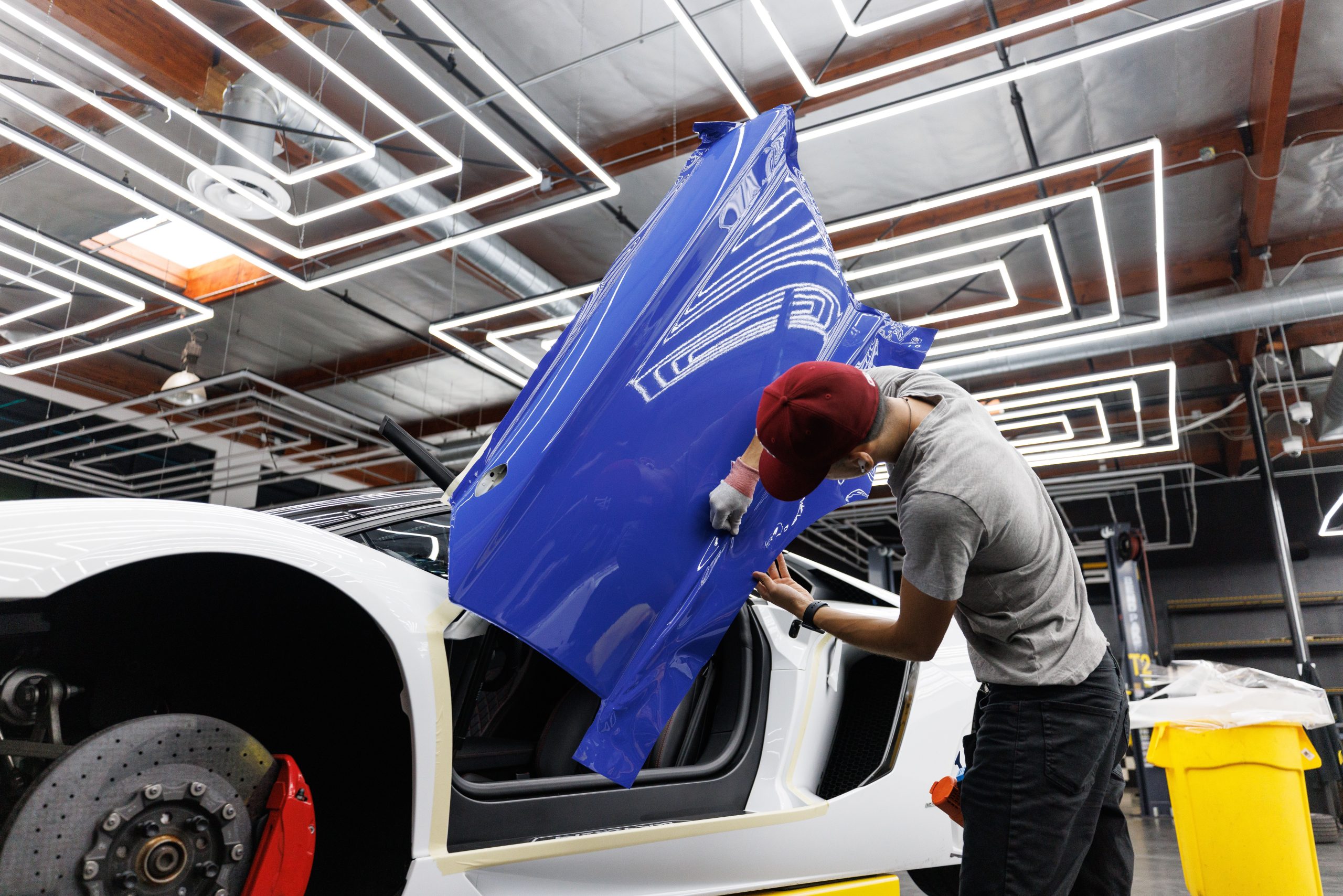
Partial wraps make sense when you want to protect or accent specific areas – a black roof, a matte hood, chrome mirror caps – without committing to a full-vehicle price tag. They’re also a lower-risk way to try a finish before deciding whether to wrap the whole car later. See our full vehicle wrap and paint services for what’s included in a quote.
Car Wrap vs. Paint Protection Film vs. Repaint: Which Is the Better Value?
Sticker price only tells part of the story – what matters more is cost per year of ownership. A calendered vinyl wrap costs the least upfront but only lasts 3-5 years. A premium cast vinyl wrap costs more upfront but lasts longer. Full paint protection film (PPF) costs the most initially but lasts 7-10 years. A mid-range repaint is the cheapest per year, though it’s permanent and can’t be changed or removed later the way a wrap can.
| Option | Typical Cost | Typical Lifespan | Est. Cost Per Year |
|---|---|---|---|
| Calendered vinyl wrap | $2,000-$3,500 | 3-5 years | ~$690/year |
| Cast vinyl wrap (premium) | $3,500-$6,000 | 5-7 years | ~$790/year |
| Paint protection film (PPF) | $4,000-$7,000 | 7-10 years | ~$650/year |
| Mid-range repaint | $2,000-$5,000 | 10+ years | ~$350/year |
Cost-per-year is calculated as the midpoint of the typical cost range divided by the midpoint of the typical lifespan range (mid-range repaint uses a 10-year floor since sources describe its lifespan as “10+ years”). This is a derived estimate for comparison purposes, not a figure reported directly by any single source (AAA Automotive repaint costs; GetExoShield PPF vs. vinyl comparison, 2025-2026).

For comparison, a professional repaint itself ranges from a basic $300-$1,500 job to a high-end $5,000-$20,000 job, with most mid-grade repaints landing around $2,000-$5,000. A small car repaint typically costs $2,000-$3,500, while a large SUV or truck runs $3,500-$7,000 (AAA Automotive: cost to paint a car, 2025-2026). The honest takeaway: choose a wrap if you want a reversible, budget-friendly color change; choose PPF if protecting the paint matters as much as the look; choose a repaint if you want the most permanent, lowest-cost-per-year option and don’t mind losing the ability to change your mind later. See our auto body paint and repair services to compare options.
How Long Does a Car Wrap Last (and Is It Worth the Cost)?
A quality wrap lasts 5-7 years on average. Premium cast films from manufacturers like 3M or Avery Dennison can reach 10-12 years under mild climate conditions and good care (GLXY Design: how long does a 3M wrap last, referencing manufacturer warranty terms, 2025-2026). San Diego’s mild, low-humidity climate is favorable for wrap longevity compared to regions with harsh winters or intense year-round UV, though direct sun exposure and frequent automatic car washes still shorten a wrap’s lifespan faster than hand washing and covered parking.
Whether it’s “worth it” comes down to what you’re optimizing for. A wrap is worth the cost if you want a specific look now, plan to sell or lease the vehicle before the wrap’s lifespan runs out, or want the option to remove it later and go back to factory paint. It’s less worth it if you’re planning to keep the vehicle for 10+ years and want the lowest possible cost per year – in that case, a repaint or PPF pencils out better long-term. Read more about our shop and installers before you book.
Frequently Asked Questions
Is wrapping a car cheaper than painting it?
Usually, yes, upfront. A full wrap ($2,000-$6,000 for most vehicles) typically costs less than a mid-to-high-end repaint ($2,000-$10,000+), and it’s reversible – you can remove it and go back to the factory paint. Over a 10+ year ownership period, though, a repaint or PPF often ends up cheaper per year since they last longer per dollar spent (AAA Automotive, 2025-2026).
How long does a car wrap actually last?
Most quality wraps last 5-7 years, with premium cast vinyl reaching 10-12 years under ideal conditions. Calendered (budget) vinyl typically lasts only 3-5 years before fading or lifting at the edges (Metro Restyling, 2025).
Why does a chrome wrap cost so much more than other finishes?
Chrome and color-flip films cost 4-5x more per roll than standard vinyl, and installation takes 2-3x longer because the material is less forgiving to work with. That combination pushes chrome wraps to $6,000-$8,000+ versus $2,500-$5,200 for matte, gloss, or satin finishes (YesWrap, 2025-2026).
Does removing an old wrap cost extra?
Yes, if you’re wrapping a car that already has a wrap on it. Removal costs $500-$600 when the existing wrap is still in good condition, but can run over $2,500 if it’s degraded, faded, or baked onto the paint from sun exposure (JD Power, 2025-2026). Ask your installer to inspect the old wrap before quoting your new one.
Conclusion
Car wrap pricing comes down to three things: how big your vehicle is, what vinyl and finish you choose, and how long you want it to last. Budget $2,000-$4,500 for a sedan in a standard finish, $3,500-$7,000 for an SUV or truck, and expect chrome or premium cast vinyl to push either range higher. If you’re not ready for a full commitment, a partial wrap starting around $300-$2,500 is a lower-risk way to test a look.
The most accurate number will always come from an in-person or photo-based quote, since your vehicle’s exact panel count, curves, and current paint condition all affect the final price. Contact San Diego Bumper and Collision for a free wrap quote.