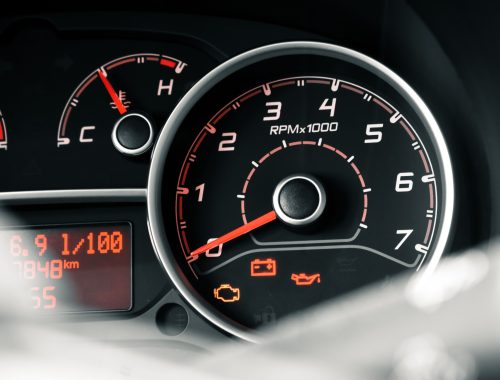
Formula 1 Facts: The Numbers Behind the Speed
0-60 in 2.5 seconds, 300 km/h to zero in 3.9 seconds, 231.4 mph top speed. The engineering and physics behind F1’s extremes.

0-60 in 2.5 seconds, 300 km/h to zero in 3.9 seconds, 231.4 mph top speed. The engineering and physics behind F1’s extremes.
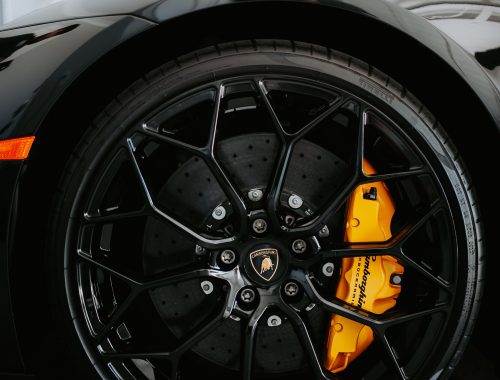
The stamped minimum discard thickness is the real trigger, not mileage. Typical life runs 30,000-70,000 miles, but a pulsing pedal means check now.
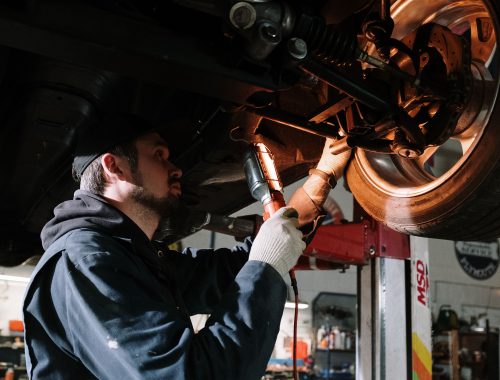
Red to dead positive, red to donor positive, black to donor negative, black to unpainted metal – never the dead battery. Disconnect in reverse.
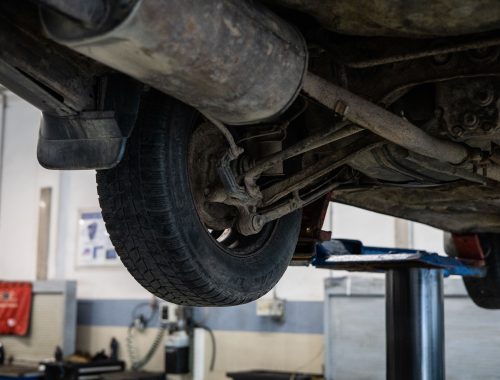
Negative first, then positive. Reconnect positive first, then negative. 15-20 minutes, $150-$300 if you’d rather have it installed.
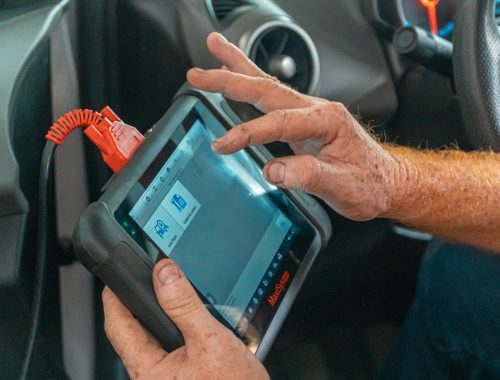
Sedans run 70-72 inches. SUVs add a few more. Half-ton trucks reach 78-82 inches. The widest factory vehicle, a Ram 3500 dually, hits 98.7 inches.
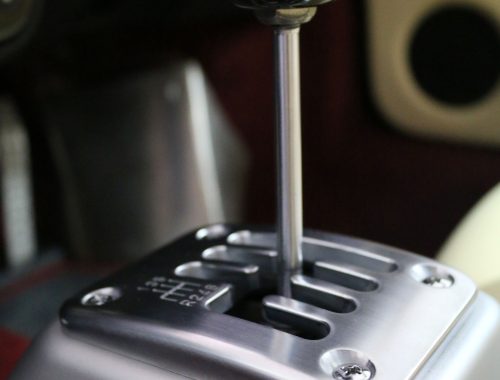
Cold air intake or cat-back exhaust alone: 5-15 hp. Combined: 22-32 hp. Add an ECU tune: 25-50+ hp. What’s actually legal in California.
Disconnect the battery, remove the door panel, wire with correct polarity, mount with an adapter if needed. 30-60 minutes per speaker.

GVWR minus curb weight – the max weight a vehicle can carry, including passengers and fuel, not just bed cargo. F-150 leads at 2,440 lbs.
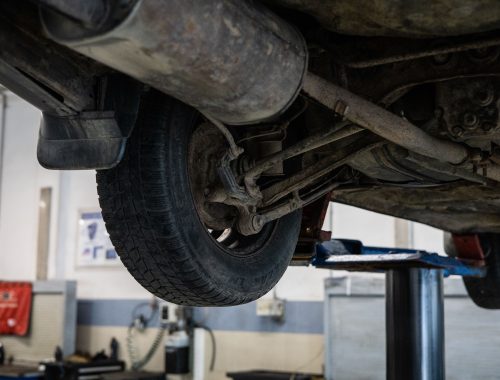
Your correct PSI is on the driver’s door jamb sticker, not the tire sidewall. Add air in short bursts and check with a gauge – five minutes per tire.

Wheel speed sensors detect a spinning drive wheel, then the system cuts engine power and brakes that specific wheel. The acceleration counterpart to ABS.