Formula 1 cars accelerate from 0-60 mph in about 2.5-2.6 seconds, brake from 300 km/h to a complete stop in roughly 3.9 seconds, and hit a recorded top speed of 231.4 mph — figures that sound impressive on paper but become even more remarkable once you understand the engineering and physics that make them possible.
Here are the numbers, records, and mechanical details that explain why F1 remains the technical pinnacle of motorsport.
Key Takeaways
- F1 cars reach 0-60 mph in roughly 2.5-2.6 seconds, with some recorded runs as fast as 1.6 seconds under ideal conditions.
- Braking from 300 km/h to zero takes about 3.9 seconds over roughly 65 meters — carbon-carbon brake discs glow up to 1,000°C to make that possible.
- Drivers experience 5-6G under braking and 4-6G lateral force cornering, meaning their bodies are pushed with four to six times their own body weight.
- The 2026 season expanded to 11 teams and 22 drivers for the first time since 2016, with Audi and Cadillac joining the grid.
Acceleration: Faster Than It Sounds
Formula 1 cars have been recorded reaching 0-60 mph in as little as 1.6 seconds under specific conditions, though the typical range for a modern F1 car sits between 2.1 and 2.7 seconds — most commonly cited around 2.5-2.6 seconds from a standing start (Zero to 60 Times).
That acceleration comes from a combination most road cars simply can’t replicate: a hybrid power unit producing over 1,000 horsepower, a car weighing only around 800 kg (roughly 1,760 lbs) including the driver, and tires designed purely for grip rather than any compromise toward comfort or longevity.
Braking: Carbon Discs Glowing Red-Hot
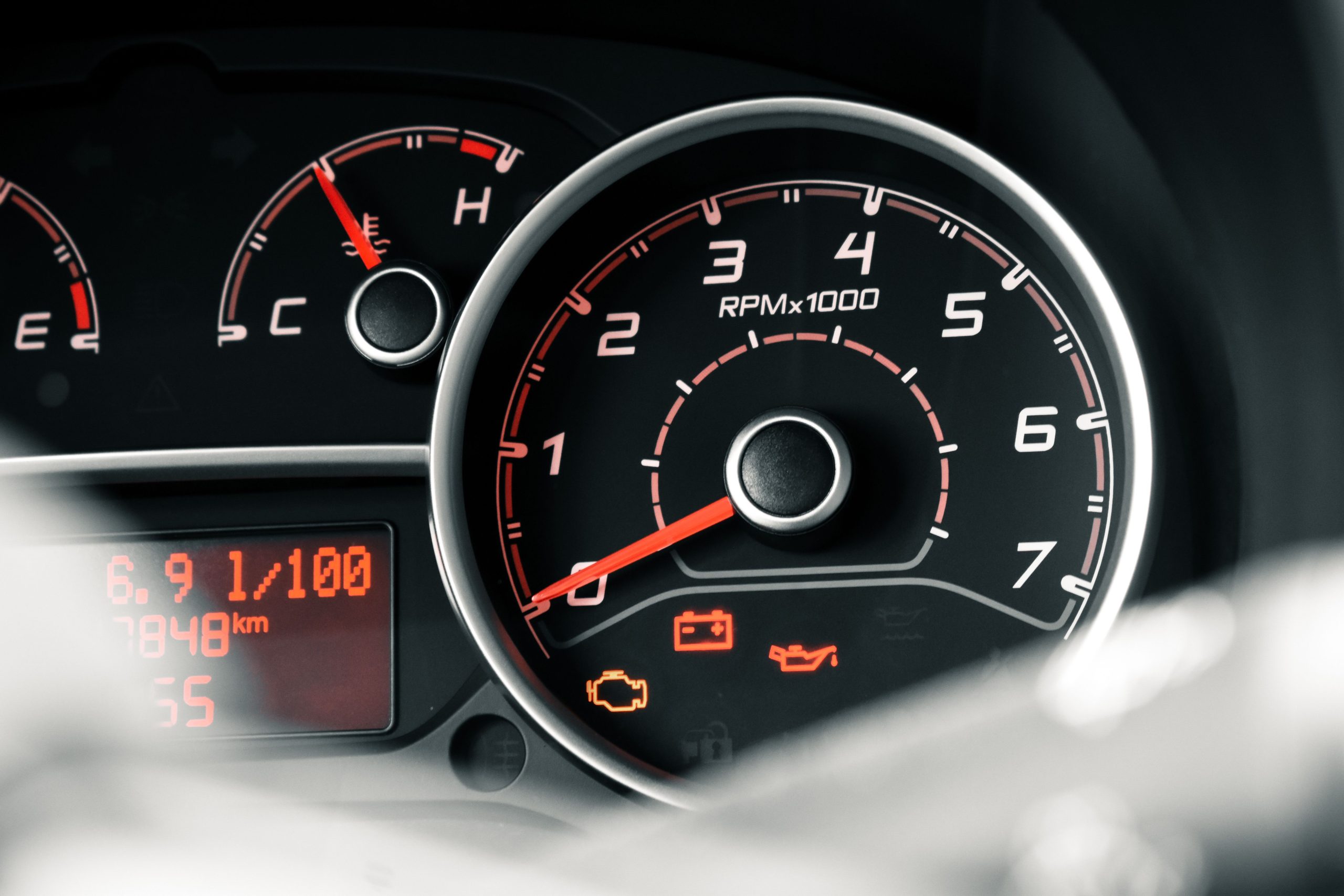
An F1 car decelerates from 300 km/h to a complete stop in roughly 3.9 seconds, covering about 65 meters in the process. Carbon-carbon brake discs — glowing red-hot at temperatures up to 1,000°C under hard braking — are the key technology that makes this possible, since a conventional steel rotor would fail well before reaching that kind of thermal load repeatedly over a race distance (F1-Fansite).
That’s a fundamentally different braking system than anything on a road car — the closest a street-driven vehicle gets is high-performance carbon-ceramic rotors, which still don’t approach F1-level thermal tolerance, since they’re engineered for repeated street and track use rather than a single race’s worth of extreme, sustained heat cycling.
G-Forces: What Drivers Actually Experience
Drivers experience peak deceleration forces of 5-6G under heavy braking — more than five times the force of gravity pressing them forward into the harness. Aerodynamic downforce generated at speed also allows F1 cars to corner at lateral forces of 4-6G, meaning a driver’s body gets pushed sideways with a force four to six times their own body weight through fast corners (Flow Racers).
For comparison, fighter pilots typically train to withstand around 9G briefly with specialized suits and training — F1 drivers experience meaningfully high G-forces repeatedly throughout a race distance, without that same specialized equipment, using neck and core strength built specifically for the sport.
The 2026 Season: A Genuinely Different Grid
The 2026 season expanded to 11 teams and 22 drivers for the first time since 2016, with Audi taking over the former Sauber team and American manufacturer Cadillac joining the grid — a significant structural shift for a sport that had run with a stable 10-team lineup for nearly a decade (Formula1.com).
The season also set attendance and viewership records: nearly 3.7 million people attended race weekends, a 6% increase year-on-year, alongside a 72% jump in live viewership across streaming platforms compared to 2025. At just 19, Kimi Antonelli became the youngest driver ever to lead the championship standings, and the first Italian to win back-to-back races since Alberto Ascari in 1953.
Frequently Asked Questions
Do F1 cars use anything like traction control?
Modern F1 regulations ban traditional traction control systems, relying instead on driver skill and sophisticated throttle mapping to manage wheel spin. That’s a meaningful contrast to road cars, where traction control is standard equipment specifically because most drivers benefit from that automated intervention.
How long do F1 brake discs last?
Typically a single race weekend or less, given the extreme thermal cycling they endure — a stark contrast to a road car’s brake rotors, which are engineered to last tens of thousands of miles. See our guide on when to replace rotors for how that plays out on an everyday street car.
Why don’t F1 cars use rubber tires like normal road cars?
They do use rubber, but in an extremely soft, grip-optimized compound designed to generate maximum traction over a short lifespan — often just one race stint — rather than the durability and all-weather balance a road tire needs to deliver over tens of thousands of miles.
Is F1 technology ever used in production cars?
Yes, indirectly — hybrid powertrain development, carbon fiber construction techniques, and advanced aerodynamics research in F1 have historically trickled down into production vehicle engineering over time, though rarely as a direct one-to-one transfer.
The Bottom Line
Formula 1 remains a showcase of extremes: sub-2.6-second 0-60 sprints, sub-4-second stops from 300 km/h, and G-forces that would be genuinely uncomfortable for most people to experience even briefly. The 2026 season’s expanded grid and record viewership numbers suggest the sport’s technical spectacle continues drawing bigger audiences even as the cars themselves push further into territory road vehicles simply aren’t built to reach.
Inspired by performance and want to explore what’s realistic for your own car? See our guide to legal horsepower upgrades, or contact San Diego Bumper and Collision for a consultation.