Hard water is water loaded with dissolved minerals, primarily calcium and magnesium, and it’s the main cause of the white, chalky spots that appear on cars after washing or rain. When hard water evaporates from paint, glass, or trim, the water itself disappears but the minerals it carried stay behind as visible deposits. Left untreated, these spots don’t just sit on the surface — they can cling, harden, and eventually bond to paint and glass, causing genuine long-term damage rather than staying a purely cosmetic issue.
Here’s what actually makes water “hard,” why it leaves spots that soft water doesn’t, and how drying technique factors directly into preventing the problem in the first place.
Key Takeaways
- Hard water contains dissolved calcium and magnesium — the minerals responsible for the spots left behind after it evaporates.
- Hardness is a spectrum, not a binary — municipal tap water ranges from soft to very hard depending on the local water source.
- Spots form because minerals don’t evaporate — only the water itself leaves, concentrating minerals into a visible deposit.
- Prompt drying prevents most spotting — minerals only bond to the surface once the water has had time to fully evaporate in place.
Water Hardness Is a Spectrum
What Makes Water “Hard”
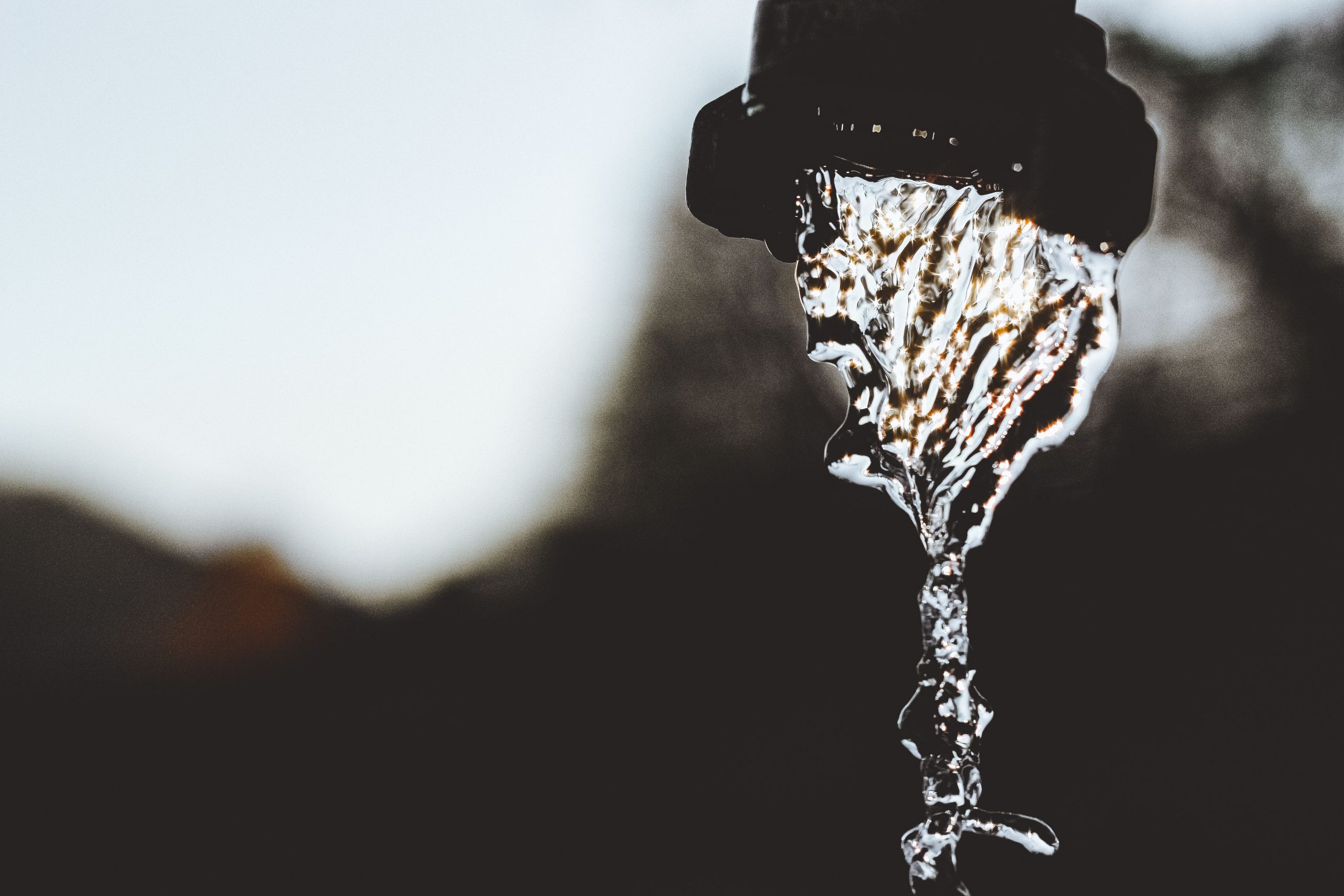
The term “hard” or “soft” water refers to the concentration of minerals contained in the water, with calcium and magnesium being the most common minerals found in municipal tap water that harm automotive surfaces (Chemical Guys). This isn’t a binary condition — water hardness exists on a spectrum, and the exact level varies significantly depending on your local water source and municipal treatment process, which is why the same washing routine can leave visible spots in one region and none in another.
How Hard Water Actually Creates Spots
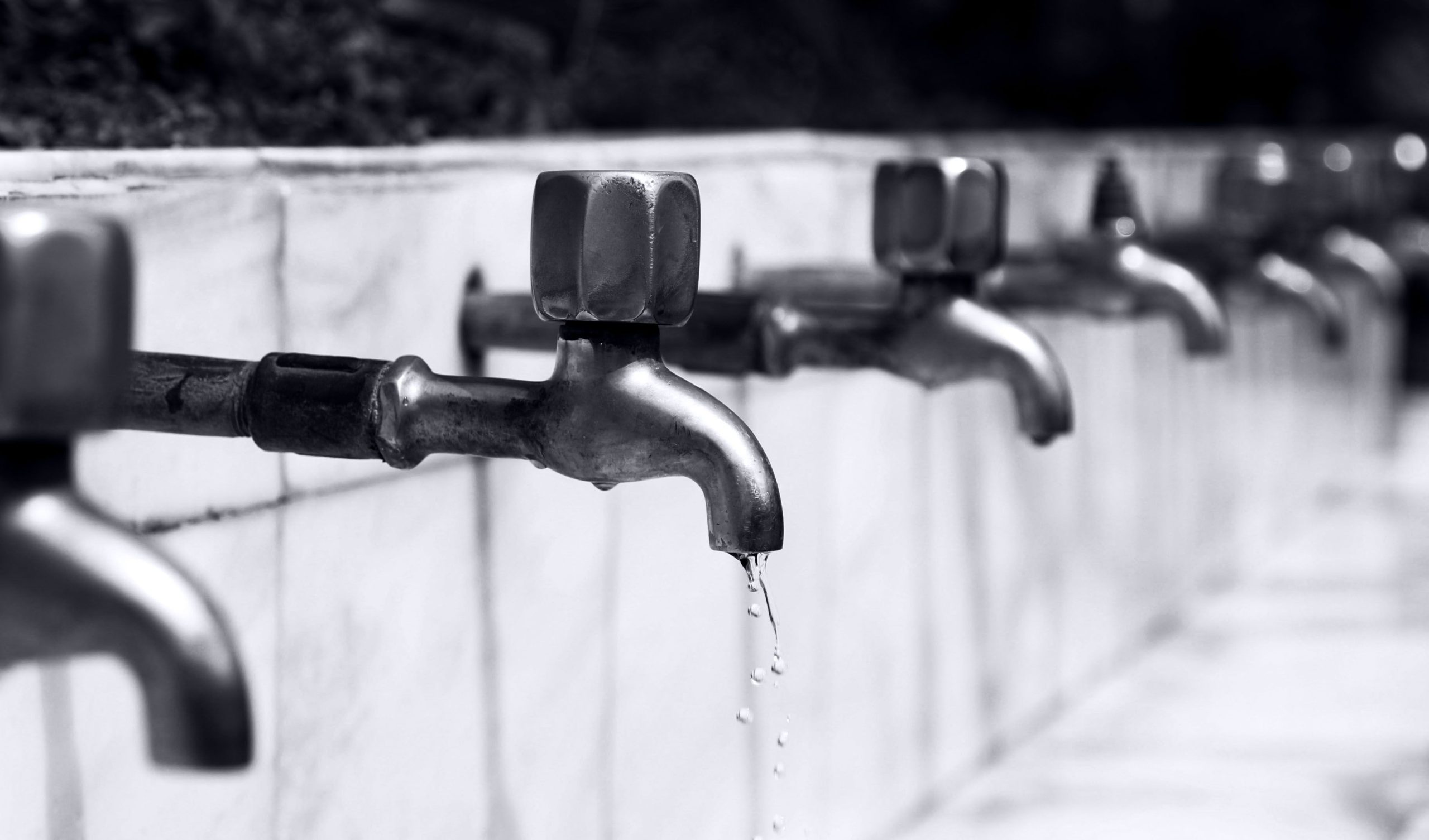
Hard water spots form when mineral-rich water dries on paint, glass, trim, or mirrors — the water itself evaporates, but the minerals it carried stay behind as visible marks (OCD Car Care). When those minerals dry on paint, they don’t just cloud the finish — they cling, harden, and settle in, making the shine look spotty, uneven, or genuinely faded rather than just temporarily dirty. Left unaddressed long enough, these spots can bond to paint and glass, causing lasting damage rather than remaining a simple surface issue that a normal wash would resolve. Our guide on removing water spots from your car covers the treatment methods matched to how severely these mineral deposits have already bonded.
Prevention Through Drying Technique
Using a high-quality microfiber towel or a car dryer to remove water immediately after rinsing prevents mineral deposits from forming in the first place, while air-drying allows hard water to evaporate slowly and leave spots behind. This is exactly why drying technique, not just washing technique, plays such a direct role in hard water spot prevention — our guide on properly drying your car after washing covers the top-to-bottom technique that minimizes the window hard water has to evaporate in place.
Frequently Asked Questions
Can a water softener installed at home reduce car wash spotting?
Yes — running wash water through a home water softener reduces the mineral content reaching the car’s surface, meaningfully lowering spotting risk compared to washing directly with untreated hard tap water.
Does rainwater cause the same hard water spotting as tap water?
It can, depending on regional air quality and mineral content in local rainfall, though rainwater is often somewhat softer than heavily mineralized municipal tap water in many areas.
Is deionized or distilled water a genuine solution for spot-free washing?
Yes — deionized water carries essentially no dissolved minerals, so it evaporates without leaving spots, which is why many professional detailers use spot-free rinse systems for the final rinse step specifically.
Do all car wash facilities use the same water hardness?
No — hardness varies by facility and municipal water source, and some professional car washes specifically install water softening or deionization systems to offer a genuinely spot-free finish as a service feature.
The Bottom Line
Hard water is simply water carrying a higher concentration of dissolved minerals, mainly calcium and magnesium, and it’s the direct cause of the spotting that appears on cars after washing or rain. Understanding this mechanism — minerals left behind as water evaporates — is what makes prompt, thorough drying such an effective, genuinely preventive habit rather than just an afterthought to washing.
Dealing with stubborn hard water spots already on your paint? Contact San Diego Bumper and Collision for a professional assessment.