Car polish and wax do fundamentally different jobs: polish corrects paint by using mild abrasives to buff away surface imperfections like swirls and light scratches, while wax protects paint by adding a glossy barrier against UV rays, water, and contaminants. You get the best results doing both in sequence — polish first to fix visible problems, wax afterward to protect and enhance the corrected surface. Polish is for occasional use when paint looks faded or scratched; wax is generally reapplied two to four times a year as ongoing maintenance.
Here’s exactly what each product does at a mechanical level, why the order matters, and how often each one actually needs to happen.
Key Takeaways
- Polish is corrective, wax is protective — they solve different problems and aren’t interchangeable.
- Always polish before waxing, never the reverse — waxing over unfixed imperfections just seals them in.
- Polishing too frequently thins the paint over time, since it works by mildly abrading the surface.
- Wax needs reapplication two to four times a year, while polish is only needed when actual defects appear.
Two Different Jobs
What Polish Actually Does
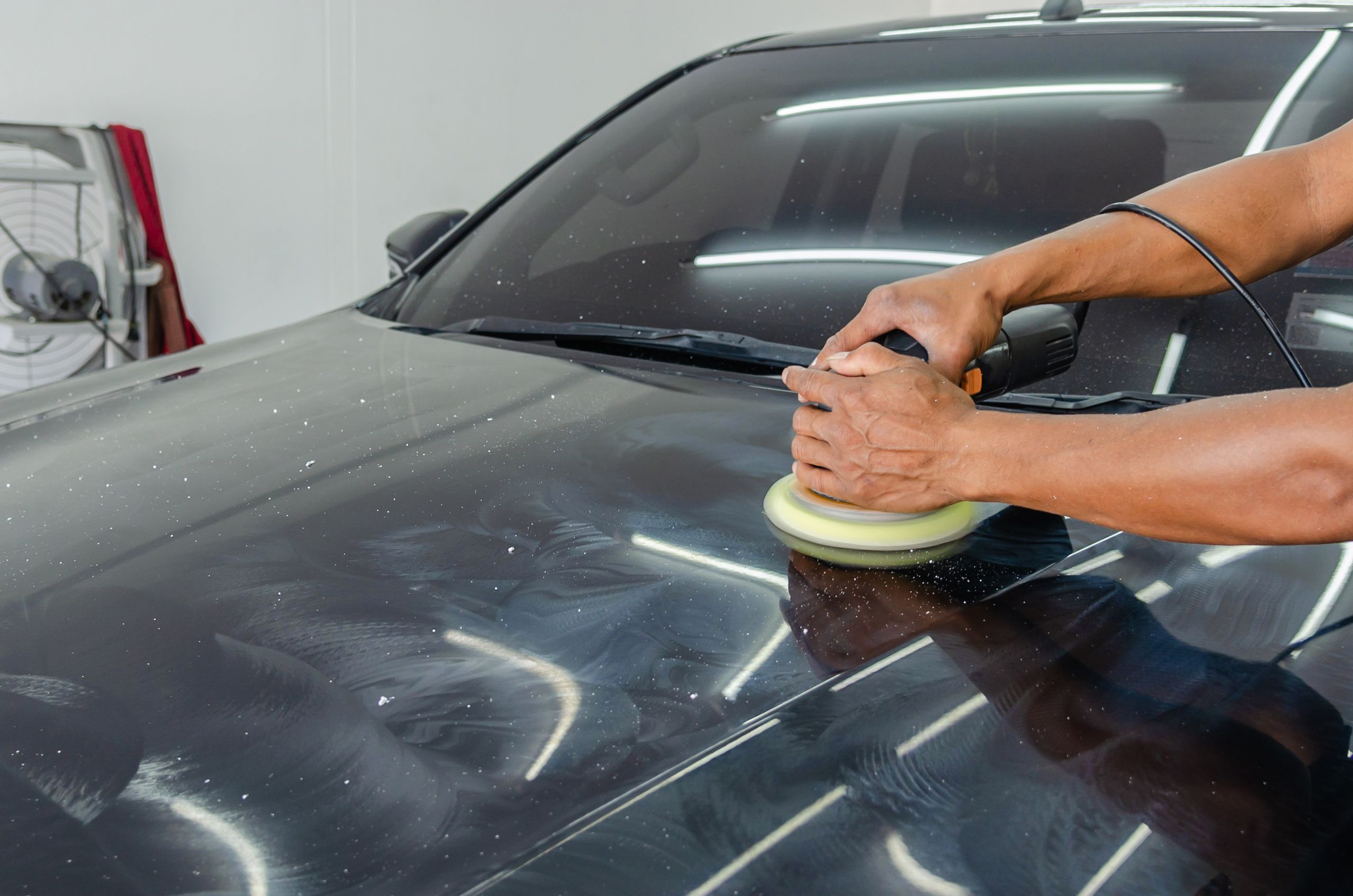
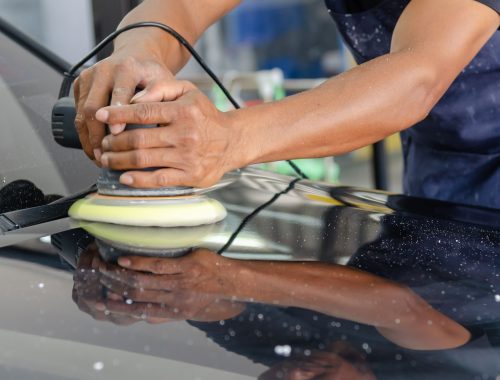
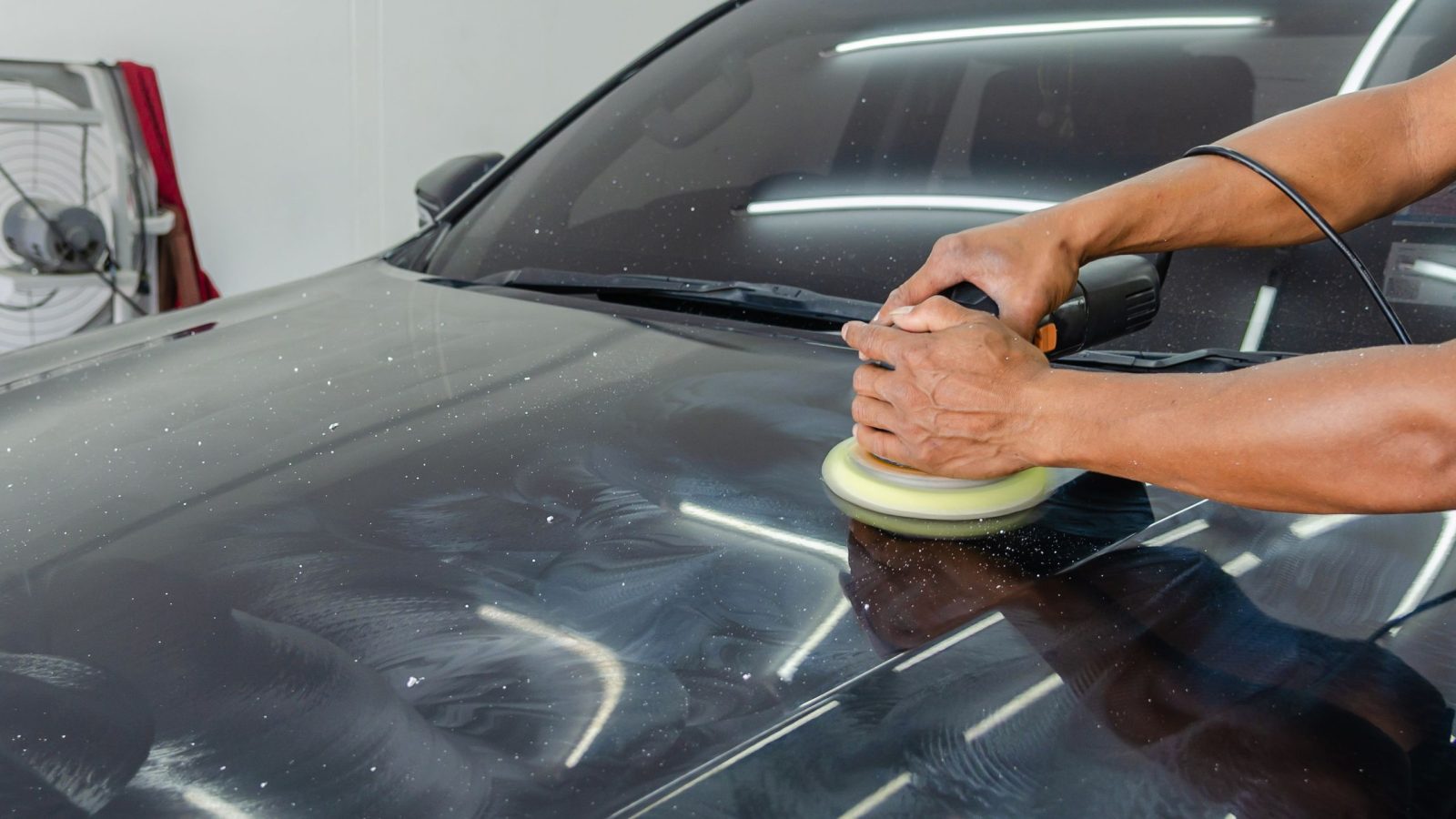
Car polish is made of mildly abrasive materials designed to gently buff away the surface layer of paint, removing imperfections like light scratches, swirl marks, and oxidation (Chemical Guys). This corrective action is exactly why polish is for occasional use rather than routine maintenance — should you polish your car too frequently, it can make the paint thinner than it needs to be to properly protect the metal underneath. Our guide on choosing the right compound or polish covers matching product aggressiveness to how severe your paint’s actual defects are, since not every imperfection needs the same level of correction.
What Wax Actually Does
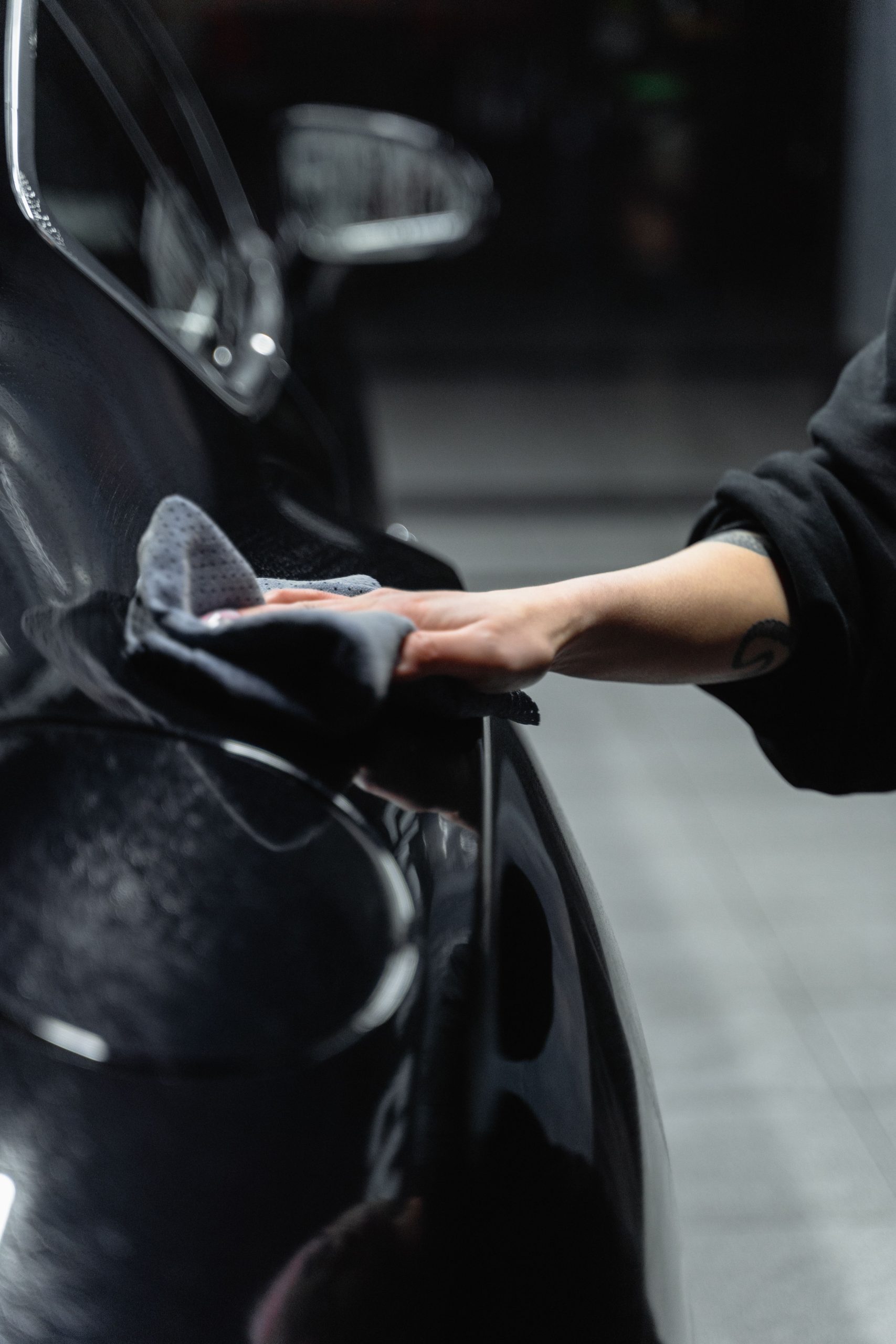
Wax creates shine by adding a glossy protective layer on top of the paint, functioning as a barrier against UV rays, water, and airborne contaminants rather than correcting anything already present in the paint (Family Handyman). Most waxes are best applied two to four times per year as a maintenance routine, since the layer naturally wears down through washing, sun exposure, and general driving. Our guide on how to wax your car covers the full application process and how to choose between wax types.
Why Order Matters
You get the best results doing both in sequence — polish first to fix visible problems, wax afterward to protect and enhance the now-corrected surface (AutoZone). Waxing over unpolished, unfixed imperfections just locks those flaws in underneath a glossy layer rather than addressing them, which is why most detailing routines treat these as sequential steps rather than interchangeable alternatives. If you’re considering a longer-lasting protective option beyond wax, our guide on applying a ceramic coating covers a more durable alternative that still requires the same correction-before-protection sequence to get the best result.
Frequently Asked Questions
Can polish and wax be combined into a single product?
Some “polish and wax” combo products exist for convenience, though dedicated single-purpose products generally perform each function more effectively than a combined formula that compromises on both.
Does every car need polishing before every wax application?
No — polishing is only necessary when actual paint defects are present; if the paint already looks clean and defect-free, going straight to wax as routine maintenance is perfectly reasonable.
Is machine polishing meaningfully better than polishing by hand?
Yes, generally — a dual-action polisher applies more even pressure and covers more ground consistently than hand application, though hand polishing can still work for very light correction on a small area.
How do I know if my car needs polish, wax, or both?
Run your hand over the paint and look closely under good light — visible swirls, light scratches, or dullness point to needing polish first, while a clean but unprotected-feeling surface just needs wax.
The Bottom Line
Car polish and wax aren’t competing products — they’re sequential steps solving different problems. Polish corrects existing paint defects through mild abrasion, while wax protects the corrected surface going forward. Understanding this distinction is what prevents wasted effort, like waxing over unfixed scratches or over-polishing paint that didn’t need correction in the first place.
Not sure which your car needs? Contact San Diego Bumper and Collision for a professional paint assessment.