A car that shuts off while driving is almost always a fuel delivery, ignition, or electrical problem — a failing fuel pump, a worn ignition switch, a bad crankshaft position sensor, or a faulty alternator are the most common culprits. It’s not something to shrug off as a one-time glitch: any of these can leave you without power steering and reduced brake assist mid-drive, which is a real safety issue, not just an inconvenience.
Here’s what’s most likely causing it, what actually happens to the car in that moment, and exactly what to do if it happens to you.
Key Takeaways
- The most common causes are fuel delivery, ignition switch wear, a bad crankshaft position sensor, or a failing alternator — each affects a different system, but all can stop the engine outright.
- When the engine stalls, you lose power steering assist and most brake assist — the car can still be steered and stopped, but it takes noticeably more physical effort.
- Turn on hazards, stay calm, and coast to safety rather than panicking or slamming the brakes.
- A single unexplained stall is worth diagnosing immediately — it rarely happens only once.
The Most Common Causes
Fuel Delivery Problems
A weak or failing fuel pump is one of the most frequent causes of stalling, especially the intermittent kind that seems to happen randomly. A pump that can’t maintain consistent pressure starves the engine of fuel under certain conditions — often when the tank is low, when accelerating, or after the engine has been running long enough to heat up. A clogged fuel filter or a bad fuel pressure regulator produce similar symptoms (CarParts.com).
Ignition Switch Wear
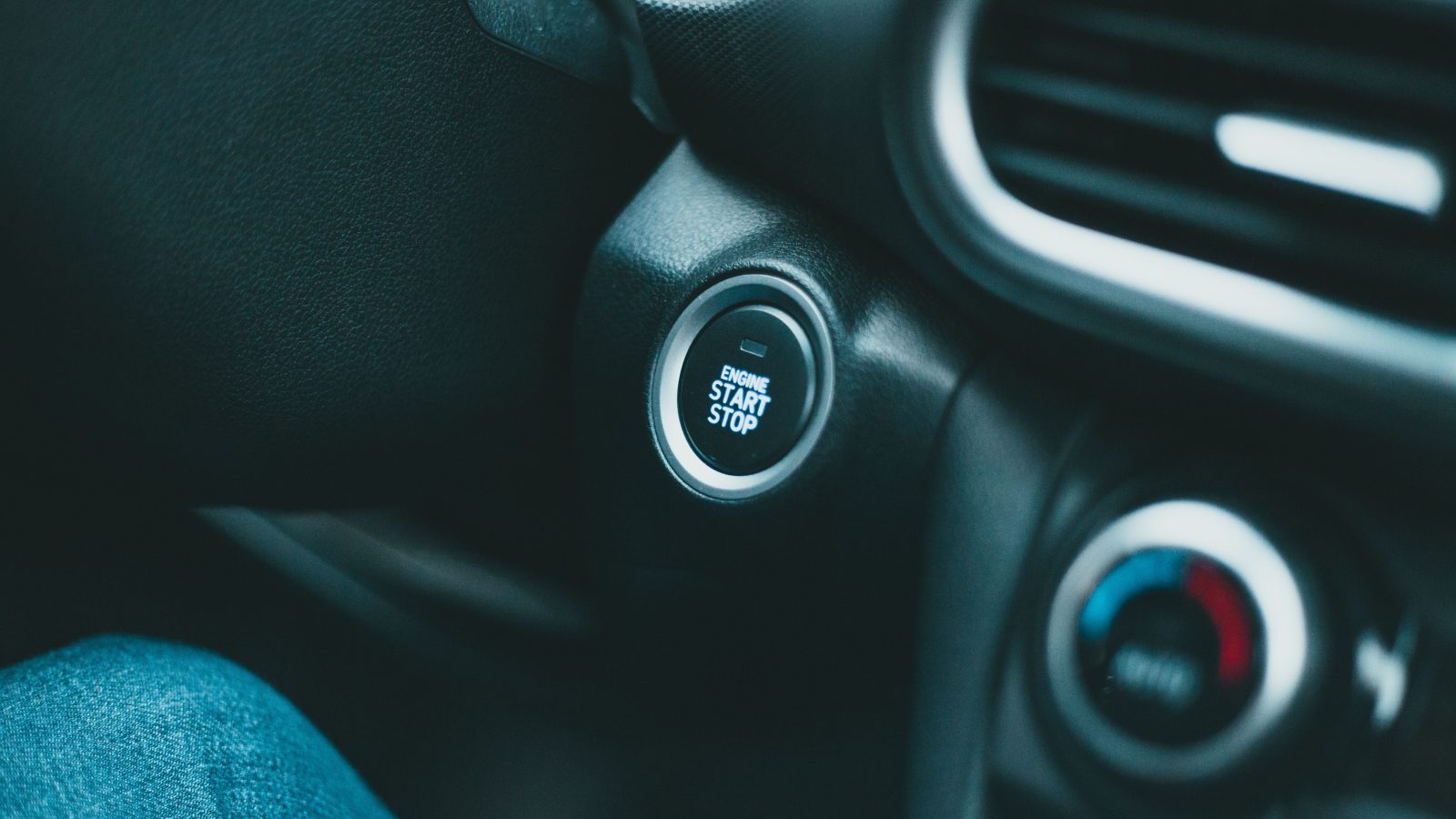
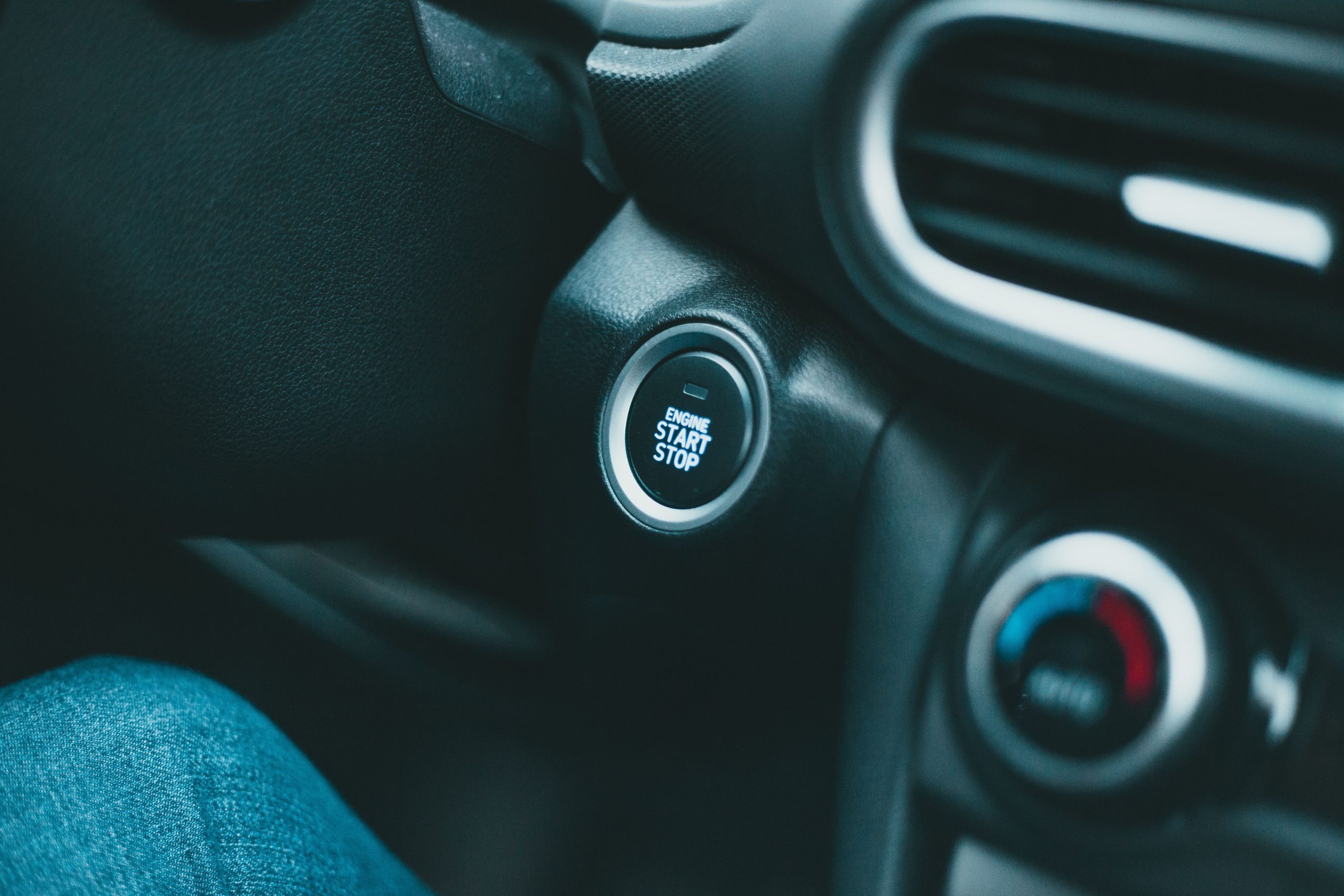
The ignition switch provides the pathway for electricity to reach the engine management system — fuel injectors, ignition coils, and more — once the key is in the “run” position. Over time, the contacts inside wear, corrode, or loosen, and a bump in the road or steering column vibration can momentarily break that connection, killing the engine instantly and just as suddenly restoring it.
A Bad Crankshaft Position Sensor
This sensor tells the ECU exactly where the crankshaft is in its rotation, which the engine needs to time fuel injection and ignition correctly. When it fails or sends bad data, the result can range from a rough misfire to a complete, sudden stall, since the engine computer loses the reference point it needs to keep everything firing in sequence (AutoZone).
Electrical System Failures
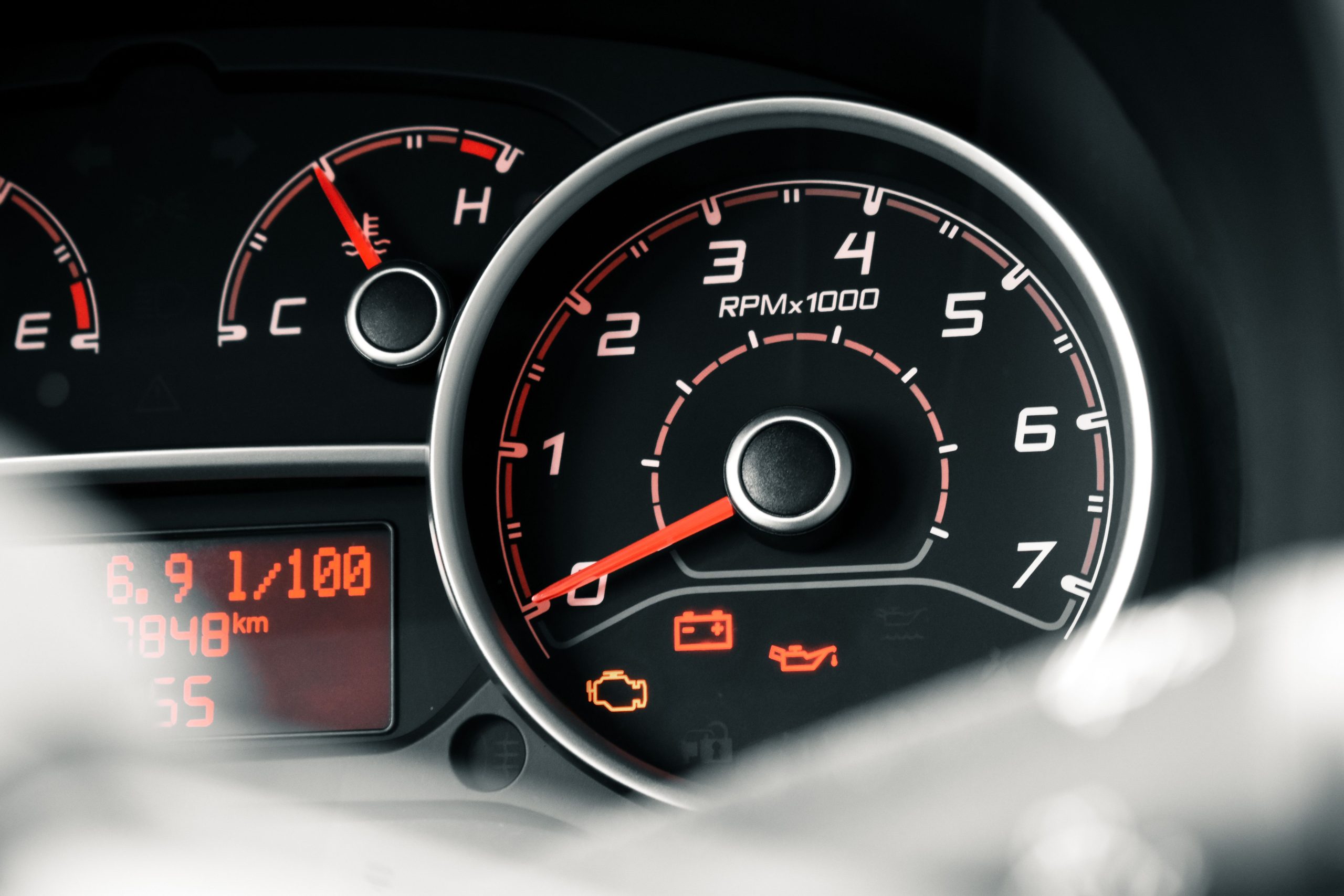
A failing alternator can cause a significant voltage drop — sometimes below 12 volts — since it’s responsible for both powering the electrical system and keeping the battery charged while the engine runs. A drop that severe can stall the engine directly, along with flickering lights and a rapidly draining battery as warning signs beforehand. Even something as simple as a loose battery cable can interrupt power delivery enough to shut the engine off (Carista). The alternator itself is driven by the serpentine belt, so a snapped or badly slipping belt cuts off charging entirely and can produce the same stalling pattern.
Sensor and Computer Faults
A dirty or failing mass airflow (MAF) sensor feeds the ECU inaccurate readings about incoming air, which throws off the fuel mixture calculation badly enough to stall the engine, especially at idle or low speed. In rarer cases, a software glitch or internal fault in the engine control module itself can cause random, hard-to-diagnose shutoffs.
What Actually Happens When the Engine Stalls
Two systems change the instant the engine cuts out, and knowing this in advance matters:
- Power steering assist disappears. The wheel doesn’t lock, but it becomes noticeably harder to turn — steer smoothly rather than yanking, since the car will still respond to steering input.
- Power-assisted braking weakens, requiring significantly more pedal pressure to slow down. There’s usually a small reserve of vacuum-assisted braking left for a stop or two even after the engine dies, so the first brake application after a stall often still feels close to normal.
Neither system fails completely — you can still steer and stop the car — but both require noticeably more physical effort than you’re used to, which is disorienting if it catches you off guard (Aceable).
What to Do If It Happens to You
- Stay calm and turn on your hazard lights immediately to warn other drivers.
- Coast toward the shoulder, a turnout, or a parking lot if one is within reach, steering smoothly rather than jerking the wheel.
- Brake gradually, not abruptly — you have reduced assist, not zero stopping power, so give yourself more distance than usual.
- If you can’t reach the shoulder in heavy traffic, stay in your lane with hazards on and focus on controlling the vehicle’s path rather than trying to force a lane change.
- Once stopped safely, shift to Park or Neutral and attempt to restart. If it starts, drive cautiously to a repair shop rather than assuming the problem resolved itself.
Frequently Asked Questions
Is it safe to keep driving after a single stall?
Not without getting it checked. A one-time stall rarely stays a one-time event — whatever caused it (a failing pump, a worn switch, a bad sensor) tends to recur, often at a worse moment than the first time.
Can a bad spark plug cause a full stall, not just a misfire?
Usually a worn spark plug causes rough running or a misfire rather than a complete shutdown, but severe or multiple simultaneous plug failures can be enough to stall the engine, especially at idle.
Does a weak battery cause stalling while driving?
Less directly than a failing alternator, since the alternator (not the battery) powers the running engine’s electrical system. But a battery too weak to hold a charge, combined with any additional electrical draw, can contribute to the kind of voltage drop that stalls an engine. See our guide to car battery ratings if you’re not sure your battery is up to spec.
Will a stall trigger a check engine light?
Often, yes, especially if a sensor or the ECU logged a fault code at the moment of the stall. But some stalls — particularly mechanical ones like an ignition switch losing contact — don’t always log a code, which is part of why intermittent stalling can be frustrating to diagnose without the right equipment.
The Bottom Line
A car that shuts off while driving points to fuel delivery, ignition, electrical, or sensor problems — and while the car can still be steered and stopped afterward, it takes real extra effort with both systems running on reduced assist. Stay calm, use your hazards, coast to safety, and treat even a single unexplained stall as something to diagnose right away rather than hope it was a fluke.
Had your car stall unexpectedly? Contact San Diego Bumper and Collision for a diagnostic before it happens again somewhere less convenient.