Replacing an engine mount typically costs $629 to $778 according to RepairPal’s national estimate — roughly $314 to $461 in labor plus $315 to $317 in parts (RepairPal, retrieved July 2026).
That’s the national average across all vehicles, and the spread by model is enormous. On a Honda Civic the parts dominate the bill. On a Ford F-150 the labor does. Knowing which side of that split your vehicle falls on tells you whether a quote is fair.
Key Takeaways
- National average: $629-$778 for an engine mount replacement (RepairPal, retrieved July 2026).
- Cost splits differently by vehicle — Civic and Camry are parts-heavy, F-150 and Silverado are labor-heavy.
- Most vehicles have 3 to 4 mounts, and shops often recommend replacing more than one at a time.
- The classic symptom is vibration at idle and a clunk when shifting into drive or reverse.
What Engine Mounts Do
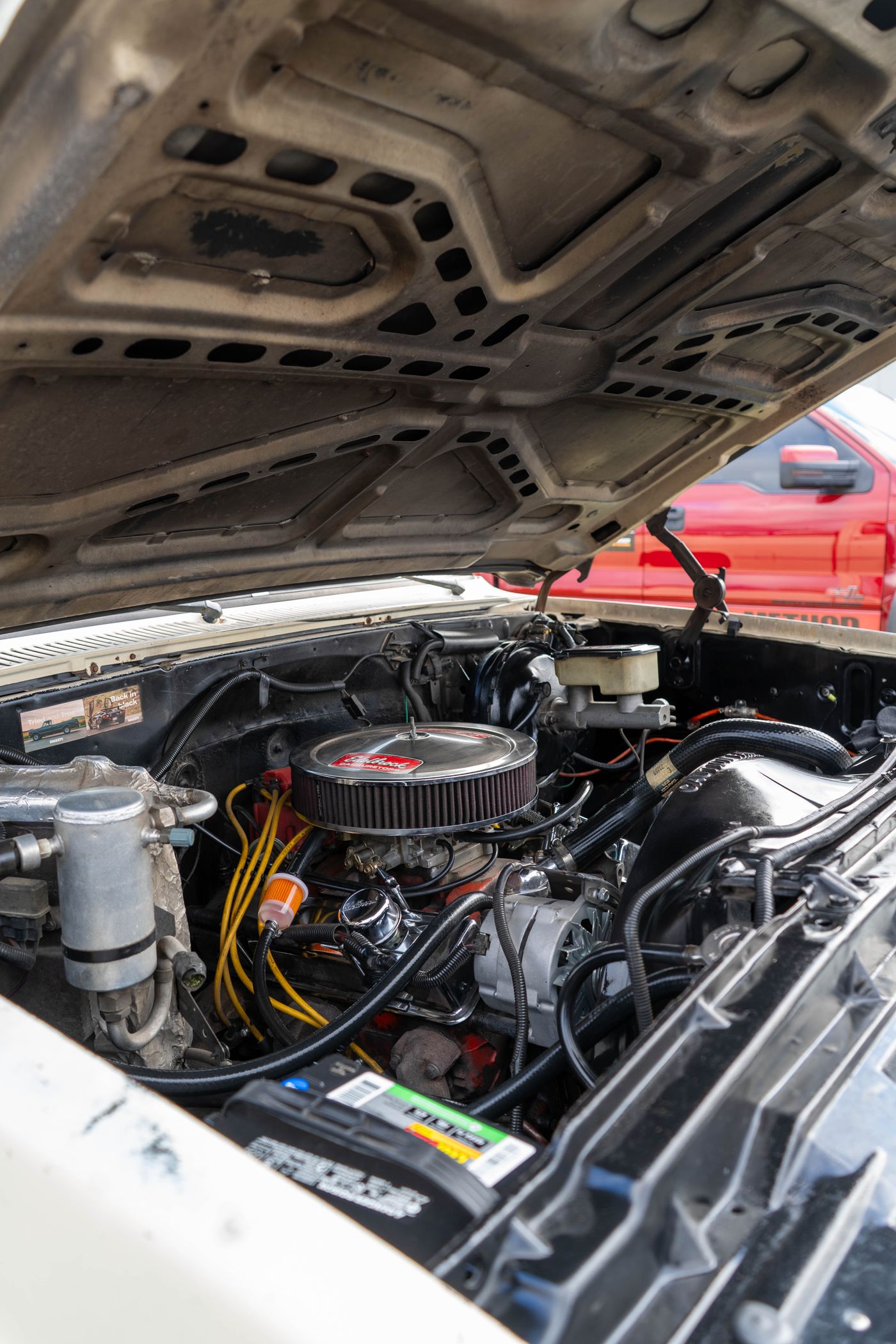
Engine mounts bolt the engine and transmission to the vehicle’s frame or subframe. They do two jobs at once: hold several hundred pounds of powertrain in position, and isolate its vibration from the cabin.
Most are rubber bonded to metal brackets. Some are hydraulic — fluid-filled for better vibration damping — and a few modern vehicles use electronically controlled active mounts that adjust stiffness on the fly.
Rubber perishes. Hydraulic mounts leak. Both fail gradually rather than suddenly, which is why the symptoms creep up on people.
Engine Mount Replacement Cost by Vehicle
RepairPal’s per-model estimates show how differently the cost breaks down:
| Vehicle | Labor | Parts |
|---|---|---|
| Toyota Camry | $169-$248 | $447-$450 |
| Honda Civic | $140-$206 | $420-$423 |
| Chevrolet Silverado 1500 | $383-$562 | ~$160 |
| Ford F-150 | $511-$749 | ~$189 |
Source: RepairPal model-specific estimates, retrieved July 2026. Excludes taxes, shop fees, and regional variation.
The pattern is clear: transverse four-cylinder cars have expensive mounts but easy access. Full-size trucks have cheap mounts buried under a lot of hardware. Neither is inherently better value — they just fail differently on your invoice.
Symptoms of Worn Engine Mounts
- Vibration at idle that you feel through the seat or steering wheel, and that smooths out once you’re moving.
- A clunk or thud when shifting into drive or reverse — the engine physically shifting on failed mounts before the drivetrain takes up load.
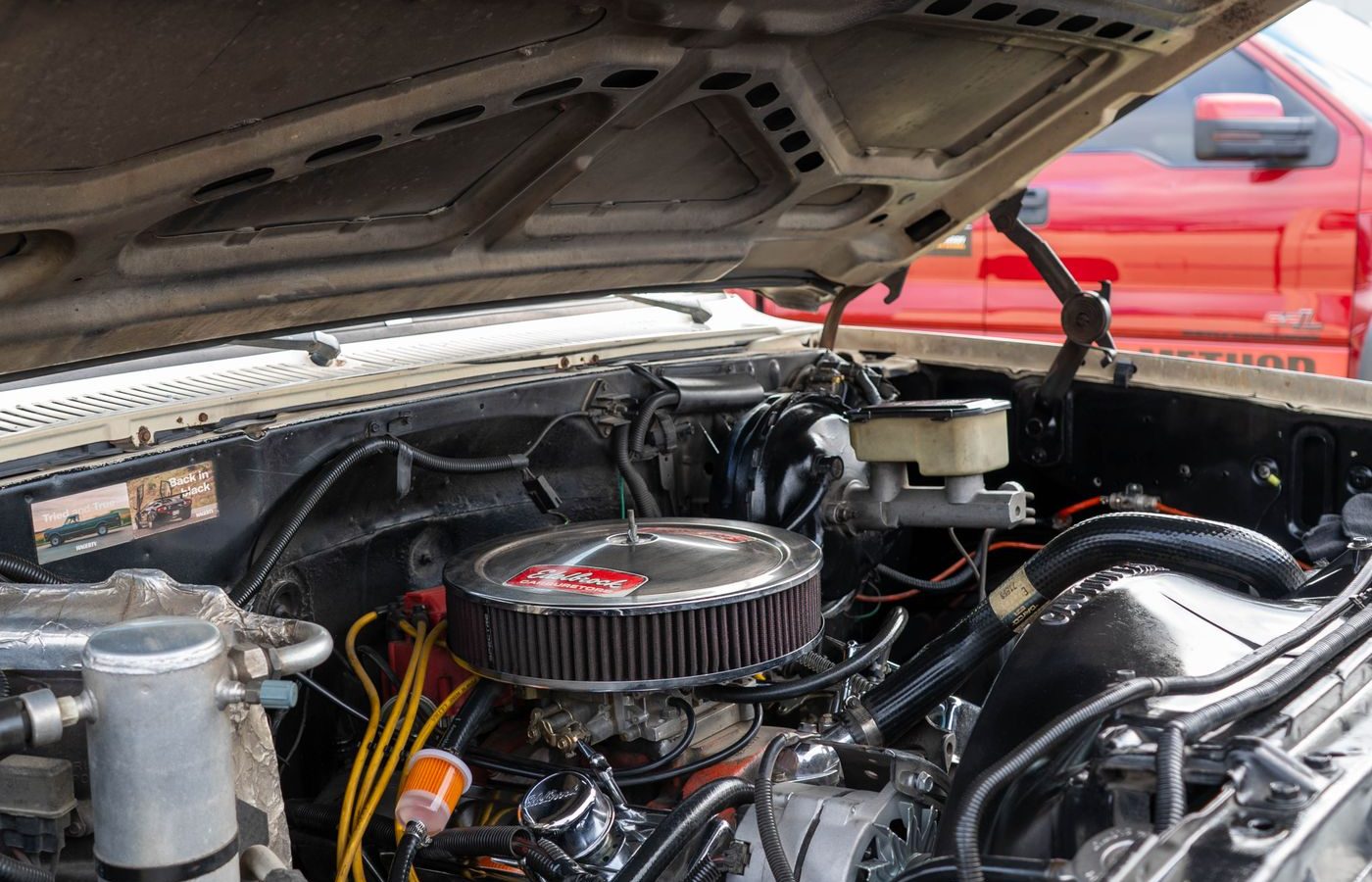
- Engine movement you can see. Have someone brake-torque the car briefly while you watch under the hood. Excessive lift or rocking indicates a failed mount.
- A bang under hard acceleration as the powertrain moves further than it should.
- Visible cracks or separated rubber on inspection, or fluid weeping from a hydraulic mount.
Vibration at idle that disappears while driving is the most reliable single indicator. Vibration that gets worse with speed is usually a wheel or driveline issue instead.
Should You Replace All the Mounts at Once?
Most vehicles have three or four mounts, and shops routinely recommend doing more than one. That recommendation is sometimes justified and sometimes not.
Justified when: the mounts are the same age and have the same miles, and access overlaps significantly so labor is shared. Replacing one mount and having a second fail three months later means paying much of that labor twice.
Not automatically justified when: the other mounts inspect as sound. A mount that’s intact is a mount that’s working. Ask to be shown the condition of each one.
The reasonable middle ground: have every mount inspected, replace the failed ones plus any showing visible cracking, and leave genuinely sound ones alone.
Why Ignoring Bad Mounts Costs More Later
A failed mount lets the powertrain move further than it was designed to. That extra movement transfers load into things that were never meant to carry it:
- Exhaust components flex and crack at the joints
- Axle shafts and CV joints operate at angles outside their design range
- Radiator hoses, wiring harnesses, and coolant lines rub against surrounding components
- The remaining mounts carry more load and fail faster
None of that is dramatic on any single drive. Over months it turns a single-mount job into a multi-component repair. If the engine has been moving enough to damage surrounding components, our mechanical and structural repair services can identify what else needs attention.
Frequently Asked Questions
How long can you drive with a bad engine mount?
You can drive, but it accelerates wear on the remaining mounts and on exhaust, axles, and lines that the moving powertrain now contacts. A completely failed mount that lets the engine strike surrounding components should be repaired promptly.
Is a motor mount the same as an engine mount?
Yes — the terms are used interchangeably. A transmission mount (or trans mount) is a related but distinct part that supports the transmission end of the powertrain, and it’s quoted separately.
Why is the part so expensive on a Camry or Civic but cheap on a truck?
Different design philosophies. Transverse four-cylinder cars often use hydraulic or electronically controlled mounts, which cost far more than the simple rubber-and-steel mounts used in body-on-frame trucks. The trucks make up for it in labor, since the mounts sit deeper in the engine bay.
Can I replace an engine mount myself?
It’s possible but genuinely risky. The engine has to be supported from above or below while the mount comes out, and an unsupported powertrain can shift or drop. Unless you have proper support equipment and experience, this is one to leave to a shop.
Do engine mounts need to be replaced in pairs?
Not necessarily. Unlike brake pads, mounts aren’t required to be replaced in matched sets. Replace what has failed, and consider adjacent mounts if labor overlaps or they’re showing wear.
The Bottom Line
Budget $629-$778 as a national average for one engine mount, understanding that your vehicle determines whether that money goes mostly to parts or mostly to labor.
Vibration at idle plus a clunk when shifting is the classic pairing — get it inspected before the moving powertrain starts damaging what’s around it. Contact San Diego Bumper and Collision for an inspection and estimate.