A basic safety inspection takes 30 to 45 minutes, and adding an emissions test brings the total to roughly 45 to 90 minutes, depending on your state and how busy the station is. A standalone emissions or smog check alone typically runs 15 to 30 minutes — often on the shorter end at express-style stations built specifically for speed.
Here’s what actually happens during that time, what’s checked, how California’s smog check requirement works if you’re local to San Diego, and how to avoid the reschedule that turns a 30-minute visit into a second trip.
Key Takeaways
- Safety inspection: 30-45 minutes. Emissions/smog test: 15-30 minutes. Combined: 45-90 minutes.
- Total time at the shop often exceeds the inspection itself — waiting for a bay to open commonly adds 15-30+ minutes on top.
- California requires a biennial smog check for most gas vehicles 8 model years or older, not a general safety inspection.
- A loose gas cap, dead bulb, or worn wiper blade are among the most common — and easiest to avoid — reasons for a failed or delayed inspection.
How Long Does Each Type of Inspection Take?
| Inspection type | Typical duration | Notes |
|---|---|---|
| Safety inspection only | 30-45 minutes | Lights, brakes, tires, steering, belts and hoses |
| Emissions / smog test only | 15-30 minutes | Faster at express-style stations |
| Combined safety + emissions | 45-90 minutes | Varies by state and station workload |
Figures compiled from 2026 inspection-time guides (MyAirbags; Daily Car Tips; Jiffy Lube, retrieved July 2026). Total time at the shop — including waiting for a bay — averages 30 minutes to 1.5 hours, which is usually longer than the hands-on inspection time itself. Any authorized minor repair done on the spot adds more.
What Actually Gets Checked
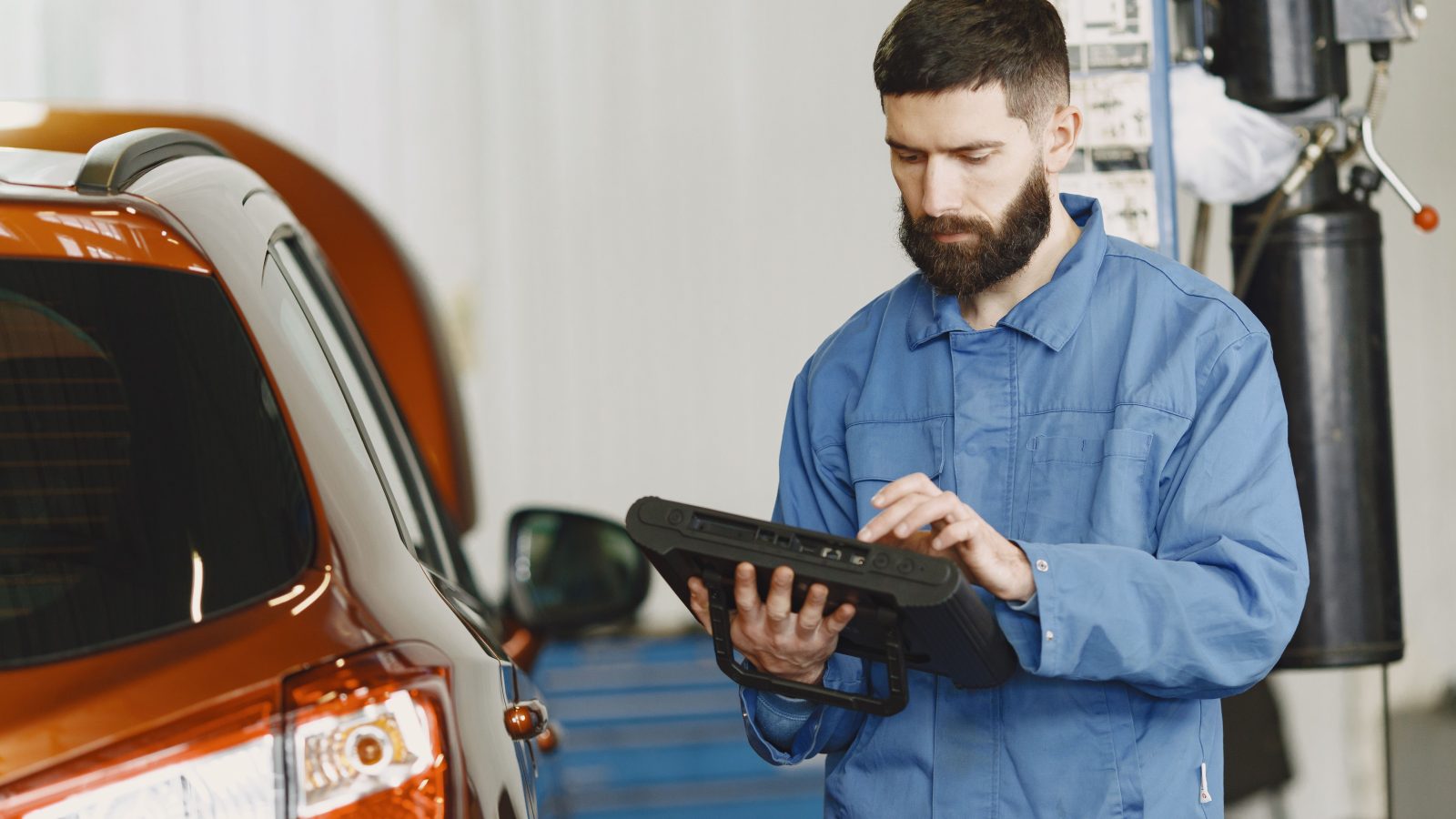
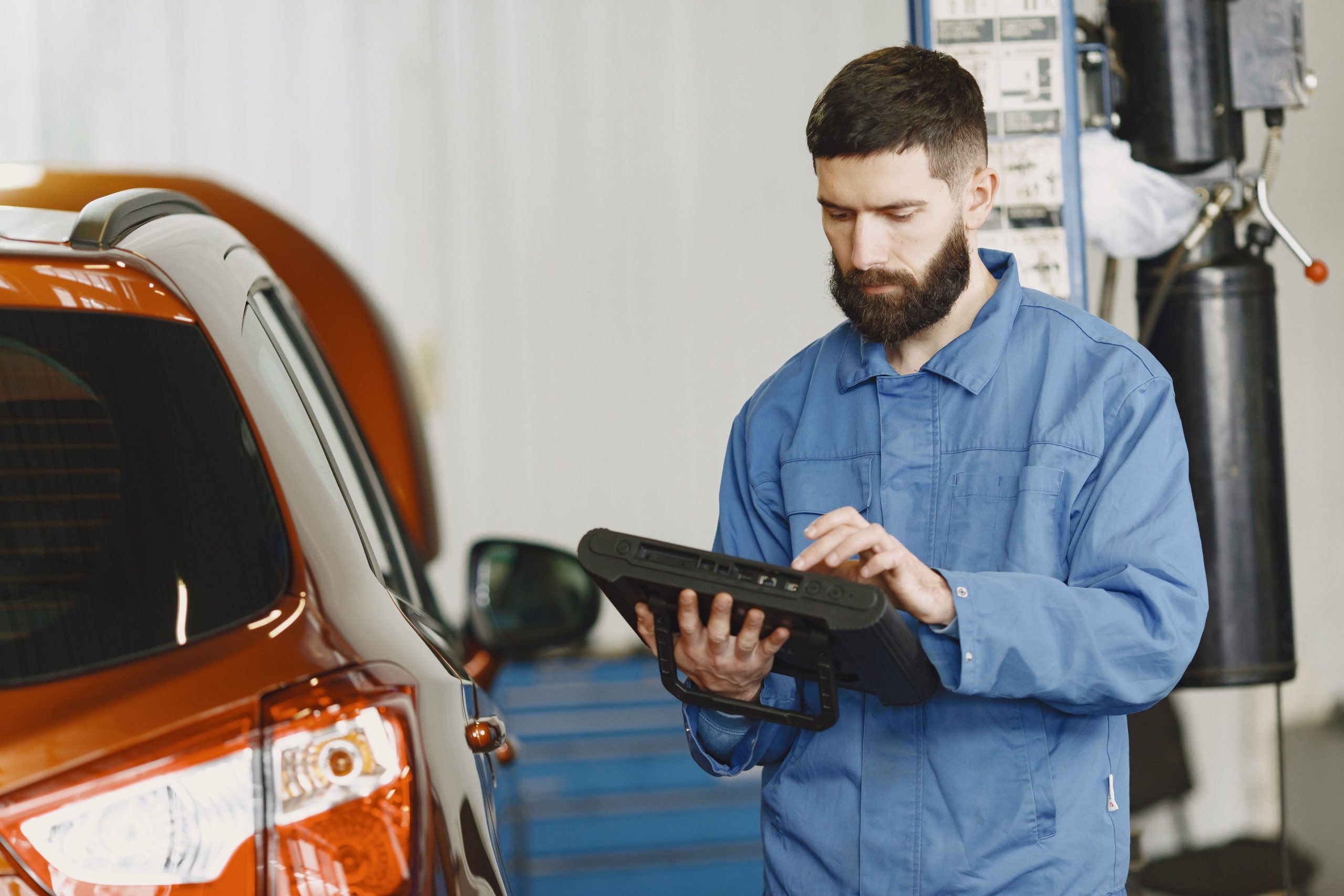
A safety inspection covers the systems that affect whether the car is safe to operate: headlights, taillights, turn signals, and horn; brakes and steering response; seatbelts; tire tread and condition; windshield wipers and washer fluid; and engine belts and fluid-carrying hoses. Many stations also check for visible oil leaks at the valve cover, oil pan, and other gaskets, and inspect the exhaust system from the manifold to the tailpipe (Nationwide).
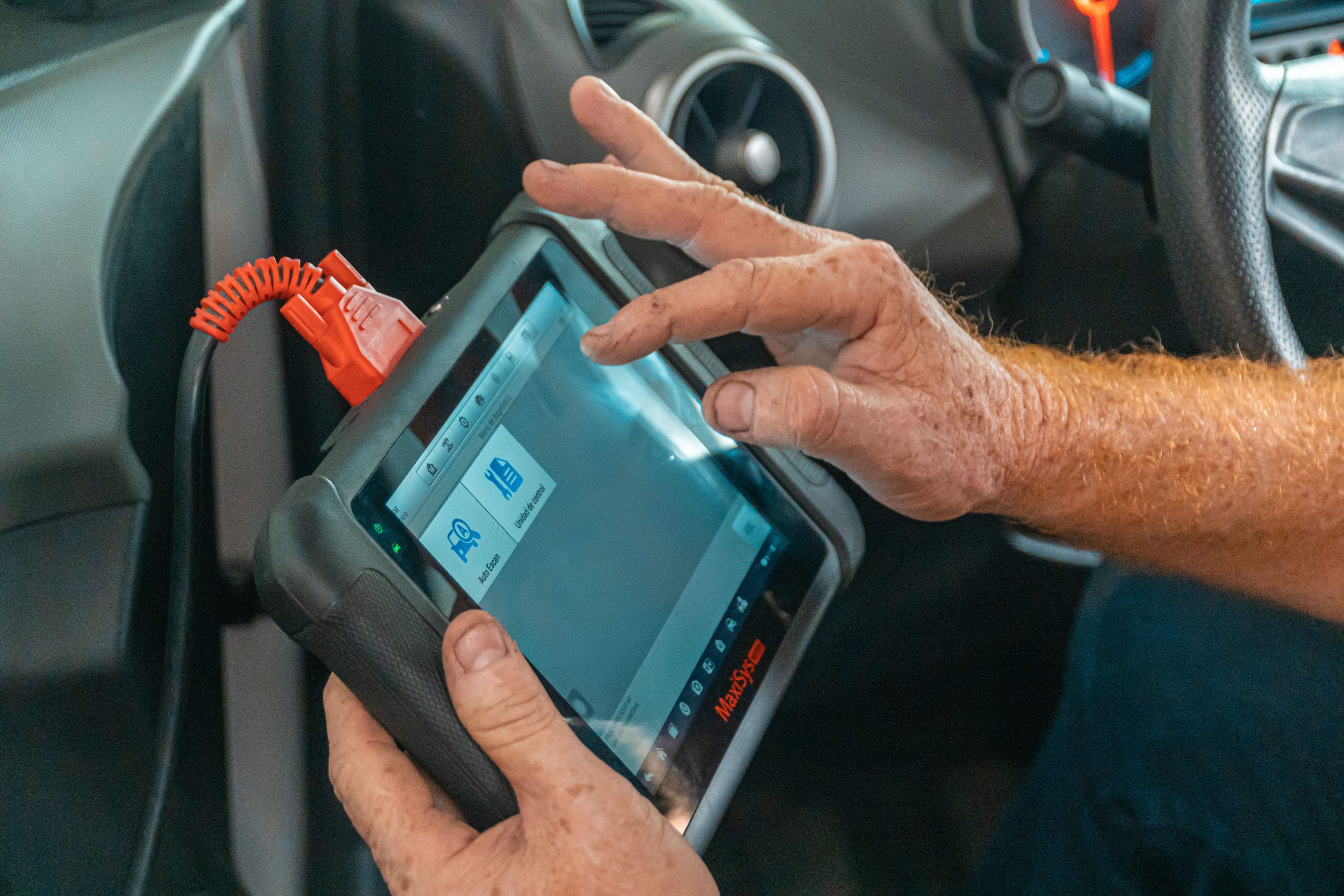
An emissions test checks whether your car’s pollution controls are working as designed. That includes a gas cap pressure test — confirming the cap seals tightly enough to keep fuel vapor from escaping, the same system covered in our Check Fuel Cap warning guide — along with a check of the onboard computer on newer vehicles and, in some cases, a tailpipe emissions measurement.
California Smog Check: What San Diego Drivers Actually Need
California doesn’t run a general periodic safety inspection like some states — the recurring requirement here is the Smog Check, administered through the Bureau of Automotive Repair. Most gas-powered vehicles 8 model years or older need a smog check every two years at registration renewal; in 2026, vehicles from the 2019 model year or newer are generally exempt from the biennial requirement. A smog check outside that schedule is also required at change of ownership or when registering an out-of-state vehicle in California (California DMV).
The test itself typically takes 20-30 minutes at a standard smog station, or as little as 15-20 minutes at an express-style location built for speed — though a failed test or a required diagnostic check extends that. Once you pass, the station transmits your certification electronically to the DMV; there’s no paperwork to carry in yourself.
How to Avoid a Failed or Delayed Inspection
- Do a walkthrough a couple weeks ahead, not the morning of, so there’s time to fix anything before your appointment.
- Replace any dead bulb — headlight, brake light, or turn signal — one of the most common and easiest-to-avoid failure points.
- Tighten or replace a loose gas cap. A poor seal can trigger the check engine light and fail the emissions portion outright, and it’s a five-minute fix.
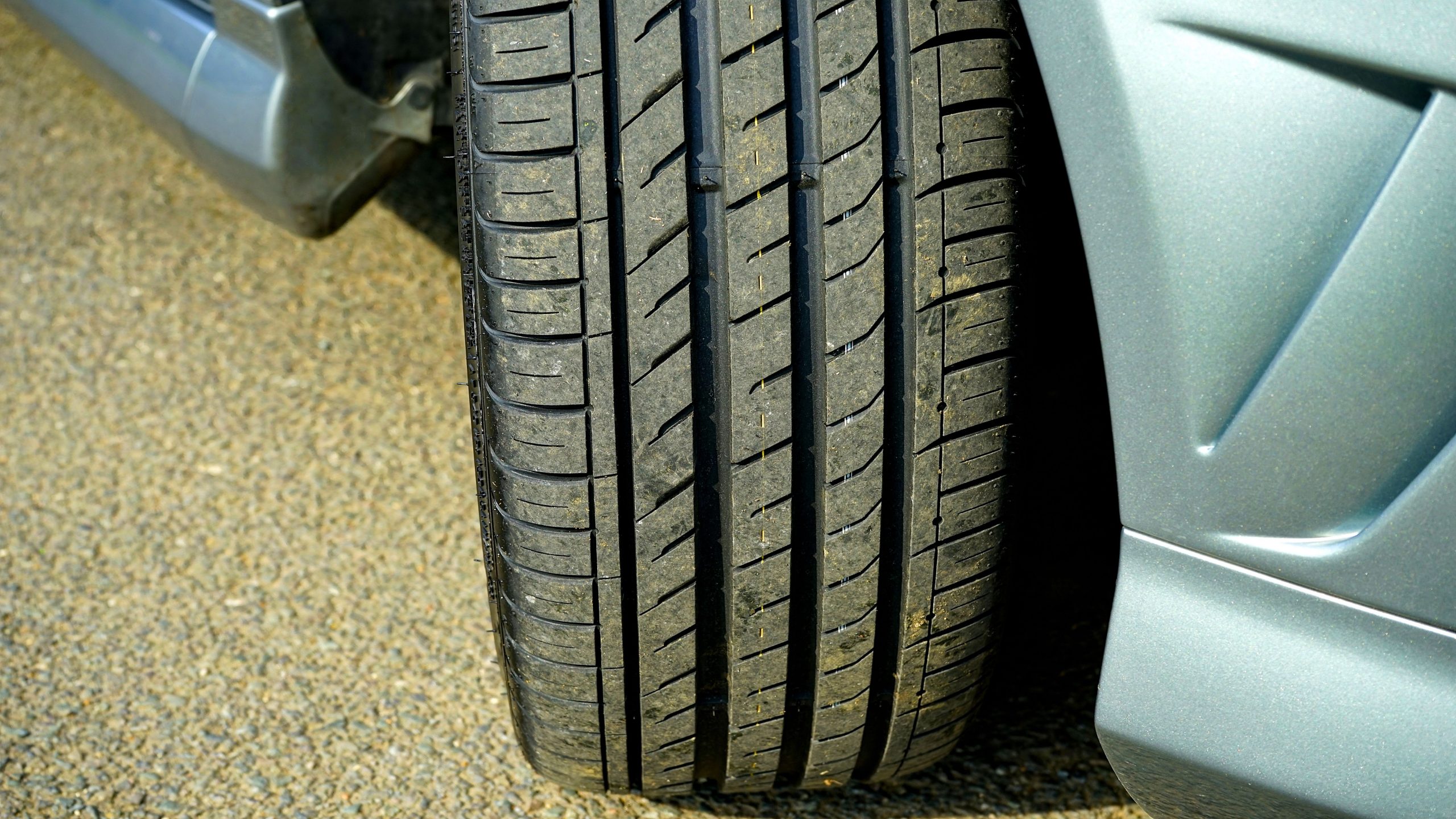
- Check tire tread and pressure, and replace anything showing uneven wear or damage.
- Confirm wipers and washer fluid work, since a non-functional wiper is a common, avoidable fail point.
- Listen for brake noise — squeaking, grinding, or a spongy pedal are worth addressing before the inspection, not during it.
- Take a short test drive first to catch any warning light that might be on, including a failing purge valve or other EVAP-related fault that can trip the emissions portion.
Most of what fails an inspection is cheap and quick to fix in advance — a bulb, a gas cap, a set of wiper blades — compared to the cost of a second visit or, worse, driving on something that actually needed attention.
Frequently Asked Questions
Can I wait in the car during my inspection?
At most stations, yes, though some prefer you wait in a lobby area, especially if the vehicle needs to be driven for an emissions test portion. Ask when you schedule if this matters to you.
What happens if my car fails inspection?
You’ll get a list of what failed and typically a window of time (often 15-30 days depending on your state or program) to make repairs and return for a free or reduced-cost retest. Driving with an expired or failed inspection status can result in a ticket in states that enforce it.
Does a serpentine belt issue affect my inspection?
It can. A worn or cracked serpentine belt is exactly the kind of visible belt-and-hose wear inspectors look for during the safety portion, and a squealing belt is worth fixing before your appointment rather than hoping it passes.
Do electric vehicles need a smog check in California?
No. Fully electric vehicles are exempt from California’s smog check program since they have no tailpipe emissions to test. Hybrids typically still require testing since they have a combustion engine.
The Bottom Line
Budget 30-90 minutes depending on whether you need a safety check, an emissions test, or both — and add extra time if the station is busy. In California, most drivers are dealing with the biennial smog check rather than a general safety inspection, and that typically takes 15-30 minutes on its own. A quick walkthrough beforehand — bulbs, gas cap, tires, wipers — is the cheapest way to make sure that’s the only visit you need to make.
Noticed a warning light or a belt squeal before your inspection is due? Contact San Diego Bumper and Collision to get it looked at before you head to the station.