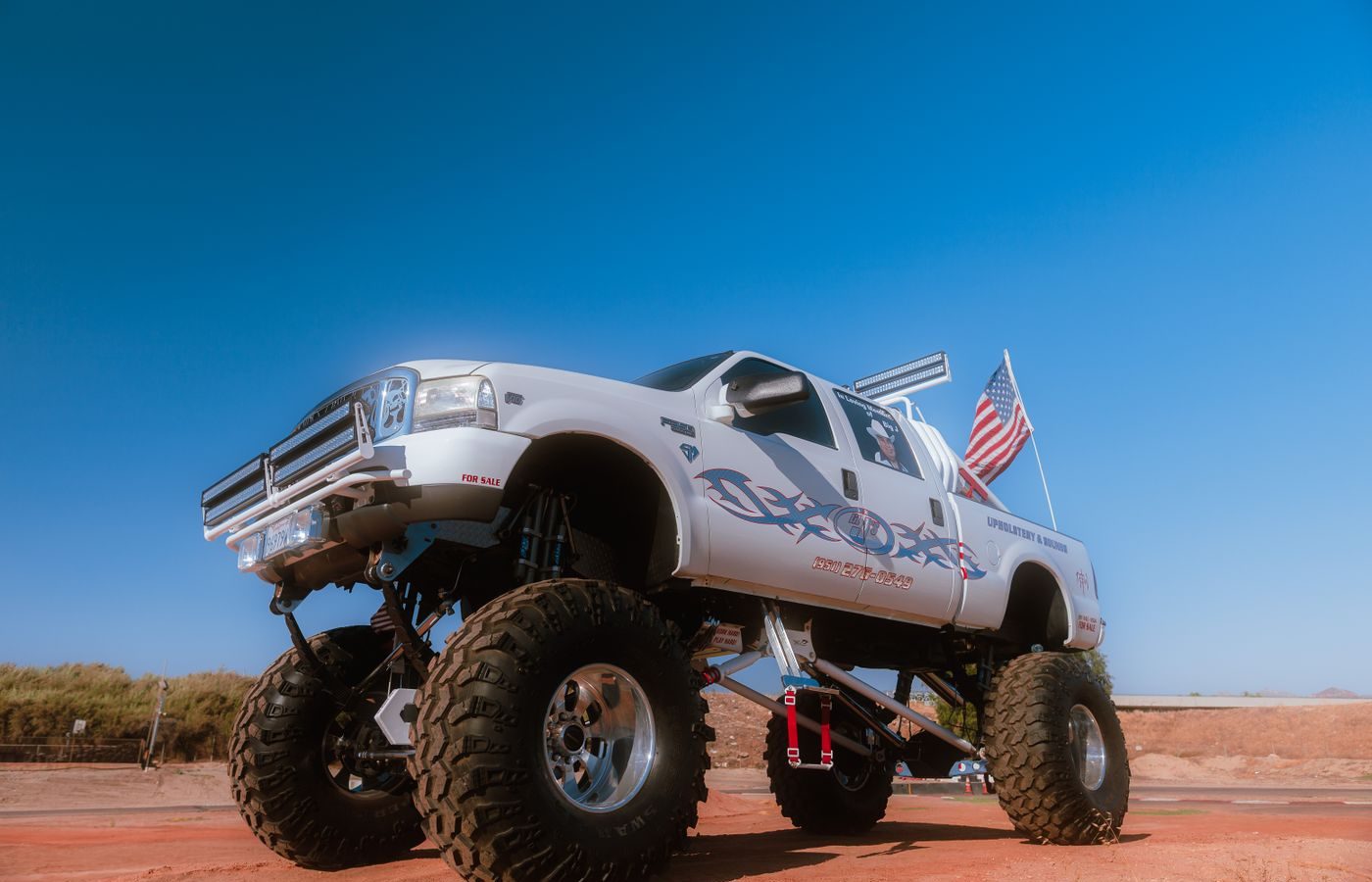
Lifting a truck runs anywhere from $200 for a basic leveling kit to $8,000+ for an extreme suspension lift, and the sticker price on the kit itself is rarely the whole story. Alignment, larger tires, and sometimes new wheels routinely add $1,000-$3,000 on top of the kit-plus-labor price — the single most common surprise for first-time buyers.
Here’s what actually drives the cost, broken down by lift type, plus the add-on expenses most quotes don’t mention up front.
Key Takeaways
- Leveling kit (1-2.5″): $200-$1,000 total. Body lift (1-3″): $300-$1,000 total. Suspension lift (2-6″+): $2,000-$5,000+ total.
- Installation labor alone runs $300-$3,000+ depending on complexity, and can take 7-15 hours for a serious suspension lift.
- Larger tires and wheels are the hidden cost: $800-$2,000+ for tires, $600-$3,000 for wheels, if your current set doesn’t clear the new ride height.
- California limits lift height by law (CVC §24008.5) — frame and bumper height caps apply, and going over them can mean a failed inspection or a ticket.
Truck Lift Cost by Type
| Lift type | Height gain | Parts cost | Total installed |
|---|---|---|---|
| Leveling kit | 1-2.5″ | $99-$600 | $200-$1,000 |
| Body lift | 1-3″ | $100-$500 | $300-$1,000 |
| Suspension lift, mild | 2-4″ | $500-$1,500 | $1,500-$2,500 |
| Suspension lift, mid-range | 3-6″ | $1,500-$4,000 | $2,000-$4,500 |
| Suspension lift, extreme | 8″+ | $3,000-$5,000+ | $5,000-$8,000+ |
Figures compiled from published 2026 lift kit pricing guides (J.D. Power; AmericanTrucks; RealTruck). Totals exclude tires, wheels, and any regearing — see below.
Leveling Kit vs. Body Lift vs. Suspension Lift
These three get confused constantly, and they’re genuinely different jobs.
Leveling kits address one specific thing: most trucks sit slightly lower in the front than the rear from the factory, and a leveling kit closes that gap, typically adding 1-2.5 inches up front. It’s a small parts swap — spacers or strut extensions — and the cheapest way to change a truck’s stance. Total cost including install commonly lands at $200-$1,000.
Body lifts raise the truck’s body off the frame using spacers, without touching the suspension at all. Ground clearance and suspension travel don’t change — only the visual gap between the body and the wheel wells grows, typically 1-3 inches. It’s mechanically simple and correspondingly cheap: $300-$1,000 installed.
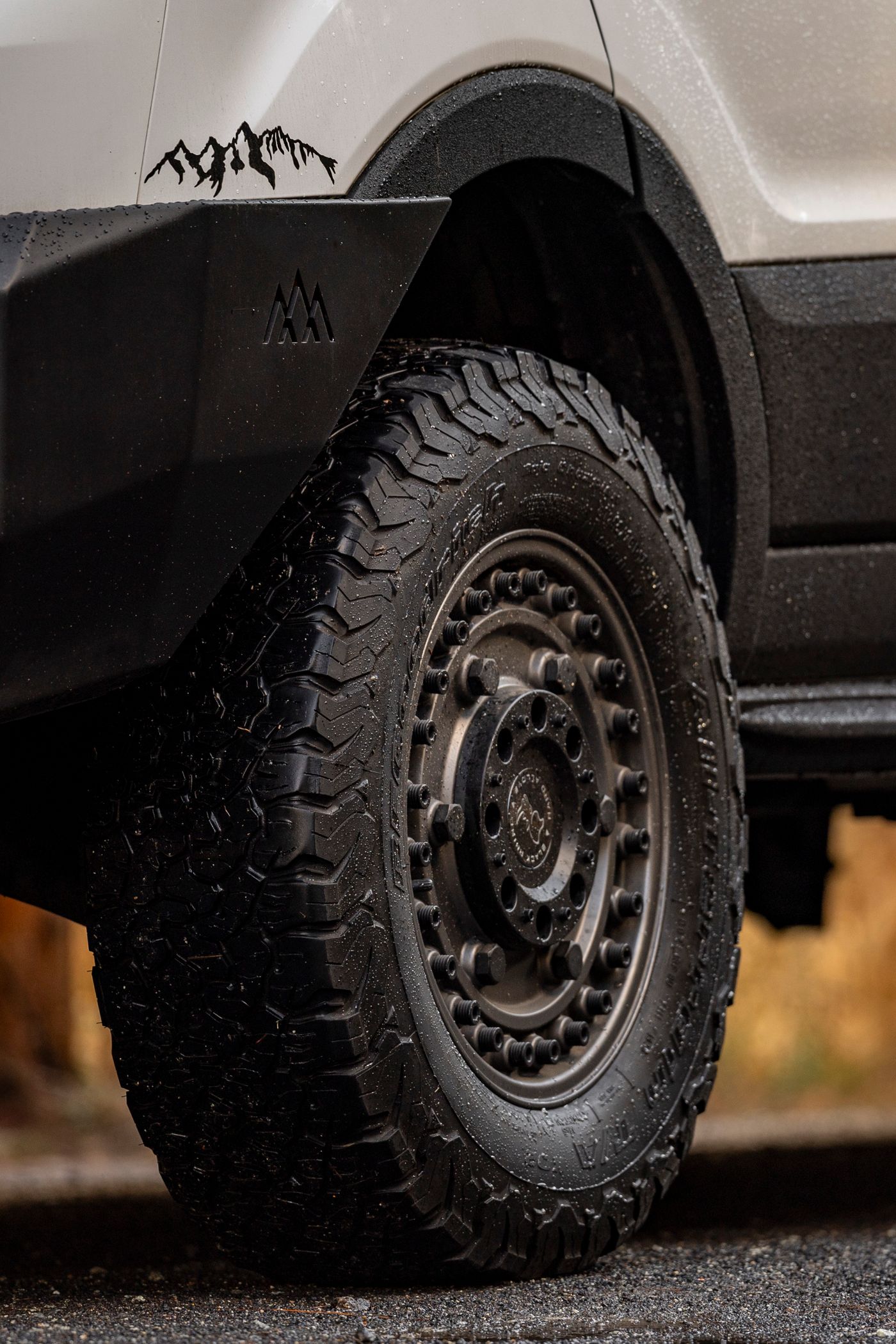
Suspension lifts actually modify the suspension geometry — new shocks, springs, control arms, and often a longer driveshaft or extended brake lines — to raise the entire truck, frame included. This is what allows genuinely larger tires and real off-road capability, and it’s why the cost jumps sharply: $1,500 at the mild end to $5,000+ for an extreme lift with premium components.
What Drives the Price on a Suspension Lift
Lift height. This is the biggest single factor. A 2-4 inch lift uses relatively standard components. Push past 6 inches and you’re into upgraded control arms, sway bar relocation, and sometimes a new driveshaft to handle the altered angles — each of those is its own line item.
Component quality. Budget kits use basic hardware; premium brands (Fox, Bilstein, King) cost considerably more but hold up better under repeated off-road use and daily driving. For a truck that’s actually going to see trail use rather than just parking-lot looks, this is where spending more has a real functional payoff.
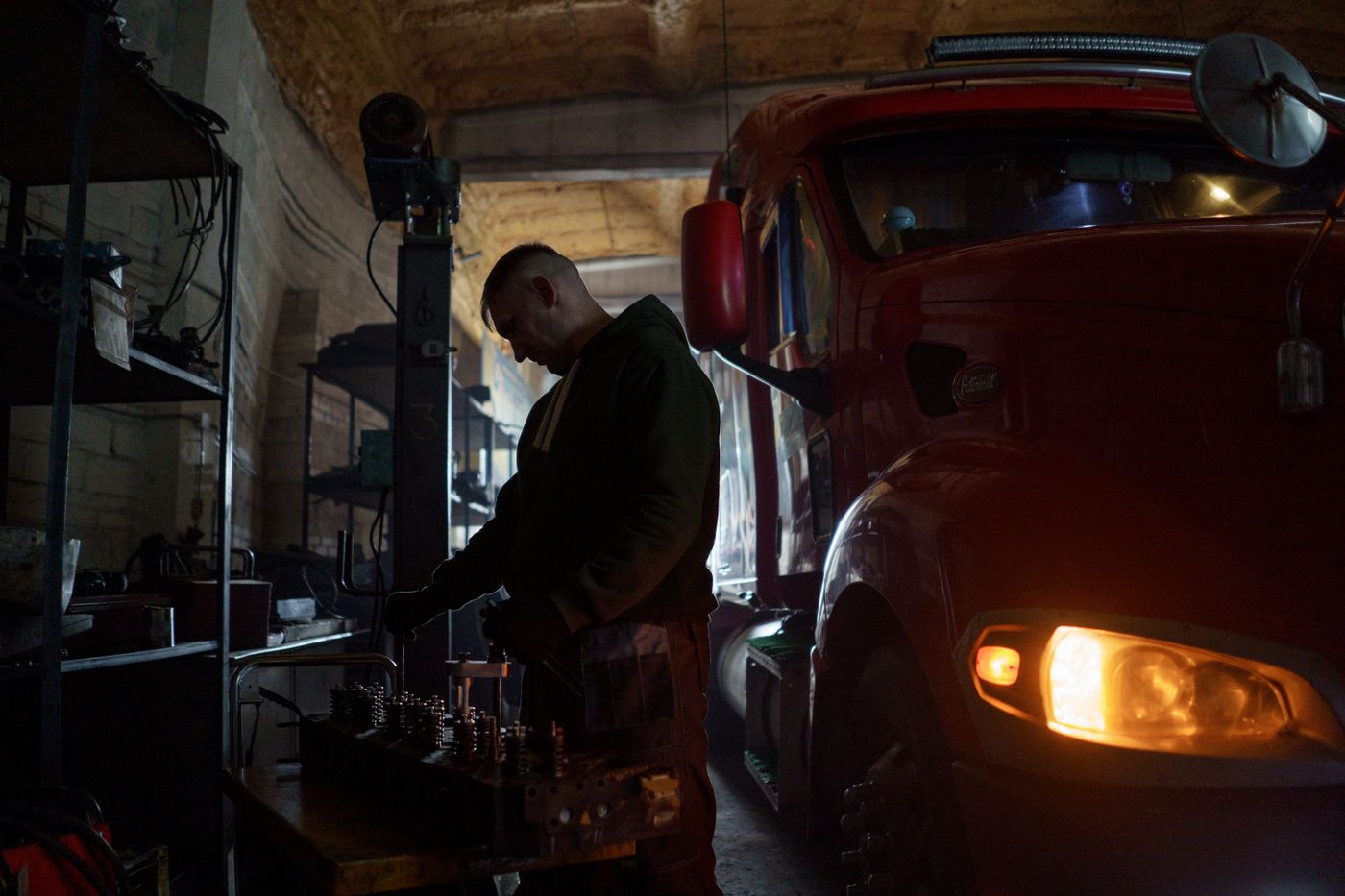
Labor complexity. Installation labor alone runs $300-$500 for a mild leveling or lift kit, climbing to $500-$3,000+ for a serious suspension lift, with the job taking 7 to 15 hours depending on how much has to come apart. A body lift is a few hours of straightforward spacer work; a 6-inch-plus suspension lift with driveline modifications is most of a day or more on the shop’s lift.
The Hidden Costs Nobody Mentions Upfront
This is where a lift kit budget usually goes sideways, and it’s worth planning for before you commit to a number.
Alignment is not optional. Any lift changes suspension geometry, and driving away without a proper alignment wears tires unevenly within a few thousand miles. Budget $100-$200, and treat it as part of the install, not an add-on you can skip.
Larger tires, if that’s the point of the lift. Most people lifting a truck want room for bigger tires, and that’s a separate purchase: $800-$2,000+ for a set, depending on size and brand.
New wheels, sometimes. Your factory wheels may not have the right offset or diameter to clear larger tires at the new ride height. Where new wheels are needed, budget $600-$3,000 for a set.
Regearing, for larger tire sizes specifically. Significantly larger tires change your effective gear ratio, which can hurt acceleration and fuel economy and strain the drivetrain. Regearing the differential(s) to compensate runs $1,200-$2,500 per axle — a cost that surprises a lot of buyers who only budgeted for the lift and tires.
TPMS recalibration. New wheel and tire combinations often need the tire pressure monitoring system reset or new sensors, typically $200-$400.
Add it up and a $2,000 suspension lift quote can realistically become $3,500-$5,000+ once alignment, tires, and possibly regearing are factored in. Ask your installer to itemize all of this up front rather than assuming the lift kit price is the final number.
Is Lifting a Truck Legal in California?
Yes, within limits — and this matters more in California than in many states because the limits are specific and enforced.
California Vehicle Code §24008.5 sets maximum frame height based on the truck’s Gross Vehicle Weight Rating (GVWR). A lighter truck (lower GVWR) has a lower maximum allowed frame height than a heavier one; a Toyota Tacoma-class truck, for instance, tops out around 30 inches of frame height under the statute. Body lifts are separately capped at 5 inches.
Bumper regulations apply separately. California requires passenger vehicles to be equipped with front and rear bumpers (CVC §28071), and bumper height mismatches between a heavily lifted truck and a standard passenger car raise real collision-compatibility concerns — a lift that pushes your bumper well above a typical car’s bumper height creates exactly the kind of override risk this rule is meant to prevent.
Going over these limits can mean a failed vehicle inspection, a fix-it ticket, or in some cases being deemed unsafe for registration renewal. If you’re planning anything beyond a mild leveling kit, it’s worth confirming your specific height limit for your truck’s GVWR before you buy parts — not after.
Frequently Asked Questions
What’s the cheapest way to lift a truck?
A leveling kit, typically $200-$1,000 installed. It only closes the factory front-to-rear height gap rather than adding real ground clearance, but it’s the lowest-cost way to change a truck’s stance and fit slightly larger tires without the expense of a full suspension lift.
Do I need an alignment after installing a lift kit?
Yes, always. Any lift — even a leveling kit — changes suspension angles enough to affect alignment. Skipping it leads to uneven, accelerated tire wear that costs more than the alignment itself within a few thousand miles.
How much does it cost to lift a truck and put on bigger tires?
Realistically $2,500-$6,000+ all-in for a moderate suspension lift plus a proper tire upgrade, once you include the lift kit, installation, alignment, and a new set of larger tires. Add wheels and possible regearing and the upper end climbs further. Get an itemized quote covering all of it before committing.
Is a suspension lift better than a leveling kit?
They solve different problems. A leveling kit is cosmetic — it evens out the factory rake. A suspension lift genuinely increases ground clearance and suspension travel, which matters if you actually plan to use the truck off-road. If you just want a leveled stance and slightly larger tires, a leveling kit is the more cost-effective choice.
Will lifting my truck void the warranty?
Potentially, for suspension and drivetrain components affected by the modification — manufacturers can deny warranty claims tied directly to aftermarket suspension work under the Magnuson-Moss Warranty Act’s “directly related” standard. Ask your installer and check your specific warranty terms before modifying a truck still under factory coverage.
The Bottom Line
Budget $200-$1,000 for a leveling or body lift, and $2,000-$5,000+ for a real suspension lift — then add $1,000-$3,000 more if tires, wheels, or regearing are part of the plan. The kit price is rarely the final number.
If you’re in California, confirm your height limits under CVC §24008.5 before you buy parts. And if a lift install turns up frame or body damage that needs addressing first, contact San Diego Bumper and Collision for an estimate.