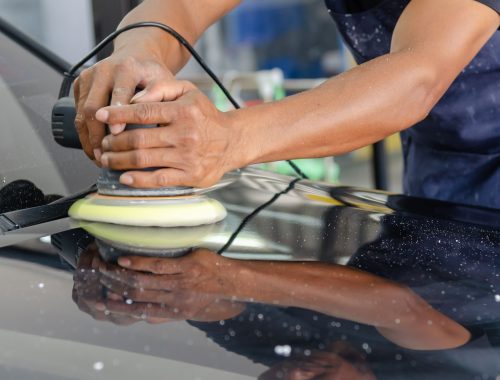

Windshield replacement costs $250-$800 for a standard vehicle without ADAS, averaging around $450 nationally. Vehicles with ADAS (Advanced Driver Assistance Systems) cameras mounted behind the windshield require mandatory recalibration adding $150-$500, pushing the total to $600-$1,500. Many comprehensive insurance policies cover windshield replacement with little or no deductible, and several states legally require zero-deductible coverage.
Here’s what actually drives the price, why ADAS calibration has become such a significant cost factor, and how insurance typically handles the claim.
Key Takeaways
- Standard windshield replacement runs $250-$800, averaging about $450 for a vehicle without ADAS.
- ADAS-equipped vehicles add $150-$500 for mandatory calibration, bringing the total to $600-$1,500.
- Vehicle make and model is the biggest cost variable, followed by OEM versus aftermarket glass choice.
- Florida, Arizona, Kentucky, and South Carolina mandate zero-deductible windshield replacement by law.
What Determines the Base Price
The actual price depends heavily on your specific vehicle make and model — the single biggest variable — along with whether you choose OEM (original equipment manufacturer) or aftermarket glass, and whether your car requires ADAS calibration (Cascade Auto Glass). A basic windshield on a common economy sedan sits toward the lower end of the $250-$800 range, while a luxury or specialty vehicle with a complex curved windshield or embedded features like heating elements runs toward the higher end even before ADAS is factored in.
Why ADAS Calibration Adds So Much Cost
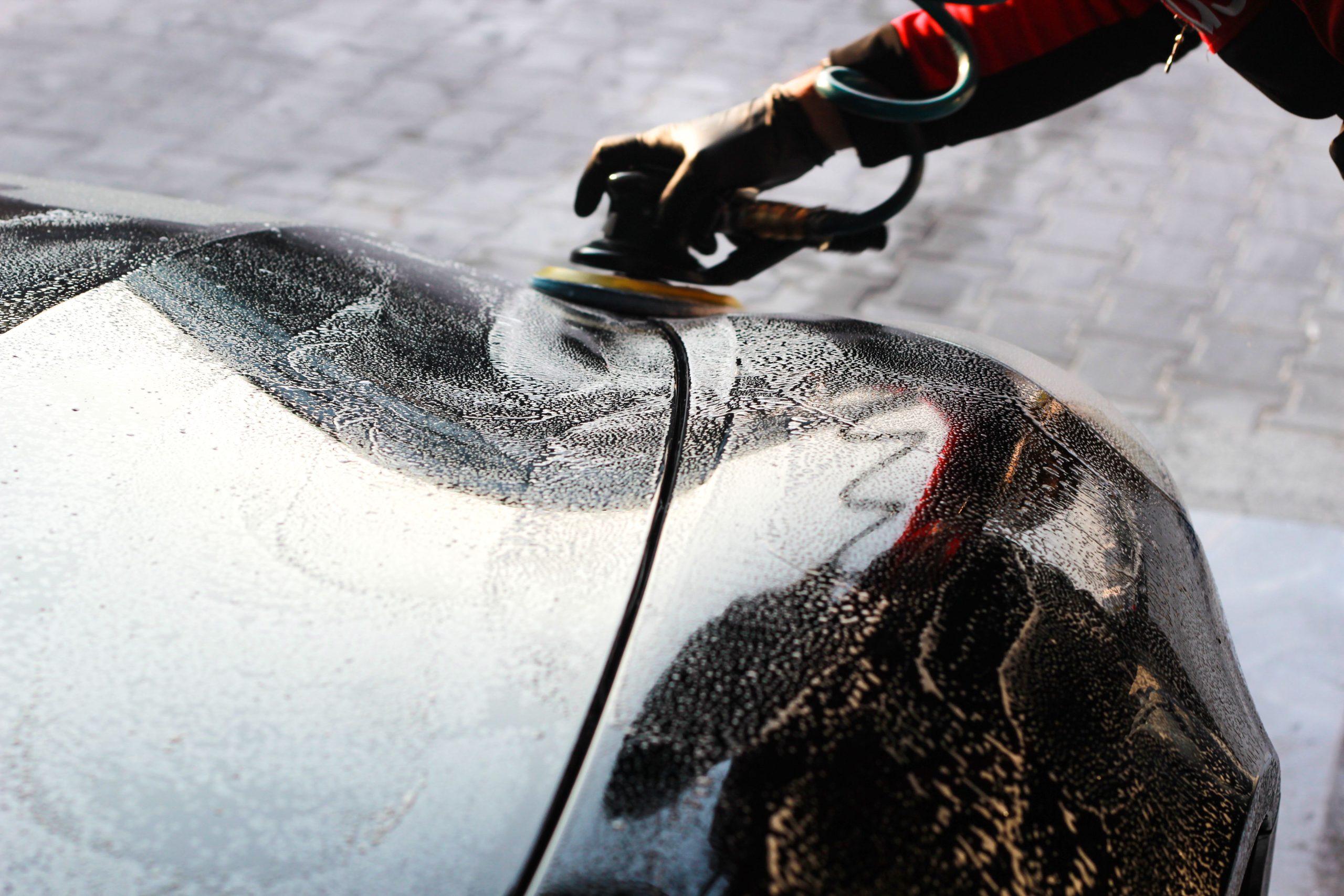
Vehicles with forward-facing cameras mounted behind the windshield — used for lane-keeping assist, automatic emergency braking, and adaptive cruise control — require mandatory recalibration after any windshield replacement, adding $150-$500 to the total (NuVision Auto Glass). ADAS calibration averages around $300, though it ranges $150-$600 depending on whether static calibration (performed in a shop using targets), dynamic calibration (performed by driving the vehicle), or both are required for your specific vehicle’s system.
Why Calibration Isn’t Optional
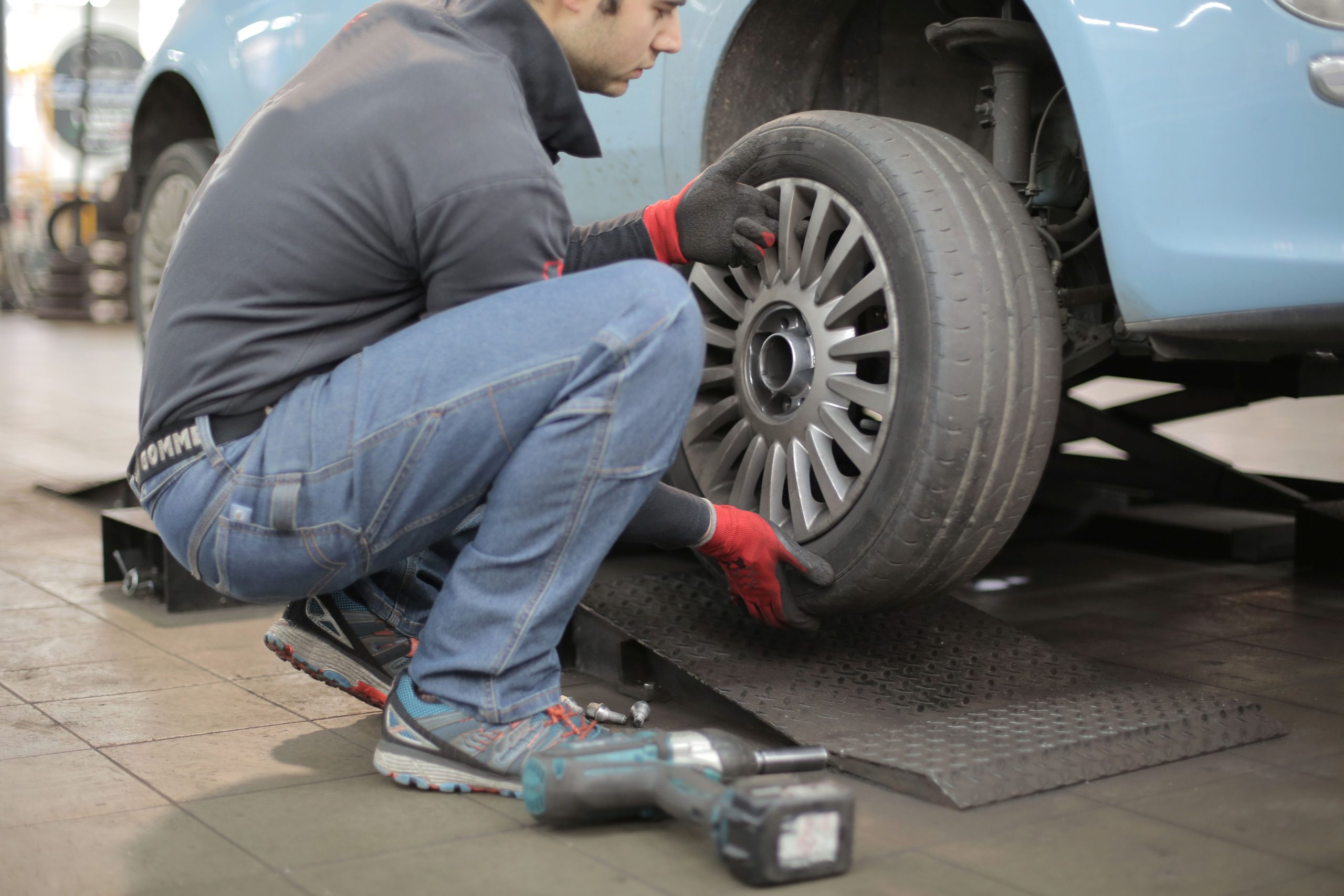
Skipping ADAS calibration after windshield replacement isn’t a reasonable way to save money — even a slight change in windshield angle or camera position can throw off the safety systems that depend on precise alignment, potentially causing lane-keeping assist or automatic braking to misjudge distances or lane position. Reputable auto glass shops treat calibration as a mandatory part of the replacement process on any vehicle equipped with these systems, not an optional add-on.
If you’re comparing windshield cost against other glass replacement needs on your vehicle, our guide on car window replacement cost by glass type covers side and rear glass pricing alongside windshield costs for a full comparison.
How Insurance Typically Handles Windshield Claims
Insurance often plays the biggest role in what you actually pay out of pocket. Many comprehensive auto insurance policies cover windshield replacement with little or no deductible, and several states — including Florida, Arizona, Kentucky, and South Carolina — legally mandate zero-deductible windshield replacement coverage under comprehensive policies (Collision Auto Glass). If you carry comprehensive coverage, it’s worth checking your specific policy and state requirements before assuming you’ll pay the full retail cost.
OEM vs. Aftermarket Glass
OEM glass — made by or for the original manufacturer — typically costs more than aftermarket glass but offers a guaranteed exact match to your vehicle’s original specifications, including any embedded features like rain sensors, heating elements, or acoustic dampening layers. Aftermarket glass is generally less expensive and functionally adequate for most vehicles, though for cars with more complex embedded technology, OEM glass reduces the risk of fitment or sensor compatibility issues that could complicate ADAS calibration.
Frequently Asked Questions
Can a small chip be repaired instead of requiring full replacement?
Often yes — a chip smaller than about a quarter, located away from the edge of the glass and outside the driver’s direct line of sight, can frequently be repaired for a fraction of replacement cost, and many insurers waive the deductible entirely for repairs since it’s cheaper than a full claim.
How long does windshield replacement typically take?
The physical replacement itself usually takes about an hour, but the adhesive needs curing time before the vehicle is safe to drive — typically an additional hour or more depending on the specific urethane adhesive used and weather conditions.
Does windshield replacement affect my insurance premium?
A comprehensive claim for windshield replacement typically doesn’t raise your premium the way an at-fault collision claim would, since it’s generally treated as a no-fault, unavoidable damage claim in most states.
Is mobile windshield replacement as reliable as in-shop service?
For a straightforward, non-ADAS vehicle, mobile replacement is generally just as reliable. For ADAS-equipped vehicles requiring static calibration with specific shop equipment and targets, in-shop service is often necessary or at least strongly preferred.
The Bottom Line
Windshield replacement runs $250-$800 for a standard vehicle, but ADAS-equipped cars add $150-$500 for mandatory calibration, pushing the total to $600-$1,500. Vehicle make and model drives most of the base price variation, while insurance — especially in states mandating zero-deductible coverage — often determines what you actually pay out of pocket.
Need a windshield replacement or ADAS calibration after a collision? Contact San Diego Bumper and Collision for a quote.