Wrapping a truck typically runs $2,000 to $6,000 for a pickup, $5,000 to $10,000+ for a commercial box truck, and $890 to $5,000 for a semi-truck tractor cab — the range is wide because “truck” covers everything from a compact pickup to a 26-foot box truck, and size is the single biggest cost driver.
If you already know what a car wrap costs, trucks follow the same per-square-foot logic — they just come in a lot more shapes and sizes, which is why the price range is so much wider.
Key Takeaways
- Pickup truck: $3,000-$5,500 for a full wrap; cab-only starts around $2,000; partial wraps (hood, bed, accents) run $1,000-$2,500.
- Box truck: $5,000-$10,000+ depending on box length (12-26 ft); commonly quoted at roughly $8-$18 per square foot installed.
- Semi-truck tractor: from about $890 for a partial cab wrap up to $5,000 for a half-wrap or more; trailer graphics are priced separately.
- A quality wrap on any truck type lasts 5-7 years with proper care and premium film.
Truck Wrap Cost by Type
| Truck type | Typical full-wrap cost | Notes |
|---|---|---|
| Pickup, cab only | ~$2,000+ | Popular budget option; leaves the bed unwrapped |
| Pickup, full (F-150, Silverado 1500-class) | $3,000-$5,500 | Varies by cab size and whether the bed is included |
| Box truck, 12-16 ft | $5,000-$6,500 | Smaller commercial delivery trucks |
| Box truck, 20-26 ft | $6,500-$10,000+ | Full-size box trucks need significantly more film |
| Semi-truck tractor | $890-$5,000 | Cab only; partial coverage starts lower, half-wrap-or-more runs $3,000+; trailer wraps quoted separately |
Figures compiled from published industry pricing guides (USA Wrap Co; VinylWrapRo; JedHead fleet wrap guide). As with car wraps, there’s no single government or trade-association dataset for retail wrap pricing — these ranges reflect a consistent cluster across multiple independent installers rather than one authoritative source, so treat them as planning figures and confirm with a local quote.
Pickup Trucks: Cab, Bed, or Full Wrap
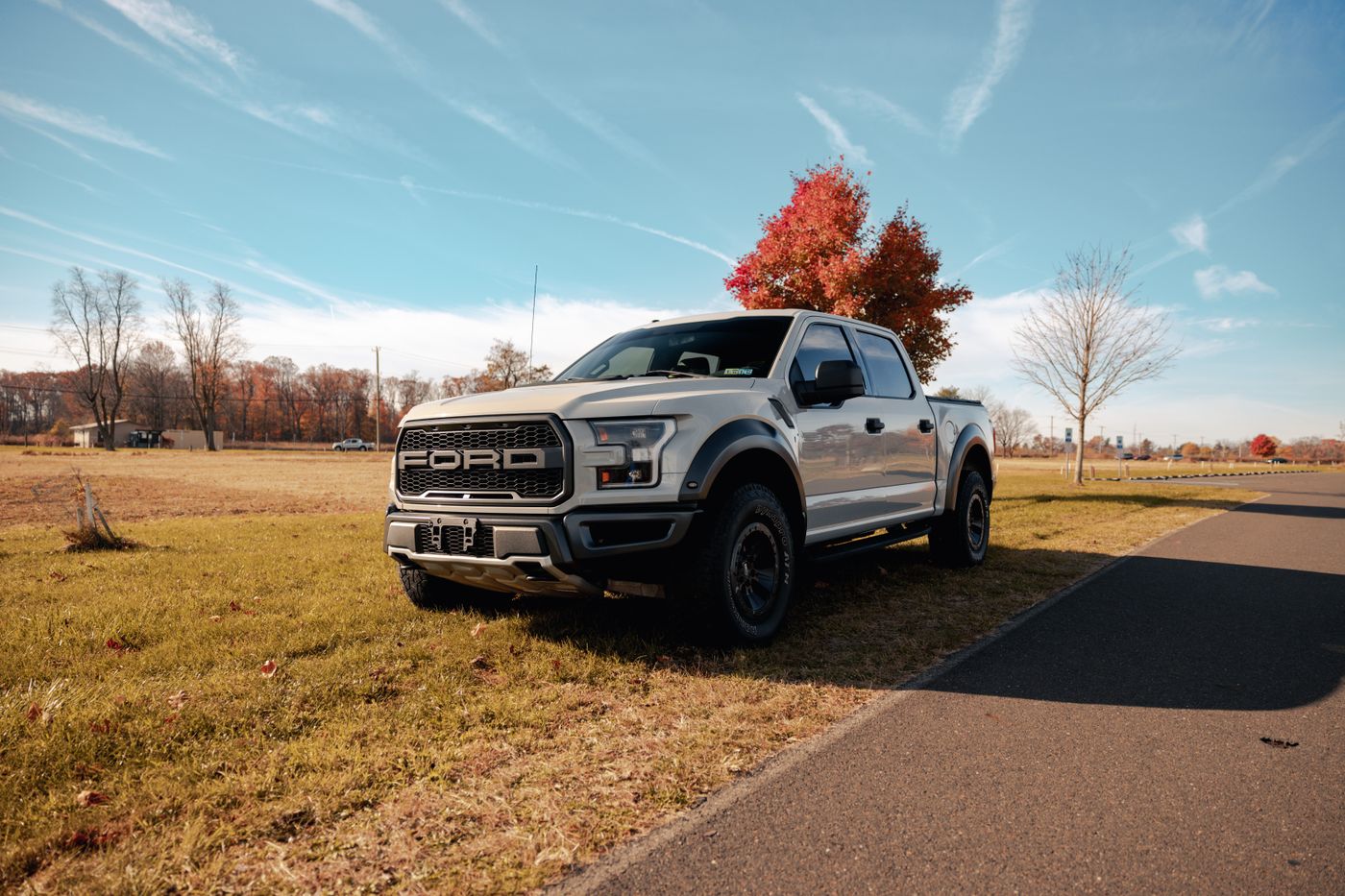
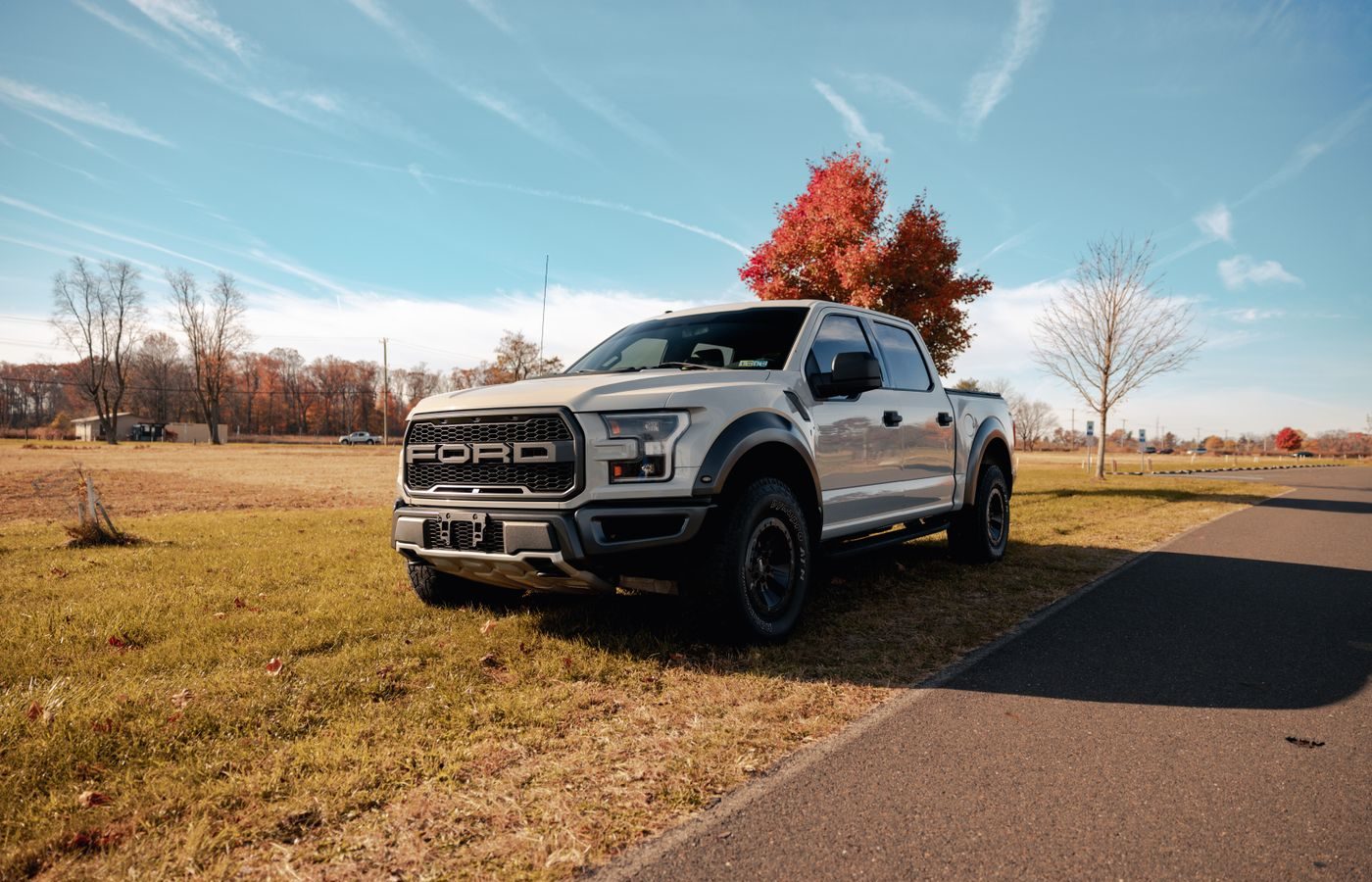
A full-size pickup — F-150, Silverado 1500, Ram 1500-class — typically needs 65 to 75 feet of vinyl run out, and a full wrap runs $3,000 to $5,500 depending on cab configuration. A regular cab needs less material than a crew cab with a full-length bed, and that difference shows up directly in the quote.
Cab-only wraps, which cover the body but leave the bed unwrapped, are a popular way to cut cost — they start around $2,000 and still deliver most of the visual impact from the side and front, which is where most people see the truck anyway.
Partial wraps — hood, roof, tailgate, or bed-side accents — run $1,000 to $2,500 for multiple panels, or as little as $200-$700 for a single panel like a hood or roof. A tailgate wrap alone typically needs just 4-6 feet of film and is one of the cheapest ways to add a distinct look without committing to a full wrap.
Box Trucks and Commercial Vehicles
Box truck pricing scales directly with the size of the box, since that’s the majority of the wrappable surface. Installers commonly quote by wrappable square footage, often in the $8 to $18 per square foot range once material, design, printing, and installation are all included.
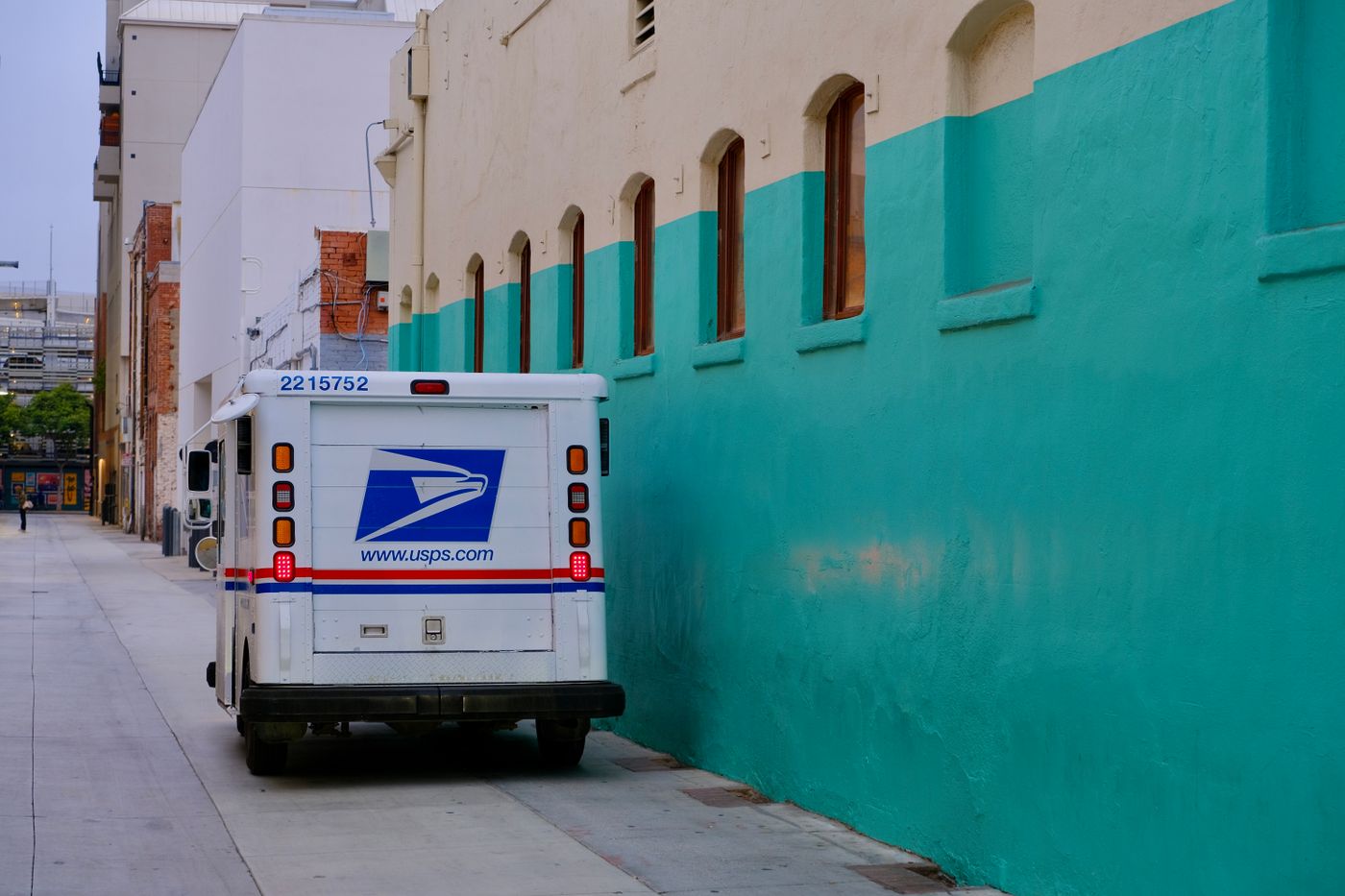
Custom-printed graphics — full-color logos, fleet branding, photo-realistic designs — run $3,500 to $7,500 depending on truck size and design complexity, distinct from a simple solid color-change wrap. If you’re wrapping more than one vehicle, most installers offer fleet discounts, commonly starting around 3% for 2-4 vehicles and scaling up to roughly 15% for fleets of 25 or more.
Semi-Trucks and Trailers
Semi-truck pricing is usually broken into two separate jobs: the tractor (cab) and the trailer, quoted independently because they’re different surfaces with different install logistics.
A partial cab wrap can start around $890, while a half-wrap or more substantial cab coverage runs $3,000 and up. A full trailer wrap — three sides, each roughly 53 feet long on a standard dry van — commonly lands in the $3,000 to $4,000 range for the trailer alone, separate from tractor costs.

For a business running a fleet of tractors and trailers, this is where the per-vehicle discount structure matters most — wrapping five trucks at once costs meaningfully less per unit than wrapping one.
What Drives the Price on Any Truck
The same factors that determine car wrap cost apply here, scaled up:
Size and surface area. This is the dominant factor for trucks specifically, since the range between a compact pickup and a 26-foot box truck is enormous. More square footage means more film and more labor, full stop.
Vinyl type. Cast vinyl conforms better to curves and body lines and lasts longer — typically 5-7 years — but costs more than calendered vinyl. For a box truck’s large flat panels, calendered vinyl is sometimes an acceptable cost-saving choice since there’s less complex contouring to worry about; for a pickup’s curved fenders and bed, cast vinyl is usually worth the difference.
Finish and complexity. A solid color-change wrap costs less than a custom-printed design with logos, gradients, or photo-realistic graphics, since printed wraps require design work and specialty printing before installation even starts.
Existing surface condition. Rust, dents, or peeling factory clear coat all need to be addressed before a wrap goes on — vinyl will show, not hide, underlying body damage, and installers may decline to wrap a panel that isn’t sound. If your truck has body damage, our collision and paint repair services are worth handling before you book a wrap, not after.
Old wrap removal. Re-wrapping a truck that already has a wrap adds removal cost, and that cost rises sharply if the old wrap has degraded or baked onto the paint — the same dynamic that applies to cars.
Is a Truck Wrap Worth It for a Business Vehicle?
For a commercial truck — box truck, service van, work pickup — the wrap decision is usually about ongoing brand visibility rather than personal style, and it changes the math. A truck that’s already on the road for work is functioning as a moving billboard whether it’s wrapped or not; wrapping it just puts that surface to use.
The honest comparison to make is against your other marketing spend, not against a bare truck. A wrap is a one-time cost that keeps working for 5-7 years, which is a very different economics than a recurring monthly ad spend — but it only pays off if the truck is actually out and visible regularly. A box truck making daily local deliveries is a better wrap candidate than one that sits in a lot most of the week.
Frequently Asked Questions
Is it cheaper to wrap a truck or repaint it?
Usually cheaper upfront, and reversible — a full-size pickup wrap ($3,000-$5,500) is typically less than a comparable-quality repaint on a truck, and you can remove it later to reveal the factory paint. Over a very long ownership period, a repaint can work out cheaper per year since it lasts longer, but it’s permanent, which a wrap isn’t.
How much vinyl does a full-size pickup truck need?
Roughly 65 to 75 feet of film run out for the body, more if the bed is included. That translates to the truck needing enough material to cover somewhere in the neighborhood of 250-300 square feet of surface, similar to a large car or small SUV.
Do box trucks cost more per square foot than pickups?
Not necessarily more per square foot, but the total cost is higher because there’s so much more surface area — a 26-foot box has vastly more wrappable square footage than a pickup’s body panels. Large, mostly flat box-truck panels can actually be more material-efficient to wrap than a pickup’s complex curves.
How long does a truck wrap take to install?
For a full pickup wrap, plan on roughly the same timeline as a car — several days including cure time. Box trucks and semi-trailers, with their large flat panels, are often faster per square foot of coverage than a curvy vehicle, but total install time still scales with the truck’s size.
Can I wrap just the truck logo/graphics without a full wrap?
Yes — this is standard for commercial vehicles that just need a company name, logo, and contact info rather than a full color change. Basic cut-vinyl lettering and logos cost a fraction of a full wrap and can often be installed in a few hours.
The Bottom Line
Budget $2,000-$6,000 for a pickup, $5,000-$10,000+ for a box truck, and $2,000-$5,000 for a semi cab, with size doing most of the work in determining where you land in that range. A cab-only or partial wrap is a legitimate way to cut cost on any truck type without losing most of the visual impact.
Get the truck’s paint and body condition checked before you book a wrap — vinyl reveals damage rather than hiding it. Contact San Diego Bumper and Collision for a free estimate on repair work or a wrap quote.