
Most automotive experts recommend washing your car every two weeks as a general baseline — but daily drivers, coastal residents, and anyone dealing with winter road salt should wash weekly or even more often, while a car that’s mostly garage-kept and rarely driven can stretch to every 3-4 weeks. Frequent washing doesn’t harm paint; letting contaminants sit on it does.
Here’s the realistic schedule by driving situation, and the actual difference between hand washing and automatic car washes when it comes to protecting your paint.
Key Takeaways
- Every two weeks is the general baseline, adjusted up or down based on your actual driving conditions.
- Coastal areas, road salt, and daily urban driving all call for weekly washing to prevent buildup and corrosion.
- Washing frequently doesn’t damage paint — technique matters far more than frequency.
- A hand wash is statistically more likely to cause scratches than a modern automatic wash, contrary to popular belief — improper technique is the real risk factor either way.
The Baseline: Every Two Weeks
Most automotive experts land on washing your car every two weeks as a reasonable general recommendation, balancing keeping the paint clean against the practical reality that most people aren’t washing their car constantly (Painted OEM Parts).
That baseline is a starting point, not a hard rule — your actual driving conditions, climate, and how the car is stored should shift that number meaningfully in either direction.

Wash Frequency by Situation
Daily drivers and urban commuters should wash weekly to remove dirt, dust, and road grime before it has time to damage the finish. Coastal residents face the same weekly recommendation, since salt air accelerates corrosion the same way winter road salt does. Winter driving with road salt exposure calls for washing every 7-10 days specifically, since salt and slush trapped in the undercarriage, brake lines, and wheel wells can cause rust if left too long (LivingSocial). On the other end, a car that’s mostly garage-kept and driven rarely can reasonably stretch to every 3-4 weeks.

Does Frequent Washing Actually Damage Paint?
No — washing frequently does not harm paint, and regular washing is actually better for the finish than letting contaminants sit and etch into the clear coat over time. That said, every wash does involve some contact and mild chemical exposure, so the risk of introducing swirls or scratches is always present regardless of how often you wash — it’s technique, not frequency, that determines the outcome (AutoZone).
Hand Wash vs. Automatic: The Counterintuitive Truth
Conventional wisdom says hand washing is always gentler than an automatic car wash, but the actual evidence is more mixed. A hand wash is statistically more likely to introduce scratches than a modern automatic wash, largely because the everyday leading source of swirl marks is improper technique at home — not the machine itself (Ceramic Pro).
The most common home-washing mistakes:
- Using a single bucket for both soap and rinsing, which reintroduces dirt from your mitt back onto the paint with every dip.
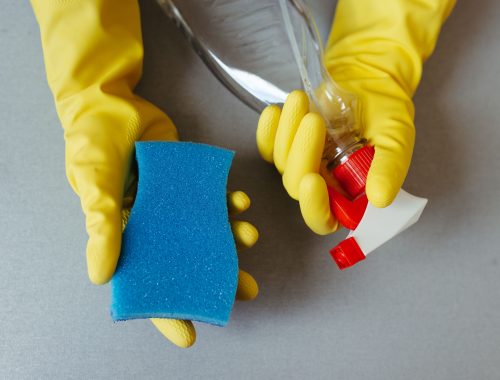
- Using sponges, dish towels, or non-dedicated cloths instead of proper wash mitts and clean microfiber towels — these can drag grit across the paint far more aggressively than purpose-made detailing tools.
On the automatic side, older brush-style washes with large spinning bristles are the real risk, since they can trap dirt from previous vehicles and create a sandpaper-like effect against your paint (Tommy Car Wash Systems). Modern touchless washes avoid this entirely, making them a reasonable middle-ground when hand washing isn’t practical.
Washing the Right Way, Whichever Method You Choose
If you hand wash, use the two-bucket method — one bucket for soapy water, a separate bucket for rinsing your mitt between passes — to stop reintroducing dirt onto the paint. Pair that with proper microfiber towels that have been washed correctly themselves, since a contaminated towel undoes the benefit of careful technique.
If you use an automatic wash regularly, choose a modern touchless or soft-cloth facility over an older brush-style one, and keep up with wax or sealant protection so the paint has a slicker surface that resists grabbing dirt in the first place — see our guide on how often to wax your car for keeping that protection current.
Frequently Asked Questions
Is it bad to wash my car every day?
Not inherently harmful to the paint if done with proper technique, but it’s rarely necessary and adds unnecessary time and water use. Weekly is sufficient even for the highest-exposure driving conditions covered above.
Should I wax every time I wash?
No — wax and wash are separate maintenance items on different schedules. Washing removes dirt and contaminants; wax adds protection that lasts weeks to months depending on the product, so it doesn’t need reapplying at every wash.
Does rain count as a free car wash?
Not really — rain often contains its own contaminants and can leave mineral deposits or water spots as it dries, especially combined with dust already on the surface. It’s not a substitute for an actual wash.
How do I know if my car needs a wash beyond the schedule?
Visible dirt, road grime, bug splatter, or bird droppings sitting on the paint are all signs to wash sooner rather than wait for your regular interval — the longer contaminants sit, the more likely they are to etch into the clear coat, which can eventually require paint correction to fix.
The Bottom Line
Wash your car roughly every two weeks as a baseline, weekly if you’re a daily urban driver, live near the coast, or deal with winter road salt, and every 3-4 weeks if it’s mostly garage-kept. Frequency itself doesn’t damage paint — technique does, and a careless hand wash can actually cause more swirl marks than a modern touchless automatic wash.
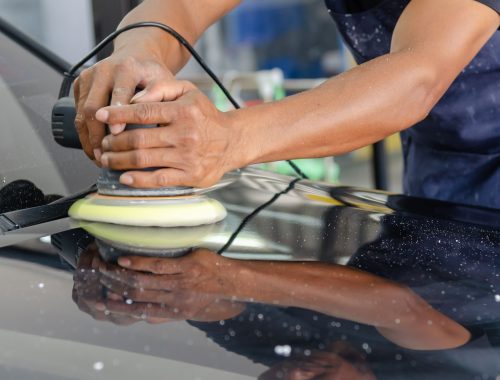
Dealing with swirl marks, etched contamination, or paint that needs a proper correction? Contact San Diego Bumper and Collision for professional detailing.