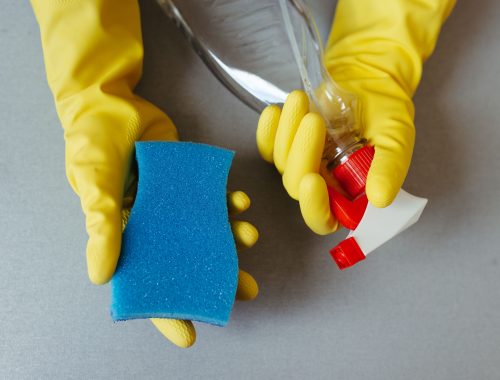

Clean a sticky leather steering wheel by first brushing away loose dirt, then spraying an all-purpose or dedicated leather cleaner onto a microfiber cloth — not directly onto the wheel — and wiping with gentle, even strokes. Avoid harsh scrubbing, which can tear or scratch leather, though a non-scratch scrub pad worked in circular motions helps on genuinely dirty sections. Vacuum out the gaps and grooves where grime hides, then finish with a clean microfiber cloth to remove any remaining residue. Never apply leather conditioner before or instead of cleaning — that skips the actual cleaning step and works dirt deeper into the leather, making the stickiness worse.
Here’s the gentle cleaning technique that avoids damaging the wheel, why conditioner is the wrong first move, and mild soap versus dedicated leather cleaner for different levels of grime.
Key Takeaways
- Never condition before cleaning — conditioner applied over dirt and grime works it deeper into the leather rather than lifting it out.
- Spray cleaner onto the cloth, not the wheel — this gives more control and avoids over-saturating the leather.
- Mild soap and water is the safest starting point, with a dedicated leather cleaner reserved for stubborn residue.
- Vacuum the gaps and grooves — trapped grime in the wheel’s texture is easy to miss with a cloth alone.
The Full Cleaning Process
Why Gentle Technique Matters Here Specifically

Start by using a brush to remove dirt, then wipe clean with an all-purpose cleaner or a leather cleaner and a microfiber towel (Chemical Guys). Be gentle, particularly if it’s leather or faux leather, since harsh scrubbing can cause tears or scratches — this matters more on a steering wheel than most other interior surfaces, given how much direct hand contact and grip pressure it receives daily. Spray the cleaner onto a microfiber cloth and wipe the wheel using gentle, even strokes, without applying too much pressure, which keeps the leather’s surface intact while still lifting embedded grime.
Handling Stubborn Grime and Hidden Gaps

If the wheel has a lot of dirt, a non-scratch scrub pad worked in a circular motion helps lift genuinely stubborn residue that a plain cloth can’t fully remove. Use a vacuum cleaner to remove dirt and grime trapped in the gaps of the wheel — these small grooves and stitching lines accumulate grime that’s easy to miss during a standard wipe-down but visibly obvious once you’re actually looking for it. Finish the process with a clean microfiber cloth to wipe the wheel and remove any remaining residue, checking that the surface feels genuinely clean rather than just visually improved.
Why Conditioner Comes After Cleaning, Never Instead Of
Applying leather conditioner before or instead of cleaning results in an even stickier mess, since doing so skips the entire cleaning process and works dirt and grime deeper into the leather rather than lifting it out (FavoredLeather). Mild soap and water is the safest starting point for most sticky steering wheels, while specialized leather cleaners offer more thorough results for stubborn residue that soap alone doesn’t fully address. Once the wheel is genuinely clean, our guide on choosing the right leather cleaning products for your car covers selecting an appropriate conditioner to apply afterward.
Frequently Asked Questions
What actually causes a leather steering wheel to become sticky?
Hand oils, lotion residue, and accumulated dust combine over time to create the sticky film, and this buildup happens faster with frequent driving or when hands aren’t clean before gripping the wheel.
Can this cleaning method be used on synthetic or faux leather wheels?
Yes, generally the same gentle approach applies, though faux leather can sometimes tolerate slightly more aggressive cleaning than genuine leather — checking the specific material’s care recommendations first is still worth doing.
How often should a steering wheel be cleaned to prevent stickiness?
Every few weeks alongside general interior cleaning is reasonable for most drivers, with more frequent attention if hand lotion or sunscreen use is a regular part of your routine before driving.
Is it safe to use disinfecting wipes on a leather steering wheel?
Not ideal for regular use — many disinfecting wipes contain alcohol or harsh chemicals that can dry out leather over repeated application, making a dedicated leather cleaner the safer routine choice.
The Bottom Line
Cleaning a sticky leather steering wheel comes down to gentle technique, cleaning before conditioning, and paying attention to the gaps and grooves that trap hidden grime. Skipping straight to conditioner is the single most common mistake that makes a sticky wheel worse rather than better.
Want your entire interior professionally cleaned and conditioned? Contact San Diego Bumper and Collision for a quote.