Clean and protect a convertible top by first identifying whether it’s fabric or vinyl — apply 1/8 teaspoon of water and rub it in; if it soaks in, it’s fabric, if it smears without absorbing, it’s vinyl — since using the wrong cleaner on either material risks irreversible damage. Rinse the entire top, apply a fabric-and-vinyl-safe cleaner, agitate gently with a soft brush working in sections, rinse thoroughly, dry completely, then apply a dedicated protectant to guard against UV fading and cracking.
Here’s the full process, why identifying material type comes first, and the maintenance schedule that actually keeps a convertible top looking new.
Key Takeaways
- The water-drop test identifies material type — absorbs means fabric, smears means vinyl — before you pick a cleaner.
- Never use bleach, alcohol, ammonia, or vinegar — these dry out fabric and dull vinyl, causing lasting damage.
- Soft brushes only — hard brushes pill fabric tops, making them look prematurely aged.
- Weekly washing plus monthly protectant application is the maintenance rhythm that actually prevents cracking and fading.
Step 1: Identify Your Top’s Material
Before cleaning, determine whether your convertible top is fabric (cloth, canvas) or vinyl, since using the wrong cleaner risks irreversible damage to either material (Simple Green). Test the material by applying 1/8 teaspoon of water and rubbing it in — if it soaks into the surface, it’s likely fabric, but if it smears on top without absorbing, it’s vinyl. This simple test matters because fabric and vinyl respond very differently to cleaning products, and a vinyl-specific cleaner on genuine fabric (or vice versa) can leave the surface stiffer, discolored, or damaged in ways that aren’t easily reversible.
The Cleaning Process
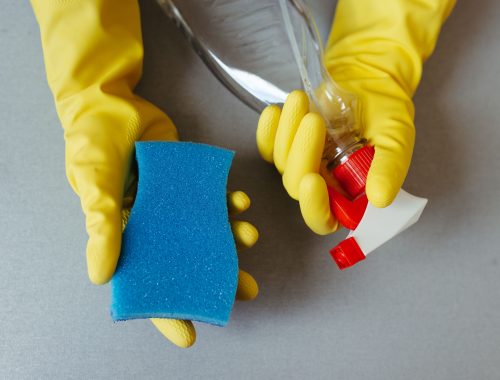
Rinse the entire top with water first to loosen dirt and debris, then apply a fabric-and-vinyl-safe cleaner and agitate using a soft brush, working in manageable sections rather than the whole top at once (DetailKing). Rinse thoroughly with low-pressure water, and let the surface dry completely before applying any protectant — trapped moisture underneath a protectant layer can lead to mildew or degraded product performance over time.
Use soft tools only throughout the process — hard brushes can pill fabric tops, physically damaging the material’s texture and making an otherwise well-maintained top look prematurely aged. Avoid harsh chemicals or any products containing bleach, alcohol, ammonia, or vinegar, since these ingredients dry out fabric and dull vinyl’s natural finish, undoing the benefit of an otherwise careful cleaning process.
Applying Protectant
Once clean and fully dry, a dedicated protectant preserves the top’s color and texture while helping prevent cracks and fading — critically, it also shields the material from the sun’s UV rays and resists future dirt and grease adhesion (Sonax USA). This protective step is where the real long-term value comes from: cleaning alone removes what’s already accumulated, while protectant application slows how quickly new damage and grime build up going forward.
If you’re detailing the rest of your convertible’s exterior alongside the top, our guide on how often to wax your car covers a parallel maintenance schedule for the painted body panels.
Maintenance Schedule
Weekly washes with a gentle shampoo and appropriate vinyl or fabric cleaner, combined with protectant application about once per month, are effective for maintaining a soft top’s condition long-term. Convertible tops specifically should be washed at least every one to two weeks — more frequently than many owners expect, given how much UV and environmental exposure the exposed top surface takes compared to painted body panels shielded somewhat by wax or sealant.
Frequently Asked Questions
Can I use regular car wash soap on a convertible top?
It’s not ideal — dedicated fabric or vinyl top cleaners are formulated specifically for these materials’ unique properties, while standard car wash soap designed for painted surfaces may not clean or protect a soft top as effectively.
Does a convertible top need different care in winter versus summer?
Yes, to some degree — summer UV exposure drives most fading and cracking concerns, while winter cold can make fabric more brittle and prone to damage if the top is operated (raised or lowered) in very cold temperatures.
Is it safe to run a convertible top through an automatic car wash?
Generally not recommended — automatic car washes with stiff brushes can damage soft top material in ways a hand wash with soft tools avoids, making hand washing the safer choice for the top specifically even if you use automatic washes for the rest of the vehicle.
How do I know when a fabric top needs replacement rather than just cleaning?
Visible tearing, significant water leakage during rain, or fabric that’s become so brittle it cracks when folded are signs replacement is needed — routine cleaning and protectant maintenance can’t reverse structural material breakdown at that stage.
The Bottom Line
Caring for a convertible top starts with identifying fabric versus vinyl using the water-drop test, then a gentle wash with soft tools and material-appropriate cleaner, followed by a protectant application to guard against UV damage. Weekly washing and monthly protectant application genuinely extend a top’s usable life and appearance, given how much more environmental exposure it faces compared to the rest of the vehicle.
Dealing with a torn or damaged convertible top? Contact San Diego Bumper and Collision for an assessment.